Can You Put a Greenhouse on a Concrete Slab? Essential Tips and Considerations

When planning to establish a greenhouse, one of the key considerations is the foundation on which it will be built. A concrete slab can provide a solid and durable base, but it also comes with specific challenges and opportunities. Understanding whether a greenhouse can be effectively placed on a concrete slab requires careful consideration of factors such as drainage, insulation, and accessibility. This article will explore essential tips and considerations for successfully installing a greenhouse on a concrete slab, helping you make informed decisions to create an optimal growing environment for your plants.
Can You Put a Greenhouse on a Concrete Slab?
Yes, you can definitely put a greenhouse on a concrete slab, which is often considered a stable and level foundation for various types of structures. The concrete provides a solid base that helps in maintaining the structure's integrity and can contribute to good drainage if properly designed. Additionally, using a concrete slab can help prevent issues related to pests and weeds, as it minimizes soil contact. However, it’s important to consider factors like insulation, moisture control, and proper placement of the greenhouse on the slab to ensure the best growing conditions for your plants.
Benefits of Using a Concrete Slab
A concrete slab offers numerous benefits when it comes to supporting a greenhouse. Firstly, it provides a durable and long-lasting foundation that can withstand various weather conditions. Additionally, it minimizes the risk of flooding as rainwater drains off the surface effectively, preventing soil erosion and keeping the greenhouse dry. This type of foundation also allows for easy maintenance, as weeds and pests are less likely to infiltrate the structure, ensuring a cleaner and more efficient growing environment.
Considerations for Greenhouse Placement
When placing a greenhouse on a concrete slab, it is crucial to consider the orientation and location to maximize sunlight exposure. Ideally, the structure should face south to capture the most amount of natural light throughout the day. Additionally, it is important to assess the surrounding area for potential obstructions, such as trees or buildings, that may create shadows and inhibit growth. Proper ventilation should also be accounted for, as good airflow is essential for plant health.
Moisture Control on Concrete Slabs
One of the challenges of placing a greenhouse on a concrete slab is maintaining proper moisture levels. Concrete is a non-porous material, which means it doesn’t retain moisture the way soil does. This can lead to drying out of the soil inside the greenhouse. To address this, consider using moisture-retaining materials in your planters and utilizing drip irrigation systems to manage water effectively. Additionally, incorporating humidity control measures such as misting systems can also benefit plant health.
Insulation Needs
Concrete slabs can lead to temperature fluctuations inside the greenhouse, which is why proper insulation is key. During cold weather, the concrete can absorb heat from the greenhouse, causing temperatures to drop. To mitigate this, you might consider using insulation materials under the flooring, or even building the greenhouse with materials that provide better thermal mass. Investing in thermal curtains or using double-glazed panels can also help retain heat, ensuring a more stable environment for your plants.
Installation Tips
When installing a greenhouse on a concrete slab, it's important to follow a few best practices for optimal results. First, ensure that the slab is completely level to prevent any structural issues during construction. Second, install proper anchors and fastening systems designed for concrete to secure the greenhouse firmly in place. Additionally, ensure that the greenhouse is adequately sealed to prevent air leaks and promote energy efficiency. Lastly, plan for easy access and pathways around the structure to maintain functionality as you care for your plants.
| Aspect | Details |
|---|---|
| Foundation Stability | Provides a strong and stable foundation for a greenhouse. |
| Pest Control | Reduces pests and weeds that can affect plant health. |
| Drainage | Helps prevent flooding and soil erosion. |
| Temperature Management | Requires additional insulation for temperature stability. |
| Installation | Must be carefully anchored and sealed to prevent leaks. |
Can you build a greenhouse on a concrete slab?

Yes, you can build a greenhouse on a concrete slab. In fact, a concrete slab provides a solid and durable foundation that can offer various benefits for greenhouse construction. It helps in stabilizing the structure and can enhance the overall efficiency of the greenhouse, especially in terms of temperature maintenance and pest control. When opting for a concrete slab, there are several factors and considerations to keep in mind to ensure the successful establishment and longevity of your greenhouse.
Benefits of Using a Concrete Slab
Building a greenhouse on a concrete slab comes with several advantages:
- Stability: A concrete slab provides a solid base that can resist shifts and changes in the soil.
- Disease Prevention: The hard surface can help prevent soil-borne diseases from affecting plants.
- Pest Control: Concrete can serve as a barrier against pests that might normally burrow into the soil.
Preparation and Installation
Proper preparation is crucial when installing a greenhouse on a concrete slab:
- Site Selection: Choose a location that receives ample sunlight and is shielded from harsh winds.
- Slab Thickness: Ensure the concrete slab is adequately thick (at least 4 inches) to support the weight of the greenhouse and any additional equipment.
- Drainage Considerations: Incorporate proper drainage solutions to avoid water pooling around the foundation.
Greenhouse Structure Compatibility
Different greenhouse structures may adapt better to a concrete slab:
- Framed Greenhouses: These structures benefit from the solid support and can be easily anchored.
- Polyethylene Greenhouses: Lightweight materials can be effectively used on concrete slabs but require proper anchoring.
- Glass Greenhouses: Heavier and more permanent, glass greenhouses thrive with the stability a concrete foundation provides.
Heating and Ventilation Options
A concrete slab impacts heating and ventilation in your greenhouse:
See also:
- Heat Retention: Concrete can absorb heat during the day and release it at night, helping to regulate temperature.
- Minimized Air Leakage: A solid foundation helps maintain internal temperatures and reduces the risk of cold drafts.
- Ventilation Systems: Make sure to install adequate systems to handle humidity and prevent overheating.
Maintenance Considerations
Maintaining a greenhouse on a concrete slab requires attention to certain aspects:
- Cleaning: Regularly clean the slab to prevent algae growth and maintain a healthy environment.
- Crack Repairs: Monitor for cracks and repair them promptly to prevent structural issues.
- Weed Control: Ensure weeds don’t sprout in cracks or at edges by using proper landscaping techniques.
Can you put a putting green on a concrete slab?
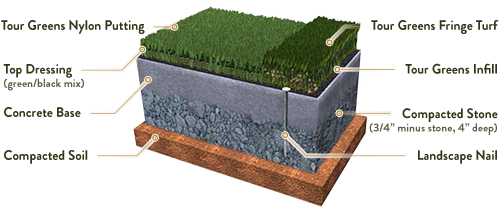
Yes, you can put a putting green on a concrete slab, and this is a common practice for many homeowners and golf enthusiasts who want to create a personal practice space. Installing a putting green over concrete offers a durable and stable surface. However, several factors must be taken into account to ensure optimal performance and longevity of the artificial turf.
Advantages of Installing a Putting Green on Concrete
There are several advantages to installing a putting green over a concrete slab, including:
- Durability: Concrete provides a long-lasting, stable base that won't suffer from wear and tear.
- Low Maintenance: Unlike natural grass, a synthetic surface requires less maintenance and can withstand harsher weather conditions.
- Consistency: A concrete slab ensures an even surface that leads to more consistent ball roll and putting experience.
Preparation Needed Before Installation
Before laying down the putting green materials, preparation is crucial. Here’s what should be done:
- Surface Cleaning: Ensure that the concrete slab is clean and free of debris, oil, or any other contaminants.
- Leveling: Check for any uneven areas on the slab, as they may need to be leveled using a concrete resurfacer to create a smooth surface.
- Drainage Considerations: Ensure that proper drainage is in place to prevent water accumulation on the putting green surface.
Materials Needed for Installation
To successfully install a putting green on a concrete slab, specific materials are required:
- Artificial Turf: Choose high-quality synthetic grass designed for putting greens.
- Shock Pad: A shock pad can help provide cushioning and better ball roll.
- Adhesives: Use specialized turf adhesives to attach the grass securely to the concrete surface.
Installation Process Steps
The installation process can vary, but here are the general steps to follow:
- Measure and Cut: Measure the size of the area and cut the artificial turf accordingly.
- Lay Down the Shock Pad: Roll out the shock pad over the concrete slab and secure it in place.
- Install the Turf: Lay the artificial turf over the shock pad, ensuring alignment and secure it with adhesive.
Post-Installation Care and Maintenance
Once the putting green is installed, care and maintenance are essential for longevity:
- Regular Cleaning: Remove debris and clean the surface to maintain its appearance and performance.
- Brush the Turf: Periodically brush the turf to maintain blade uprightness and prevent matting.
- Inspect for Damage: Regularly check the edges and seams for any signs of wear and repair as necessary.
Is concrete a good floor for a greenhouse?
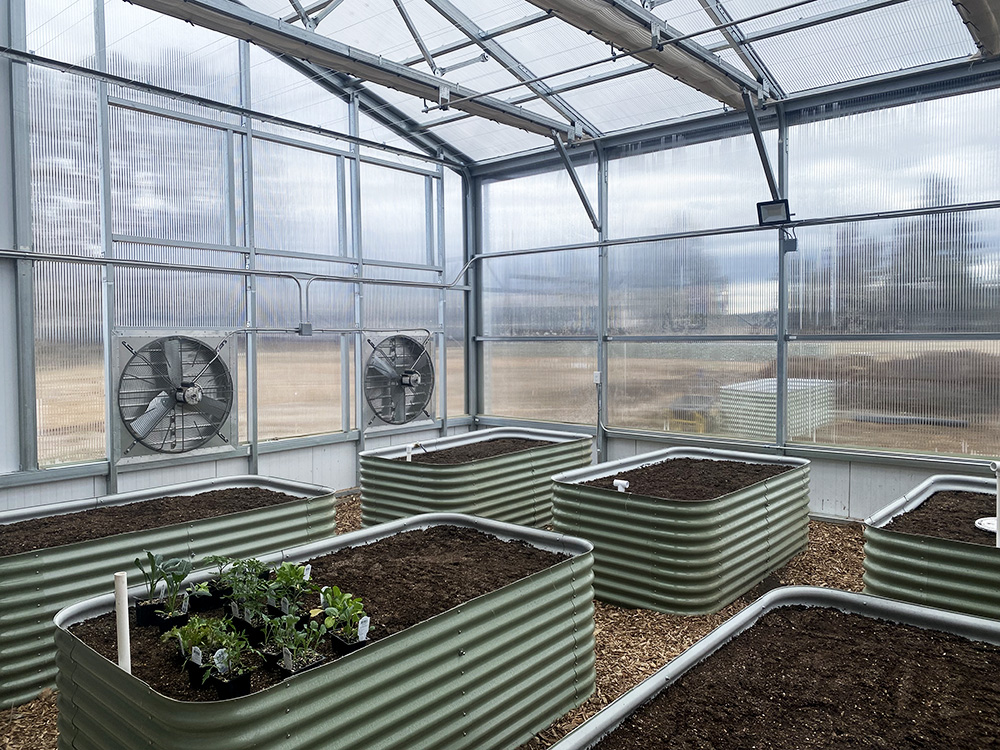
Concrete can be a great flooring option for a greenhouse, but it also comes with its own set of advantages and disadvantages. Here’s a detailed look at why concrete might or might not be the best choice for your greenhouse flooring.
Advantages of Concrete Flooring
Using concrete as a floor for a greenhouse offers several benefits, particularly for durability and ease of maintenance.
- Durability: Concrete is a robust material that can withstand heavy foot traffic, equipment, and even harsh weather conditions.
- Low Maintenance: It requires minimal upkeep compared to other flooring options. A simple wash or sweep is usually sufficient to keep it clean.
- Weed Control: A solid concrete floor helps prevent weeds from growing, which can be beneficial for plant health and aesthetics.
Disadvantages of Concrete Flooring
However, there are also some notable downsides that come with using concrete in a greenhouse.
- Heat Retention: Concrete can absorb and retain heat, which might lead to overheating in the greenhouse during warm months.
- Hard Surface: The hardness of concrete can be detrimental to plants when dropped or if you are working on your knees, causing potential injury.
- Drainage Issues: If not properly constructed with drainage in mind, concrete can lead to water pooling, which is harmful to both plants and the surrounding environment.
Insulation Properties of Concrete
Concrete has unique insulation properties that can impact the environment within the greenhouse.
See also:
- Thermal Mass: The thermal mass of concrete allows it to absorb heat during the day and release it slowly at night, helping to maintain a more stable temperature.
- Energy Efficiency: This quality can contribute to a more energy-efficient greenhouse by lessening the reliance on heating systems.
- Microclimate Control: Improved temperature regulation can support various types of plants, creating a better microclimate for growth.
Alternatives to Concrete Flooring
Exploring flooring alternatives can offer solutions that may suit your greenhouse needs even better than concrete.
- Gravel: Gravel can offer excellent drainage and aeration but requires more maintenance to keep weeds under control.
- Wood: Wooden floors can provide a warmer surface but may suffer from rot and require regular treatment.
- Rubber Mats: These can provide a softer, slip-resistant surface ideal for working in the greenhouse and can also assist with drainage.
Installation Considerations
When opting for concrete flooring, certain installation considerations should be taken into account for optimal results.
- Foundation Preparation: Proper site preparation is essential for a sturdy and level concrete floor; this includes grading and establishing a solid base.
- Thickness and Mix: The concrete thickness and mix should be tailored to your specific needs, especially if heavy equipment will be used.
- Sealing Options: Consider applying a sealant to the concrete to protect it from moisture, stains, and wear while enhancing its lifespan.
How to secure a greenhouse to concrete?
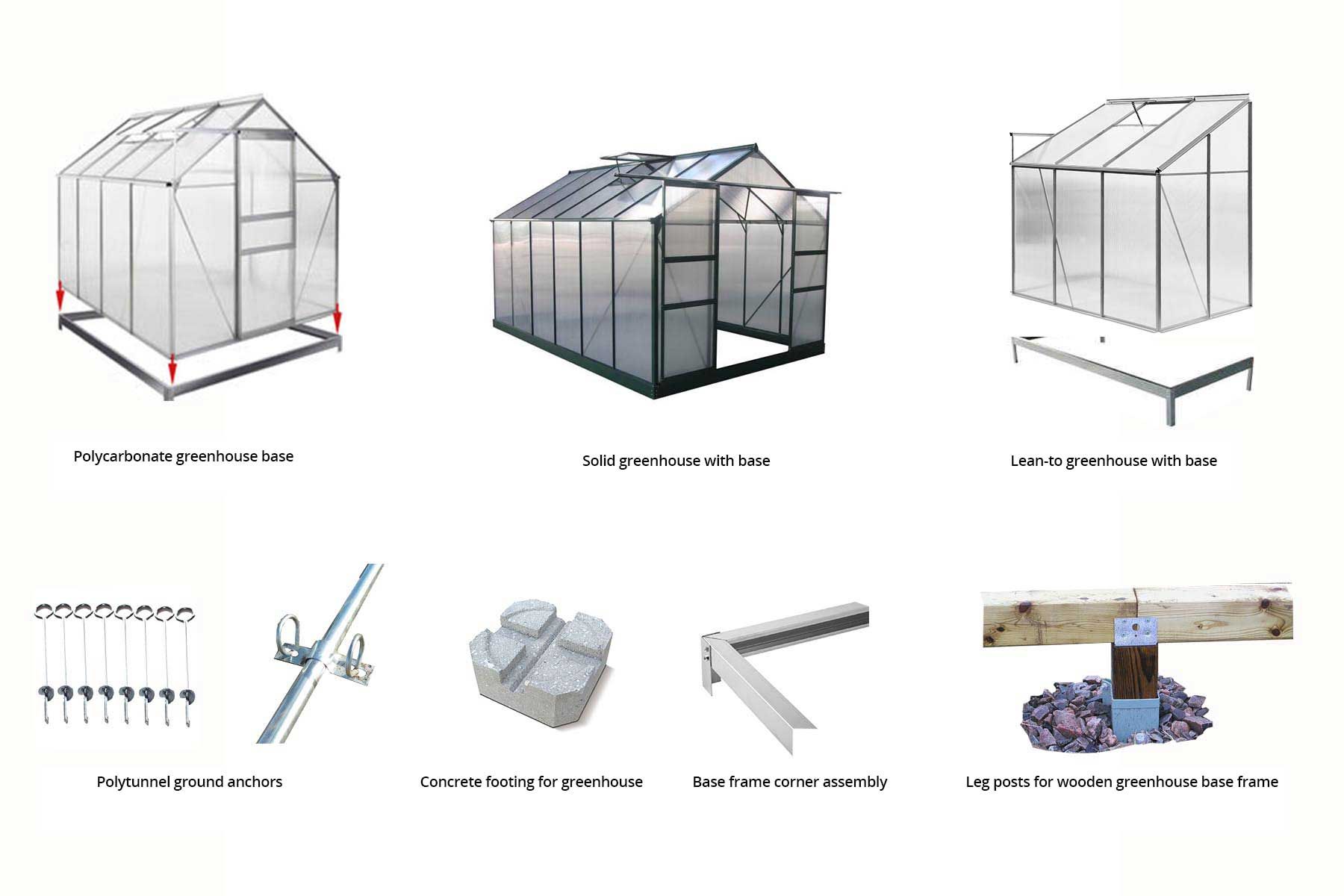
To secure a greenhouse to concrete, it is essential to ensure stability, especially in adverse weather conditions. Here are a few steps you can take to effectively anchor your greenhouse to a concrete foundation.
Choosing the Right Anchors
Selecting appropriate anchors is crucial for the stability of your greenhouse. The type of anchor you choose will depend on the size and material of the greenhouse structure. Common options include:
- Concrete screws: Ideal for lighter greenhouses; they provide a strong hold.
- Expansion anchors: Work well for heavier structures and distribute load evenly.
- Toggle bolts: Suitable for thinner concrete slabs; they expand behind the slab for a secure fit.
Preparation of the Concrete Surface
Before anchoring your greenhouse, it is vital to prepare the concrete surface properly. This preparation can affect how securely the anchors hold. Steps include:
- Clean the area: Remove dirt, dust, and debris from the concrete surface.
- Check for cracks: Repair any visible cracks that may weaken the foundation.
- Mark anchor locations: Use a chalk line or markers to indicate where anchors will be placed.
Drilling Holes for Anchors
Next, you will need to drill holes into the concrete for your chosen anchors. Proper drilling technique is essential for ensuring a secure fit. Consider the following:
- Use a masonry drill bit: This type of bit is designed for drilling into hard surfaces like concrete.
- Follow the manufacturer’s instructions: Ensure holes are the correct depth and diameter for your anchors.
- Safety precautions: Wear safety glasses and a dust mask while drilling to protect yourself.
Installing the Anchors
Once holes are drilled, install your anchors according to the instructions provided by the manufacturer. This procedure is vital for effective securing:
- Insert anchors carefully: Ensure that each anchor is positioned correctly within the drilled hole.
- Use a torque wrench: Tighten anchors to the recommended torque setting for optimal hold.
- Check for stability: After installation, gently test each anchor for secure placement before proceeding.
Securing the Greenhouse Structure
After the anchors are properly installed, you can secure the greenhouse structure itself. This process solidifies the attachment to the concrete foundation:
- Align the greenhouse frame: Make sure that the frame is properly aligned with the installed anchors.
- Attach with bolts or screws: Use appropriate fasteners to attach the greenhouse frame to the anchors.
- Double-check stability: Before finalizing the setup, ensure that the greenhouse is stable in all areas.
Questions from Our Readers
Can you put a greenhouse on a concrete slab?
Yes, you can definitely put a greenhouse on a concrete slab. A concrete slab provides a sturdy and level foundation, which can help in stability and durability of the greenhouse. However, it's essential to ensure proper drainage to prevent water buildup that can harm plants.
What are the benefits of using a concrete slab for a greenhouse?
Using a concrete slab for your greenhouse has several benefits, including increased stability against wind and other elements, as well as ease of maintenance. It also helps in defining the perimeter of the greenhouse and can assist in weeding as it prevents soil contact with the ground.
Do I need to prepare the concrete slab before installing the greenhouse?
Yes, it is crucial to prepare the concrete slab adequately before installation. This can involve cleaning the surface to remove any debris, ensuring it is level, and checking for drainage issues to prevent water accumulation that could affect the plants.
Can I add insulation to a greenhouse on a concrete slab?
Absolutely! You can add insulation to a greenhouse on a concrete slab by using materials like foam board or reflective insulation under the greenhouse floor or walls. This can help in maintaining temperature control, contributing to a healthier environment for your plants.
See also:

If you want to read more articles like Can You Put a Greenhouse on a Concrete Slab? Essential Tips and Considerations, we recommend you check out our Garden category.
Leave a Reply
Related Articles