Should I Open My Plastic Greenhouse in the Day? Essential Tips for Optimal Plant Growth

The decision to open your plastic greenhouse during the day can significantly influence the growth and health of your plants. Proper ventilation is crucial, as it helps to regulate temperature and humidity levels, preventing the buildup of excess heat and moisture that can harm delicate foliage. However, timing and environmental factors play a vital role in determining when to open the greenhouse. In this article, we will explore essential tips for optimal plant growth, including the benefits and potential drawbacks of daily ventilation, helping you to make informed choices that will enhance the vitality of your greenhouse plants.
Should I Open My Plastic Greenhouse During the Day?
Opening your plastic greenhouse during the day can be beneficial, but it largely depends on the weather conditions and the specific needs of your plants. During sunny days, the temperature inside a plastic greenhouse can rise rapidly, potentially leading to heat stress for your plants. Therefore, if the exterior temperature is significantly cooler than the interior, opening the greenhouse can help regulate humidity levels and lower the temperature inside to create a more comfortable environment for your plants. However, consider the type of plants you are cultivating; some may thrive in warmer conditions while others prefer cooler spaces. Always monitor the levels of light and humidity, as these factors can significantly affect plant health.
Benefits of Opening the Greenhouse
Opening your plastic greenhouse during the day provides several benefits, including improved air circulation that helps prevent mold and fungal growth. Increased airflow can also assist in pollination for plants that require insects or wind for successful reproduction. Furthermore, allowing natural light to enter can encourage optimal growth by enhancing photosynthesis, which is crucial for the overall health of your plants. This practice can also help maintain proper humidity levels and prevent the buildup of excessive heat on particularly warm days.
Temperature Control
Temperature control is vital in greenhouse management. When the outdoor temperature is cooler, opening your greenhouse can help to maintain a more consistent temperature for your plants and prevent temperature fluctuations. On hot days, it may be necessary to open the vents and the doors to allow for cooler air to enter and hot air to escape, helping to regulate the internal environment. By doing this, plants are less likely to experience thermal shock, which can be detrimental to their growth and health.
Humidity Management
Humidity is another critical factor to consider when deciding whether to open your plastic greenhouse. A closed greenhouse can trap moisture, leading to excessively high humidity levels that promote the development of diseases such as powdery mildew. By opening the greenhouse during the day, you can facilitate a more balanced humidity level, ensuring that the air inside is neither too dry nor too damp. Ensuring the right balance will help your plants thrive and be less susceptible to pests and disease.
Impact on Plant Types
Different plants have distinct requirements regarding their growing conditions. For instance, tropical plants that thrive in warm, humid environments may benefit from a closed greenhouse during the day, while hardy plants, which prefer cooler temperatures, may feel more comfortable when the greenhouse is opened. Additionally, plants that require pollinators for successful growth may benefit from increased exposure to the natural elements, making it essential to consider the specific needs of your plants before deciding whether to open your greenhouse.
Environmental Considerations
Environmental factors, such as weather forecasts and changes in temperature, play a crucial role in your decision-making process regarding opening your plastic greenhouse. On days with strong winds or unstable weather patterns, it may be advisable to keep the greenhouse closed to protect your plants from potential damage. Conversely, on sunny days, especially during spring and early summer, the internal temperature might rise, making it necessary to open up the greenhouse to prevent heat stress. Always check local weather conditions and adjust your greenhouse management accordingly to ensure optimal plant health.
| Factor | Considerations |
|---|---|
| Heat Stress | Monitor temperatures and ventilate during peak heat. |
| Humidity Levels | Open vents to prevent excess moisture from developing. |
| Plant Requirements | Assess individual plants to determine their specific needs. |
| Weather Conditions | Stay informed about forecasts to make timely decisions. |
| Air Circulation | Encourage airflow to reduce the risk of diseases. |
When to open a plastic greenhouse?
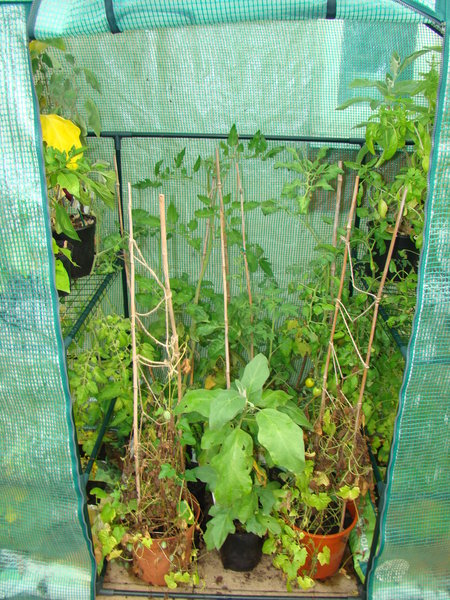
Opening a plastic greenhouse effectively is crucial for maximizing plant growth while maintaining ideal conditions. The timing largely depends on several factors, including temperature, humidity, and the specific needs of the plants you are growing. In general, it is advisable to open a plastic greenhouse during the following periods:
1. Morning Hours: Opening your greenhouse in the morning allows for adequate ventilation and regulates the temperature. This is especially important as the sun rises, and internal temperatures begin to climb.
2. Temperature Checks: Monitor the internal temperature closely. If it exceeds safe limits for your plants (usually around 70°F to 80°F or 21°C to 27°C), it’s time to open the greenhouse. A significant temperature difference between the inside and outside can stress plants.
3. Humidity Levels: High humidity can lead to mold growth and other diseases. If you notice humidity levels rising above 70%, consider opening the doors or vents to promote airflow and reduce moisture.
4. Climate and Weather Conditions: During periods of low winds and cooler temperatures, you might want to keep your greenhouse closed. Conversely, during warm days, especially in spring and summer, it’s essential to provide ventilation by opening your greenhouse.
5. Plant Growth Stages: Different stages of plant growth require varying conditions. Seedlings, for instance, may benefit from a slightly warmer, more humid environment, while mature plants typically thrive in conditions with more ventilation.
Importance of Temperature Control
Maintaining an optimal temperature within your plastic greenhouse is essential for plant health. Beneficial temperatures facilitate photosynthesis and growth, while excessively high temperatures can lead to heat stress. To control temperature:
See also:
- Use thermometers to monitor indoor temperatures.
- Open vents or doors when temperatures exceed 80°F.
- Shade the greenhouse during the hottest parts of the day, using shade cloths if necessary.
Understanding Humidity Levels
Humidity levels play a significant role in plant health within a plastic greenhouse. High humidity can cause problems such as fungal infections and stunted growth. To manage humidity:
- Install hygrometers to keep track of moisture levels.
- Open vents during periods of high humidity to reduce moisture accumulation.
- Consider using fans or dehumidifiers to improve air circulation and lower humidity.
Timing Based on Climate Conditions
The external climate significantly impacts when to open a plastic greenhouse. Understanding local weather patterns can help in decision-making. Here are some tips based on climate:
- In cold climates, wait for the sun’s warmth before opening to maximize heat retention.
- During the hot summer months, it’s often necessary to open greenhouses earlier to prevent overheating.
- Pay attention to wind conditions; closed greenhouse structures are beneficial on windy days to prevent drafts.
Effect of Wind on Ventilation
Wind plays an important role in the ventilation process of your greenhouse. Gentle breezes can help refresh the air, but strong winds can cause chilling. To manage ventilation:
- Open ventilation on the side sheltered from the wind.
- Use windbreaks or barriers to protect the greenhouse if possible.
- Monitor how wind affects internal temperatures and adjust openings accordingly.
Consideration of Plant Requirements
Different plants have varying needs, ranging from temperature tolerance to humidity preferences. Knowing what your plants require allows for better care. To account for plant needs:
- Research specific plant types to understand their temperature and humidity preferences.
- Adjust greenhouse conditions based on plant growth stages; young plants may need more protection.
- Group plants with similar care needs together within the greenhouse for easier management.
Should I leave the greenhouse open during the day?
.jpg)
Leaving the greenhouse open during the day can depend on several factors including temperature, humidity, and the types of plants being grown. Here are some considerations to take into account:
The Benefits of Leaving the Greenhouse Open
Leaving the greenhouse open can provide several advantages:
- Improved Air Circulation: Opening the greenhouse allows for better airflow, which can help prevent fungal diseases that thrive in stagnant air.
- Temperature Regulation: When temperatures rise, an open greenhouse allows for heat dissipation, helping to maintain an optimal climate for your plants.
- Natural Pollination: An open greenhouse enables pollinators such as bees to enter and assist in pollinating your plants, which is essential for fruit-bearing species.
Potential Risks of Leaving the Greenhouse Open
However, there are also potential drawbacks to consider when keeping the greenhouse doors ajar:
- Temperature Fluctuations: Leaving the greenhouse open can lead to rapid temperature changes that may stress sensitive plants, especially during early morning or late afternoon.
- Pests and Critters: An open greenhouse is more susceptible to pests and other animals that can harm your plants.
- Humidity Loss: Plants that prefer high humidity may suffer from dehydration if the greenhouse is too open, especially on hot and breezy days.
Tips for Managing a Greenhouse During the Day
If you decide to keep your greenhouse open, consider these management strategies:
- Monitor Weather Conditions: Keep an eye on the temperature and humidity levels throughout the day to ensure they stay within safe ranges for your plants.
- Use Shade Cloths: Implementing shade cloths can help to filter sunlight while keeping the greenhouse open, protecting plants from overheating.
- Install Screens: Consider putting up screens to keep pests out while still allowing airflow into the greenhouse.
Specific Plant Needs
Different types of plants have varying requirements regarding their environment:
- Temperature-Sensitive Plants: Certain plants, such as orchids or tropicals, may need more controlled conditions and should not be left in open greenhouses for long periods.
- Hardy Plants: Succulents and cacti can generally tolerate more open environments, benefiting from fresh air.
- Seedlings: Young plants are often more vulnerable and may require the greenhouse to remain closed to maintain stable humidity levels.
Timing for Leaving the Greenhouse Open
The time of day can significantly affect whether or not you should leave your greenhouse open:
- Morning and Afternoon: Warmer daytime temperatures may necessitate an open greenhouse, but it’s wise to monitor the internal conditions closely.
- Evening Hours: It’s often better to close the greenhouse in the evening to retain heat and prevent nighttime temperature drops.
- Seasonal Considerations: In hot summer months, keeping the greenhouse open during the day may be beneficial, while in winter, it’s typically better to keep it closed.
At what temperature should I open my greenhouse?

To determine at what temperature you should open your greenhouse, it is essential to consider several factors, primarily the species of plants you are growing and the external weather conditions. Generally, you should aim to open the greenhouse when the interior temperature rises to about 70°F (21°C) or higher, as this is typically the optimal climate for most plants to thrive. Opening the greenhouse at this temperature helps to regulate moisture levels and prevents overheating, which can be detrimental to plant health.
Additionally, it is crucial to monitor the external temperature and humidity levels to ensure that opening the greenhouse will benefit your plants while avoiding stress. If the outside temperature is also rising and approaching this threshold, you should consider ventilation methods such as roof vents and side openings to promote air circulation and stabilize the interior climate.
Understanding the Impact of Temperature on Plant Growth
Plants have specific temperature requirements that affect their growth and development. Knowledge of these ideal conditions can help gardeners create an environment conducive to plant health.
See also:
- Optimal Temperature Ranges: Most plants thrive in temperatures between 65°F (18°C) and 75°F (24°C).
- Effects of High Temperatures: Exceeding 85°F (29°C) can lead to heat stress and hinder plant growth.
- Effects of Low Temperatures: Temperatures below 50°F (10°C) may slow down or stop growth entirely.
Ventilation Techniques for Your Greenhouse
Proper ventilation is key to maintaining an optimal greenhouse environment, especially when temperatures rise. Understanding the best practices ensures plants receive enough airflow.
- Utilizing Roof Vents: Allow hot air to escape from the top, creating a cooling effect.
- Side Ventilation: Open the side panels to promote cross ventilation, enhancing airflow throughout the greenhouse.
- Fans and Circulation: Incorporate fans to circulate air, preventing hot spots and ensuring uniform temperature.
Monitoring Humidity Levels
Aside from temperature, humidity plays a vital role in greenhouse conditions. High humidity levels can create conditions conducive to mold and disease, while low humidity can stress your plants.
- Ideal Humidity Levels: Aim for 40-70% humidity, depending on plant species.
- Using Hygrometers: Monitor humidity levels regularly to make informed decisions about ventilation.
- Adjusting Watering Practices: Modify watering schedules according to humidity to maintain a balanced environment.
Seasonal Considerations for Opening the Greenhouse
Seasonal changes will dictate when you should open your greenhouse for optimal plant care. Adapting your approach based on the season can maximize plant health.
- Spring: Open early on warmer days to promote growth as daytime temperatures rise.
- Summer: Monitor closely for overheating; consider partial openings to maintain temperatures.
- Fall and Winter: Keep greenhouse closed during cooler nights, only venturing on considerably warm days.
Choosing the Right Plants for Your Greenhouse
Not all plants have the same temperature requirements, impacting when you should open the greenhouse. Knowing your plants' needs can guide your decisions effectively.
- Hardy Plants: Tolerant plants like cold crops can handle cooler temperatures and may be ventilated earlier.
- Tender Plants: Delicate varieties require consistent temperatures and should be monitored closely to prevent temperature shock.
- Hybrid Varieties: These may have specific temperature needs, so researching before cultivation is essential.
How often should I open my indoor greenhouse?

To determine how often you should open your indoor greenhouse, several factors come into play, including humidity levels, temperature, the type of plants being grown, and the overall climate of the area. Generally, it is recommended to open your indoor greenhouse at least once a day to allow for fresh air exchange and to prevent the buildup of stagnant air, which can lead to mold and plant diseases. However, the frequency may vary based on specific conditions and plant needs.
Understanding Humidity Levels
Managing humidity is crucial in an indoor greenhouse. High humidity levels can lead to problems such as mold, while low levels can desiccate plants. To properly regulate humidity:
- Use a hygrometer to monitor humidity levels regularly.
- Open the greenhouse more frequently in humid conditions to allow moisture to escape.
- Close the greenhouse during exceptionally dry conditions to retain necessary moisture for your plants.
Temperature Regulation
Temperature is another important factor that affects how often you should open your indoor greenhouse. It’s vital to maintain the right temperature for your plants:
- Open the greenhouse more often during the daytime when temperatures rise excessively.
- Keep it closed during the night to retain warmth, especially in colder climates.
- Consider the type of plants; tropical plants may require more stable temperatures than others.
Type of Plants
Different plants have varying needs, which can influence how frequently the greenhouse should be opened:
- Seedlings may require more ventilation to prevent damping off, so open the greenhouse daily.
- Mature plants can tolerate more humidity, so they may need less frequent ventilation.
- Herbs and vegetables generally thrive in well-aerated environments, hence regular openings help optimize their growth.
Seasonal Considerations
Seasonal changes can affect how often you should ventilate your indoor greenhouse:
- In spring and summer, open your greenhouse more frequently to alleviate heat buildup.
- During fall and winter, ventilation may be less crucial, but check for air stagnation regularly.
- Adjust based on local climate; regions with high rainfall may require more frequent air exchange.
Monitoring Plant Health
Regularly observing your plants can help determine the right frequency for opening your greenhouse:
- If you notice leaf wilting or yellowing, it could indicate poor air circulation.
- Look for signs of mold or mildew, which necessitate more frequent openings.
- Healthy plants generally require less frequent ventilation; adjust accordingly based on their growth patterns.
Questions from Our Readers
Should I open my plastic greenhouse during the day?
Opening your plastic greenhouse during the day can be beneficial, as it allows for greater airflow and reduces humidity levels. However, it is important to monitor temperature fluctuations, as too much heat can damage your plants.
What are the advantages of opening my greenhouse during the day?
One major advantage of opening your greenhouse during the day is the improved air circulation, which helps to prevent mold and disease. Additionally, it can aid in pollination if you have flowering plants inside, enhancing overall plant health.
Is it safe to leave my greenhouse open all day?
Leaving your greenhouse open all day can be safe, but you should consider your local weather conditions. If temperatures are extremely high or if there are strong winds, it may be better to keep it closed to protect your plants from stress and potential damage.
How do I know when to open my greenhouse?
You should open your greenhouse when the temperature inside exceeds the ideal range for your plants, typically around 70°F to 80°F (21°C to 27°C). Use a thermometer to monitor conditions, and always close it if temperatures drop or extreme weather is expected.
See also:

If you want to read more articles like Should I Open My Plastic Greenhouse in the Day? Essential Tips for Optimal Plant Growth, we recommend you check out our Garden category.
Leave a Reply
Related Articles