Which Way Does a Greenhouse Need to Face? A Guide to Optimal Orientation for Plant Growth

When setting up a greenhouse, its orientation plays a crucial role in optimizing plant growth. The direction a greenhouse faces can significantly impact light exposure, temperature regulation, and overall plant health. This guide explores the best practices for positioning a greenhouse to maximize sunlight intake while minimizing heat loss. By understanding the effects of different orientations in relation to the sun’s path, gardeners can create a more efficient and productive growing environment. Whether you're a seasoned horticulturist or a novice gardener, this comprehensive overview will help you choose the ideal orientation for your greenhouse.
Which Direction Should a Greenhouse Face?
To maximize the amount of natural light that enters a greenhouse, it is essential that it faces in the right direction. Ideally, a greenhouse should be oriented so that its longest side faces south, allowing for the greatest exposure to sunlight throughout the day, particularly in the winter months when the sun is lower in the sky. This orientation helps to maintain optimal temperatures inside the greenhouse and encourages healthy plant growth. Depending on the geographical location, slight adjustments to this positioning may be necessary; for example, in regions with exceptionally high temperatures, a slight tilt towards the east can help reduce overheating during the hottest part of the day.
Benefits of a South-Facing Greenhouse
A south-facing greenhouse provides numerous benefits as it allows for the maximum absorption of solar energy. This orientation leads to more consistent and prolonged light exposure, which is crucial for photosynthesis and the overall health of plants. The increased light also helps to maintain stable temperatures, reducing the need for additional heating during colder months. Furthermore, this orientation can be advantageous for extending the growing season, as it aids in warming the soil and air within the structure.
Considerations for Other Orientations
In certain cases, it may be beneficial to orient a greenhouse differently based on local climate conditions and seasonal sun angles. For instance, a southeast or southwest orientation can be useful in hotter climates, helping to prevent excessive heat during peak sunlight hours while still providing ample morning or afternoon light. In areas with harsh winters, a west-facing orientation can capture the midday sun to warm the interior during the coldest part of the day. Therefore, evaluating local weather patterns is crucial for determining the best greenhouse orientation.
Impact of Geography on Greenhouse Orientation
The geographical location significantly influences the ideal orientation of a greenhouse. In northern latitudes, where the sun travels a lower path across the sky, a greenhouse should typically face south to capitalize on available light. Conversely, in tropical regions, where the sun is nearly directly overhead, orienting the greenhouse with a slight tilt may help manage heat better. Understanding the local climate and sun trajectory throughout the year is vital for ensuring that the greenhouse gets enough light while minimizing heat stress on plants.
See also:
Adjustments for Seasonal Changes
Throughout the year, the sun's position in the sky changes, leading to varying light levels. Many greenhouse enthusiasts implement seasonal adjustments, such as adding shading structures during summer months, to protect plants from intense heat while still allowing for essential light exposure. Additionally, installing reflective materials on the greenhouse's sides can help redirect light during seasons when sunlight is less intense. These adaptations ensure that the interior environment remains conducive to plant growth all year round.
Using Technology to Optimize Orientation
Modern technology can be a valuable asset in determining the best orientation for a greenhouse. Tools such as solar pathfinders and digital simulation software can help assess how sunlight will interact with a greenhouse design throughout the seasons. Monitoring systems, such as temperature and humidity sensors, can also provide insights that influence adjustments to structure and orientation. By leveraging technology, greenhouse owners can create an environment that maximizes plant health and yield while minimizing energy costs.
| Aspect | South-Facing | Southeast/ Southwest | West-Facing |
|---|---|---|---|
| Light Exposure | Maximum | Adequate | Midday Focus |
| Heat Management | Optimal Cooler | Reduced Overheating | Good Temperature Control |
| Seasonal Adjustments | Less Needed | Moderate | Frequent |
The Importance of Sunlight Exposure in Greenhouse Orientation
The optimal orientation of a greenhouse can significantly enhance plant growth by maximizing sunlight exposure throughout the year. Generally, positioning the greenhouse with its longest side facing south is recommended in the Northern Hemisphere, as this allows for the greatest amount of direct sunlight to enter during the winter months when the sun is lower in the sky. By increasing the natural light available to the plants, you can promote better photosynthesis, leading to healthier plants and improved crop yields.
Understanding Seasonal Sun Path
The seasonal sun path varies depending on your geographical location, and understanding it is crucial for greenhouse orientation. During summer, the sun takes a higher path, while in winter, it sits lower on the horizon. By aligning your greenhouse to capture the sun’s trajectory, especially by leveraging south-facing aspects, you can ensure that your plants receive adequate light year-round, optimizing their growth conditions regardless of the season.
Factors Influencing Light Quality
The quality of light your plants receive is influenced by various factors, including the location of nearby structures, trees, and terrain. These features can create shadows that diminish sunlight exposure and light intensity. It’s important to assess the surroundings of your intended greenhouse site to minimize obstructions, thereby creating a more favorable environment for plant health and productivity.
See also:
The Role of Wind Protection
Wind can be a significant factor affecting greenhouse conditions, as excessive wind can lead to temperature fluctuations and increased transpiration rates in plants. When considering orientation, think about the prevailing wind direction in your area. Planting windbreaks or using natural barriers can help protect the greenhouse from strong winds, allowing for a more stable indoor climate that fosters optimal growth conditions.
Considerations for Winter Gardening
If you plan to grow plants during the winter months, the greenhouse orientation becomes even more critical. A south-facing orientation is particularly advantageous as it maximizes sunlight absorption when temperatures are cooler. Additionally, using materials with good insulating properties and ensuring proper positioning against the chilling winter winds can help maintain a warm environment conducive to healthy plant growth despite the harsh external conditions.
Other Environmental Factors
In addition to sunlight and wind, other environmental factors such as humidity, temperature, and drainage should also be considered when orienting a greenhouse. Understanding your local climate will allow you to create a microenvironment that can better support your plants’ needs. For instance, if your area experiences high humidity, it may be essential to facilitate air circulation while positioning your greenhouse to take advantage of natural ventilation and heat retention, thus promoting healthier growth and reducing disease risks.
Questions from Our Readers
Which way should a greenhouse face for optimal sunlight?
The best orientation for a greenhouse is south-facing, as this allows it to receive the maximum amount of sunlight throughout the day. A south-facing greenhouse captures morning and afternoon sun, enhancing plant growth and stability.
Does the climate affect the direction a greenhouse should face?
Yes, climate plays a significant role in determining the ideal greenhouse orientation. In colder climates, a south-facing direction can help harness warmth, while in hotter climates, a slight east or west orientation might be preferred to avoid overheating during peak sun hours.
See also:
Are there benefits to angling a greenhouse instead of facing it directly south?
Even with limited space, the orientation of your greenhouse is still important. Try to position it to maximize sunlight and minimize shading from nearby structures or vegetation, adjusting the angle if necessary to improve light capture for your plants.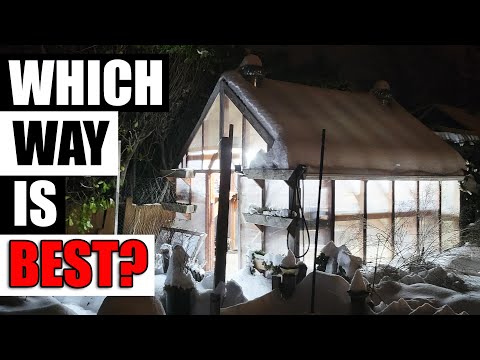
If you want to read more articles like Which Way Does a Greenhouse Need to Face? A Guide to Optimal Orientation for Plant Growth, we recommend you check out our Garden category.
Leave a Reply
Related Articles