Is a Greenhouse Good for Vegetables? Exploring Benefits and Tips for Successful Gardening
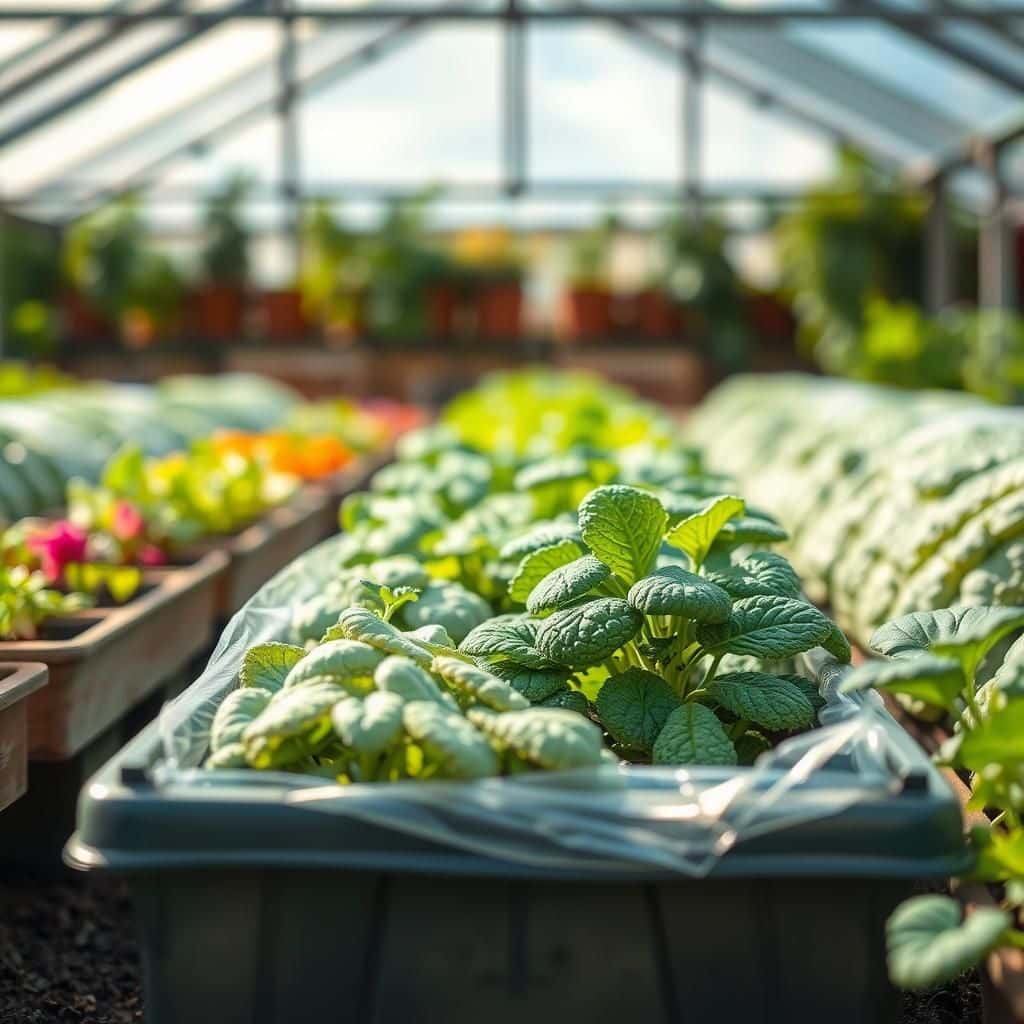
Greenhouses have become increasingly popular among gardening enthusiasts, providing an ideal environment for growing vegetables year-round. By offering protection from harsh weather conditions and pests, a greenhouse creates a controlled space where gardeners can optimize growth and yield. This article explores the numerous benefits of using a greenhouse for vegetable gardening, such as temperature regulation, extended growing seasons, and enhanced plant health. Additionally, we will share essential tips for successful greenhouse gardening, helping you maximize your harvest and enjoy the fruits of your labor. Whether you're a beginner or an experienced gardener, discover how a greenhouse can transform your vegetable gardening experience.
Is a Greenhouse Good for Vegetables?
A greenhouse can be an excellent environment for growing vegetables, as it provides controlled conditions that can enhance growth and yield. By regulating temperature, humidity, and light, a greenhouse allows for an extended growing season, enabling gardeners to cultivate a wider variety of produce year-round. Additionally, it protects against pests and diseases that may threaten outdoor crops, making it easier to grow healthy and vibrant vegetables. The use of a greenhouse also facilitates better water management, reducing evaporation and ensuring that plants receive the moisture they need.
Benefits of Growing Vegetables in a Greenhouse
Growing vegetables in a greenhouse offers numerous benefits, including an extended growing season and protection from extreme weather conditions. The controlled environment helps maintain optimal temperatures and humidity levels, which are crucial for the growth of many vegetables. Furthermore, this situation allows gardeners to start seeds earlier in the spring and continue growing later into the fall, ultimately increasing the productivity of their gardens. With the ability to regulate environmental factors, growers can achieve better quality harvests and potentially larger yields as well.
Types of Greenhouses for Vegetable Gardening
There are several types of greenhouses suitable for vegetable gardening, including lean-to, gable, and hoop houses. Lean-to greenhouses are attached to existing structures and provide shelter while maximizing space, whereas gable greenhouses feature a peaked roof that helps with water drainage and snow load. Hoop houses, on the other hand, are more temporary structures made of plastic over a frame of hoops and can be easily set up and taken down for seasonal use. Each type has its advantages and can be chosen based on available space, budget, and specific gardening goals.
Considerations for Ventilation and Temperature Control
Proper ventilation and temperature control are critical for the success of a greenhouse when growing vegetables. Without adequate air circulation, excess heat and humidity can accumulate, leading to fungal diseases and stressed plants. Installing vents, fans, or using automated systems can help regulate the internal climate effectively. Additionally, monitoring the temperature is essential, as different vegetables have varying temperature requirements for optimal growth. By ensuring a comfortable environment, gardeners can promote healthy plant development and maximize their yields.
Pest Management in Greenhouses
Managing pests in a greenhouse can be more straightforward than in traditional outdoor gardens, due to the controlled environment. Beneficial insects, such as ladybugs and lacewings, can be introduced to help manage populations of common pests like aphids and whiteflies. Additionally, various organic pest control methods can be employed, such as neem oil or insecticidal soap, to combat infestations without harming the plants or the environment. Implementing integrated pest management strategies can significantly reduce the likelihood of pest problems and support the growth of healthy vegetables.
Cost Considerations for Greenhouse Gardening
Investing in a greenhouse involves several cost considerations, including initial purchase, installation, and ongoing maintenance. The price can vary significantly based on the size, type, and materials used in construction. However, many gardeners find that the long-term benefits, such as increased vegetable production and better quality crops, can offset these initial expenses. It's also essential to factor in heating, cooling, and watering systems, as they contribute to the operational costs of greenhouse gardening. Ultimately, a well-planned budget can enhance the profitability and sustainability of greenhouse vegetable gardening.
| Greenhouse Type | Advantages | Ideal For |
|---|---|---|
| Lean-To | Space-efficient, easy access | Small gardens and urban settings |
| Gable | Good water drainage, sturdy | All types of vegetables |
| Hoop House | Cost-effective, quick setup | Seasonal and beginner gardeners |
What are the disadvantages of a greenhouse?
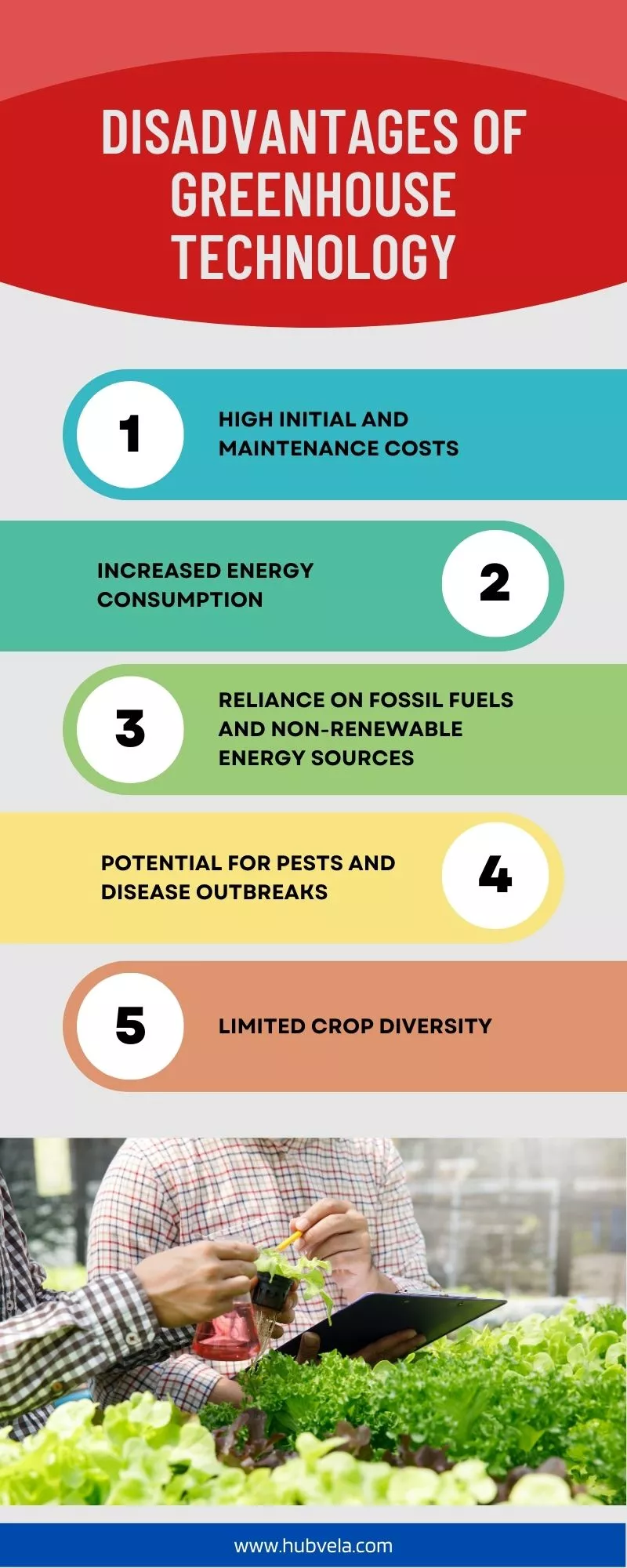
Greenhouses are widely used to extend the growing season and create optimal conditions for plants. However, they come with their own set of disadvantages that potential users should consider. Here are some of the key drawbacks associated with greenhouses.
Initial Cost of Construction
The initial cost of building a greenhouse can be quite high. This includes expenses for materials, labor, and permits. Many factors contribute to these costs, such as:
See also:
- Materials: High-quality glass or polycarbonate panels can significantly increase the cost.
- Labor: Hiring professionals to construct a greenhouse can add to the overall expense.
- Site Preparation: Clearing and preparing the land for installation may incur additional costs.
Maintenance Requirements
Regular upkeep is necessary to ensure that a greenhouse remains functional and effective. Maintenance can involve:
- Cleaning: Glass panels need regular cleaning to allow sunlight to penetrate.
- Repairing: Over time, materials may deteriorate or sustain damage, necessitating repairs.
- Climate Control: Maintaining the right temperature and humidity levels can require ongoing adjustments and monitoring.
Temperature Regulation Challenges
Managing the internal climate of a greenhouse can be challenging. Some issues include:
- Overheating: On sunny days, temperatures can quickly rise, potentially harming plants if not ventilated properly.
- Cooling Requirements: Cooling systems or fans may be necessary, which adds to the energy costs.
- Humidity Control: High humidity can lead to mold and mildew, requiring careful monitoring and management.
Pest and Disease Management
While greenhouses can protect plants from some external pests, they can also create an isolated environment where pests and diseases thrive. Considerations include:
- Limited Natural Predators: The enclosed space may lack natural pest control agents.
- Quick Spread of Diseases: If a disease enters, it can spread rapidly among plants due to close proximity.
- Increased Dependency on Chemicals: Growers may need to rely more on pesticides and fungicides to manage infestations.
Regulatory and Zoning Issues
Building a greenhouse may involve navigating local regulations and zoning laws, which can present several challenges:
- Permits: Some areas require permits for greenhouse construction, which can be a lengthy process.
- Restrictions: Local zoning laws may limit the size, type, or location of a greenhouse.
- Environmental Considerations: Additional regulations may apply if the greenhouse impacts local wildlife or habitats.
What vegetable grows best in a greenhouse?
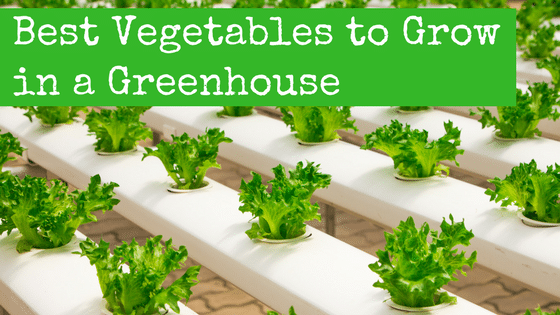
The vegetable that grows best in a greenhouse is often considered to be tomatoes. Greenhouses provide a controlled environment where tomatoes can thrive, thanks to optimal humidity, temperature, and protection from pests. The ability to regulate these factors allows for a longer growing season and healthier plants, leading to higher yields.
Benefits of Growing Tomatoes in a Greenhouse
Growing tomatoes in a greenhouse offers numerous advantages, including:
- Extended Growing Season: Greenhouses allow for earlier planting and later harvesting, giving gardeners a continuous supply of fresh tomatoes.
- Controlled Environment: With temperature and humidity control, plants grow in ideal conditions, reducing the risk of disease.
- Pest Protection: Greenhouses provide a barrier against pests, minimizing the need for chemical pesticides.
Optimal Conditions for Tomato Growth
To ensure tomatoes thrive in a greenhouse, certain conditions must be met:
- Temperature: Ideal temperatures for tomato plants range from 70°F to 85°F during the day and slightly cooler at night.
- Humidity: Maintaining humidity levels between 50% and 70% helps to reduce water stress on plants.
- Lighting: Tomatoes require plenty of sunlight or additional grow lights to achieve optimal growth.
Common Tomato Varieties for Greenhouse Cultivation
Several tomato varieties are particularly well-suited for greenhouse cultivation:
- Cherry Tomatoes: These small, sweet varieties are prolific producers and are perfect for fresh snacking.
- Heirloom Tomatoes: Known for their unique flavors and varieties, heirlooms are popular among gardeners looking to experiment.
- Roma Tomatoes: Ideal for sauces and canning, Roma tomatoes thrive in a greenhouse setting.
Pest and Disease Management in Greenhouses
Managing pests and diseases is crucial for successful tomato cultivation in greenhouses:
See also:
- Regular Monitoring: Checking plants frequently for signs of pests or disease allows for early detection and treatment.
- Beneficial Insects: Introducing beneficial insects like ladybugs can help control pest populations naturally.
- Sanitation Practices: Keeping the greenhouse clean and removing dead plant material reduces disease risks.
Harvesting and Caring for Greenhouse Tomatoes
Proper harvesting and care techniques enhance the quality of greenhouse-grown tomatoes:
- Harvest When Ripe: Tomatoes should be picked when they are fully colored for the best flavor.
- Watering Techniques: Consistent watering is essential; avoid overhead watering to prevent diseases.
- Fertilization: Regular application of balanced fertilizer supports healthy growth and fruit development.
What vegetables not to grow in a greenhouse?
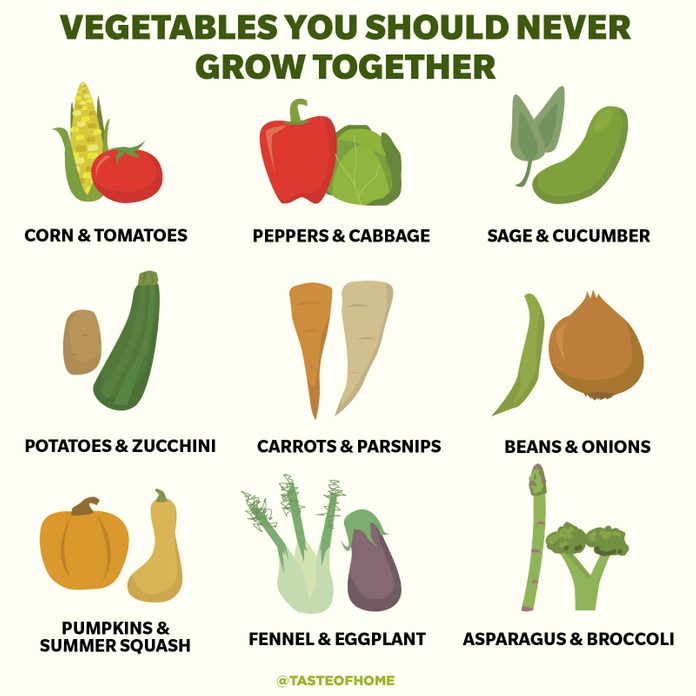
When considering which vegetables to grow in a greenhouse, it is equally important to identify which ones may not thrive in such an environment. Certain vegetables have growth habits, light requirements, or temperature tolerances that make them less suitable for greenhouse cultivation.
1. Root Vegetables
Root vegetables, such as carrots, beets, and radishes, often prefer to grow in outdoor soil where they can spread their roots freely. In a greenhouse, the confined space may lead to stunted growth or poor development. Their growth may be restricted, resulting in smaller and less flavorful produce.
- Carrots: They require deep, loose soil to form properly and can be crowded in a greenhouse setting.
- Beets: Similar to carrots, they may not have enough room to grow, leading to undersized roots.
- Radishes: Rapid growth requires optimal conditions that might not be consistent in a closed environment.
2. Large Leafy Greens
Large leafy greens such as kale, collard greens, and cabbage can often become too large and unwieldy for greenhouse conditions. They may require substantial space and airflow to grow healthily, which greenhouses can sometimes restrict.
- Kale: While it can grow in a greenhouse, reduced airflow can lead to diseases.
- Collard greens: They need ample room for their broad leaves, which can become a challenge in confined spaces.
- Cabbage: The bulky heads they produce may also suffer from limited space and air circulation.
3. Brassicas
Brassicas, including broccoli, cauliflower, and Brussels sprouts, can struggle in greenhouse settings due to temperature fluctuations and potential pest issues. These plants often prefer cooler growing conditions, which can be hard to maintain consistently inside a greenhouse.
- Broccoli: Sensitive to temperature changes, they may bolt prematurely in a heated environment.
- Cauliflower: Requires specific conditions to form the curds, which may not be achievable in a greenhouse.
- Brussels sprouts: They often need direct sunlight and cooler temperatures to develop properly.
4. Legumes
Growing peas and beans in a greenhouse can present issues as these plants often need well-drained soil and cooler conditions to thrive. A greenhouse environment may lead to overheating, which can adversely affect their growth.
- Peas: Tend to prefer cool temperatures and may not flourish in the warmer greenhouse atmosphere.
- Beans: Requires proper airflow which can be limited inside a greenhouse, increasing the risk of fungal diseases.
- Lentils: Similar to beans, high humidity levels can lead to poor growth and disease susceptibility.
5. Vegetables with High Pest Attraction
Certain vegetables can attract a significant number of pests, making them less desirable to grow in a greenhouse. Vegetables like tomatoes, cucumbers, and peppers may require more vigilant pest control, as a greenhouse can create ideal breeding conditions for pests that thrive in humid environments.
- Tomatoes: While commonly grown in greenhouses, their susceptibility to pests like aphids demands continuous monitoring.
- Cucumbers: They can attract spider mites and whiteflies, which proliferate in the greenhouse environment.
- Pepper plants: Also face similar pest issues, requiring consistent inspection and management.
Questions from Our Readers
Is a greenhouse good for growing vegetables?
Yes, a greenhouse is beneficial for growing vegetables as it provides a controlled environment that can protect plants from adverse weather conditions, pests, and diseases. This controlled setting allows for longer growing seasons and can lead to higher yields.
What are the advantages of using a greenhouse for vegetables?
Some of the key advantages of using a greenhouse for vegetables include improved temperature regulation, protection from harsh weather, and enhanced light conditions. Additionally, this setup can facilitate more efficient water usage and can help extend the growing season significantly.
See also:
Can all vegetables be grown in a greenhouse?
While most vegetables can be grown in a greenhouse, some may thrive better than others depending on the specific climate and temperature conditions you maintain inside. Leafy greens, tomatoes, and peppers are popular choices, while root vegetables may require different conditions.
Do greenhouses require a lot of maintenance?
Greenhouses do require maintenance, but it can vary depending on the structure and materials used. Regular tasks include ensuring proper ventilation, temperature control, and monitoring for pests and diseases, but with good management, they can be relatively easy to maintain.

If you want to read more articles like Is a Greenhouse Good for Vegetables? Exploring Benefits and Tips for Successful Gardening, we recommend you check out our Garden category.
Leave a Reply
Related Articles