Should I Put Fans in My Greenhouse? Discover the Benefits and Tips for Optimal Airflow
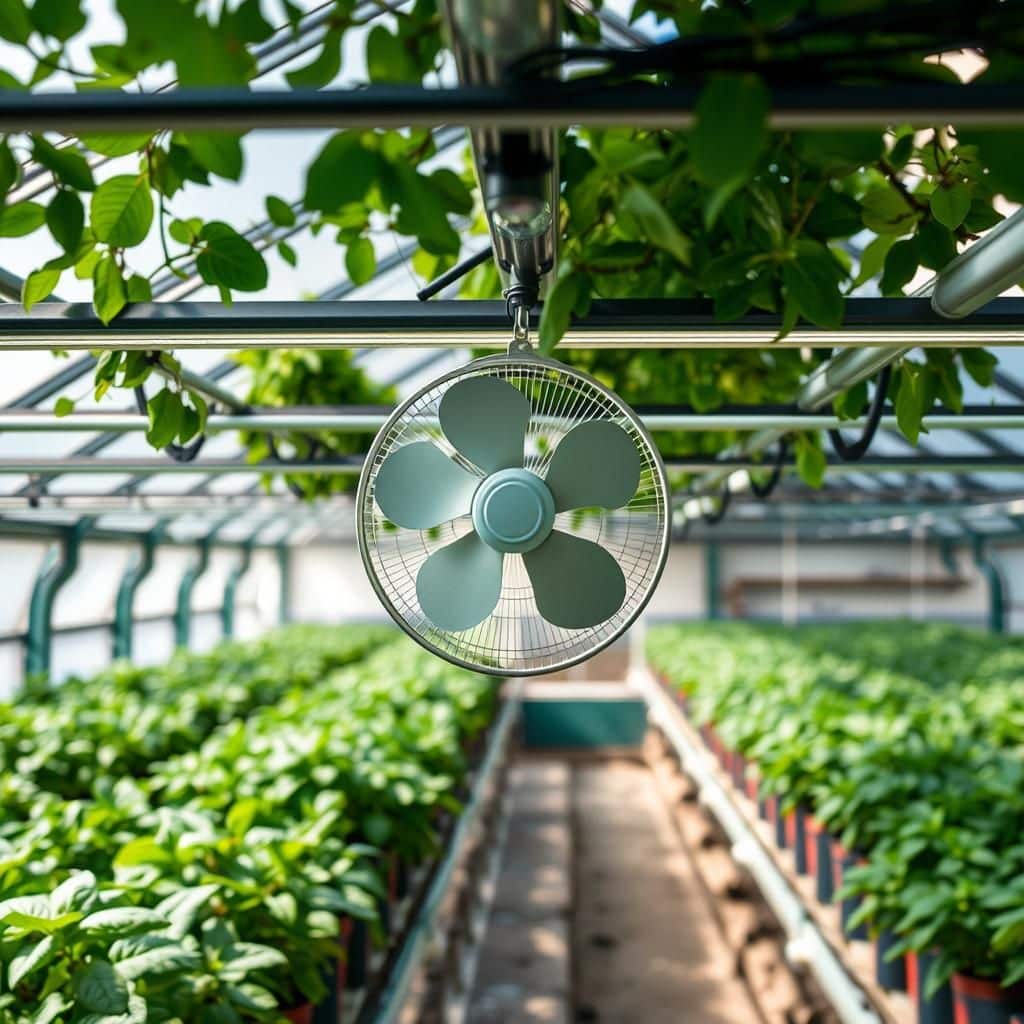
Maintaining the ideal environment in a greenhouse is essential for healthy plant growth, and one of the key factors is airflow. Many greenhouse owners wonder whether installing fans is necessary. This article explores the benefits of adding fans to your greenhouse setup, including improved temperature regulation, humidity control, and enhanced pollination. Additionally, we'll provide practical tips for optimal fan placement and operation to ensure your plants thrive. Whether you’re a seasoned gardener or just starting, understanding airflow dynamics can significantly impact your greenhouse’s productivity and overall plant health. Dive in to discover how the right ventilation can transform your growing space.
Should I Install Fans in My Greenhouse?
Installing fans in your greenhouse can significantly enhance the growing conditions for your plants. Adequate air circulation is crucial to maintaining optimal temperature and humidity levels, which can help prevent issues such as mold and mildew, as well as promote healthier plant growth. Fans can facilitate the exchange of stale air with fresh air, thus improving the overall environment. Moreover, by regulating temperature during hot days and ensuring even distribution of warmth during cooler temperatures, fans can lead to more consistent growth rates. The strategic placement of fans not only ensures efficient airflow but also mitigates the risk of heat stress, ultimately fostering a thriving greenhouse ecosystem.
Benefits of Air Circulation
Air circulation is essential in a greenhouse as it prevents hot spots and enhances gas exchange, which is crucial for photosynthesis. By using fans, you can maintain a more consistent temperature throughout the space, thereby reducing stress on your plants. Additionally, good air movement helps to lower humidity levels, which can decrease the risk of fungal diseases, a common concern in closed environments.
Temperature Control
Fans play a vital role in temperature control within a greenhouse, particularly during the peak of summer when excessive heat can harm sensitive plants. By circulating air, fans help to distribute warmth during cooler periods and dissipate heat during warmer spells. This balance not only protects your plants from heat stress but also optimizes their growth by maintaining a stable temperature range conducive to their needs.
Humidity Management
Managing humidity levels is another significant factor in greenhouse maintenance. High humidity can promote the growth of mold and mildew, which can lead to plant diseases. Installing fans creates airflow that reduces humidity by facilitating evaporation and increasing transpiration rates among plants, thus keeping the environmental conditions within ideal parameters for healthy plant growth.
Energy Efficiency Considerations
While fans are an investment, they can also contribute to energy efficiency in your greenhouse. By helping to manage temperature and humidity, fans reduce the need for additional heating or cooling systems, which can lead to lower energy costs in the long run. Selecting the right type of fan and using it strategically can optimize energy use, making your greenhouse more sustainable.
Placement and Type of Fans
The placement and type of fans you choose are critical to maximizing their effectiveness in your greenhouse. Ceiling-mounted fans can provide even airflow throughout the space, while oscillating fans can target specific areas. Additionally, exhaust fans can help expel stale air, and intake fans can facilitate fresh air entry. Assessing your greenhouse's size, shape, and ventilation needs will guide your decisions on fan configuration and placement.
| Aspect | Importance |
|---|---|
| Air Circulation | Prevents hot spots and enhances gas exchange. |
| Temperature Control | Protects plants from heat stress and maintains stable growth. |
| Humidity Management | Reduces the risk of mold and fungal diseases. |
| Energy Efficiency | Reduces energy costs over time by managing climate effectively. |
| Fan Placement | Optimizes airflow and provides targeted ventilation. |
Where is the best place to put a fan in a greenhouse?
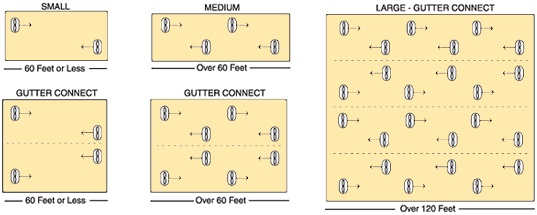
The best place to put a fan in a greenhouse is essential for maintaining optimal growing conditions for plants. Proper airflow helps regulate temperature and humidity levels, which are crucial for plant health. Here are a few strategic locations and factors to consider when positioning fans in a greenhouse.
Optimal Locations for Fans
To achieve effective air circulation, place the fan at the highest point of the greenhouse or near the roof vents. This positioning ensures that hot air can be expelled efficiently. Additionally, placing fans on the side walls can help distribute air evenly throughout the growing area. Consider the following options:
- Roof-mounted fans: These can effectively pull out hot air.
- Sidewall fans: Great for circulating air horizontally and maintaining humidity levels.
- Exhaust fans: Essential for removing stale air and bringing in fresh air.
Airflow Direction
The direction of airflow is crucial to ensure that plants receive the necessary breeze. Fans should typically blow air across the plants, not directly at them, to avoid leaf damage. Proper airflow can also assist in pollination and prevent diseases. Key considerations include:
- Angle the fans: Slightly downward to create a gentle breeze.
- Use oscillating fans: To cover a broader area and reduce hot spots.
- Adjust speed settings: Depending on environmental conditions.
Fan Size and Type
Choosing the right size and type of fan is critical for effective air circulation. Smaller fans may be suitable for localized cooling, while larger fans can move more air effectively. Consider these points when selecting fans:
- Blower fans: For high-velocity air movement.
- Exhaust fans: To pull hot air out, especially in summer.
- Misting fans: Help in maintaining humidity while cooling.
Temperature Zones
Understanding the temperature zones within a greenhouse can significantly impact where to place fans. Heat stratification often occurs, with hot air rising to the top. Here are some strategies to manage temperature zones:
See also:
- Locate fans at upper levels: To address hot air accumulation.
- Install near temperature control devices: To enhance their effectiveness.
- Zone-specific fans: Use fans in specific areas that tend to overheat.
Seasonal Adjustments
Seasonal changes require adjustments in fan placement and settings for optimal performance throughout the year. Different strategies may be necessary for summer versus winter months. Consider these adjustments:
- Increase airflow in summer: To promote evaporation and cooling.
- Reduce airflow in winter: To retain heat within the greenhouse.
- Utilize timers: To manage fan operation without manual intervention.
What is the best way to ventilate a greenhouse?
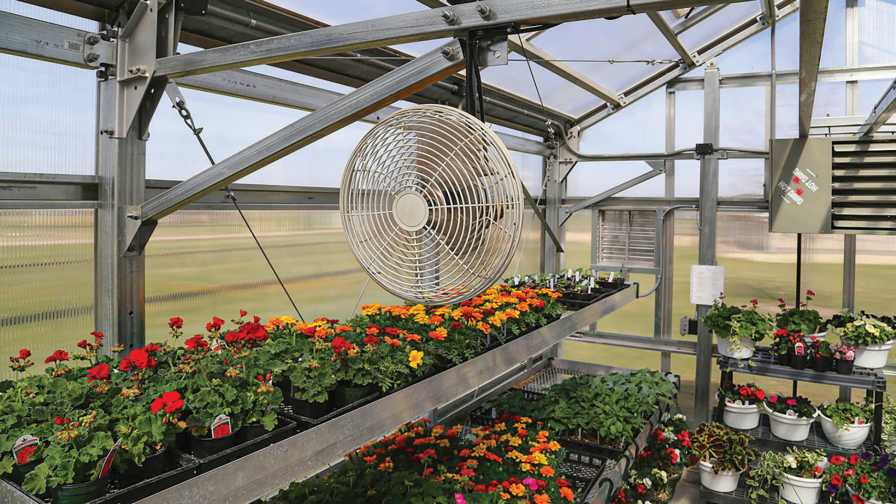
To effectively ventilate a greenhouse, it is crucial to manage temperature and humidity levels, ensuring that plants receive the necessary airflow to thrive. Here are some of the best methods for greenhouse ventilation:
1. Natural Ventilation
Natural ventilation relies on the natural movement of air through the greenhouse, using openings and design features to facilitate airflow. This approach is typically the most cost-effective and environmentally friendly.
- Roof Vents: Installing roof vents at the highest points allows hot air to escape while drawing in cooler air from lower openings.
- Side Vents: Placing horizontal side vents can improve airflow and promote cross-ventilation by allowing air to enter from one side and exit through the other.
- Overhangs: Building overhangs can help protect vents from rain while still allowing air circulation.
2. Mechanical Ventilation
Mechanical ventilation uses fans to ensure air is circulated throughout the greenhouse, especially beneficial in larger structures or when natural ventilation is insufficient.
- Exhaust Fans: Positioning exhaust fans at one end of the greenhouse can effectively pull hot air out, prompting a flow of cooler air from the outside.
- Intake Fans: These can be installed to actively bring in outside air when needed, enhancing the overall air exchange.
- Thermostatic Controls: Using thermostats to control fan operation can automate ventilation and maintain optimal growing conditions.
3. Shade and Orientation
The orientation of a greenhouse plays a significant role in how much heat it retains from the sun. Proper management of sunlight exposure through shading techniques can significantly impact ventilation needs.
- Shade Cloths: Applying shade cloths during the hottest part of the day can reduce internal temperatures, subsequently lessening the need for ventilation.
- Plant Placement: Strategically placing taller plants to provide shade for smaller ones can create a more balanced climate and require less ventilation.
- Orientation: Positioning the greenhouse to minimize sun exposure during peak hours while maximizing airflow will improve both temperature control and ventilation.
4. Humidity Control
Humidity is a crucial factor in plant health, and managing it effectively through ventilation is essential.
- Humidity Sensors: Using sensors can help monitor moisture levels and automate ventilation openings based on real-time data.
- Dehumidifying Fans: Installing fans specifically designed to reduce humidity can assist in regulating the overall environment.
- Regular Monitoring: Keeping track of humidity levels helps inform when changes to the ventilation system are necessary to promote a healthier growing environment.
5. Seasonal Adjustments
Different seasons bring unique challenges for greenhouse ventilation. Adapting the ventilation strategy according to seasonal changes is vital for maintaining optimal conditions.
- Winter Ventilation: Reducing openings during colder months can help retain heat while ensuring sufficient airflow to prevent fungal growth.
- Summer Adjustments: Increasing vent openings in the summer can help manage the higher heat levels that typically occur.
- Seasonal Fans: Deploying temporary fans or additional equipment based on seasonal needs can enhance the effectiveness of the ventilation system.
Do fans lower humidity in a greenhouse?
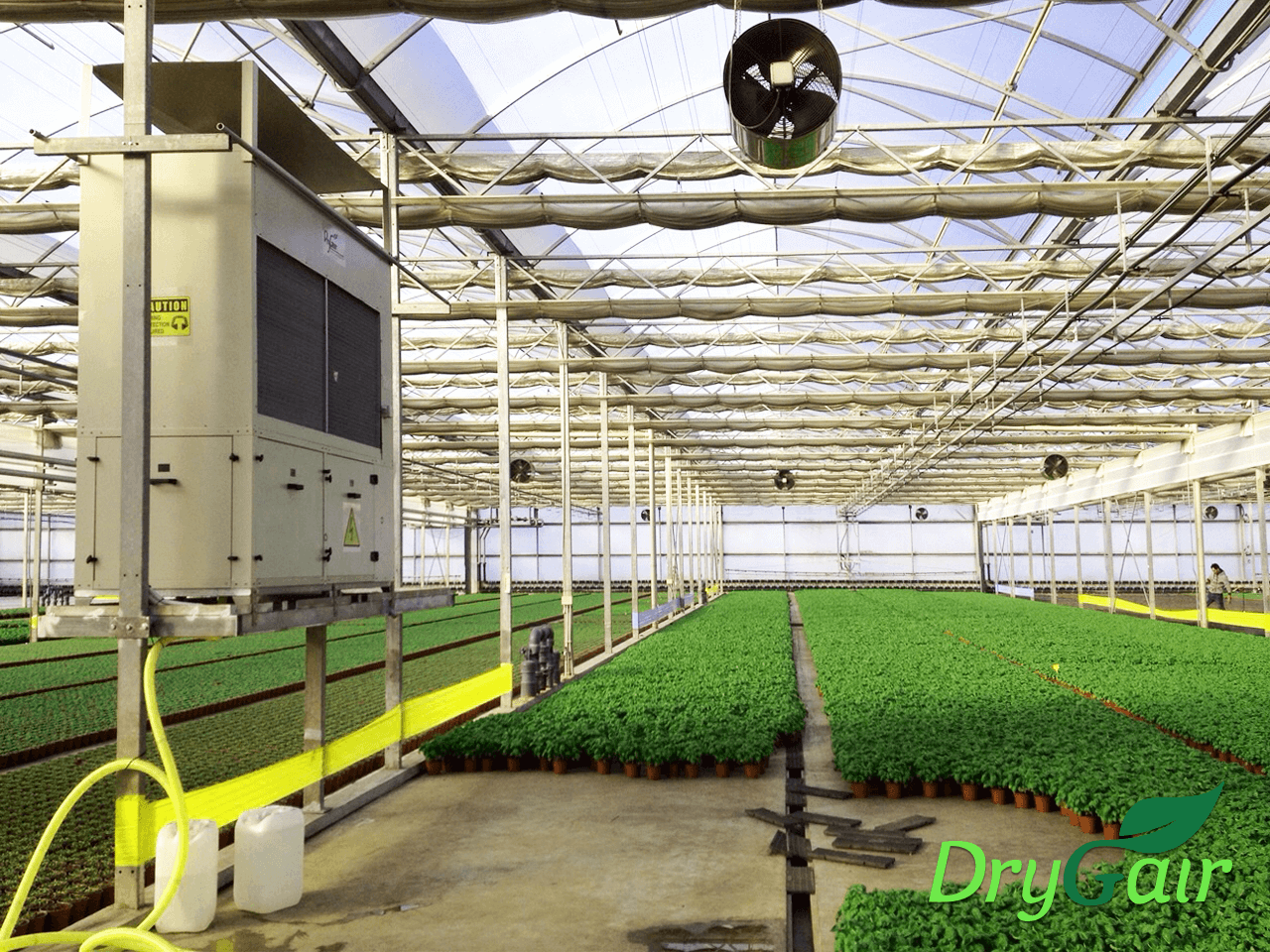
Yes, fans can play a significant role in lowering humidity levels in a greenhouse. By promoting air circulation and facilitating the evaporation of excess moisture, fans help to maintain a better balance of humidity and prevent conditions that are conducive to disease and plant stress. Below are several related topics that explain how fans contribute to this process, along with additional considerations for effective greenhouse management.
How Do Fans Reduce Humidity?
Fans reduce humidity primarily through air circulation. When air circulates, it promotes the evaporation of water from plant leaves and the soil surface. This mechanism works as follows:
- Increased Evaporation: By moving air over moist surfaces, fans help to increase the rate of evaporation.
- Air Exchange: Fans can aid in the exchange of humid air within the greenhouse with drier air from outside.
- Temperature Regulation: As air circulates, it can also help to lower the temperature, thereby reducing the total moisture-carrying capacity of the air.
Optimal Fan Placement for Humidity Control
The placement of fans is critical for effective humidity control in a greenhouse. Strategic positioning can maximize airflow and enhance evaporation:
- Near Wet Areas: Positioning fans near water sources or areas of high moisture can help in quicker drying.
- Opposite Vents: Placing fans opposite to ventilation openings aids in creating cross-ventilation, improving overall air movement.
- Bottom Placement: Fans installed at ground level can push humid air upwards, promoting its exchange with drier air above.
Types of Fans Used in Greenhouses
Different types of fans can serve distinct purposes in managing humidity levels in a greenhouse:
See also:
- Exhaust Fans: These are used to pull humid air out of the greenhouse, replacing it with drier air.
- Circulation Fans: These fans help to distribute air evenly throughout the greenhouse, preventing stagnant pockets of humid air.
- Intake Fans: These are used to draw in outside air, which can help to reduce humidity levels if the external air is drier.
Factors Affecting Humidity and Fan Efficiency
Several factors can influence the effectiveness of fans in lowering humidity levels in a greenhouse:
- External Weather Conditions: High humidity days outside can limit the effectiveness of fans.
- Plant Watering Practices: Overwatering can increase humidity levels significantly, necessitating more air movement.
- Ventilation Systems: The integration of fans with proper ventilation systems enhances their efficacy in humidity control.
Complementary Strategies for Managing Humidity
While fans are effective, other strategies can complement their use for better humidity control:
- Dehumidifiers: These devices can be used in conjunction with fans to actively remove moisture from the air.
- Watering Schedule: Adjusting watering times to early morning can reduce moisture buildup during the day.
- Humidity Sensors: Implementing sensors to monitor humidity levels lets growers respond proactively to changes.
How big of a fan do I need for my greenhouse?
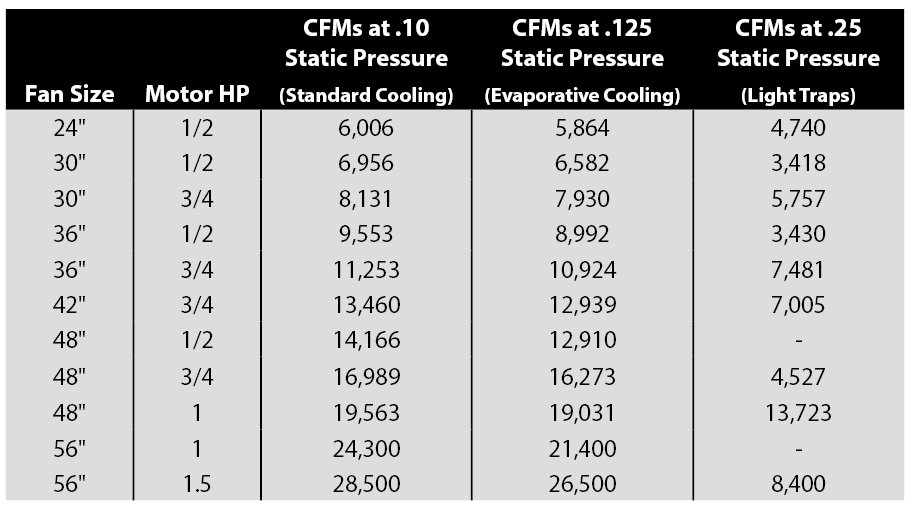
To determine how big of a fan you need for your greenhouse, several factors come into play, including the size of the greenhouse, the type of plants you are growing, and the climatic conditions in your region. Proper ventilation is crucial for maintaining an optimal growing environment. Here’s a detailed breakdown of how to choose the right fan size for your greenhouse.
Understanding Greenhouse Ventilation Needs
Ventilation is key to regulating temperature and humidity levels within the greenhouse. Fans help to circulate air, remove excess heat, and keep humidity in check, which is essential for healthy plant growth. A well-ventilated greenhouse prevents the buildup of diseases and promotes a stable environment for your plants.
- Air Exchange Rate: Consider how often air needs to be replaced in your greenhouse. The average recommendation is to achieve at least one complete air exchange every 1-3 minutes.
- Heat Load: Evaluate the heat load created by sunlight and the heat generated by plants. This will influence the size and power of the fan needed.
- Humidity Levels: High humidity can lead to mold and diseases; ensure the fan is capable of reducing moisture levels efficiently.
Calculating Fan Size for Your Greenhouse
When calculating the required fan size, you need to take into account the volume of your greenhouse in cubic feet and the recommended air exchange rate.
- Measure Dimensions: Calculate the length, width, and height of your greenhouse to find its total cubic volume.
- Determine CFM Requirement: Use the formula CFM (Cubic Feet per Minute) = (Cubic Foot Volume x Air Exchange Rate) / 60. This will give you the minimum CFM needed.
- Safety Margin: Always consider a safety margin by selecting a fan that exceeds the calculated CFM by around 10-20% to ensure efficient air circulation under varying conditions.
Types of Fans Suitable for Greenhouses
There are various types of fans that can be utilized in greenhouses, each serving distinctive purposes. Understanding the different types will help you decide the best fit for your needs.
- Exhaust Fans: Designed to push warm air out, they are typically mounted on the roof or walls of the greenhouse.
- Circulation Fans: These are used to keep air moving within the greenhouse, preventing hot or humid spots and ensuring even temperatures.
- Intake Fans: These fans work to pull in cool air from outside when exhaust fans are active.
Considerations Based on Plant Types
Different plants have varying needs concerning temperature and humidity. Therefore, the type of plants in your greenhouse will influence fan size and placement.
- Tropical Plants: Require higher humidity and temperature, necessitating better airflow systems to regulate conditions.
- Succulents and Cacti: Prefer lower humidity, and thus fans should work to enhance ventilation without creating excessive moisture.
- Vegetables and Fruits: Generally need consistent temperature and humidity levels, making it crucial to select a fan with adjustable settings for flexibility.
Additional Factors Influencing Fan Size
There are several environmental and structural factors that can affect the size of the fan you need for your greenhouse.
- Location: The climate in your area can dictate how much cooling is needed; hotter climates necessitate larger or more powerful fans.
- Seasonal Changes: Changes in outside temperature and humidity levels throughout the year might require variable fan settings.
- Greenhouse Orientation: A well-oriented greenhouse may require less cooling than one poorly positioned against sunlight, affecting fan size needs.
Questions from Our Readers
Should I put fans in my greenhouse?
Yes, fans can be highly beneficial in a greenhouse. They help with air circulation, maintain a more stable temperature, and can reduce the risk of disease by minimizing humidity levels.
What type of fans are best for greenhouses?
The best type of fans for greenhouses are exhaust and oscillating fans. Exhaust fans help to remove hot air, while oscillating fans promote even air distribution, helping to prevent hot spots and ensuring that all plants receive adequate airflow.
How many fans do I need for my greenhouse?
The number of fans needed depends on the size of your greenhouse. A general rule of thumb is to have one exhaust fan for every 200 to 400 square feet of space, with additional oscillating fans as needed for better air movement.
Will fans increase my energy costs?
While using fans in your greenhouse may slightly increase your energy costs, their benefits, such as improved plant health and growth, often outweigh these expenses. Additionally, fans can help reduce the need for heating or cooling, potentially saving you money in the long run.
See also:

If you want to read more articles like Should I Put Fans in My Greenhouse? Discover the Benefits and Tips for Optimal Airflow, we recommend you check out our Garden category.
Leave a Reply
Related Articles