What is the Best Thing to Plant After Garlic? A Guide to Optimal Crop Rotation
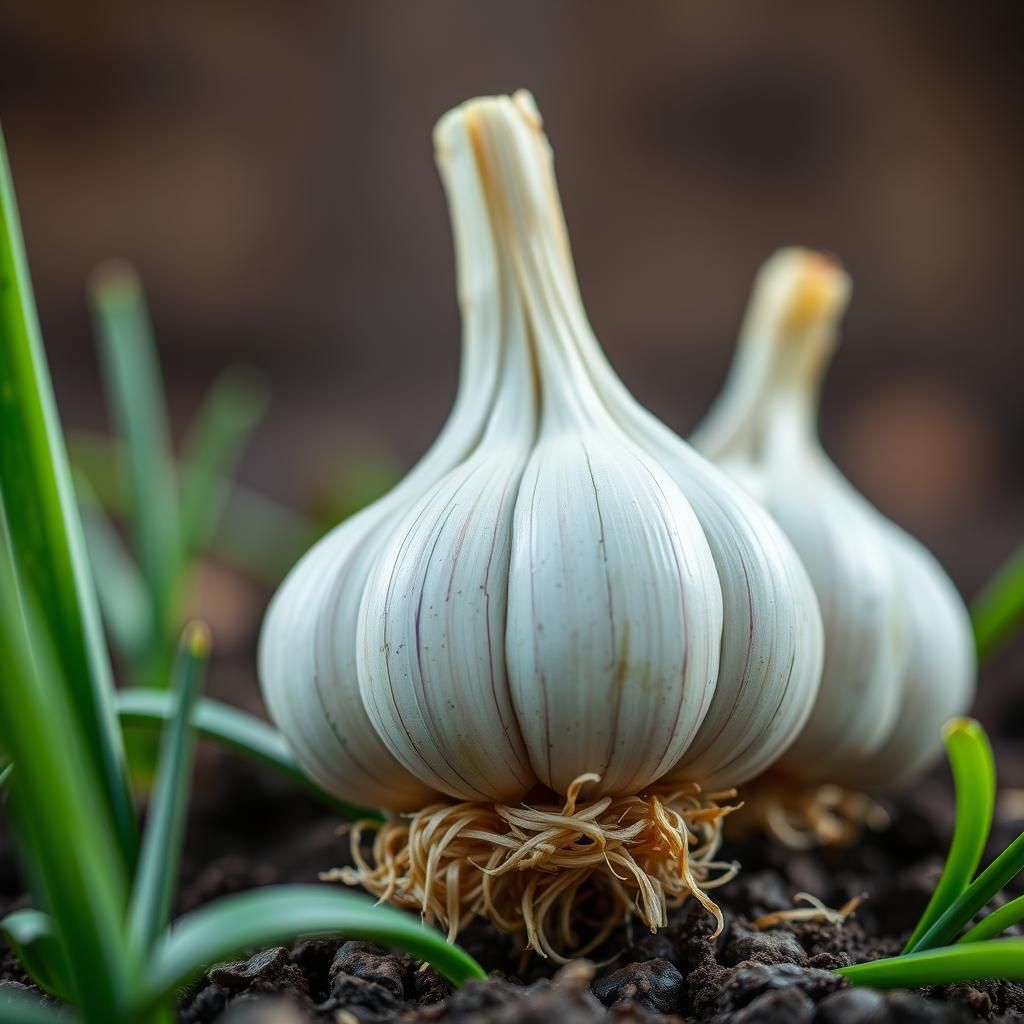
Garlic is a popular crop known for its flavor and health benefits, but its cultivation also presents unique challenges for gardeners. One of the most important aspects of gardening is crop rotation, which helps maintain soil health and reduces the risk of pests and diseases. After harvesting garlic, choosing the right follow-up crops can significantly enhance your garden's productivity. In this guide, we will explore the best plants to grow after garlic, considering factors such as nutrient requirements, soil conditions, and compatibility to create a thriving, balanced garden ecosystem. Discover how to optimize your planting strategies for the next growing season.
What to Plant After Garlic: Best Companion Crops
After harvesting garlic, one of the best options to plant is legumes, particularly beans or peas. These crops are known for their ability to fix nitrogen in the soil, which can replenish nutrients depleted during the garlic growth cycle. Not only do legumes enhance soil fertility, but they also benefit from the previous crop residue, creating a healthy planting environment. By rotating garlic with legumes, gardeners can improve soil health, reduce pests, and increase overall yield in successive planting seasons.
Benefits of Planting Legumes After Garlic
Planting legumes, such as beans or peas, after garlic offers numerous agricultural benefits. These crops help to fix nitrogen in the soil, enriching the nutrient content and making it available for subsequent plantings. Additionally, legumes can enhance soil structure due to their root systems, which promotes better water retention and aeration. This symbiotic relationship greatly aids in maintaining soil health and vitality after the nutrient-exhausting period of garlic cultivation.
Best Types of Beans to Plant
When selecting beans to plant after garlic, bush beans and pole beans are excellent choices. Bush beans mature quickly, typically within 50-60 days, and can be harvested before the cold weather sets in. On the other hand, pole beans grow taller and provide a longer harvest period but require trellising for support. Both types will thrive in the soil conditions left by garlic, ensuring a productive growing season while also supporting soil replenishment.
Timing for Planting Following Garlic Harvest
The optimal time to plant after garlic is crucial for successful crops. Generally, garlic is harvested in mid to late summer, depending on the climate. After harvesting, wait a few weeks to allow the soil to rest before planting legumes. Ideally, legumes should be sown in late summer to early fall, giving them enough time to establish roots before colder weather sets in. This timing not only maximizes growth potential but also mitigates the risk of frost.
Soil Preparation Tips
Proper soil preparation after garlic cultivation is essential for maximizing the success of subsequent crops. Start by removing any remaining bulbs and roots, then lightly till the soil to incorporate the organic matter left by garlic. It is advisable to test the soil pH and nutrient levels, applying compost or organic fertilizers if necessary. Doing so will create a fertile environment conducive to the healthy growth of legumes and any other crops planned for the following season.
Pest Management Strategies After Garlic
After garlic, implementing effective pest management strategies is crucial to ensure the success of subsequent crops. Legumes, while beneficial for the soil, can attract specific pests, such as aphids. To mitigate these issues, consider using companion planting techniques, such as planting marigolds or nasturtiums nearby, which can deter harmful insects. Additionally, regularly monitoring the crops and employing organic pest control measures can help maintain healthy plants throughout their growth cycle.
| Crop | Days to Maturity | Nitrogen Fixation |
|---|---|---|
| Bush Beans | 50-60 Days | Yes |
| Pole Beans | 60-70 Days | Yes |
| Peas | 55-70 Days | Yes |
What crop to rotate with garlic?


To effectively rotate crops with garlic, it is essential to choose plants that do not compete for the same nutrients and help manage soil health. Garlic is a member of the Allium family, which includes onions and leeks. Therefore, rotating it with crops from different families can reduce the risk of disease and nutrient depletion. Here are some suggested crops to rotate with garlic:
1. Legumes: Beans and peas are excellent choices as they fix nitrogen in the soil, improving its fertility for the following crops.
2. Brassicas: Cabbage, broccoli, and kale can be rotated with garlic to help control pests and diseases that typically affect alliums.
3. Root Vegetables: Carrots, beets, and radishes can help break up the soil while not competing for the same nutrients as garlic.
4. Leafy Greens: Spinach and lettuce can be good companions as they mature quickly and do not require the same long growing season as garlic.
5. Nightshades: Tomatoes and peppers can be beneficial, but they should not be planted immediately after garlic due to potential soilborne diseases.
Benefits of Rotating with Legumes
Rotating garlic with legumes provides numerous benefits. These plants are known for their ability to fix atmospheric nitrogen into the soil, effectively enriching it for subsequent crops. By planting beans or peas after garlic, growers can enhance soil fertility while also benefiting from a different crop structure, which helps in breaking pest cycles.
- Enhances nitrogen levels in the soil.
- Reduces the need for synthetic fertilizers.
- Improves overall soil structure and health.
Crop Rotation with Brassicas
Incorporating brassicas such as cabbage, broccoli, or kale into a rotation plan is beneficial for controlling pests related to garlic. These crops can deter pests that typically inhabit the soil after garlic harvest. Moreover, planting these diverse crops supports soil biodiversity.
- Helps break pest cycles.
- Diversifies crop family planted in the soil.
- Promotes healthier growth through competition with harmful pests.
Root Vegetables as Rotation Partners
Root vegetables such as carrots, beets, and radishes can be effectively rotated with garlic. These crops grow in different soil depths compared to garlic, allowing for more efficient nutrient use and preventing soil compaction.
- Increases soil aeration through varying root structures.
- Minimizes nutrient competition.
- Facilitates different harvest times, spreading work across seasons.
Incorporating Leafy Greens
Using leafy greens like spinach and lettuce in rotation with garlic is highly effective. These crops typically have shorter growth cycles and can be harvested early, making room for subsequent plantings. They also benefit from the nutrient contributions of decomposing garlic.
- Allows for quick turnover in the garden.
- Utilizes leftover nutrients from the garlic crop.
- Helps cover soil and prevent erosion.
Considering Nightshades after Garlic
While rotating with nightshades such as tomatoes and peppers may require caution due to the risk of soilborne diseases, they can still be effective if properly timed. Ensure that sufficient time has elapsed between garlic harvest and planting nightshades to mitigate risks.
- Offers high yield potential in rich, amended soil.
- Diversifies the crop base at the garden.
- Utilizes different nutrient profiles to maximize soil health.
Can you plant garlic in the same place every year?


Planting garlic in the same location every year is not advisable due to the potential negative impact on soil health and disease management. When garlic is repeatedly planted in the same spot, it can lead to the buildup of pests and diseases that target garlic and related plants. Moreover, the soil may become depleted of certain nutrients that garlic requires for optimal growth, necessitating a crop rotation strategy to maintain soil fertility and plant health.
Understanding Crop Rotation
Crop rotation involves alternating different types of crops in a specific field over various growing seasons. This practice helps to break disease cycles and improve soil quality.
- Prevention of Disease: Rotating crops decreases the chances of soil-borne diseases that can affect garlic.
- Nutrient Management: Different crops have varying nutrient requirements, which helps in replenishing the soil.
- Pest Control: Changing the location of garlic deters persistent pests that might thrive when garlic is planted in the same area annually.
Impact of Soil Nutrients
Garlic, like other plants, extracts nutrients from the soil, and continuous planting in one location can lead to nutrient depletion, particularly of nitrogen and phosphorus.
- Nitrogen Degradation: Garlic needs a significant amount of nitrogen, which can be depleted with consecutive plantings.
- Phosphorus Levels: Essential for root development, phosphorus may diminish if not replenished with different crops.
- Soil Health: Poor nutrient balance can lead to soil that is less productive over time, affecting yield quality and quantity.
Garlic-Specific Diseases
Certain diseases affect garlic, and these can become entrenched in the soil if garlic is replanted in the same area yearly.
- White Rot: A serious fungal disease that can remain in the soil for many years.
- Rust: This fungal infection can spread rapidly if garlic follows garlic in the same location.
- Bacterial Soft Rot: A condition that can thrive in persistently planted garlic beds, leading to crop failure.
Beneficial Companion Planting
Planting garlic alongside certain plants can promote mutual benefits, but these advantages can decrease if garlic is grown in the same spot repeatedly.
- Companion Plants: Some plants naturally deter pests that affect garlic, such as beans and carrots.
- Enhanced Growth: Certain plants can enhance garlic growth by providing shade or fixing nitrogen.
- Soil Structure Improvement: Diverse planting improves soil structure compared to monoculture practices.
Optimal Planting Strategies
To ensure the healthiest growth and avoid the pitfalls of repeated planting, consider implementing rotation schedules and other strategies.
- One-Year Rotation: Ideally, garlic should not be planted in the same location for at least one year.
- Use of Cover Crops: Planting cover crops can help restore nutrients and improve soil health.
- Soil Testing: Regular soil tests can help gauge nutrient levels and inform changes in planting practices.
Questions from Our Readers
What should I plant after harvesting garlic?
After harvesting garlic, it's ideal to plant crops that can benefit from the nitrogen-rich soil left behind. Legumes, such as beans or peas, are excellent choices as they improve soil fertility and help prepare it for the next planting season.
Why are legumes a good choice after garlic?
Legumes are beneficial because they have a unique ability to fix nitrogen in the soil, enhancing soil quality. By planting legumes after garlic, you can boost nutrient levels and create a healthier environment for future crops, making them a great choice for your garden.
See also:
Can I plant vegetables immediately after garlic?
Yes, you can plant vegetables immediately after garlic, but be mindful of selecting those that do not compete for the same nutrients. Leafy greens, like spinach or lettuce, thrive well in the residual nutrients and can help maximize the use of your garden space.
How does crop rotation help after garlic?
Crop rotation is vital after garlic cultivation because it helps prevent pest buildup and reduces the risk of soil-borne diseases. By planting different types of crops, you maintain healthy soil and promote biodiversity, ensuring that your plants remain robust and productive.

If you want to read more articles like What is the Best Thing to Plant After Garlic? A Guide to Optimal Crop Rotation, we recommend you check out our Garden category.
Leave a Reply
Related Articles