Can You Use Raised Beds in a Greenhouse? Benefits and Tips for Success
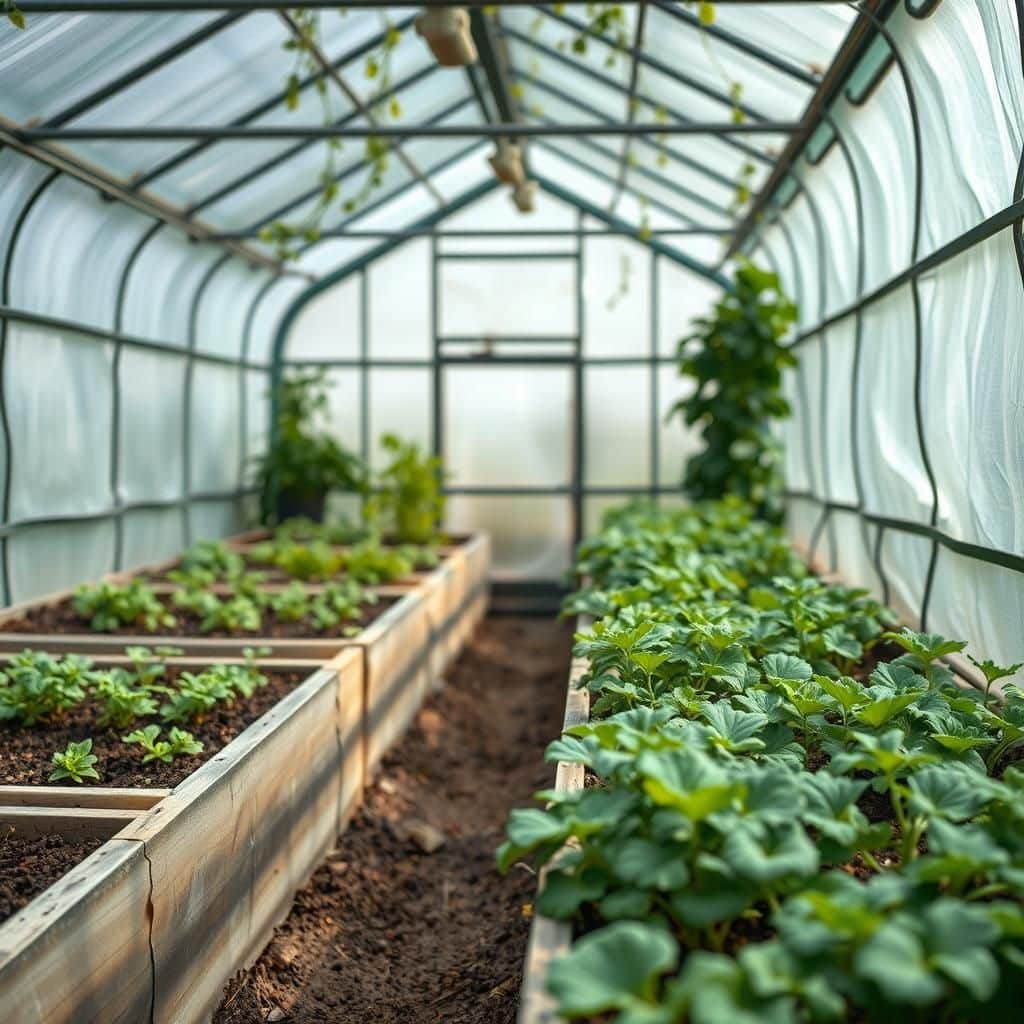
Raised beds have become increasingly popular among gardeners for their many advantages, offering improved drainage, better soil quality, and easier access for tending to plants. When it comes to greenhouses, using raised beds can enhance these benefits even further, creating an ideal environment for plant growth. This article explores the myriad benefits of incorporating raised beds in a greenhouse setting, along with practical tips to ensure success. Whether you're a seasoned gardener or just starting out, understanding how raised beds can optimize your greenhouse experience will elevate your gardening journey and contribute to a thriving plant ecosystem.
Using Raised Beds in a Greenhouse: Benefits and Considerations
Raised beds can be effectively used in a greenhouse, providing numerous advantages for plant growth and management. They help with drainage, allowing excess water to escape while retaining moisture needed by plants. The elevated structure of raised beds also promotes better aeration, ensuring that roots have access to necessary oxygen. Moreover, raised beds can facilitate easier access for planting, weeding, and harvesting, reducing physical strain on gardeners. This gardening method also provides better soil quality control, as gardeners can create an optimal growing medium tailored to the specific needs of the plants. Overall, integrating raised beds into a greenhouse can significantly enhance the growing experience and lead to healthier plants.
Advantages of Raised Beds in a Greenhouse
One of the primary advantages of using raised beds in a greenhouse is the improved soil quality. By creating a custom mix of compost, soil, and other organic materials, gardeners can tailor the nutrient profile to suit specific crops. Additionally, raised beds often warm up more quickly in the spring, allowing for an earlier planting season. The defined boundaries also help prevent compaction, enabling healthier root growth.
Considerations for Raised Bed Height
The height of raised beds in a greenhouse is crucial for their effectiveness. Ideally, they should be at a convenient level for the gardener to minimize bending and discomfort. Standard heights range from 12 to 24 inches, but adjustments can be made based on personal preference or specific planting needs. Taller beds may be better suited for deep-rooted plants, while shorter ones can be ideal for herbs and annuals. It's also essential to consider the water retention properties based on the height, as raised beds can sometimes dry out quicker.
Soil Selection for Raised Beds
Selecting the right soil for raised beds in a greenhouse is vital for successful plant growth. A well-draining mix that retains moisture yet allows excess water to escape is ideal. Many gardeners opt for a combination of topsoil, compost, and other amendments such as peat moss or perlite to create a balanced medium. It is essential to avoid using heavy clay soils, as they can lead to poor aeration and drainage issues, which can ultimately hinder plant development.
Planting Techniques in Raised Beds
Utilizing raised beds in a greenhouse allows for various planting techniques that can maximize space and yield. Techniques such as square foot gardening, companion planting, and intercropping can be applied effectively in raised beds. These methods encourage diversity and can lead to healthier plants by preventing pests and optimizing resource use. Additionally, spacing considerations become more manageable in the structured environment provided by raised beds.
Maintenance and Irrigation for Raised Beds
Maintenance of raised beds in a greenhouse involves regular monitoring of soil moisture levels and nutrient status. Effective irrigation systems, such as drip irrigation or soaker hoses, can be integrated within the beds to ensure consistent watering and reduce water waste. Regular additions of organic matter will also help maintain soil health. Furthermore, mulching can minimize weed growth and moisture evaporation, making it easier to manage the raised beds over time.
| Aspect | Description |
|---|---|
| Soil Quality | Custom blends provide tailored nutrients for plant needs. |
| Drainage | Raised beds improve drainage and prevent waterlogging. |
| Accessibility | Raised beds facilitate easier access for planting and maintenance. |
| Temperature Regulation | They often warm up faster, extending the growing season. |
| Maintenance | Regular monitoring and irrigation are essential for success. |
Can you put raised beds in a greenhouse?

Yes, you can definitely put raised beds in a greenhouse. Raised beds offer numerous advantages for gardening, especially in a greenhouse environment. They not only maximize the available growing space but also improve soil drainage and temperature control. By elevating the plants, you create an ideal setting for growth and can easily manage the soil's nutrients and moisture levels.
Benefits of Raised Beds in a Greenhouse
Raised beds provide unique benefits when utilized within a greenhouse. These advantages include:
See also:
- Improved Drainage: The elevated structure promotes better water movement, preventing soil saturation.
- Enhanced Soil Quality: Gardeners can control soil type and composition, allowing them to optimize nutrients for specific plants.
- Increased Accessibility: Raised beds are easier to reach for planting, weeding, and harvesting, making gardening more comfortable.
Choosing the Right Location
Selecting an appropriate location for raised beds within the greenhouse is crucial. Consider the following:
- Sunlight Exposure: Ensure the beds receive adequate sunlight during the day, as plants need light to thrive.
- Airflow: Position the beds to allow for sufficient airflow around plants to reduce the risk of disease.
- Access to Water: The location should enable easy watering of the beds, whether you choose manual watering or irrigation systems.
Types of Materials for Raised Beds
When constructing raised beds in a greenhouse, the choice of materials is important. Common options include:
- Wood: Treated lumber or cedar can be used, as they are sturdy and support plant growth well.
- Metal: Galvanized steel or aluminum provides durability and longevity in harsh conditions.
- Recycled Materials: Pallets or bricks can be repurposed, making them environmentally friendly options.
Soil and Plant Selection
The soil and plants you choose for raised beds significantly impact their success. Consider these aspects:
- Soil Mix: Use a mix of topsoil, compost, and perlite to ensure good fertility and drainage.
- Plant Compatibility: Choose plants that thrive in similar conditions and growth stages to maximize space and resources.
- Seasonal Rotation: Plan crop rotation to maintain soil health and prevent pest infestations.
Maintenance Practices for Raised Beds
Regular maintenance is essential for the health of raised beds in a greenhouse. Key practices include:
- Watering Schedule: Establish a consistent watering routine to keep the soil moist but not waterlogged.
- Weed Control: Regularly check for weeds, as they compete with your plants for nutrients and water.
- Pest Management: Monitor for pests and diseases, utilizing organic methods when possible to protect plants.
Do raised garden beds get too hot?

Raised garden beds can indeed get hot, particularly in regions with high temperatures and direct sunlight. Several factors contribute to this phenomenon, including the materials used in constructing the beds, the soil composition, the surrounding environment, and the type of plants being grown. When exposed to sunlight, the sides and bottom of raised beds can absorb heat and transfer it to the soil, leading to elevated temperatures that can potentially harm plant roots.
Materials Used in Raised Garden Beds
The choice of materials for building raised garden beds can significantly affect temperature management. Some materials retain heat more effectively than others:
- Wood: Typically natural and allows for good air circulation.
- Metal: Such as steel or aluminum, can absorb and transfer heat quickly to the soil.
- Plastic: Lightweight and often less heat-retentive but can still warm up under direct sunlight.
Soil Composition
The type of soil mix used in a raised bed influences its heat retention and drainage capabilities. It's vital to choose the right soil mix:
- Organic Matter: Incorporating compost enriches the soil and helps with moisture retention.
- Drainage Materials: Adding perlite or vermiculite can improve drainage and lower soil temperatures.
- Soil Depth: A deeper soil layer can help mitigate excessive heat by providing cooler conditions for roots.
Surrounding Environment
The environment around the raised garden bed plays a crucial role in temperature regulation. Factors to consider include:
- Sun Exposure: Full sun can cause raised beds to heat up more quickly than those in partial shade.
- Wind Protection: Windbreaks can help maintain consistent temperatures and reduce soil moisture loss.
- Ground Level: Beds elevated off the ground can experience increased heat exposure compared to ground-level beds.
Plants Being Grown
Different plants have varying heat tolerances, which can influence how raised beds react to high temperatures. Consider the following:
See also:
- Heat-Loving Plants: Crops like tomatoes and peppers thrive in warmer soils.
- Cool-Weather Crops: Greens such as lettuce and spinach may suffer if soil becomes too hot.
- Root Depth: Deep-rooted plants can access cooler soil layers, reducing heat stress.
Mitigation Strategies
To prevent raised garden beds from overheating, several strategies can be employed:
- Mulching: Adding a layer of mulch can help regulate soil temperature and retain moisture.
- Shading: Utilizing shade cloth or planting taller crops can provide necessary relief from direct sunlight.
- Watering Wisely: Regular watering during hot days can help cool the soil temperature and support plant health.
When not to use raised beds?
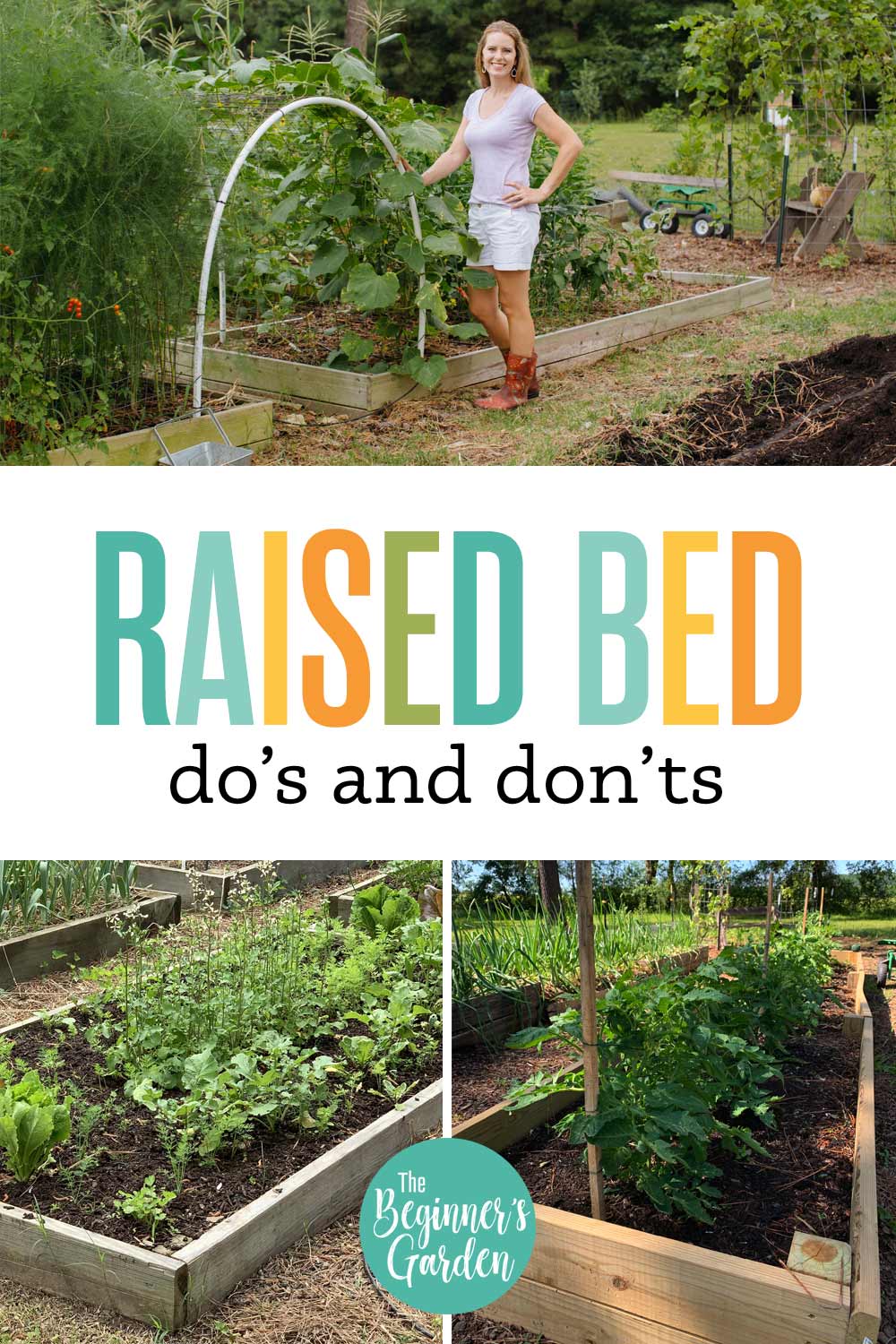
When it comes to gardening, raised beds are often lauded for their numerous benefits, including better drainage, soil quality management, and ease of access. However, there are specific situations where raised beds may not be the ideal choice. Understanding these circumstances can help gardeners make informed decisions about their gardening methods.
1. Poor Drainage Areas
In regions with naturally poor drainage or high groundwater levels, raised beds may not be the best solution. While raised beds generally improve drainage, if the underlying soil remains consistently saturated, it can lead to root rot and other moisture-related issues. In such cases, opting for a different type of elevation might be more beneficial.
- Assess soil drainage capacity before installation.
- Consider alternatives that improve drainage, such as berms or French drains.
- Evaluate the local climate and rainfall patterns when deciding on raised beds.
2. Heavy Clay Soil
For gardeners with heavy clay soil, raised beds can sometimes exacerbate the challenges that come with this type of soil. While raised beds can be filled with a better soil mixture, the surrounding clay may still restrict root growth and cause waterlogging in the bed itself.
- Test the soil composition in your garden area.
- Consider amending clay soil before resorting to raised beds.
- Look into permaculture practices to handle heavy clay effectively.
3. Limited Space
In small garden plots or urban settings where space is limited, raised beds might take up more room than necessary. They require adequate walking paths around them, which can reduce the available gardening area. In such situations, traditional in-ground gardening or container gardening may be more space-efficient.
- Calculate how much space raised beds will occupy.
- Explore vertical gardening options to maximize limited areas.
- Consider container gardens as an alternative to raised beds.
4. High Wind Areas
For gardeners residing in regions prone to high winds, raised beds can be at risk of soil erosion and plant damage. Elevated structures may catch more wind, potentially leading to toppled plants and loss of soil moisture. In such conditions, it may be more prudent to stick with traditional gardening solutions.
- Evaluate the wind patterns in your garden.
- Consider adding windbreaks or shrubs to shield raised beds.
- Utilize sturdier materials that can withstand strong gusts.
5. Budget Constraints
Building raised beds can often be more expensive than traditional gardening methods. Costs can accrue from purchasing materials for the bed structure and soil replacements. For budget-conscious gardeners, it may be better to allocate funds towards other gardening necessities instead of investing heavily in raised beds.
- Estimate the total cost of building and maintaining raised beds.
- Prioritize essential gardening tools and supplies over raised bed structures.
- Explore budget-friendly gardening options, like community gardens.
Questions from Our Readers
Can you use raised beds in a greenhouse?
Yes, you can definitely use raised beds in a greenhouse. They offer several benefits, such as improved drainage, better soil quality, and easier access for planting and maintenance. Raised beds can also help in controlling the temperature and humidity within the greenhouse environment.
What materials are best for raised beds in a greenhouse?
The best materials for raised beds in a greenhouse include cedar, redwood, or composite boards, as they are resistant to decay and pests. It's important to avoid treated woods that may leach harmful chemicals into the soil. Additionally, you can use concrete blocks or recycled materials, as long as they are safe for gardening.
See also:
How deep should raised beds be in a greenhouse?
Raised beds in a greenhouse should ideally be at least 12 to 18 inches deep to provide adequate space for root systems. However, deeper beds, up to 24 inches, may be beneficial for plants with larger root systems, allowing for better nutrient and water retention.
Do raised beds affect temperature regulation in a greenhouse?
Yes, raised beds can positively affect temperature regulation in a greenhouse. They often warm up faster in the spring compared to ground-level beds, allowing for an earlier planting season. Moreover, the soil in raised beds can maintain a more stable temperature, providing a more optimal growing environment for your plants.

If you want to read more articles like Can You Use Raised Beds in a Greenhouse? Benefits and Tips for Success, we recommend you check out our Garden category.
Leave a Reply
Related Articles