How Deep Does a Raised Bed Need to Be for Cucumbers? Tips for Optimal Growth
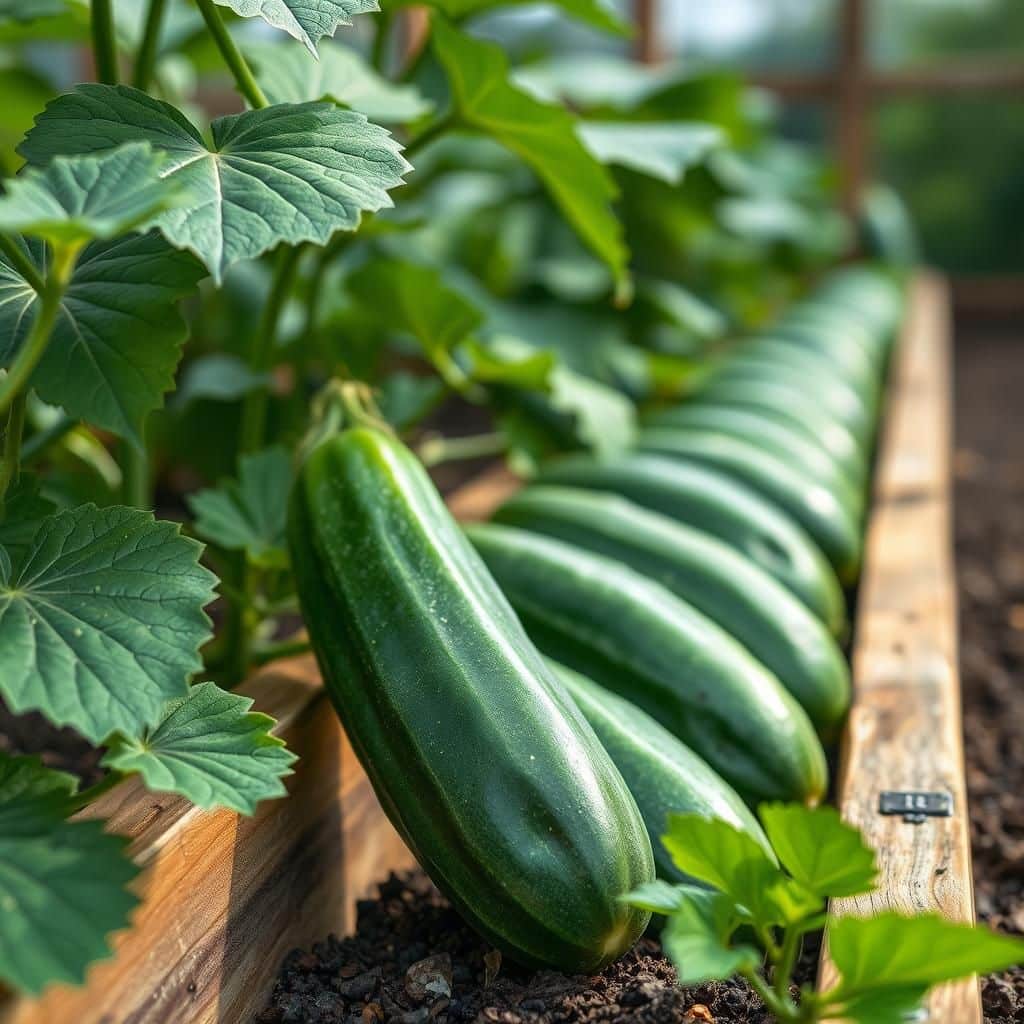
When it comes to gardening, understanding the ideal conditions for each plant is crucial for successful growth. Cucumbers, beloved for their crisp texture and refreshing taste, require specific considerations when planted in raised beds. One of the most important factors to consider is the depth of the raised bed. This article will explore how deep a raised bed needs to be for optimal cucumber growth, as well as provide essential tips and techniques for ensuring these vines thrive in your garden. By following these guidelines, you can cultivate a bountiful crop of cucumbers all season long.
How Deep Should a Raised Bed Be for Cucumbers?
To encourage optimal growth, a raised bed for cucumbers should be at least 12 to 18 inches deep. This depth allows for adequate root development and ensures that the cucumber plants have enough space to absorb nutrients and water effectively. Cucumbers are sensitive to soil conditions, so having a deep raised bed can help provide the well-drained soil they thrive in. Moreover, ensuring the bed is high enough can help with drainage during rainy seasons, preventing root rot and promoting healthy plant growth.
Importance of Soil Depth for Cucumber Growth
The soil depth in a raised bed is crucial for the health of cucumbers as it directly influences root development. A deeper bed allows roots to spread and access nutrients and moisture, which is essential for vigorous plant health and fruit production. Insufficient depth may hinder the growth of the vines and lead to poor yields.
Ideal Soil Composition for Raised Beds
To maximize the benefits of a raised bed, the soil composition should include a blend of compost, topsoil, and vermiculite or perlite. This mixture not only provides essential nutrients for cucumbers but also improves soil structure and moisture retention. An ideal balance fosters strong root growth, thereby increasing overall productivity.
Drainage Considerations for Cucumber Beds
Drainage is a vital aspect when planning a raised bed for cucumbers. A bed without adequate drainage can lead to waterlogged conditions, which may cause root rot and other diseases. Therefore, constructing the bed with good drainage channels, like adding gravel or ensuring a sloped design, can prevent these issues.
See also:
Spacing Recommendations for Cucumber Plants
Proper spacing between cucumber plants within the raised bed also affects their growth. Each plant should ideally be spaced 12 to 18 inches apart to allow for adequate air circulation and sunlight exposure. Crowding can lead to increased competition for nutrients and a higher likelihood of disease spreading among the plants.
Seasonal Considerations for Raised Bed Depth
The depth of a raised bed can be influenced by seasonal factors such as temperature and moisture levels. In cooler regions, a deeper bed can help maintain warmth and protect roots from frost. Conversely, in warmer climates, ensuring a depth of at least 12 inches can help retain moisture during drier months, which is critical for maintaining healthy cucumber growth.
| Factor | Recommendation |
|---|---|
| Soil Depth | 12 to 18 inches |
| Spacing Between Plants | 12 to 18 inches |
| Soil Composition | Compost, topsoil, and vermiculite |
| Drainage Solutions | Gravel or sloping design |
| Temperature Considerations | Use deeper beds in cooler climates |
Understanding the Root Depth Requirements for Cucumbers
Cucumbers have relatively shallow root systems, typically extending about 12 to 18 inches deep, which means that a raised bed should ideally be at least 12 inches deep to accommodate healthy root growth. Suitable soil depth is pivotal for encouraging robust plant development, nutrient uptake, and moisture retention, which are critical for producing high-quality cucumbers. Additionally, deeper beds can provide better drainage and prevent waterlogging, which cucumbers are particularly sensitive to. Adjusting the depth of your raised bed can also help in preventing weed competition and can make the planting process easier, especially in regions with heavier soil types.
Importance of Soil Quality in Raised Beds
The quality of soil in raised beds significantly influences cucumber growth. Incorporating organic matter such as compost improves soil structure, enhances nutrient availability, and promotes microbial activity that supports healthy plant growth. Ideal soil should also have good drainage properties to prevent excess moisture, which can lead to root rot. Mixing in well-balanced soil amendments ensures that the cucumbers have access to the necessary nutrients throughout their growth cycle.
Choosing the Right Location for Raised Beds
Selecting the proper location for your raised beds is crucial for the success of cucumber plants. Cucumbers thrive in full sunlight, requiring about 6 to 8 hours of direct sunlight each day. Placing your raised bed in a location that maximizes sun exposure can lead to better fruit production. Additionally, positioning beds away from strong winds and in proximity to a consistent water source can further enhance plant growth and maintenance.
See also:
Watering Techniques for Cucumber Plants
Effective watering techniques are vital for the health of cucumber plants, especially in raised beds. It's essential to maintain consistent moisture levels without causing waterlogged conditions. A soaker hose or drip irrigation system can help deliver water directly to the root zone while allowing the soil to dry out slightly between watering sessions. Monitoring soil moisture levels regularly will ensure that cucumbers receive the right amount of hydration, which is key to preventing stress and promoting fruit development.
Companion Planting Strategies
Employing companion planting strategies can benefit cucumber growth and enhance overall productivity in raised beds. Plants like nasturtiums, marigolds, and basil not only deter pests but also create an inviting environment for beneficial insects. When grown alongside cucumbers, these companions can improve yields by promoting pollination and providing natural pest control, thereby creating a healthier growing environment.
Seasonal Care Tips for Cucumbers
Proper seasonal care is essential for maintaining healthy cucumber plants throughout their growing season. As temperatures rise, applying mulch can help retain soil moisture and regulate temperature. Regularly inspecting for pests and diseases is crucial during active growth; taking prompt action can prevent larger infestations and crop loss. Additionally, understanding local frost dates informs when to plant and protect young seedlings to ensure optimal growth and maximize harvest potential.
Questions from Our Readers
How deep should a raised bed be for cucumbers?
The ideal depth for a raised bed to grow cucumbers is at least 12 to 18 inches. This depth allows the cucumber roots to have enough space to expand and access the nutrients and water they need for healthy growth.
Can cucumbers grow in a shallow raised bed?
If you want to read more articles like How Deep Does a Raised Bed Need to Be for Cucumbers? Tips for Optimal Growth, we recommend you check out our Garden category.
Leave a Reply
Related Articles