Will a Plastic Greenhouse Protect from Frost? Exploring Benefits and Tips for Gardening Success
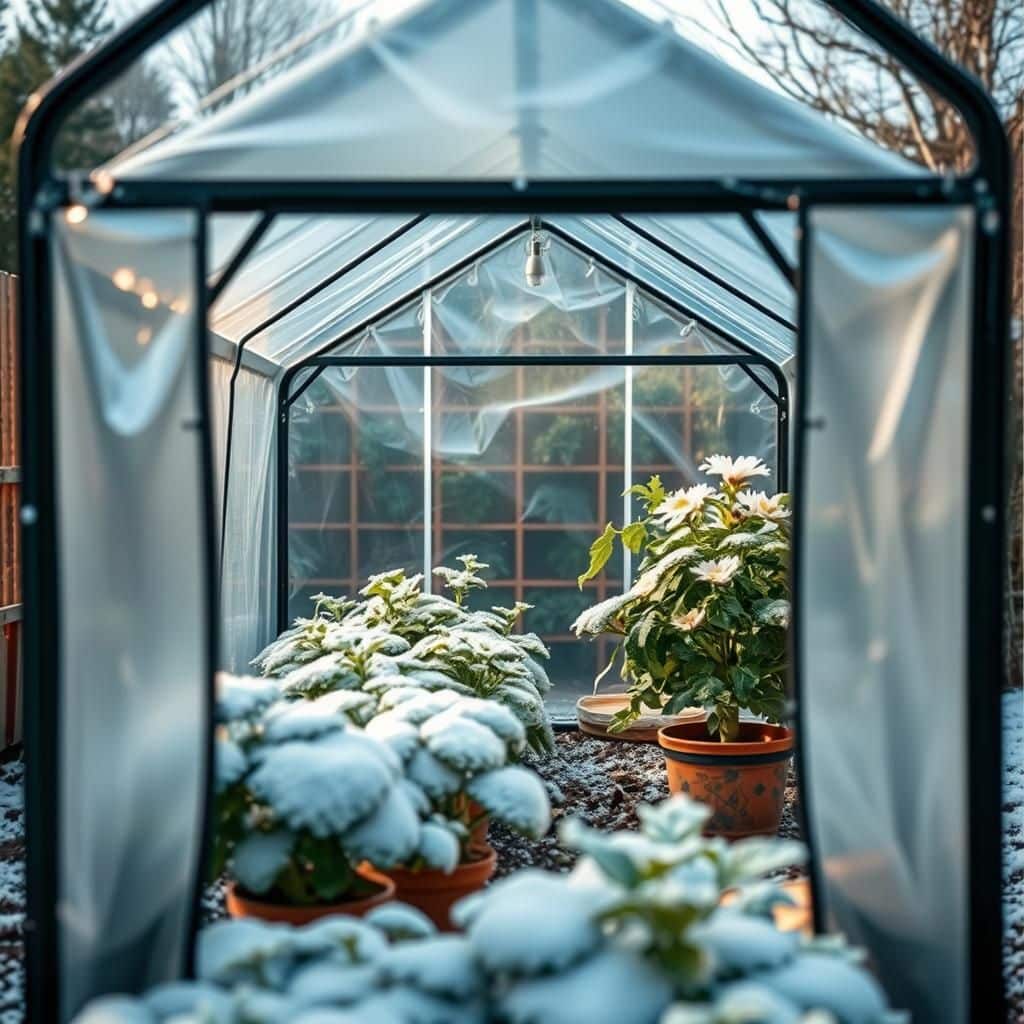
As gardening enthusiasts look for ways to extend their growing seasons, plastic greenhouses have emerged as a popular solution. One significant concern for growers is frost, which can damage tender plants and disrupt harvests. This article delves into whether a plastic greenhouse can effectively protect your plants from frost and explores its numerous benefits. We’ll also share valuable tips to ensure your gardening success while utilizing these structures. Understanding how to maximize the potential of a plastic greenhouse can help you create a thriving garden, regardless of the weather conditions outside.
Will a Plastic Greenhouse Protect from Frost?
A plastic greenhouse can provide significant protection against frost, creating a microclimate that is generally warmer than the surrounding outdoor environment. The translucent nature of the plastic allows sunlight to enter during the day, which helps to warm the air and soil inside. However, at night, especially under clear skies, temperatures can still drop, and without adequate heat retention measures, certain sensitive plants may still be vulnerable to damaging frost. To maximize the effectiveness of a plastic greenhouse, it is important to ensure that it is well-sealed and consider using additional heating sources or insulation during particularly cold periods.
How Does a Plastic Greenhouse Function?
A plastic greenhouse functions by creating a controlled environment where sunlight heats the air and plants inside. The plastic material traps heat, acting like a barrier that limits heat loss after sunset. This design helps to maintain a more stable temperature compared to outdoor conditions, reducing the likelihood of frost formation on plants. The effectiveness of this method largely depends on the size, orientation, and materials used in the construction of the greenhouse, along with the external weather conditions.
Comparing Polycarbonate and Polyethylene Greenhouses
When choosing a plastic greenhouse, two common materials are polycarbonate and polyethylene. Polycarbonate offers excellent insulation and UV protection, making it more resistant to impact and longer-lasting, while polyethylene is often cheaper and lighter but may require more frequent replacement due to wear. Both materials can provide frost protection but differ in their thermal performance and durability, impacting how effectively they maintain warm conditions inside during cold weather.
Best Practices for Winter Plant Care in Greenhouses
To effectively protect plants from frost during winter, several best practices should be followed within a plastic greenhouse. Ensure to utilize hygrometers to monitor humidity levels, as high humidity combined with cold temperatures can lead to frost damage. Additionally, consider using thermal mass items, such as water barrels, that absorb heat during the day and release it at night. Adequate ventilation must also be maintained to prevent overheating during sunny days while keeping moisture levels in check.
See also:
Heating Options for Plastic Greenhouses
In regions with extreme cold, supplemental heating may be necessary to ensure frost protection in a plastic greenhouse. Options range from electric heaters to propane heaters or even passive solar heating systems that utilize sunlight. It’s essential to select a heating option that provides enough warmth without overheating the greenhouse or creating sudden temperature fluctuations that can stress the plants.
Limitations of Plastic Greenhouses Against Frost
While plastic greenhouses are beneficial for frost protection, they have their limitations. During prolonged periods of severe cold or heavy frost, the internal temperatures may still dip to levels harmful for sensitive plants. Additionally, if there are any gaps or unsealed areas, cold air can enter, compromising heat retention. Understanding these limitations can help gardeners take necessary precautions to protect their plants during cold spells.
| Material | Insulation | UV Resistance | Durability | Cost |
|---|---|---|---|---|
| Polycarbonate | High | Good | Long-lasting | Higher |
| Polyethylene | Moderate | Fair | Shorter lifespan | Lower |
Understanding Frost Protection in Plastic Greenhouses
A plastic greenhouse can be an excellent solution for protecting plants from frost. These structures provide a controlled environment, trapping heat during the day and releasing it slowly at night, which can prevent the ambient temperature from dropping too low. When the temperature outside plummets, the plastic material acts as an insulator, maintaining a warmer microclimate inside. This not only helps to prevent frost damage to sensitive plants but also extends the growing season. To maximize the benefits, it is important to monitor both humidity and temperature levels within the greenhouse, ensuring that conditions remain optimal for plant health and growth.
How Does a Plastic Greenhouse Retain Heat?
The ability of a plastic greenhouse to retain heat largely depends on its construction and materials. The plastic used in these greenhouses typically has good insulating properties, reducing heat loss during colder nights. Additionally, if the greenhouse is oriented to capitalize on sunlight, it can absorb warmth during the day, further enhancing the heat retention effect. Incorporating thermal mass elements, such as bricks or stones, can also help to store heat during the day and release it when temperatures drop.
Choosing the Right Materials for Frost Protection
Selecting the right materials is crucial for achieving effective frost protection in a plastic greenhouse. Look for UV-resistant plastic sheeting that can withstand harsh weather while allowing adequate sunlight penetration. Additionally, ensure that the structure is sturdy enough to withstand wind and snow loads. Reinforced versions of polyethylene or polycarbonate can provide better insulation and durability, thereby enhancing the greenhouse’s efficiency in frost protection.
See also:
Tips for Maximizing Greenhouse Efficiency in Cold Weather
To enhance the overall efficiency of your plastic greenhouse during cold weather conditions, consider implementing some practical tips. First, adding insulation to the walls and floor can help to further protect your plants from extreme temperatures. Installing thermal curtains or using row covers inside the greenhouse can also provide additional warmth during particularly frosty nights. Furthermore, utilizing heating mats or small space heaters can ensure that sensitive crops remain at ideal temperatures during the coldest months.
Common Mistakes to Avoid with Plastic Greenhouses
When using a plastic greenhouse for frost protection, there are several common mistakes to avoid. One frequent error is failing to monitor humidity levels, which can result in high moisture that encourages fungal diseases. Additionally, neglecting to ventilate the greenhouse during warmer days can lead to overheating, damaging sensitive plants. It’s also crucial to ensure that the structure is adequately sealed to prevent drafts that may compromise the heat retention capabilities of the greenhouse.
The Role of Ventilation in Frost Protection
While it may seem counterintuitive, proper ventilation plays a significant role in managing temperatures within a plastic greenhouse, especially during frost-prone periods. Proper airflow helps to reduce humidity and prevents the buildup of cold air pockets. By installing automatic vents or using fans to facilitate air movement, you can help maintain a balanced environment. This equilibrium allows for better temperature control, thereby enhancing your greenhouse’s ability to protect plants from the damaging effects of frost while still providing warmth.
Questions from Our Readers
Will a plastic greenhouse protect plants from frost?
Yes, a plastic greenhouse can effectively protect plants from frost by providing an insulated environment. The plastic material helps to retain heat and shields plants from cold air, which can significantly reduce the likelihood of frost damage.
How effective is a plastic greenhouse in preventing frost?
The effectiveness of a plastic greenhouse in preventing frost largely depends on its design and size. A well-constructed greenhouse can maintain a warmer microclimate inside, often delaying frost formation and allowing for extended growing seasons.
See also:
Do I need additional heating in a plastic greenhouse during frost conditions?
In extreme frost conditions, additional heating may be necessary to maintain ideal temperatures for sensitive plants. While the greenhouse offers some protection, using heaters or heat mats can provide extra warmth and ensure crops are safe from freezing temperatures.
How can I enhance frost protection in a plastic greenhouse?
To enhance frost protection in a plastic greenhouse, consider using thermal blankets at night, adding heat sources, and ensuring proper ventilation during the day. These measures can help in maintaining a stable and warm environment for your plants, minimizing frost risk.

If you want to read more articles like Will a Plastic Greenhouse Protect from Frost? Exploring Benefits and Tips for Gardening Success, we recommend you check out our Garden category.
Leave a Reply
Related Articles