What is the Lifespan of a Greenhouse? Understanding Durability and Maintenance Tips
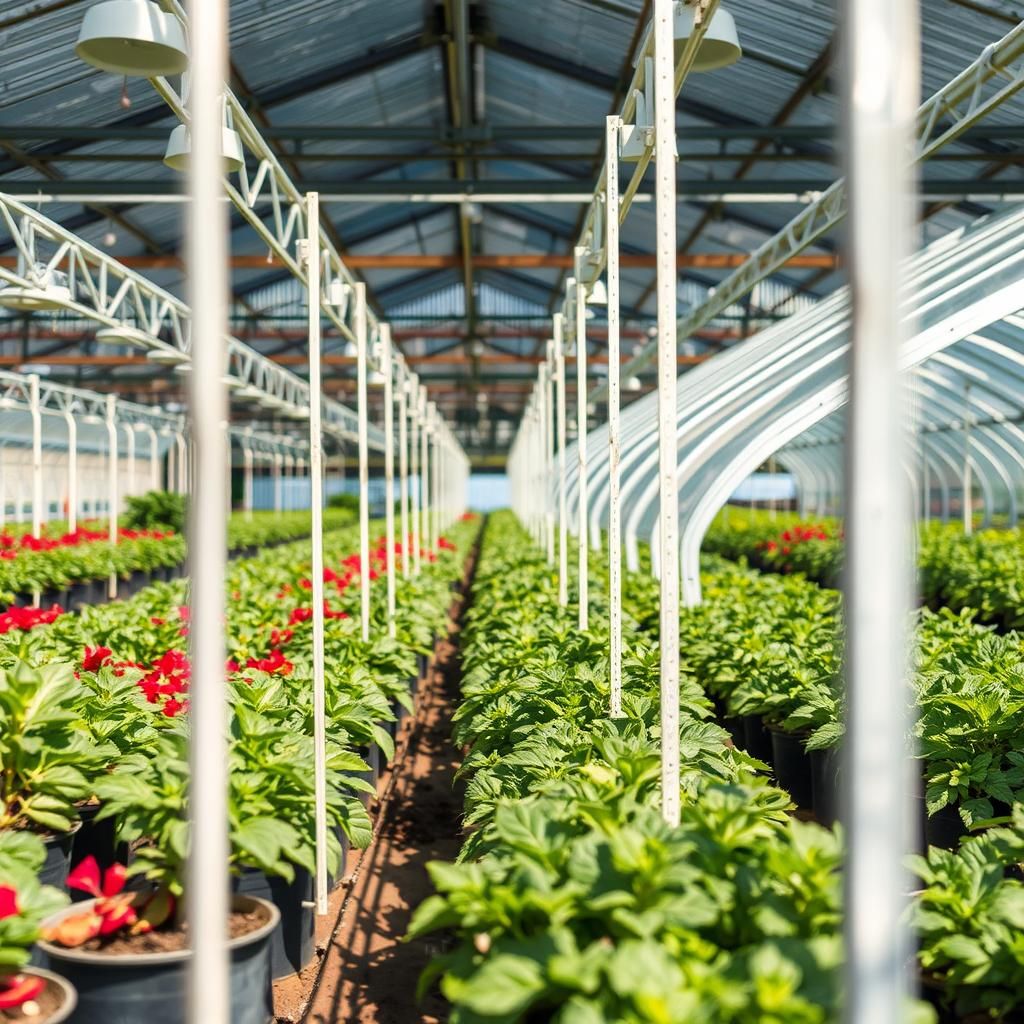
A greenhouse is a valuable investment for both hobbyists and professional gardeners, providing a controlled environment for plant growth. However, understanding the lifespan of a greenhouse is essential for maintaining its structural integrity and maximizing productivity. Various factors, including materials used, environmental conditions, and maintenance practices, can influence durability. This article will explore the expected lifespan of different types of greenhouses, as well as practical maintenance tips to enhance longevity. By adopting these insights, you can ensure your greenhouse remains a thriving sanctuary for plants over the years, allowing for optimal growth and a rewarding gardening experience.
Understanding the Lifespan of a Greenhouse
The lifespan of a greenhouse can vary significantly based on several factors including the materials used in its construction, the climatic conditions it is exposed to, and the level of maintenance it receives over time. On average, a greenhouse made from high-quality materials such as polycarbonate or glass can last anywhere from 10 to 25 years, while those constructed with less durable materials like plastic film may only endure for 5 to 8 years. Regular maintenance, such as repairing any damaged areas and cleaning the structure, can greatly extend its lifespan, helping gardeners maximize their investment and productivity.
Factors Affecting Greenhouse Lifespan
Several critical factors influence the lifespan of a greenhouse, including the type of construction materials used, environmental conditions, and maintenance practices. Greenhouses made of sturdier materials like aluminum or galvanized steel tend to last longer compared to those constructed with weaker materials. Additionally, if a greenhouse is situated in an area with harsh weather conditions, such as heavy snow or high winds, this can significantly reduce its durability. Proper maintenance, including timely repairs and routine cleaning, can further enhance the lifespan of a greenhouse.
Material Choices and Their Durability
The choice of materials in constructing a greenhouse plays a fundamental role in determining its durability. For instance, glass-greenhouses are generally considered the most durable, lasting up to 25 years, while polycarbonate structures offer excellent insulation and are typically robust, with lifespans around 15 years. On the other hand, greenhouses made from PVC or thin plastic may deteriorate faster, with lifespans of merely 5 to 8 years. Selecting the right materials based on the specific climate and intended use is crucial for maximizing a greenhouse’s longevity.
Climate Considerations
The climate in which a greenhouse is located can dramatically impact its overall lifespan. In regions prone to severe weather, such as heavy snowfall or strong winds, a greenhouse may face increased stress and potential damage. Sun exposure, particularly in hotter climates, can lead to the degradation of materials over time. Therefore, understanding the local climate and adapting the design and materials accordingly can help in enhancing the greenhouse's resilience and lifespan.
Maintenance Tips for Longevity
Regular maintenance is vital for extending the life of a greenhouse. Simple practices, such as checking for leaks, replacing damaged panels, and cleaning surfaces to prevent algae build-up, can significantly affect how long the structure remains effective. Additionally, reinforcing the greenhouse structure when severe weather is forecasted and ensuring proper ventilation can help minimize wear and tear, ultimately prolonging the greenhouse's useful life.
Signs of Wear and When to Replace
Over time, various signs of wear can indicate that a greenhouse may need repairs or even replacement. These can include broken or cracked panels, rust in metal frames, loss of insulation, and structural instability. If the costs of repairs exceed the benefits of continued use, it may be more practical to replace the greenhouse altogether. Monitoring these indicators regularly can help in making timely decisions about maintenance or replacement, ensuring optimal growing conditions are sustained.
| Material Type | Average Lifespan |
|---|---|
| Glass | 10-25 years |
| Polycarbonate | 15-25 years |
| Polyethylene Film | 5-8 years |
| PVC | 5-10 years |
| Aluminum Frames | 20+ years |
How long does a greenhouse last?
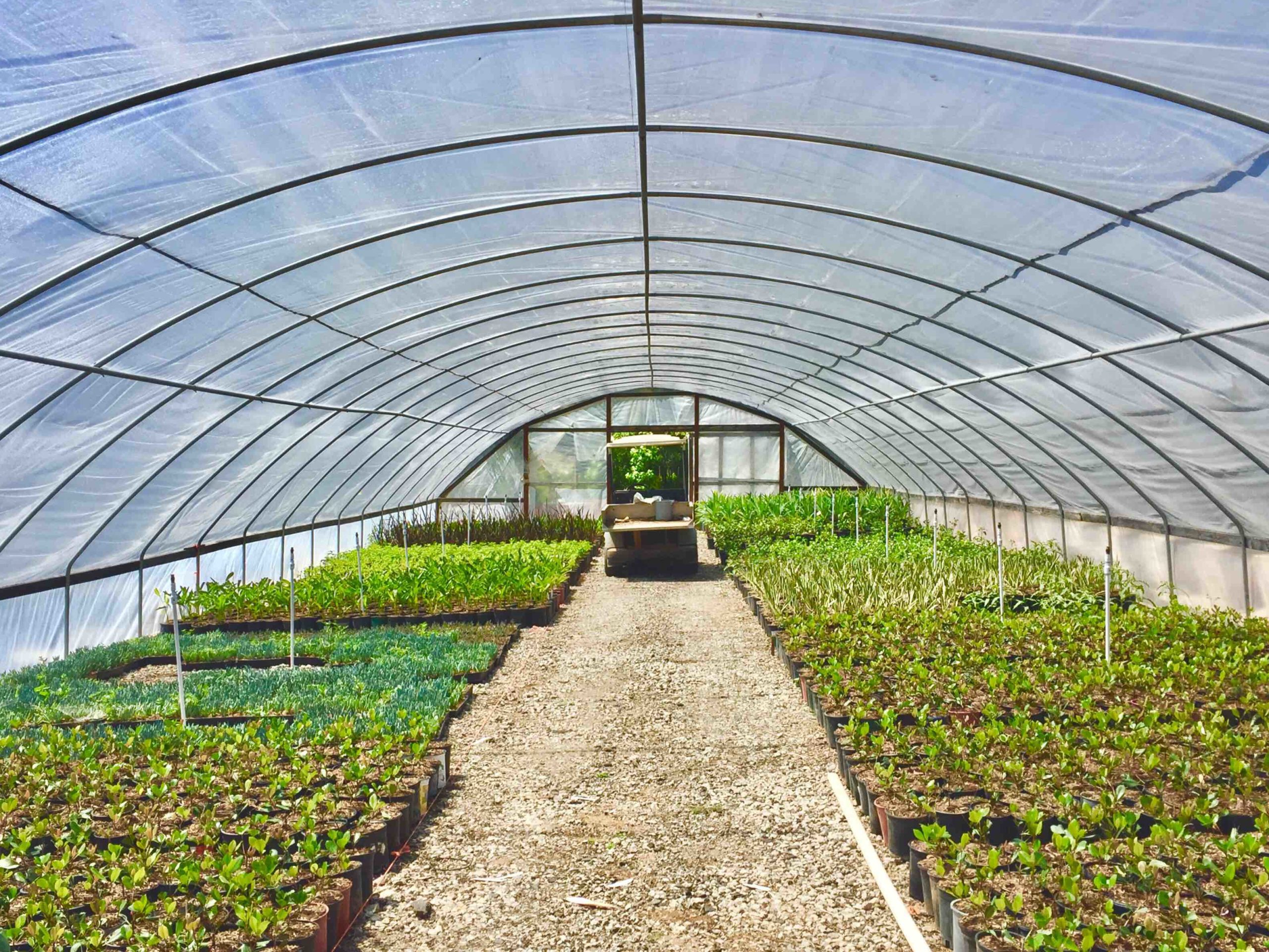
The lifespan of a greenhouse can vary significantly based on several factors, including the materials used for its construction, environmental conditions, and maintenance practices. Typically, a greenhouse can last anywhere from 10 to 30 years. Here’s a breakdown of factors that influence the longevity of a greenhouse:
1. Materials: The choice of materials is crucial. Glass greenhouses, while durable, can break and require more maintenance than polycarbonate or plastic structures.
2. Environmental Conditions: Areas with harsh weather conditions such as extreme temperatures, strong winds, or heavy snow can affect the greenhouse's integrity and lifespan.
3. Maintenance: Regular upkeep, including repairs and cleaning, helps extend the life of a greenhouse.
Factors Affecting Greenhouse Lifespan
The lifespan of a greenhouse is influenced by several factors, including:
See also:
- Construction Materials: Different materials have varying levels of durability. For example, aluminum frames may last longer than wooden ones.
- Weather Conditions: Severe climates can wear down the structure faster, especially if the greenhouse experiences snow loads or high winds.
- Maintenance Regime: Proper care and timely repairs can prolong the life of a greenhouse significantly.
Different Types of Greenhouses
Various types of greenhouses can affect lifespan based on design and materials. For instance:
- Glass Greenhouses: Usually offer a classic look and high durability but can be prone to breakage.
- Polycarbonate Greenhouses: Generally more resistant to shocks and harsh weather, providing better insulation.
- Plastic Film Greenhouses: Most affordable but typically have a shorter lifespan, often needing replacement every few years.
Maintenance Practices
Routine maintenance is essential for extending the life of a greenhouse:
- Regular Inspections: Check for any damage or wear and tear regularly.
- Cleaning: Keeping the panels clean ensures maximum light penetration and reduces the risk of algae or mold growth.
- Repairs: Address any issues immediately to prevent further damage.
Signs That a Greenhouse Needs Replacement
Recognizing when a greenhouse may be approaching the end of its life is crucial. Look for:
- Damaged Panels: Cracks or breaks in glass or plastic panels may indicate the need for a replacement.
- Structural Issues: Warping or sagging frames suggest structural failure.
- Severe Wear on Materials: If materials appear to be degrading or corroding significantly.
Investment and Value
The initial investment in a greenhouse can influence how long it lasts and how effective it is:
- Quality vs. Price: Higher-quality greenhouses may require a larger upfront investment but often last longer and provide better value over time.
- Future Upgrades: Investing in a greenhouse with the potential for upgrades can extend its usability.
- Resale Value: A well-maintained greenhouse can retain considerable value if one chooses to sell it.
Do greenhouses get moldy?
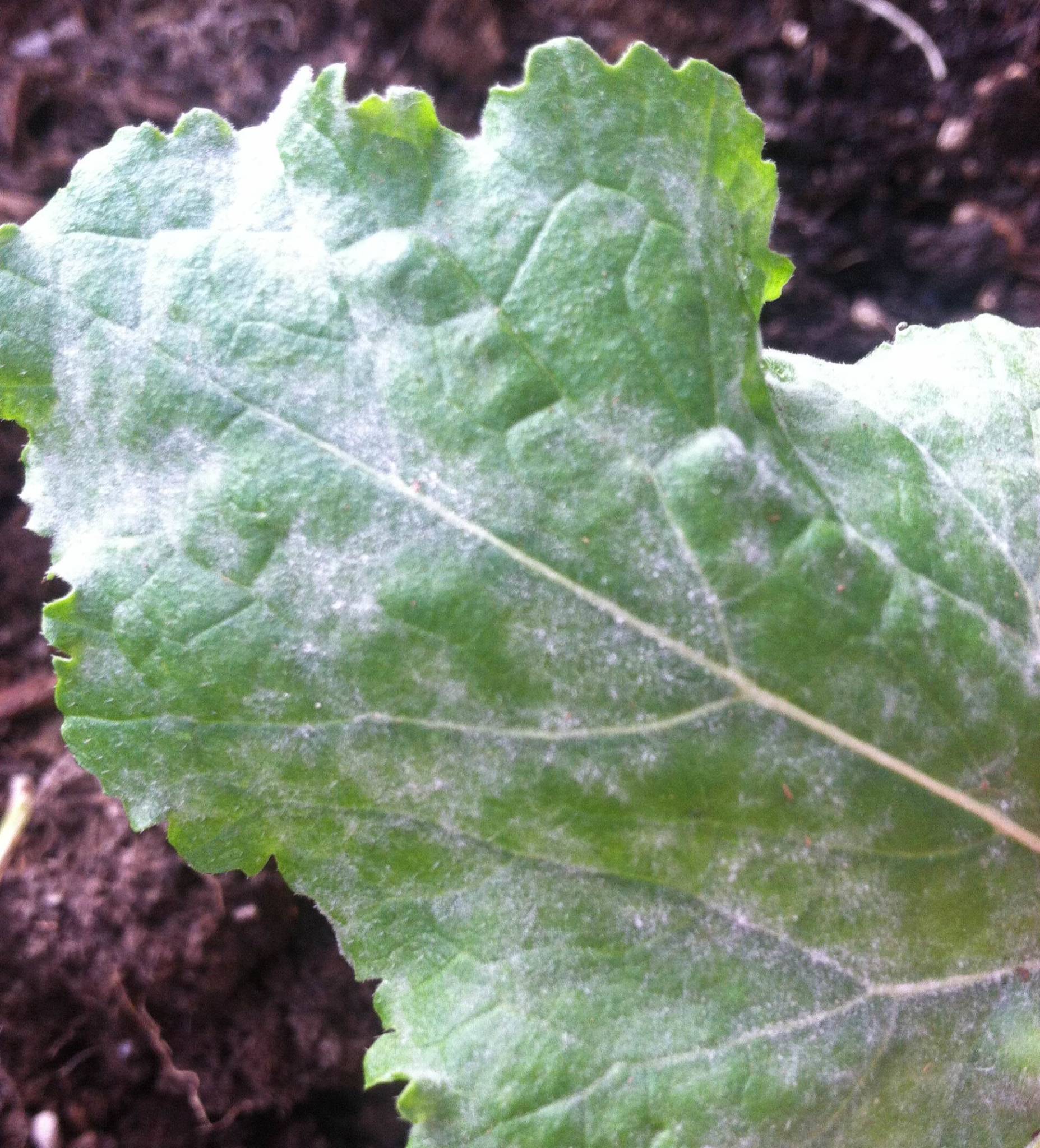
Yes, greenhouses can indeed get moldy. Mold thrives in environments that provide moisture, warmth, and a food source—in other words, the same conditions that many plants require to grow. Inside a greenhouse, high humidity levels can create an ideal environment for mold spores to settle and start growing rapidly. Additionally, organic materials such as plant debris, soil, or even the greenhouse structure itself can serve as a breeding ground for mold.
Causes of Mold Growth in Greenhouses
Mold growth in greenhouses can be attributed to several factors:
- Excessive Humidity: High humidity levels often arise from overwatering plants or insufficient ventilation.
- Poor Air Circulation: Lack of airflow can lead to stagnant air, which supports mold development.
- Organic Matter: Decomposing plant material and soil can provide nutrients for mold spores.
Impact of Mold on Plants
Mold can have detrimental effects on plants within a greenhouse:
- Diseases: Mold can lead to fungal infections causing diseases like powdery mildew or root rot.
- Reduced Photosynthesis: Mold can cover leaves, blocking sunlight and affecting growth.
- Decreased Plant Health: Stress from mold can weaken plants, making them more susceptible to pests and other diseases.
Preventing Mold in Greenhouses
To effectively prevent mold in greenhouses, consider implementing these strategies:
- Improve Ventilation: Use fans or vents to enhance air circulation and reduce humidity.
- Control Watering: Water plants only as needed to avoid over-soaking the soil.
- Regular Cleaning: Keep the greenhouse clean by removing dead leaves and organic debris regularly.
Treating Existing Mold Issues
If mold is already present in the greenhouse, prompt action is necessary:
- Remove Contaminated Material: Dispose of any mold-infected plants or debris to prevent further spread.
- Use Fungicides: Apply appropriate fungicides to affected plants or surfaces to kill mold spores.
- Adjust Humidity Levels: Use dehumidifiers or heaters to lower humidity and inhibit mold growth.
Choosing Mold-Resistant Materials
Opting for materials that resist mold can be a proactive approach:
See also:
- Non-Organic Building Materials: Use materials like metal or treated wood that are less prone to mold.
- High-Quality Plastic: Consider using mold-resistant films for greenhouse coverings.
- Proper Drainage Systems: Install adequate drainage to reduce standing water inside the greenhouse.
What are the negatives of a greenhouse?
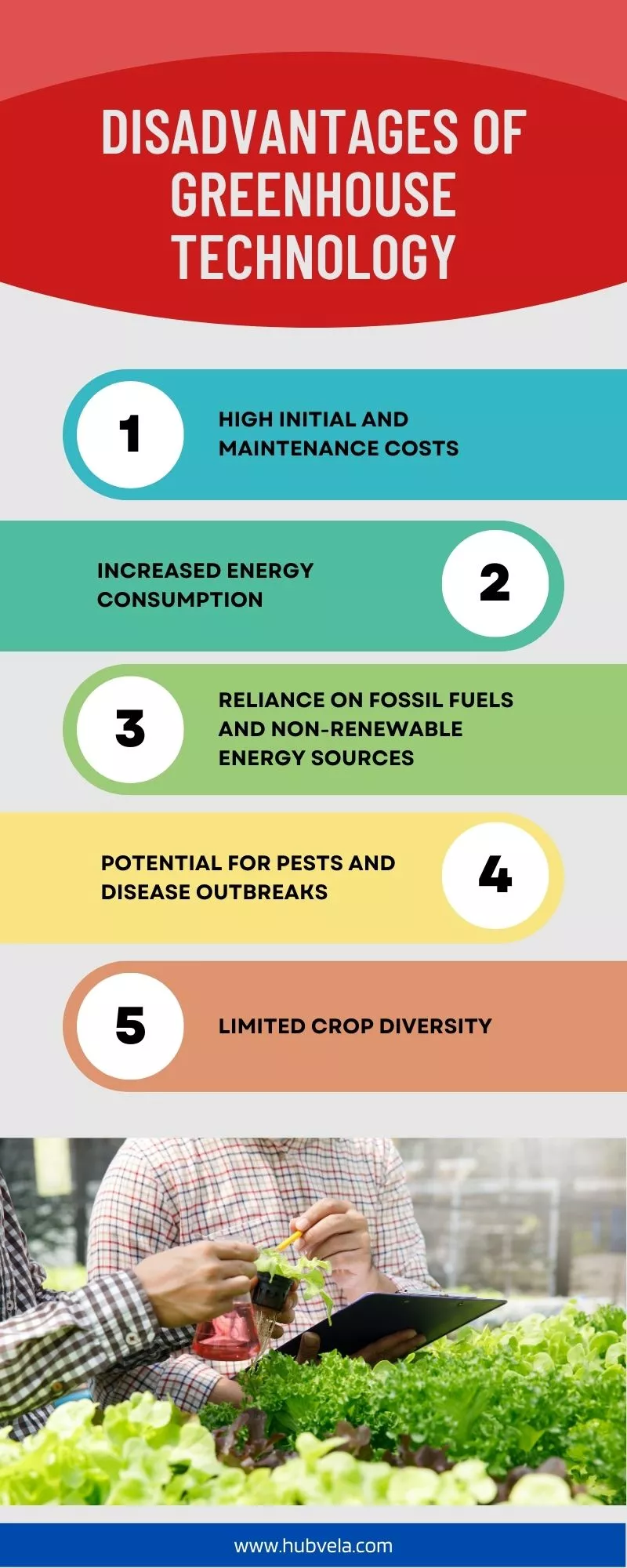
The negatives of a greenhouse can vary based on several factors, including the type of greenhouse, the location, and the crops being grown. Here are some of the notable disadvantages associated with greenhouses:
High Initial Costs
The construction of a greenhouse can require significant financial investment. The costs associated with purchasing materials and setting up the structure can be substantial. Additionally, depending on the size and complexity of the greenhouse, other expenses may include:
- Foundation work: Preparing a suitable base for stability.
- Ventilation systems: Installing adequate airflow to manage temperature and humidity.
- Heating and cooling systems: Depending on the climate, greenhouses may require sophisticated systems to maintain optimal growing conditions.
Maintenance Requirements
Greenhouses require ongoing maintenance to ensure they remain functional and effective. Neglecting these requirements can lead to various issues, including decreased plant health. Maintenance aspects include:
- Cleaning: Regular cleaning of glass or plastic panels to maximize sunlight entry.
- Pest and disease management: Ongoing monitoring and treatment to combat infestations and illnesses.
- System checks: Routine checks on heating, cooling, and irrigation systems to ensure they function properly.
Climate Control Challenges
While greenhouses are designed to regulate the internal environment, they can still face challenges. In extreme weather conditions, maintaining stable temperatures can be difficult. Common challenges include:
- Overheating: During hot seasons, the greenhouse can become excessively warm without proper ventilation.
- Frost damage: In colder climates, nighttime temperatures can drop significantly, posing a risk to plants.
- Humidity management: Excess moisture can lead to mold and mildew if not adequately controlled.
Environmental Impact
Constructing and operating a greenhouse can have notable environmental consequences. Issues that might arise include:
- Energy consumption: The heating and cooling systems may rely on electricity or fossil fuels, contributing to greenhouse gas emissions.
- Waste generation: Plastic films and other materials used in greenhouses may not be easily recyclable.
- Water usage: High water demands can strain local resources, particularly in arid regions.
Limited Crop Diversity
The type of crops that can be successfully grown in a greenhouse may be limited by specific environmental conditions. Factors influencing crop diversity include:
- Temperature requirements: Some plants need specific temperature ranges that may not be achievable in all greenhouses.
- Light conditions: Certain crops require unique light levels, which may not be adequately provided.
- Nutrient management: Greenhouses can create soil nutrient imbalances, affecting plant growth and variety.
Questions from Our Readers
What is the average lifespan of a greenhouse?
The average lifespan of a greenhouse can vary significantly depending on the materials used, construction quality, and environmental factors. Typically, a greenhouse constructed with high-quality materials like polycarbonate can last between 15 to 25 years, while those made with cheaper materials may only last 5 to 10 years.
How can I extend the life of my greenhouse?
To extend the life of your greenhouse, regular maintenance is essential. This includes checking for damage, cleaning the cover, ensuring proper ventilation, and using UV-resistant materials to protect against sun degradation. Additionally, keeping the structure clear of heavy snow or debris can significantly increase its longevity.
Do different types of greenhouses have different lifespans?
Yes, different types of greenhouses do indeed have different lifespans. For instance, glass greenhouses are generally more durable and can last 20 years or more, while plastic or poly cover greenhouses might need replacement every 5 to 15 years depending on the quality. The choice of construction materials greatly influences the overall lifespan.
What factors affect the lifespan of a greenhouse?
Several factors can affect the lifespan of a greenhouse, including the climate in which it is located, the material quality, and how well it is maintained. Extreme weather conditions, such as heavy winds or hail, can cause damage and shorten the greenhouse's lifespan. Additionally, poor drainage and inadequate ventilation can lead to structural deterioration.
See also:

If you want to read more articles like What is the Lifespan of a Greenhouse? Understanding Durability and Maintenance Tips, we recommend you check out our Garden category.
Leave a Reply
Related Articles