What Should Not Be Planted Next to Lavender? A Complete Guide for Gardeners

Lavender is a beloved herb known for its fragrant blooms and adaptability in various garden settings. However, successfully growing lavender goes beyond choosing the right variety; it's also crucial to consider what plants should not be placed near it. Certain plants can hinder lavender's growth by competing for nutrients, moisture, or sunlight, or by attracting pests and diseases. In this complete guide, we will explore the companions that are best avoided when cultivating lavender, ensuring that your garden thrives in harmony and enhances the natural beauty of this aromatic favorite.
What Plants Should Not Be Planted Next to Lavender?
Lavender is a beautiful and aromatic herb that thrives in well-drained soil and full sunlight. However, certain plants can hinder its growth when planted nearby. For instance, plants that prefer high moisture or rich, nutrient-dense soil may compete with lavender for resources, leading to poor growth. Additionally, herbs or flowers that attract pests or diseases can negatively impact lavender, which is naturally resistant to many issues thanks to its strong scent. Therefore, it is crucial to choose companion plants wisely, keeping in mind their water, light, and nutrient requirements to ensure a harmonious garden environment.
Moisture-Loving Plants
Moisture-loving plants, such as fuchsia, hostas, and impatiens, thrive in damp conditions and can hinder the well-draining environment that lavender requires. These plants absorb a lot of water, which can lead to root rot in lavender if planted nearby. Their nature to thrive in rich soil is also counterproductive, as lavender prefers poor to average soil to flourish.
Heavy Feeders
Heavy feeders like tomatoes, peppers, and cabbages require a considerable amount of nutrients to grow. When planted next to lavender, they can deplete vital nutrients from the soil, leaving lavender with insufficient resources to thrive. These plants often require more frequent watering and fertilization, which contradicts lavender's preference for drier conditions.
Pest-Attracting Plants
Certain plants, such as marigolds, are known for attracting various pests. Although marigolds are often considered companion plants, when grown too close to lavender, they can draw in pests like aphids or spider mites, which may harm lavender's health. Keeping pest-attracting plants at a distance helps maintain lavender’s natural pest resistance.
Plants Requiring Shade
Plants that thrive in shade or partial shade, such as ferns and caladiums, can create an unsuitable microclimate for lavender. These plants compete for sunlight, which lavender requires in abundance. Insufficient light can lead to a decline in the overall health and flowering of lavender, making it unsuitable to plant them together.
Competing Perennials
Certain perennials like daylilies and phlox can spread rapidly and compete with lavender for space and resources. Their growth can overshadow lavender, depriving it of sunlight and essential nutrients. Additionally, these perennials may alter the soil conditions that lavender thrives in, making it difficult for it to flourish.
| Plant Type | Reason |
|---|---|
| Moisture-Loving Plants | They require high moisture levels, detrimental to lavender. |
| Heavy Feeders | They deplete soil nutrients necessary for lavender. |
| Pest-Attracting Plants | They can draw pests that harm lavender plants. |
| Plants Requiring Shade | They can overshadow lavender, limiting its sunlight. |
| Competing Perennials | They can spread and compete for resources with lavender. |
What is the best companion plant for lavender?

Lavender is a versatile and aromatic plant that enriches gardens with its beauty and fragrance. When considering companion planting for lavender, one of the best options is rosemary. Both plants thrive in similar conditions and share a preference for well-drained soil and full sunlight. Additionally, they are drought-resistant, making them excellent cohabitants in gardens focused on sustainability. Rosemary also attracts beneficial insects while repelling pests that may harm lavender.
Benefits of Companion Planting with Rosemary
Companion planting serves multiple purposes, and pairing lavender with rosemary has the following advantages:
See also:
- Improved Growth: Both lavender and rosemary benefit from sharing resources in the soil, leading to healthier plants.
- Pest Control: Rosemary acts as a repellent for pests that tend to attack lavender, providing a natural defense.
- Aesthetic Appeal: The combination of lavender’s purple flowers and rosemary’s greenery creates a visually stunning garden landscape.
Best Growing Conditions
Both lavender and rosemary thrive in similar growing conditions, which enhances their compatibility:
- Sunlight: Both plants require at least 6-8 hours of direct sunlight daily for optimal growth.
- Soil Requirements: Well-drained, sandy, or loamy soil is ideal for both, preventing root rot and allowing for healthy development.
- Drought Resistance: These plants are well-suited for dry conditions, making them perfect for xeriscaping.
Other Suitable Companion Plants
In addition to rosemary, there are several other companion plants that work well with lavender:
- Sage: Like lavender, sage enjoys similar sun and soil conditions, and both can thrive alongside each other.
- Thyme: This herb not only complements lavender’s needs but also enhances culinary uses.
- Oregano: A hardy herb that shares lavender's love for sun and is easy to grow, creating an aromatic garden.
Pest Resistance and Attraction
Companion plants can also play a role in pest management. By planting rosemary with lavender, gardeners can experience:
- Natural Pest Deterrent: Rosemary repels common pests such as aphids and whiteflies.
- Beneficial Insect Attraction: The two plants attract pollinators and predatory insects that protect against garden pests.
- Minimized Pesticide Use: Enhanced natural defenses reduce the need for chemical treatments, promoting a healthier garden.
Landscaping Ideas with Lavender and Rosemary
Integrating lavender and rosemary in landscaping can provide beautiful visual and sensory elements:
- Border Planting: Use lavender and rosemary as borders along garden paths for a fragrant walkway.
- Rock Gardens: Their drought resistance makes them ideal for rock gardens, adding texture and color.
- Potted Arrangements: Combine them in containers for patios, providing easy access to their delightful scents.
What plants should you avoid with lavender?
:max_bytes(150000):strip_icc()/GettyImages-1412417514-548622609df54062a39af154a2c854b7.jpg)
Lavender is a beautiful and fragrant plant that can be a great addition to any garden; however, it is essential to consider its compatibility with other plants. While lavender thrives in well-drained soil with plenty of sunlight, some plants are better suited to grow alongside it than others. Here are some plants you should avoid planting near lavender:
1. Herbs with High Moisture Needs
Lavender prefers dry conditions and good drainage. Therefore, planting it next to herbs that require higher moisture levels can lead to competition for water and adversely affect both plants.
- Basil - Requires consistent watering and can lead to overly damp soil.
- Cilantro - Thrives in moist conditions, which is unsuitable for lavender.
- Mint - Often needs more water and can become invasive, crowding out lavender.
2. Vegetables that Prefer Wet Soil
Many vegetables like to have consistently moist soil, which does not align with lavender's needs. Planting these alongside lavender may stress the plant and hinder its growth.
- Lettuce - Requires a lot of water and, if planted with lavender, can lead to overwatering.
- Spinach - Prefers damp conditions that may harm lavender.
- Peas - Need rich, moist soil, conflicting with lavender's dry growing requirements.
3. Flowers that are Shade-Loving
Lavender thrives in sunny environments, while shade-loving plants may compete for nutrients and soil resources, affecting lavender's growth.
- Ferns - Prefer shady and humid conditions, unsuitable for lavender.
- Astilbe - Thrives in shade and can lead to poor growth for lavender.
- Hostas - Typically require less light, which can hinder lavender's performance.
4. Plants Prone to Mold or Fungal Diseases
Some plants are more susceptible to mold and fungal diseases, and planting them near lavender can increase the risk of spreading diseases due to the humidity they create.
See also:
- Coleus - Can develop powdery mildew, leading to increased humidity.
- Impatiens - Often suffer from fungal infections and can increase moisture levels.
- Begonias - Prefer a humid environment and can promote fungal growth around lavender.
5. Heavy Feeders
Plants that require a lot of nutrients, or heavy feeders, can compete with lavender for nutrients, which can lead to poor growth and flowering.
- Tomatoes - Require rich soil and lots of nutrients, often overshadowing lavender.
- Zucchini - Grows quickly and can dominate the nutrient supply.
- Corn - Needs significant nutrients, which can harm nearby lavender plants.
What does lavender not like?
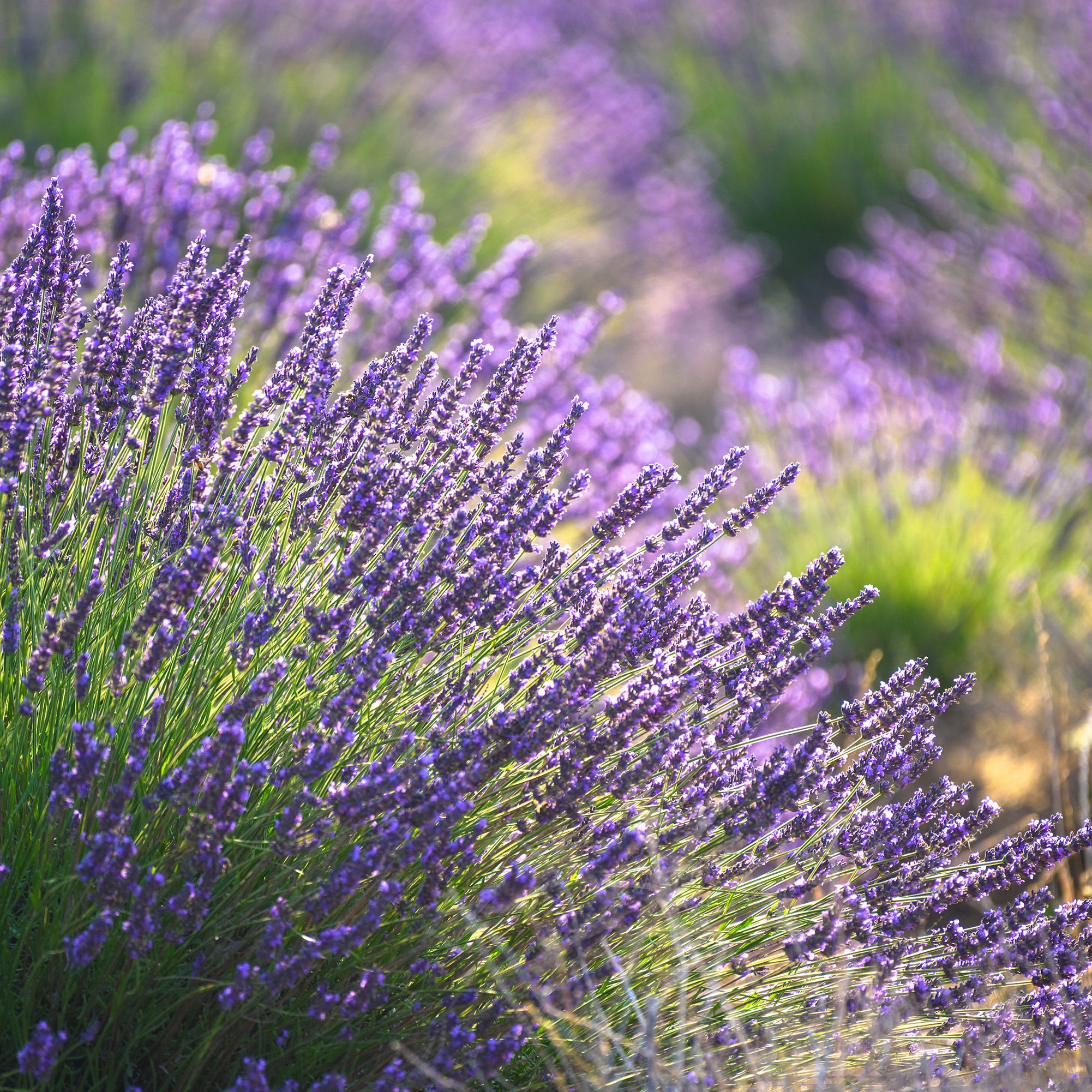
Lavender is a popular herb known for its fragrant flowers and essential oils, but there are several factors that can hinder its growth and overall health. Understanding what lavender does not like is crucial for providing the ideal conditions for this plant.
1. Poor Drainage
Lavender thrives in well-drained soil. Poor drainage can lead to waterlogging, which is detrimental to its health.
- Lavender prefers sandy or gravelly soil that drains quickly.
- Waterlogged soil can cause root rot, a common issue for lavender.
- Ensure that the planting area has good drainage either through the soil composition or by using pots with drainage holes.
2. Overwatering
Too much water is one of the most significant threats to lavender. Overwatering can lead to several problems that affect the plant's growth.
- Lavender needs infrequent watering, especially once established.
- Signs of overwatering include yellowing leaves and wilting, which can be mistaken for drought stress.
- Water should only be applied when the top inch of soil feels dry to the touch.
3. Heavy Clay Soil
Clay soil is not suitable for lavender, as it retains too much moisture and does not provide necessary aeration to the roots.
- Clay can prevent lavender’s roots from accessing oxygen, leading to stunted growth.
- If clay soil is the only option available, consider amending it with sand and organic matter to improve drainage.
- A raised bed filled with suitable soil can be an excellent solution for growing lavender in clay areas.
4. Excessive Humidity
Lavender prefers a dry climate and does not thrive in environments with high humidity.
- Excessive humidity can encourage fungal issues and promote diseases like mildew.
- In humid climates, spacing plants adequately can improve air circulation and reduce humidity exposure.
- If growing lavender indoors in a humid environment, consider using a dehumidifier or positioning the plants in a drier area.
5. Shade
Lavender requires full sun to grow optimally. Insufficient sunlight can lead to weak, leggy plants.
- Lavender should receive at least 6-8 hours of direct sunlight each day.
- When planted in shaded areas, lavender may not bloom effectively or could become susceptible to pest issues.
- If your garden is partially shaded, consider selecting a sunnier location for your lavender plants.
Questions from Our Readers
What vegetables should not be planted next to lavender?
Lavender should not be planted next to vegetables such as cabbage, lettuce, and peas, as these plants prefer a moist environment while lavender thrives in well-draining, dry conditions. The competition for resources and differing moisture needs can hinder their growth and health.
Can lavender be planted with herbs?
While lavender can be planted with some herbs like rosemary and sage, it should not be planted alongside mint or basil. These herbs often require more moisture, which is not compatible with lavender's preference for dry soil and can lead to overcrowding and poor growth.
See also:
Are there any ornamental plants that should be avoided near lavender?
Yes, ornamental plants like hostas and begonias should be avoided near lavender. These plants typically require more humidity and moisture, which can lead to stunted growth for lavender, as it prefers drier air and well-drained soil.
What are the effects of planting incompatible plants with lavender?
Planting incompatible plants with lavender can lead to poor growth, increased risk of disease, and overall garden imbalance. When plants with differing moisture and light requirements are combined, it often results in competition for nutrients and resources, negatively affecting the health of the lavender.

If you want to read more articles like What Should Not Be Planted Next to Lavender? A Complete Guide for Gardeners, we recommend you check out our Garden category.
Leave a Reply
Related Articles