What is the Most Ideal Flooring for a Greenhouse? A Comprehensive Guide to Choosing the Best Options
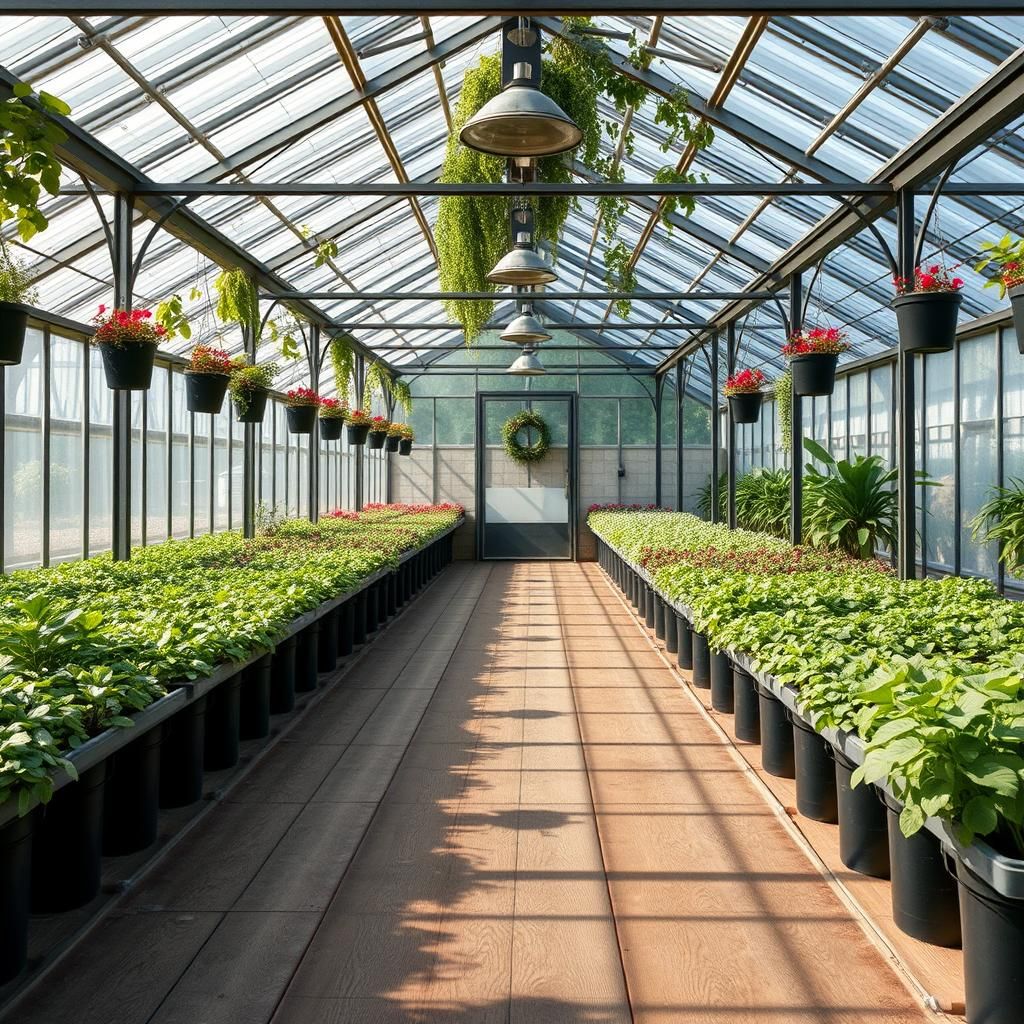
When establishing a greenhouse, selecting the right flooring is crucial for promoting plant health, managing drainage, and enhancing accessibility. The ideal flooring materials can significantly impact not only the aesthetic appeal but also the functionality of the space. This comprehensive guide aims to explore various flooring options, considering factors such as durability, cost-effectiveness, and environmental sustainability. From concrete and gravel to wood and tiles, we will delve into the advantages and disadvantages of each material, helping you make an informed decision that aligns with your gardening goals and ecological values. Let’s discover the best flooring solutions for your greenhouse.
What is the Ideal Flooring for a Greenhouse?
For a greenhouse, the ideal flooring should prioritize drainage, insulation, and ease of maintenance. Common options include concrete, gravel, pavers, and rubber mats. Concrete is durable and allows for efficient water management, while gravel provides excellent drainage and is less expensive. Pavers can create an attractive aesthetic and also offer good drainage, whereas rubber mats are easy to clean and provide cushioning for plants. Ultimately, the choice of flooring will depend on the specific needs of the plants being grown, the local climate, and the overall design of the greenhouse.
Advantages of Concrete Flooring
Concrete flooring in a greenhouse offers several advantages, including durability, stability, and ease of cleaning. It provides a solid surface that can withstand heavy equipment and foot traffic, making it ideal for larger greenhouses. Additionally, concrete helps with temperature regulation as it retains heat during cooler nights, creating a more stable environment for plants. Its smooth surface allows for easy sanitation, reducing the risk of disease spread among plants.
Benefits of Gravel Flooring
Gravel is an excellent choice for greenhouse flooring due to its exceptional drainage properties. It allows excess water to easily flow away, thus preventing waterlogging that can damage plant roots. Additionally, gravel is affordable and easy to install, making it a cost-effective option for hobbyists and larger operations alike. However, it does require periodic maintenance to replenish any displaced stones and to control weed growth.
Using Pavers in a Greenhouse
Pavers are another popular choice for greenhouse flooring, providing both aesthetic appeal and practical benefits. Available in various materials, such as brick, stone, or concrete, pavers can create a visually pleasing environment while facilitating water drainage. They are easy to replace if damaged and can be arranged to form unique designs. Nevertheless, proper installation is necessary to ensure that they remain level and minimize gaps that could harbor pests or disease.
See also:
Rubber Mats for Greenhouses
Rubber mats offer a soft flooring option that is particularly beneficial for gardens and greenhouses focused on propagation or seedling growth. These mats are non-slip, providing safety when navigating wet surfaces. They also help in preventing soil compaction and can improve plant health by allowing for better air circulation around roots. Furthermore, rubber mats are easy to clean, requiring only a simple wash to remove dirt and organic material.
Cost Considerations for Flooring Options
When choosing flooring for a greenhouse, cost is often a significant factor. Concrete can be moderately expensive due to material and labor costs, but its longevity may justify the investment. Gravel is one of the cheapest options, making it attractive for budget-conscious projects. Pavers can range widely in price based on type and design, while rubber mats often reflect the balance between durability and price, typically landing in the mid-range of costs. Below is a comparison table summarizing the costs and benefits of each flooring type.
| Flooring Type | Cost | Durability | Drainage | Maintenance |
|---|---|---|---|---|
| Concrete | Moderate | High | Good | Low |
| Gravel | Low | Moderate | Excellent | Moderate |
| Pavers | Varies | High | Good | Low |
| Rubber Mats | Moderate | Moderate | Fair | Low |
Considerations for Selecting the Right Greenhouse Flooring
When choosing flooring for your greenhouse, there are several key considerations to keep in mind. The primary factors include drainage, material durability, insulation, and how the flooring will interact with the planting medium. Different flooring options can significantly affect the environment within the greenhouse, ensuring optimal growing conditions for your plants. For instance, a permeable material may promote proper water drainage, while a solid surface can help in maintaining heat during colder months. It’s essential to assess the specific needs of the plants you plan to grow, alongside maintenance requirements and budget constraints, to find the flooring that best fits your greenhouse requirements.
Benefits of Concrete Flooring
Concrete flooring offers a range of benefits for greenhouse environments, including superior durability and low maintenance. Its solid surface is ideal for supporting heavy equipment and provides excellent drainage when properly formulated. Additionally, concrete can retain heat, which can help in moderating the internal greenhouse temperature, benefiting plant growth during cooler periods. This flooring type can also be easily sanitized, reducing the risk of disease transmission among plants.
Using Gravel as Greenhouse Flooring
Gravel is a popular choice for greenhouse flooring due to its excellent drainage properties. It allows water to pass through easily, reducing the risk of root rot and other moisture-related issues. Gravel also provides a natural aesthetic that can complement the plants, but it may require occasional raking to maintain a level surface. One downside is that weeds can grow through the gravel, necessitating regular maintenance to keep the area clean and prevent unwanted competition for nutrients.
See also:
Choosing Pavers for Greenhouse Flooring
Pavers are a versatile option for greenhouse flooring, offering a balance of durability and aesthetic appeal. They come in various materials, including brick, stone, and concrete, allowing homeowners to customize their greenhouse’s look while ensuring stability. The gaps between pavers can improve drainage, especially when filled with sand, allowing for effective water management during heavy rains or watering. However, care must be taken to avoid weed growth in the joints, which can detract from the overall appearance and health of the greenhouse.
The Role of Rubber Flooring in a Greenhouse
Rubber flooring is known for its shock-absorbent qualities, making it a safe option for foot traffic in a greenhouse. This flooring type provides a non-slip surface, reducing the risk of accidents, especially when wet. Additionally, rubber flooring can offer insulation, keeping the ground temperature stable which is beneficial for plant health. However, it might not provide as effective drainage as other materials, necessitating a well-planned watering routine to avoid excessive moisture accumulation.
Cost Considerations for Greenhouse Flooring Options
When selecting greenhouse flooring, cost is a crucial factor that should not be overlooked. Options like concrete and pavers typically have a higher initial investment but may offer cost-efficiency in the long run due to their durability and low maintenance needs. In contrast, materials like gravel may be more affordable upfront but require ongoing maintenance efforts and potential replenishment costs. Evaluating the long-term benefits against the initial costs is essential to make a financially sound decision for your greenhouse flooring.
Questions from Our Readers
What types of flooring are best for a greenhouse?
Cement and gravel are often considered the best flooring options for greenhouses due to their durability, ease of maintenance, and ability to provide good drainage. Additionally, porous materials like crushed stone can help prevent water pooling and facilitate proper air circulation around plant roots.
Is it necessary to have flooring in a greenhouse?
While it is not strictly necessary to have flooring in a greenhouse, having a defined flooring system can significantly improve the greenhouse's functionality. Flooring helps with drainage, reduces weed growth, and makes it easier to move around and maintain your plants.
See also:
Can I use wood as flooring in my greenhouse?
Wood can be used as flooring in a greenhouse, but it requires proper treatment and maintenance to withstand the humid environment. Using pressure-treated lumber or rot-resistant woods can help but be aware that wood may eventually decay or harbor pests if not monitored regularly.
What are the cost-effective flooring options for greenhouses?
Cost-effective options for greenhouse flooring include gravel and decomposed granite, which are both affordable and provide excellent drainage. Additionally, using pavers or repurposed materials can also reduce costs while offering a sturdy surface for walking and working within the greenhouse.
If you want to read more articles like What is the Most Ideal Flooring for a Greenhouse? A Comprehensive Guide to Choosing the Best Options, we recommend you check out our Garden category.
Leave a Reply
Related Articles