What is the Easiest Thing to Plant for Beginners? A Comprehensive Guide to Simple Gardening Choices

Gardening can be an enriching and fulfilling hobby, especially for beginners eager to connect with nature. However, choosing the right plants to start with can be daunting. This comprehensive guide aims to simplify the gardening journey by exploring some of the easiest things to plant. From vibrant flowers to delicious herbs and vegetables, we will discuss low-maintenance options that thrive with minimal effort. Whether you have a spacious backyard or a tiny balcony, this guide will provide you with practical tips and suggestions to help you cultivate a flourishing garden, encouraging you to embrace your green thumb with confidence.
What Are the Easiest Plants for Beginners to Grow?
For beginners, one of the easiest things to plant is herbs, particularly basil, parsley, and cilantro. These plants thrive in various conditions and do not require extensive gardening knowledge to grow successfully. They can be planted either in the ground or in containers, making them versatile choices for those starting their gardening journey. Additionally, herbs can be grown from seeds or young plants, allowing beginners to choose the method they feel most comfortable with. With proper sunlight, regular watering, and well-drained soil, novice gardeners can enjoy the rewarding experience of nurturing plants that can be used in cooking.
Benefits of Growing Herbs
Growing herbs offers several benefits for beginners, including easy maintenance and the ability to use them immediately in cooking. Herbs like basil and parsley not only provide flavor to meals but also come with the advantage of being harvested continuously throughout their growing season. This allows new gardeners to enjoy a fresh supply of tasty ingredients right from their home or balcony, encouraging them to experiment in the kitchen. Moreover, many herbs are naturally pest-resistant, reducing the need for chemical pesticides, which is an added bonus for those just starting in gardening.
Best Conditions for Planting
To ensure successful growth, herbs should be planted in a location that receives at least 6 hours of sunlight each day. This sunlight is crucial for the photosynthesis process, which helps herbs thrive. In addition to sunlight, herbs prefer well-drained soil that can retain some moisture without becoming waterlogged. A mix of garden soil and sand can create the perfect growing medium. Regular watering is vital, but care should be taken not to overwater, as this can lead to root rot, a common issue for beginners.
Container Gardening for Beginners
Container gardening is an excellent way for beginners to start growing herbs, especially if they have limited space. Pots can be placed on patios, balconies, or even kitchen windowsills, allowing for flexibility in gardening. When choosing containers, it’s important to select those that have drainage holes to prevent standing water. Beginners can start with smaller pots and gradually move to larger ones as the herbs grow. This method not only makes gardening more accessible but also allows for easier management of soil and watering, making it ideal for novice gardeners.
Common Mistakes to Avoid
New gardeners often make several common mistakes when growing herbs, the most frequent being overwatering. This can lead to drowning the plants and promoting fungal diseases. Additionally, not providing enough sunlight can inhibit healthy growth. Beginners might also neglect pruning, which is essential for many herbs to thrive and produce new leaves. Learning about each plant's specific growth requirements will help avoid these pitfalls and ensure a successful gardening experience right from the start.
Harvesting Tips for Beginners
Harvesting herbs can be a satisfying aspect of gardening. For beginners, it’s crucial to know when and how to harvest to encourage continued growth. Herbs should be harvested in the morning when their oils are most concentrated, ensuring the best flavor. It’s often recommended to cut above a leaf node, which will promote bushier growth and increase yield. Beginners should also be careful not to over-harvest, taking no more than one-third of the plant at a time to ensure that it continues to thrive and produce.
| Herb | Sunlight Needed | Water Requirements |
|---|---|---|
| Basil | 6-8 hours | Moderately moist |
| Parsley | 6 hours | Keep soil damp |
| Cilantro | 4-6 hours | Mildly moist |
What is the best thing to plant for beginners?
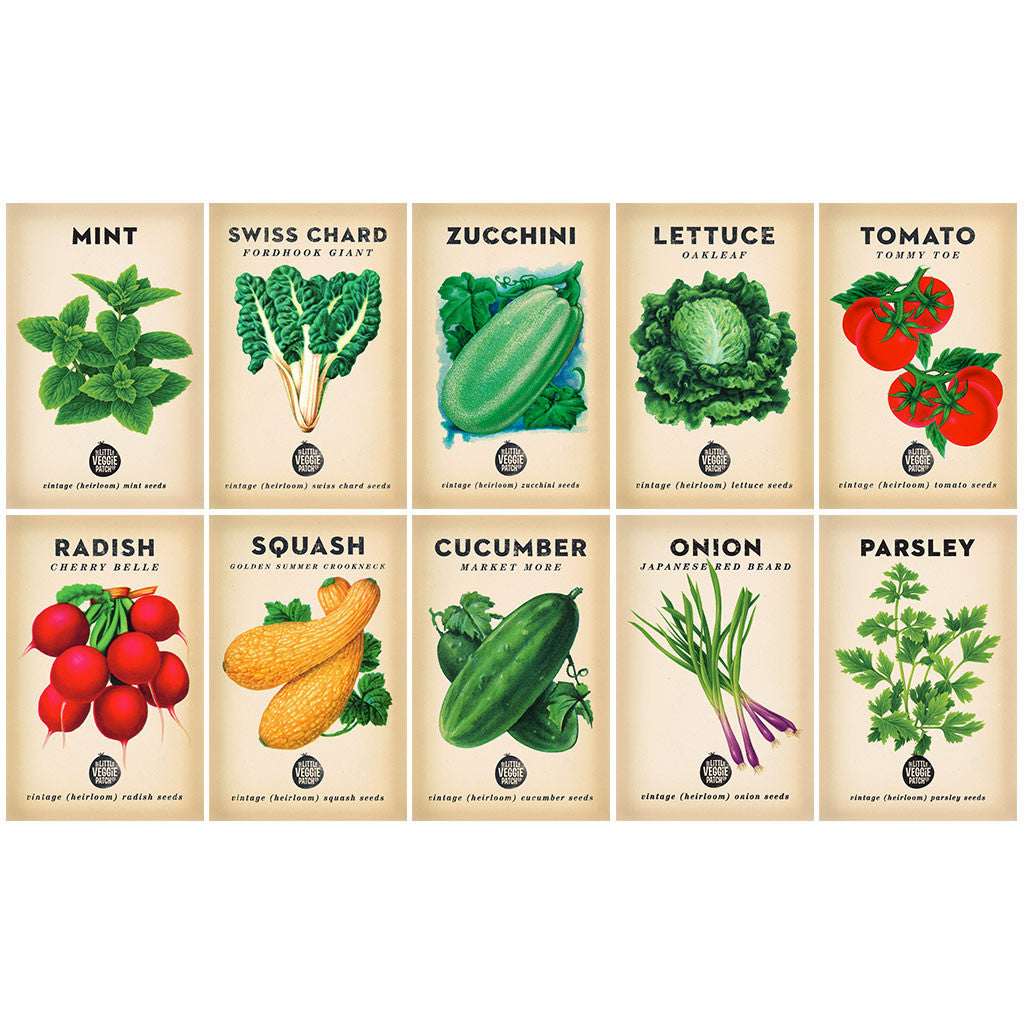
When it comes to gardening for beginners, selecting the right plants can make the entire experience more enjoyable and successful. The best things to plant for beginners typically include easy-to-grow vegetables and herbs that are forgiving and require minimal care. Here are some of the top recommendations:
1. Tomatoes
Tomatoes are a favorite among beginner gardeners due to their high yield and delightful taste. They're relatively easy to grow, and there are many varieties suited for both containers and garden beds. Here's why tomatoes are ideal for beginners:
- Variety of types: Cherry, beefsteak, and heirloom are just a few types.
- Supports well: They often require staking or cages to support growth.
- Fast growth: Generally, you can start seeing fruits in as little as 60 days.
2. Radishes
Radishes are one of the quickest crops you can grow, often maturing in just three to four weeks. They don't demand much space, making them perfect for small gardens or container growing. Here's what makes radishes great for beginners:
- Minimal care: Simply sow the seeds, keep the soil moist, and watch them grow.
- Multiple plantings: You can plant new seeds every few weeks for a continuous harvest.
- Soil compatibility: They thrive in various soil types as long as there’s drainage.
3. Lettuce
Lettuce is another great option for starters. It grows quickly and can be harvested multiple times throughout the season. The diversity of lettuce varieties allows for different textures and flavors in your salads. Key points about growing lettuce include:
- Quick germination: Seeds typically sprout within a week.
- Multiple varieties: Romaine, butterhead, and leaf lettuce offer a range of choices.
- Cool weather crops: They thrive in cooler seasons, ideal for spring and fall planting.
4. Herbs
Herbs such as basil, parsley, and cilantro are excellent choices for beginners because they grow easily in small spaces and can be used fresh in cooking. Here are some advantages of growing herbs:
See also:
- Indoor option: Many herbs can be grown indoors on a sunny windowsill.
- Minimal space required: They can thrive in small pots or containers.
- Continuous harvesting: Regular trimming encourages growth and keeps plants productive.
5. Peppers
Both hot and sweet peppers are suitable for beginner gardeners, offering a rewarding harvest and versatility in the kitchen. Peppers are relatively low maintenance and can adapt well to different growing conditions. Benefits of planting peppers include:
- Color variety: From green to red to yellow, peppers come in a range of colors.
- Compact plants: They don’t require a lot of space to grow.
- Long growing season: Peppers can produce fruits well into the fall with the right conditions.
What is the easiest plant for beginners?

The easiest plant for beginners is often considered to be the snake plant (Sansevieria), which is known for its hardiness and low maintenance requirements. This succulent is perfect for those who may not have a green thumb or are just starting their journey into plant care. The snake plant can thrive in a variety of conditions, making it an ideal choice for novice plant owners.
1. Low Maintenance Requirements
One of the most appealing traits of the snake plant is its low maintenance needs. It can survive in a wide range of lighting conditions, from low light to bright indirect sunlight. It only requires watering every few weeks, as it stores water in its leaves, making it very forgiving if you forget to water occasionally.
- No need for frequent watering.
- Can tolerate neglect and irregular care.
- Adaptable to various indoor environments.
2. Air Purification
The snake plant is not only easy to care for, but it also serves as an effective air purifier. It is known to filter out toxins such as formaldehyde, benzene, and xylene from the air, improving the indoor air quality in your home.
- Removes harmful pollutants from the air.
- Releases oxygen, contributing to a healthier environment.
- Recommended by NASA for indoor use.
3. Aesthetic Appeal
With its striking tall, upright leaves that come in a range of shades from deep green to variegated patterns, the snake plant can enhance the aesthetic of any room. Its architectural form adds a modern touch to home decor.
- Available in various sizes and leaf colors.
- Can be used as a focal point or complement other decor.
- Pairs well with various styles, from minimalist to bohemian.
4. Resilience to Pests and Diseases
The snake plant is surprisingly resilient when it comes to pests and diseases. It is less susceptible to common houseplant pests like spider mites and aphids, making it a safe choice for beginners who may be worried about plant health.
- Strong against infestations.
- Fungal and bacterial issues are rare.
- Ideal for first-time plant owners.
5. Variety of Species
There are numerous varieties of snake plants, each with its unique features. This diversity allows beginners to choose one that suits their personal style and space. Whether you prefer a classic look or something a bit more unique, there is almost certainly a snake plant variety for you.
- Sansevieria trifasciata (the most common variety).
- Sansevieria laurentii (with striking yellow edges).
- Sansevieria moonshine (featuring silvery-green leaves).
What is the easiest and fastest thing to grow?
The easiest and fastest thing to grow is often considered to be microgreens. These are young, edible plants that can be harvested just a few weeks after germination. They are packed with nutrients and flavor, making them a popular choice for both home gardeners and chefs.
Why Microgreens Are Ideal for Beginners
Microgreens are perfect for those who are new to gardening because they are easy to cultivate. Their short growth cycle means you won’t have to wait long to see results. Additionally, they require minimal space and can be grown indoors or outdoors.
- Quick growth: Most varieties are ready to harvest in just 7-21 days.
- Minimal equipment: You only need seeds, soil, and trays.
- Low maintenance: They require little watering and care.
Popular Types of Microgreens to Grow
There are many varieties of microgreens, each with unique flavors and nutrients. Some of the most popular types include:
- Arugula: Known for its peppery taste, rich in vitamins A, C, and K.
- Basil: Offers a sweet, aromatic flavor, perfect for culinary use.
- Radish: Delivers a spicy kick and is high in antioxidants.
How to Grow Microgreens Indoors
Growing microgreens indoors can be a rewarding experience. Here’s a simple method to get started:
See also:
- Choose your seeds: Select high-quality seeds meant for microgreens.
- Prepare your trays: Fill shallow trays with potting mix, ensuring good drainage.
- Water and cover: Water the seeds and cover them with a light layer of soil, ensuring they stay moist.
The Nutritional Benefits of Microgreens
Microgreens are not only easy to grow; they are also incredibly nutritious. They can contain several times more vitamins and minerals than their mature counterparts. Their health benefits include:
- Rich in nutrients: High concentrations of vitamins, minerals, and antioxidants.
- Boosted immunity: Their nutritional profile can support overall health.
- Easy to incorporate: They can be added to salads, sandwiches, and smoothies.
Harvesting and Enjoying Your Microgreens
Harvesting microgreens is a simple process. Generally, you want to cut them just above the soil level once they reach around 2-3 inches in height. Enjoying your freshly grown microgreens can be done in various ways:
- Salads: Add them for a nutrient boost and vibrant flavor.
- Smoothies: Blend them into your morning smoothies for added nutrition.
- Garnishes: Use them to enhance the presentation of dishes.
What is the best outdoor plant for lazy people?
:max_bytes(150000):strip_icc()/tough-garden-plants-4160885_Russian_Sage-80f709d2ee7b49a9a04ff012cf0b0d15.jpg)
The best outdoor plant for lazy people is the succulent. Succulents are known for their ability to store water in their leaves, making them resilient and low-maintenance. For those who want to enjoy a garden without the constant care that other plants require, succulents are an ideal choice. They thrive in a variety of outdoor conditions and require minimal watering, making them perfect for busy individuals or those who simply prefer a low-effort gardening experience.
Benefits of Growing Succulents
Succulents offer numerous benefits that make them an attractive option for lazy gardeners.
- Low Water Requirements: Succulents need very little water compared to other plants, often only requiring watering every couple of weeks.
- Resilient Nature: They are hardy plants that can withstand a range of environmental conditions, from droughts to varying sunlight exposure.
- Variety of Shapes and Sizes: With numerous species available, succulents can fit into any garden space and add visual interest.
Best Succulent Varieties for Outdoor Gardens
Choosing the right type of succulent can make a difference in your garden's aesthetics and maintenance.
- Agave: Known for its striking rosettes and sharp leaves, agave can tolerate drought conditions.
- Hens and Chicks: This low-growing succulent spreads easily and requires minimal care.
- Jade Plant: Jade plants are popular for their round leaves and bushy appearance, thriving in outdoor environments.
Tips for Planting Succulents Outdoors
Planting succulents outdoors requires some basic guidelines to ensure their health and longevity.
- Use Well-Draining Soil: Succulents prefer soil that drains quickly to avoid root rot.
- Choose the Right Location: Plant them in areas that receive plenty of sunlight, as most succulents thrive in bright conditions.
- Water Wisely: Only water when the soil is completely dry to the touch to prevent overwatering.
Maintenance Tips for Lazy Gardeners
Even though succulents are low-maintenance, a few simple care tips can ensure they stay healthy.
- Pruning: Remove dead leaves periodically to promote healthy growth and aesthetics.
- Fertilization: Apply a diluted fertilizer once or twice a year during the growing season.
- Check for Pests: Occasionally inspect for common pests like aphids and treat them as needed to keep your plants healthy.
Creating a Succulent Garden Aesthetic
Designing a succulent garden can be fun and engaging while still being low-effort.
- Group Varieties: Plant different varieties together to create visual contrast and interest.
- Use Decorative Pots: Incorporate colorful or uniquely shaped pots for an artistic touch.
- Add Rocks or Sand: Incorporate stones or decorative sand to mimic a desert landscape, enhancing the overall aesthetic.
Questions from Our Readers
What are the easiest vegetables to plant for beginners?
Radishes, lettuce, and zucchini are some of the easiest vegetables for beginners to grow. They have a quick germination time, require minimal care, and can be sown directly into the soil, making them perfect for new gardeners.
What flowers are easy to grow for beginners?
Some of the easiest flowers for beginners include marigolds, sunflowers, and cosmos. These varieties are known for their resilience, vibrant colors, and ability to thrive in different conditions, which makes them ideal for novice gardeners.
Can herbs be easily planted by beginners?
Yes, many herbs such as basil, chives, and mint are quite easy to plant and grow for beginners. They can be cultivated in pots or garden beds and require little maintenance while providing a rewarding harvest.
What tools do beginners need for planting?
Beginners typically need a few essential tools including a hand trowel, watering can, and gloves. These tools help with digging, planting, and caring for the garden, ensuring a successful planting experience.
See also:

If you want to read more articles like What is the Easiest Thing to Plant for Beginners? A Comprehensive Guide to Simple Gardening Choices, we recommend you check out our Garden category.
Leave a Reply
Related Articles