Can Carrots Grow Next to Garlic? A Guide to Companion Planting Success
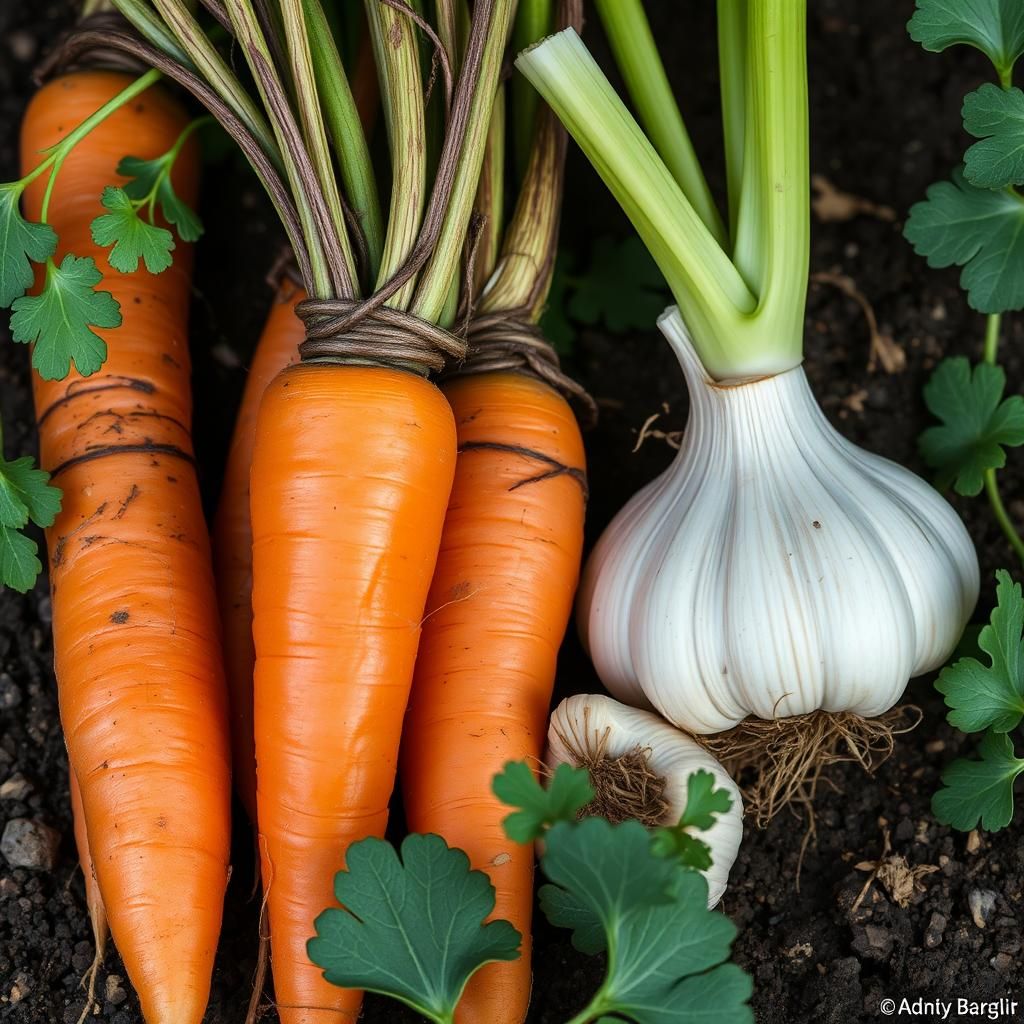
Companion planting is a gardening technique that can significantly enhance the health and yield of your crops. One common question among gardeners is whether carrots and garlic can thrive alongside each other. While both plants have unique growing requirements, understanding their compatibility can lead to a more productive garden. In this article, we will explore the benefits of planting carrots next to garlic, addressing potential challenges and offering practical tips for successful companion planting. Whether you’re a seasoned gardener or a beginner, this guide will provide valuable insights to help you maximize your garden’s potential.
Can Carrots Grow Next to Garlic?
Yes, carrots can grow next to garlic, and this combination can actually be quite beneficial for both plants. Garlic is known for its ability to repel certain pests, which can help protect carrots from root maggots and other insects that may damage their growth. The spacing between the two crops is essential to ensure they both have ample room to grow without competing for nutrients. Furthermore, the distinct fragrance of garlic may help mask the scent of carrots from pests, promoting a healthier garden environment. Overall, planting carrots adjacent to garlic is a good practice that can yield a prosperous harvest for both.
Benefits of Companion Planting
Companion planting is a gardening technique that involves growing different plants in close proximity for mutual benefits. When carrots and garlic are planted together, garlic can deter potential pests that threaten carrots, allowing them to grow without excessive damage. This relationship leads to a reduction in the use of chemical pesticides, creating a more sustainable garden. Additionally, the different root structures and nutrient needs of each plant can promote healthier soil and enhance the overall biodiversity of the garden ecosystem.
Optimal Growing Conditions
Both carrots and garlic thrive in similar growing conditions, such as well-drained soil with plenty of organic matter. They prefer a sunny location, receiving at least 6 hours of sunlight per day, and enjoy similar temperature ranges. Carrots typically prefer cooler temperatures, especially during germination, while garlic grows well in a broader range. Ensuring that both plants receive enough moisture without waterlogging is crucial for a successful garden. By maintaining the right conditions, both crops can flourish side by side.
Planting Techniques
When planting carrots next to garlic, it is important to consider the spacing between the two crops. Carrots should be sown in rows about 12 inches apart, while garlic can be planted in rows about 6 to 8 inches apart. This arrangement allows for proper air circulation and minimizes competition for nutrients. Carrots can be sown directly into the garden bed, while garlic cloves should be planted a few inches deep. Using mulch can help retain soil moisture and suppress weeds, benefiting both crops.
See also:
Potential Challenges
Despite the advantages of planting carrots and garlic together, there may be some challenges to consider. Garlic can release certain compounds that inhibit the growth of some nearby plants, so it's important to monitor for any adverse effects on the carrots. Additionally, both plants are susceptible to certain diseases and pests, which could potentially spread if not managed properly. Ensuring proper garden hygiene and pest management practices will help mitigate these risks and promote healthy growth.
Harvesting Tips
Harvesting carrots and garlic requires careful timing to ensure optimal flavor and quality. Carrots are generally ready to be harvested about 70-80 days after planting, while garlic typically takes about 8-9 months from planting to harvest. Checking the firmness and size of the carrots is essential, as they should be neither too small nor overly large. For garlic, the leaves will start to yellow when it is ready to be dug up. It’s important to handle both crops gently to avoid any damage that could lead to spoilage.
| Plant | Growing Time | Spacing |
|---|---|---|
| Carrots | 70-80 days | 12 inches apart |
| Garlic | 8-9 months | 6-8 inches apart |
Understanding the Benefits of Planting Carrots and Garlic Together
Planting carrots alongside garlic can be an excellent strategy in gardening due to the pest-repelling properties of garlic. The strong scent of garlic acts as a natural deterrent for common pests that might otherwise affect carrot crops, likely helping to protect their growth and yield. Furthermore, both crops have different growth habits; garlic grows tall while carrots develop below the soil, maximizing space in your garden. This effective companion planting method not only promotes healthier crops but also enhances overall garden biodiversity.
What Are the Benefits of Companion Planting?
Companion planting involves growing different types of plants close together for mutual benefit. The main advantages include natural pest control, improving soil quality, and maximizing space in gardens. Certain plants can offer shade, attract beneficial insects, or even improve the flavor and health of neighboring crops. In the case of carrots and garlic, their synergistic relationship can not only enhance the growth of both but also create an ecosystem that helps them thrive more effectively.
How Garlic Affects Pest Populations
Garlic is renowned for its pungent aroma, which can significantly reduce the populations of harmful pests such as aphids and carrot rust flies. The effective compounds present in garlic, such as allicin, act as a natural repellent. When planted next to carrots, garlic can help shield them from these pests, reducing the likelihood of crop damage and enhancing the overall yield of the carrot harvest.
See also:
Choosing the Right Garlic Variety to Plant
When selecting a garlic variety to plant alongside carrots, it's essential to consider factors like regional climate and soil type. Common varieties, such as hardneck and softneck garlic, each have distinct growth requirements and may affect neighboring plants differently. Consulting local guides and gardening resources can help you choose the most suitable garlic type that not only complements your carrots but also thrives in your specific gardening conditions.
Spacing and Planting Techniques for Success
Adequate spacing between carrots and garlic is crucial for maximizing growth potential. Carrots should ideally be sown in rows, with ample space provided for garlic bulbs. This arrangement allows both plants to access the necessary nutrients, water, and sunlight without severe competition. Utilizing proper techniques such as crop rotation and staggered planting times can further optimize the growth health of both crops while preventing overcrowding.
Harvesting Considerations for Carrots and Garlic
Understanding the right time to harvest both carrots and garlic is essential for achieving the best quality yield. Carrots typically take about 70 to 80 days to mature, while garlic can require a longer growing season of about 8 to 10 months. Timing your harvests properly ensures that both crops reach their peak flavor and size. Observation of the plants, such as garlic scape formation and carrot root size, can guide gardeners in determining the optimal harvesting timeframe.
Questions from Our Readers
Can carrots grow next to garlic?
Carrots can indeed grow next to garlic. In fact, garlic is known to have pest-repelling qualities that can be beneficial for carrots, helping to keep common pests at bay. The spacing and conditions for both plants are similar, making them suitable companions in the garden.
What benefits do garlic and carrots provide when planted together?
When planted together, garlic can help protect carrots from pests like carrot flies, while carrots may improve the overall growth conditions by utilizing nutrients effective in a mixed planting strategy. This companion planting can lead to a more vibrant and productive garden.
See also:
Are there any drawbacks to planting garlic near carrots?
While garlic and carrots generally coexist well, one potential drawback is that garlic can sometimes compete for nutrients and space. It is essential to ensure that they are planted with enough spacing to allow both plants to thrive without outcompeting each other.
What is the ideal planting distance between carrots and garlic?
The ideal planting distance between carrots and garlic is about 4 to 6 inches apart. This spacing allows for sufficient room for both plants to grow without hindering each other's development while still reaping the benefits of companion planting.

If you want to read more articles like Can Carrots Grow Next to Garlic? A Guide to Companion Planting Success, we recommend you check out our Garden category.
Leave a Reply
Related Articles