How Deep Does a Sunken Greenhouse Need to Be? A Complete Guide for Optimal Depth and Design

When considering a sunken greenhouse, determining the optimal depth is crucial for ensuring an effective growing environment. The right depth not only influences temperature regulation and humidity levels but also affects the overall design and functionality of the space. This comprehensive guide will explore various factors that determine the ideal depth for a sunken greenhouse, including climate conditions, plant types, and soil quality. By understanding these elements, gardeners can create a more efficient and productive greenhouse, ultimately enhancing plant growth and yield. Dive into the essentials of sunken greenhouse design and discover how to maximize your gardening success.
How Deep Should a Sunken Greenhouse Be?
When constructing a sunken greenhouse, the ideal depth largely depends on factors such as climate, soil type, and the specific plants intended for cultivation. Generally, a depth of about 2 to 4 feet is recommended to ensure that the greenhouse remains insulated from extreme temperatures while enabling effective drainage. This depth allows for better root development and can help maintain a more stable environment by leveraging the natural thermal mass of the earth surrounding the structure. It is crucial to also account for local frost lines, as digging deeper may be necessary in colder regions to prevent frost damage to the plants.
Factors Influencing Depth
The depth of a sunken greenhouse is influenced by various factors such as the local climate, soil drainage capabilities, and the specific vegetation that will be housed. For example, in warmer climates, less depth may be needed, while in regions with frequent frost, increased depth can provide necessary insulation. Additionally, well-draining soils may allow for shallower constructions, whereas clay or less permeable soils could necessitate more significant depth to prevent waterlogging.
Benefits of Sunken Greenhouses
Sunken greenhouses offer numerous benefits that make them an attractive option for gardeners. One primary advantage is the improved temperature regulation, as the ground can act as a natural temperature buffer, reducing the need for artificial heating or cooling. This can lead to lower energy costs while promoting better plant growth. Furthermore, they can enhance moisture retention in the soil, which is particularly beneficial for certain plant species.
Recommended Depths for Different Climates
The recommended depths for a sunken greenhouse can vary depending on climate zones. In temperate climates, a depth of 2 to 3 feet is often sufficient, as it provides adequate insulation against temperature swings. In arctic or extreme climates, however, depths of up to 4 feet or more may be necessary to keep the roots from freezing during harsh winters. Conversely, in tropical regions, a shallower depth of 1 to 2 feet may suffice due to milder temperature variations.
Construction Considerations
When building a sunken greenhouse, numerous construction considerations must be taken into account, including drainage, ventilation, and materials used. Adequate drainage is essential to prevent water accumulation, which can lead to root rot. Additionally, proper ventilation should be integrated within the structure to manage humidity levels and prevent overheating during warmer months. Selecting suitable materials, such as insulating panels or thermal mass elements, can further enhance the greenhouse's effectiveness.
How to Determine the Right Depth for Your Greenhouse
Determining the right depth for a sunken greenhouse involves evaluating soil conditions, climate, and the types of plants you intend to grow. Start by assessing your local frost line, which indicates how deep you should dig to prevent frost damage. Next, consider the specific requirements of your chosen crops, as some may require deeper soil for optimal growth. You can also conduct a drainage test in your soil to gauge how well water flows through, helping you select the most effective depth.
| Climate Type | Recommended Depth |
|---|---|
| Temperate | 2 - 3 feet |
| Arctic/Extreme | 4 feet + |
| Tropical | 1 - 2 feet |
How deep should a sunken greenhouse be?
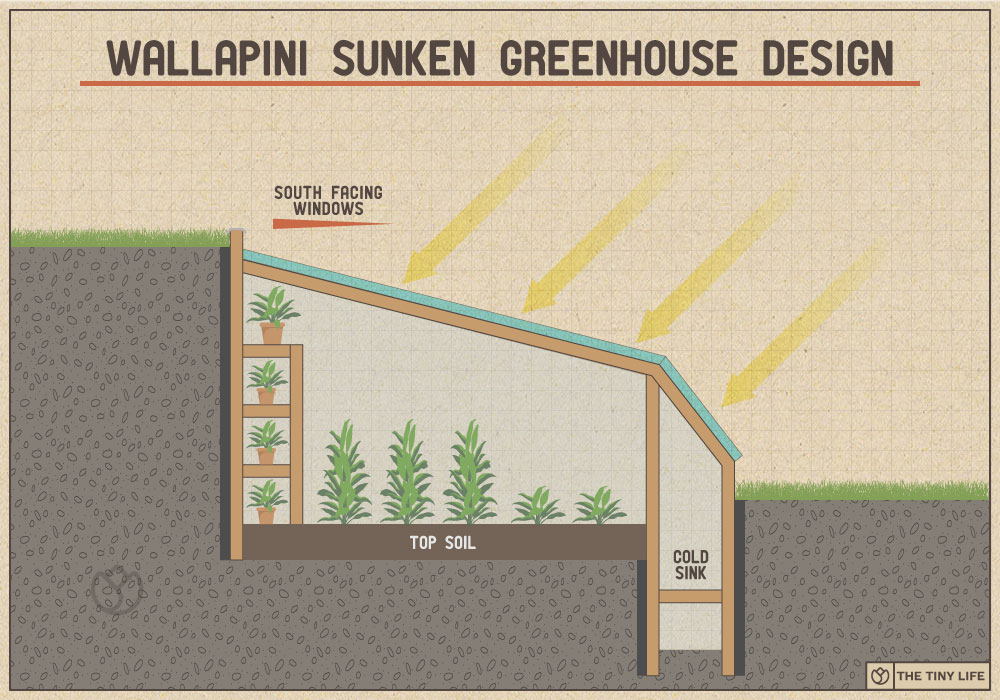
To determine how deep a sunken greenhouse should be, several factors need to be considered including climate, soil type, and the specific plants to be grown. Generally, a sunken greenhouse, which is often partially below ground level, should be at least three to four feet deep. This depth allows for adequate insulation, protecting the plants from extreme temperatures and providing a stable environment for growth. However, this can vary based on the following factors:
Climate Considerations
The climate in which the greenhouse is located plays a significant role in determining depth. In colder climates, a deeper sunken greenhouse can provide better insulation and temperature control. Factors to consider include:
- Insulation needs: Deeper depths can help regulate temperatures.
- Soil freeze level: Knowing how deep the frost line goes can guide depth decisions.
- Growing season: Longer seasons may require a deeper setup for better performance.
Soil Type
The type of soil affects drainage and root development, which are vital for plant health. Different soil types will require adjustments in greenhouse depth:
- Drainage: Sandy soils may require less depth; clay soils may need more consideration for drainage issues.
- Nutrient retention: Deepening can help in retaining nutrients in certain soil types.
- Soil stability: Ensure soil can hold up the structure without shifting.
Plants Being Grown
Different plants have specific root depth requirements, which can influence how deep the greenhouse should be:
- Tall plants: If growing taller plants, like tomatoes, ensure enough root space.
- Root vegetables: For plants like carrots, depth may need to increase significantly.
- Temperature-sensitive plants: Heat-loving plants may require adjustments in depth for optimal growth.
Ventilation and Sunlight Exposure
Proper ventilation and sunlight access are crucial to a greenhouse's success. Sunken greenhouses can face challenges in these areas:
See also:
- Air circulation: Ensure that the height allows for good airflow to reduce humidity.
- Sunlight: Adequate exposure should be maintained, requiring some above-ground presence.
- Design modifications: Consider adding windows or vents for improved ventilation.
Construction and Materials
The materials used for building a sunken greenhouse can also affect the required depth. Different construction methods offer varying levels of insulation and durability:
- Structure type: Wooden vs. metal frames can influence depth needs based on thermal conduction.
- Insulation materials: Use of insulating materials can sometimes reduce depth requirements.
- Foundation stability: Ensure that the depth accommodates a solid foundation for the entire structure.
Do sunken greenhouses work?
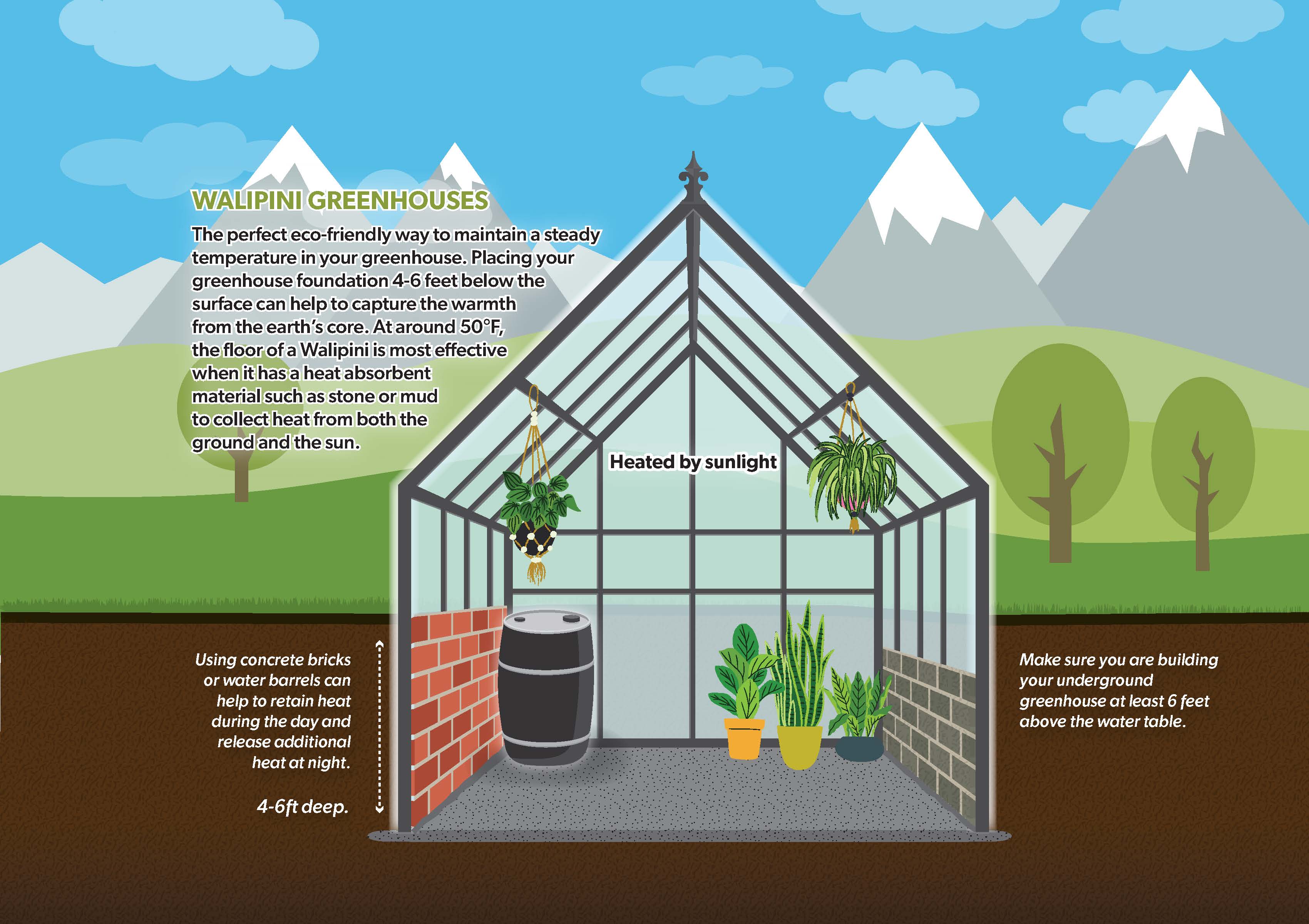
Sunken greenhouses, or underground greenhouses, have gained attention for their potential benefits in gardening and agriculture. The concept revolves around utilizing the earth's natural insulation properties to maintain a stable temperature for plant growth. Here’s an exploration of whether sunken greenhouses work effectively.
Benefits of Sunken Greenhouses
Sunken greenhouses offer several advantages that can enhance agricultural practices. Some of the key benefits include:
- Temperature Regulation: The earth provides a natural buffer against temperature fluctuations, which can help maintain optimal conditions for plant growth.
- Moisture Retention: Being partially underground can reduce water evaporation, preserving moisture in the soil and leading to lower irrigation needs.
- Protection from Winds: The sunken design can offer protection from strong winds, which can damage plants and disrupt their growth.
Temperature Control Mechanisms
Sunken greenhouses utilize specific mechanisms to control temperature more efficiently than traditional greenhouses. These mechanisms include:
- Thermal Mass: The surrounding earth acts as a thermal mass that absorbs heat during the day and releases it at night, stabilizing temperatures.
- Natural Ventilation: Properly designed ventilation allows for heat exchange while minimizing heat loss.
- Geothermal Heat: In colder climates, the earth's temperature below the surface can be warmer than the air above, aiding in heating the greenhouse.
Crop Selection for Sunken Greenhouses
Choosing the right crops is crucial for maximizing the effectiveness of sunken greenhouses. Suitable plants include:
- Cool-Season Crops: Vegetables like lettuce, spinach, and kale thrive in cooler temperatures, making them ideal for this environment.
- Tropical Plants: Certain plants that prefer stable, warm conditions can do well in the consistent temperatures provided by a sunken greenhouse.
- Herbs: Many herbs benefit from the controlled environment, allowing for year-round cultivation.
Construction Considerations
Building a sunken greenhouse involves specific construction considerations to ensure effectiveness. Key elements include:
- Location: Selecting a site with good drainage and ample sunlight exposure is essential for optimal growth conditions.
- Materials: Using high-quality materials for walls and glazing to maximize insulation and minimize heat loss is critical.
- Design: Incorporating proper design features like sloped walls can enhance water drainage and natural light entry.
Challenges and Considerations
While sunken greenhouses have their benefits, there are also challenges to consider:
- Initial Cost: The upfront investment for construction can be higher than traditional greenhouses due to excavation and specialized materials.
- Drainage Issues: Poor drainage can lead to flooding or water accumulation, which can harm plants if not managed correctly.
- Accessibility: Accessing plants can be more difficult, requiring careful planning in the design phase to allow for easy maintenance.
How deep does a geothermal greenhouse need to be?
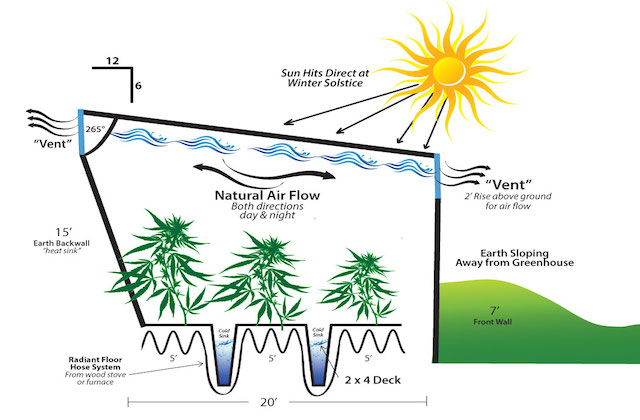
The depth of a geothermal greenhouse can vary based on several factors, including geographic location, the specific thermal dynamics of the site, and the crops being grown. However, a general guideline is that a geothermal greenhouse should have access to geothermal heat sources approximately 4 to 10 feet deep. This range allows for optimal heat exchange without encountering cooler subsoil layers, ensuring the greenhouse maintains a consistent temperature throughout the growing season.
Understanding Geothermal Energy
Geothermal energy harnesses the Earth's natural heat, which can be utilized for various agricultural applications, including greenhouses. The temperature of the ground remains relatively stable below a certain depth, typically around 10 feet. Here are some considerations regarding geothermal energy:
- Stable Temperature: At sufficient depths, the ground temperature may range from 50°F to 70°F, providing a consistent environment for plant growth.
- Renewable Resource: Geothermal energy is sustainable and reduces reliance on fossil fuels, making it environmentally friendly.
- Cost-Effectiveness: While initial investments can be high, geothermal systems often lead to lower operating costs due to reduced energy needs.
Factors Influencing Depth
The specific depth required for geothermal greenhouses depends on various factors unique to each site. Considerations include local soil composition, climate, and the intended use of the greenhouse. The following factors can influence depth:
- Soil Type: Different soil compositions can retain heat differently, affecting the necessary depth for efficient geothermal heat extraction.
- Climate: Colder climates may require deeper installations to access warmer geothermal layers.
- Crop Needs: Specific crops may have unique temperature requirements that mandate specific geothermal setups.
Designing a Geothermal Greenhouse
When designing a geothermal greenhouse, it is crucial to integrate elements that maximize heat retention while minimizing heat loss. Here are some design considerations to take into account:
See also:
- Insulation: Proper insulation of walls and roofs can reduce heat loss and maintain stable temperatures.
- Piping Layout: The geothermal heating system should include well-designed piping to effectively distribute heat across the greenhouse.
- Orientation: The greenhouse should be positioned to maximize solar gain alongside geothermal heating.
Benefits of Geothermal Greenhouses
Utilizing geothermal energy in greenhouses presents numerous advantages, enhancing both productivity and sustainability. The benefits include:
- Extended Growing Seasons: Maintaining consistent temperatures allows for year-round cultivation of crops.
- Reduced Energy Costs: Geothermal systems typically result in lower heating expenses compared to conventional methods.
- Improved Crop Quality: A stable temperature environment leads to healthier plants and higher yields.
Challenges and Considerations
While geothermal greenhouses offer significant benefits, there are potential challenges to be mindful of. Addressing these challenges can lead to more effective greenhouse management. Key challenges include:
- Initial Investment: The cost of establishing a geothermal system can be high and requires careful financial planning.
- Site Assessment: Conducting thorough site assessments is essential for identifying the best geothermal sources and optimal depths.
- Maintenance: Regular maintenance of the geothermal system is necessary to ensure efficiency and longevity.
How deep does a greenhouse base need to be?
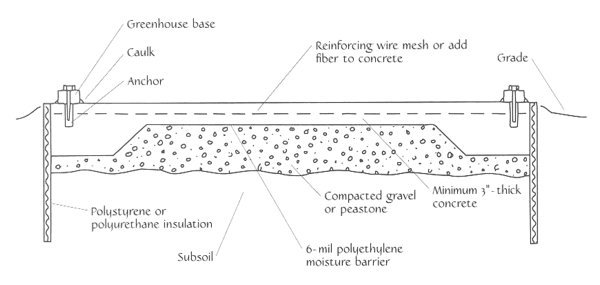
The depth of a greenhouse base largely depends on several factors, including the climate of the area, soil type, and the style of greenhouse you are planning to build. A general guideline is that the base should be at least 12 to 18 inches deep. This depth helps ensure that the structure is stable and can support the weight of the greenhouse while providing adequate drainage and preventing issues related to frost heave.
Importance of Base Depth
A proper base depth is crucial for the overall stability and longevity of the greenhouse. It contributes to several essential aspects:
- Structural Integrity: A deeper base helps distribute the weight of the greenhouse more evenly.
- Moisture Control: Adequate depth aids in effective drainage, reducing the risk of water accumulation.
- Temperature Regulation: Proper base depth can help moderate the soil temperature, benefiting plant growth.
Soil Type Considerations
The type of soil in which you are constructing your greenhouse can significantly influence the required base depth:
- Sandy Soil: Typically has good drainage, allowing for shallower base depths of around 12 inches.
- Clay Soil: Retains water and may need a deeper base of up to 18 inches for improved drainage.
- Rocky Soil: May require additional excavation and deeper foundations to ensure stability and levelness.
Climate Influence on Base Depth
Climate conditions play a role in determining the appropriate base depth:
- Frost-Prone Areas: Should consider a deeper base to prevent frost damage and heave.
- Wet Regions: A deeper base can help manage excess moisture and provide proper drainage.
- Dry Climates: May require less depth, focusing instead on ensuring good drainage through construction.
Types of Greenhouse Structures
Different greenhouse designs can also impact the required base depth:
- Freestanding Greenhouses: Generally require a deeper base for stability due to their independent structure.
- Lean-to Greenhouses: Might need shallower foundations since they share a wall with another structure.
- Portable Greenhouses: Typically require less depth, often relying on weight distribution rather than depth for stability.
Building Codes and Regulations
It’s essential to consider local building codes and regulations that may dictate specific requirements for the base depth:
- Permits: Some areas require permits that specify depth based on local soil and climate conditions.
- Safety Standards: Building codes ensure that structures can withstand local weather patterns, affecting base depth.
- Consulting Local Experts: It's beneficial to consult local builders or agricultural extension offices for tailored advice.
Questions from Our Readers
How deep does a sunken greenhouse need to be for optimal temperature regulation?
The ideal depth for a sunken greenhouse should be around 3 to 4 feet. This depth allows for better insulation from external temperature fluctuations, helping to maintain a stable environment for plant growth.
Can the depth of a sunken greenhouse affect its structural integrity?
Yes, the depth can significantly impact the structural integrity of a sunken greenhouse. If not properly designed, deeper greenhouses may face challenges like water drainage issues and soil erosion that can compromise their stability.
What factors should be considered when determining the depth of a sunken greenhouse?
When determining the depth, factors such as the local climate, soil type, and plant selection should be considered. Understanding how these elements interact will help in achieving the best results for your sunken greenhouse.
Is there a maximum depth recommended for a sunken greenhouse?
While there isn't a strict maximum depth, going deeper than 6 feet may complicate construction, increase costs, and create potential ventilation challenges. It's best to balance depth with practical factors and the specific needs of the plants intended for cultivation.
See also:
If you want to read more articles like How Deep Does a Sunken Greenhouse Need to Be? A Complete Guide for Optimal Depth and Design, we recommend you check out our Garden category.
Leave a Reply
Related Articles