What is the Most Basic Garden Layout? A Comprehensive Guide for Beginners
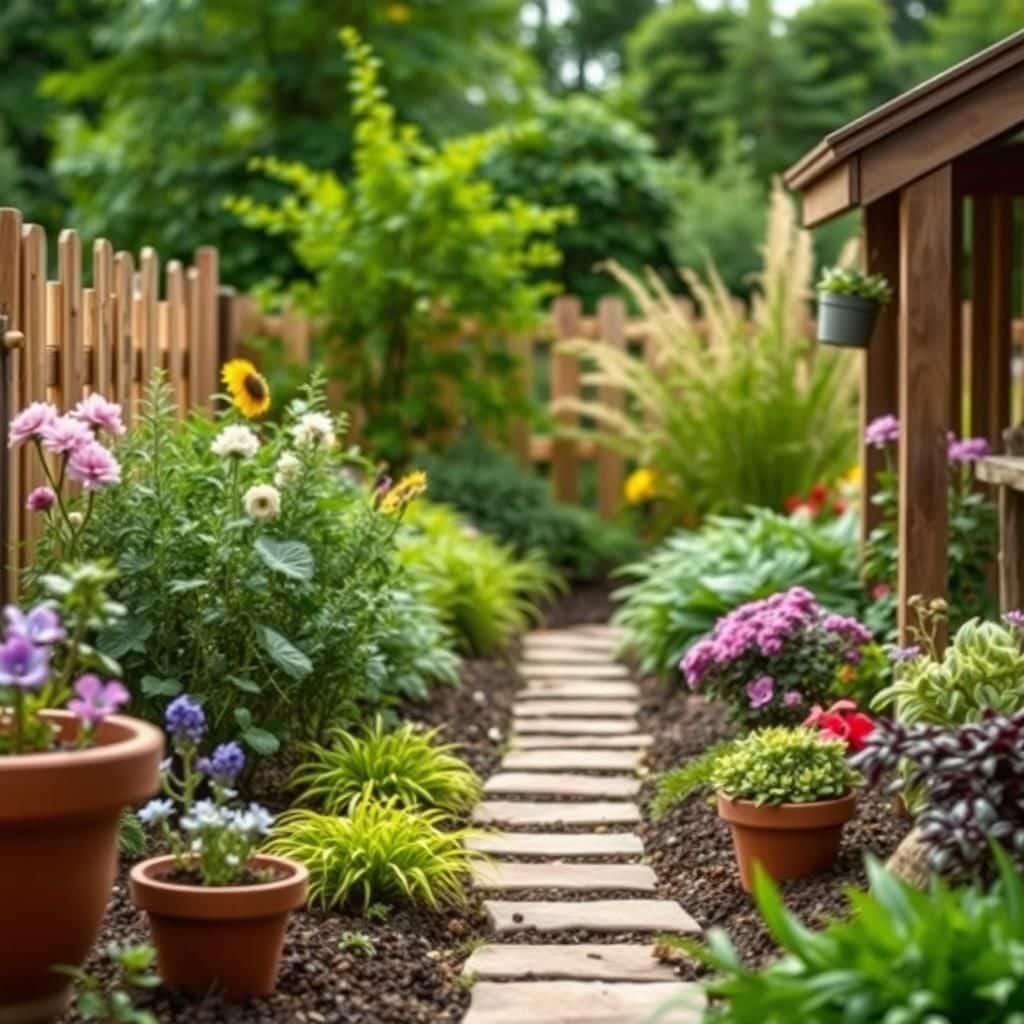
Starting a garden can be an exciting yet daunting task, especially for beginners. Understanding the most basic garden layout is essential for ensuring a thriving outdoor space. This comprehensive guide will walk you through fundamental concepts, helping you create a garden that suits your lifestyle and preferences. From selecting the right location to planning the arrangement of plants, this article will cover all the key elements you need to consider. Whether you're dreaming of a flower-filled oasis or a productive vegetable patch, mastering the basics of garden design is the first step towards enjoying the fruits of your labor.
Understanding the Most Basic Garden Layout
The most basic garden layout typically consists of structured planting areas that utilize simple geometric shapes such as rectangles or squares, often ideal for beginners and those looking to create a functional outdoor space. This layout generally incorporates divided sections for different types of plants, enabling easy access for maintenance and harvesting. Common elements include raised beds, pathways for navigation, and designated areas for vegetables, herbs, and flowers. Utilizing this layout allows gardeners to maximize space and efficiently manage resources like sunlight and water while maintaining an aesthetically pleasing arrangement.
Components of a Basic Garden Layout
A basic garden layout should include essential components such as planting beds, pathways, and water sources. Planting beds can be organized in rows or raised beds, allowing for easy access and proper drainage. Pathways made of gravel or stepping stones help define the garden’s structure while enabling movement without compacting the soil. Additionally, access to water, whether from a hose or drip irrigation system, is crucial for maintaining plant health and ensuring consistent growth.
Choosing the Right Plants
When planning a basic garden layout, selecting the right plants is vital for success. Consider factors such as climate, soil type, and sunlight exposure when choosing plants. For instance, sunny areas may be ideal for vegetables like tomatoes or peppers, whereas partial shade can support leafy greens. Additionally, understanding the growth patterns and sizes of plants will aid in appropriate spacing and prevent overcrowding, ensuring each plant has enough resources to thrive.
Designing Pathways
The design of pathways in a basic garden layout is fundamental for ease of access and gardening efficiency. Pathways should be wide enough to allow for comfortable movement, typically at least 2 to 3 feet wide. Materials for pathways can vary, from natural options like wood chips or mulch to more permanent solutions like bricks or pavers. Properly designed pathways not only enhance accessibility but also contribute to the overall aesthetic of the garden, providing structure and organization.
See also:
Utilizing Vertical Space
In a basic garden layout, utilizing vertical space can greatly enhance plant diversity and save ground space. Techniques such as trellising or using vertical planters allow for the growth of climbing plants like beans or cucumbers. This method not only maximizes space but also improves air circulation around plants and can reduce the risk of disease. By incorporating vertical elements, gardeners can create a more layered and visually appealing garden.
Maintaining Your Basic Garden Layout
Regular maintenance is essential for preserving the effectiveness of a basic garden layout. This includes tasks such as weeding, watering, and pruning to ensure that the plants remain healthy and productive. Establishing a routine schedule for maintenance helps in early detection of issues like pests or diseases. Additionally, keeping the garden tidy and organized by regularly clearing pathways and dead foliage contributes to a pleasant and functioning gardening environment.
| Element | Description |
|---|---|
| Planting Beds | Organized areas for growing plants, can be in rows or raised formats. |
| Pathways | Defined routes for navigation, essential for ease of access and maintenance. |
| Water Sources | Facilities for irrigation to support plant growth. |
| Vertical Space | Techniques to grow plants upwards, maximizing space efficiently. |
| Maintenance | Regular care activities to ensure plant health and garden organization. |
Understanding the Essentials of a Basic Garden Layout
A basic garden layout is essential for beginners, as it establishes a functional and aesthetically pleasing space for growing plants. The design typically involves key elements such as beds, paths, and access points. Beginners should consider their specific space, the climate, and the types of plants they wish to grow. Starting with a simple rectangular layout can make it easier to manage, ensuring that there is enough room for each plant to flourish while allowing for easy accessibility for maintenance tasks like watering and weeding. Drawing a plan on paper can help visualize the layout before implementing it, ensuring that sunlight, soil quality, and water drainage are optimized for a successful garden.
Choosing the Right Plants for Your Garden
Selecting the right plants is crucial for a basic garden layout. Beginners should opt for native species or hardy plants that are suited to their local climate, as these plants typically need less maintenance. It’s also essential to consider the growth habits of plants, such as height and spread, to ensure they won’t overcrowd each other in the garden layout. Pairing companion plants can also enhance growth and deter pests, making it a beneficial aspect to consider during the planning phase.
Designing Garden Beds
Garden beds are typically the main feature of a basic garden layout. When designing your garden beds, it’s important to decide on their shape, size, and height. Raised beds are a popular choice for beginners as they improve drainage and soil quality while providing a defined boundary for planting. It's also helpful to establish pathways between the beds to facilitate easy access for maintenance and harvesting, while ensuring they are designed to support good drainage and soil aeration.
See also:
Creating Pathways and Access Areas
Pathways are an integral part of any garden layout, providing access to plants while preventing soil compaction in the planting areas. A simple layout might include gravel or mulch paths that can affordably separate garden beds and facilitate movement. When selecting the width of the pathways, it is vital to consider how equipment and tools will be used, making sure that there is enough room for a wheelbarrow or other gardening tools to pass through easily. This setup not only maximizes usability but also enhances the overall beauty of the garden.
Incorporating Garden Accessories
Adding garden accessories such as fencing, trellises, and benches can significantly enhance your garden layout. Fences can provide necessary protection from pests, while trellises allow for vertical gardening, maximizing space. Benches or seating areas can offer a spot to relax and admire your work. When integrating accessories, consider their placement to ensure they complement the design without cluttering the layout or blocking sunlight from reaching the plants.
Assessing Water Supply and Drainage
Water efficiency is crucial for maintaining a healthy garden, so understanding the water supply and drainage systems is essential in your garden layout plan. Beginners should consider installing a drip irrigation system for efficient watering, especially in drier climates. Additionally, understanding the natural drainage patterns of your garden area can prevent water from pooling, which can harm roots. Implementing features such as swales or rain gardens can improve water management and promote a healthier garden ecosystem.
Questions from Our Readers
What is the most basic garden layout?
The most basic garden layout is typically a rectangular or square shape, often divided into sections or beds. This allows for easy organization and access to plants. The layout can also include paths to facilitate movement and maintenance, ensuring that each area is easily reachable.
What are the key elements of a basic garden layout?
Key elements of a basic garden layout include plant beds, which are designated areas for planting, and pathways that provide access to different parts of the garden. Additionally, one might incorporate features such as a central focal point or borders to define the garden’s edges.
See also:
How can I design a basic garden layout for beginners?
For beginners, designing a basic garden layout involves sketching a simple plan that includes rows or clusters of plants, ensuring adequate spacing for growth. It’s important to consider sunlight, water access, and the types of plants being grown to optimize the layout.
What types of plants are suitable for a basic garden layout?
A variety of vegetables, flowers, and herbs can be suitable for a basic garden layout, depending on your climate and preferences. Common choices include lettuce, tomatoes, marigolds, and basil, as they are relatively easy to manage and can thrive in a straightforward design.
If you want to read more articles like What is the Most Basic Garden Layout? A Comprehensive Guide for Beginners, we recommend you check out our Garden category.
Leave a Reply
Related Articles