How Many Different Plants Should You Have in a Garden? A Guide to Diverse Gardening Choices

Creating a diverse garden not only enhances the aesthetic appeal of your outdoor space but also promotes a healthier ecosystem. With myriad plant species available, deciding how many different plants to incorporate can be overwhelming. This guide aims to clarify the benefits of diverse gardening choices, helping you determine the optimal variety for your garden. From attracting pollinators to ensuring year-round interest, explore the considerations that will shape your gardening experience. Whether you're a seasoned gardener or a beginner, understanding plant diversity will empower you to cultivate a vibrant and sustainable garden that flourishes with life.
How Many Different Plants Should You Have in a Garden?
The number of different plants to include in a garden largely depends on factors such as the garden's size, your local climate, and personal preferences. A standard recommendation is to incorporate a mix of around 5 to 15 different plant species to create diversity and ensure that the garden remains aesthetically pleasing throughout different seasons. This variety helps in attracting beneficial pollinators, provides habitat for wildlife, and enhances the garden’s resilience to diseases and pests. Furthermore, certain plants can fulfill multiple roles, such as providing edible produce while also enhancing your garden’s beauty.
Benefits of Plant Diversity
Planting a variety of species enhances biodiversity, which is crucial for a healthy ecosystem. Different plants can support various forms of wildlife, such as insects and birds, encouraging a balanced food web. Additionally, diverse plants are more resilient to diseases, pests, and extreme weather, which means your garden is less likely to suffer total losses during unfavorable conditions.
Local Climate Considerations
Understanding your local climate is essential when determining how many plant species to include in your garden. Some areas may have harsh winters or hot summers that can limit the types of plants that will thrive. Researching native plants or those adapted to your locale can enhance your garden's success and minimize water and maintenance needs.
Space and Layout Planning
The space available for your garden will significantly influence the number of plants you can incorporate. In smaller gardens, it's beneficial to focus on vertical gardening or companion planting, which allows for a larger variety in a confined area. Larger spaces can accommodate more diverse plant species but also require careful planning to ensure that each plant has enough room to grow without overcrowding.
Personal Preferences and Aesthetic Choices
Personal taste plays a vital role in plant selection. Some gardeners prefer a more formal landscape, while others may enjoy a wildflower garden. Incorporating plants that bloom at different times can create visual interest throughout the seasons, enhancing the overall beauty of your space. Consider including plants with varying colors, textures, and shapes to satisfy both aesthetic desires.
Maintenance and Care Requirements
Each plant species comes with its specific maintenance needs, from watering and pruning to pest management. When selecting plants, it's important to choose a mix that matches your level of commitment and available time. For instance, choosing some native plants that require less care can balance out those that may need more attention, resulting in a garden that is both beautiful and manageable.
| Factor | Recommendation |
|---|---|
| Size of Garden | 5 to 15 different plant species |
| Local Climate | Research native plants |
| Space Constraints | Consider vertical gardening |
| Aesthetics | Include diverse colors and textures |
| Maintenance Level | Balance high and low care plants |
How many plants should you have in your garden?
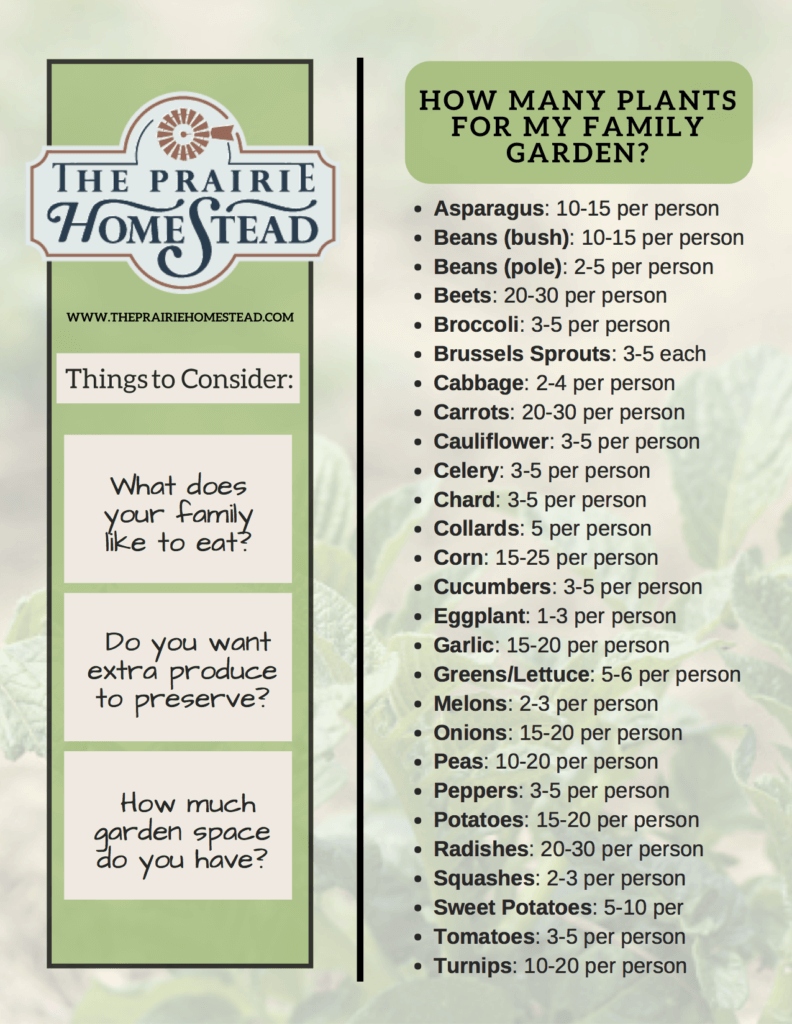
The number of plants you should have in your garden can vary widely based on several factors, including the garden's size, the types of plants, your gardening goals, and local climate conditions. While there's no one-size-fits-all answer, a good starting point involves assessing your space and needs. Generally, an effective garden could have anywhere from a few dozen to well over a hundred plants, depending on these variables.
Consider the Size of Your Garden
The size of your garden plays a crucial role in determining how many plants you can accommodate. Understanding your available space will help you make informed decisions.
See also:
- Small gardens: Typically suited for 5-20 plants.
- Medium gardens: Can support around 20-50 plants.
- Large gardens: May hold 50-100+ plants depending on layout.
Plant Types and Their Requirements
Different plants have varying space needs and growth habits. It's essential to consider the characteristics of the plants you wish to include in your garden.
- Annuals vs. Perennials: Annuals require more space as they are often substantial and lush.
- Herbaceous vs. Woody plants: Herbaceous plants might occupy less space compared to woody shrubs.
- Climbers vs. Groundcovers: Climbing plants can use vertical space, allowing more ground space for other varieties.
Your Gardening Goals
Understanding your gardening goals—whether for aesthetics, food production, or ecological benefits—will influence how many plants you should incorporate.
- Aesthetic gardens: Focus on a balanced arrangement which could range from 10-30 plants for diverse blooms.
- Vegetable gardens: Typically require a higher density, often from 20-100 plants depending on crop rotation.
- Wildlife gardens: Should focus on biodiversity, potentially exceeding 50 plants to attract various species.
Maintenance and Care
The level of maintenance you are willing to commit to will also help determine your plant quantity. More plants can mean more work.
- Time commitment: Fewer plants may be ideal for low-maintenance preferences.
- Skill level: Beginners may prefer starting with 10-20 manageable plants.
- Group planting: Techniques like companion planting can maximize benefits without overwhelming you.
Local Climate and Conditions
Finally, the local climate and soil conditions can dictate how many plants thrive in your garden. These aspects should not be overlooked when planning your garden.
- Hardiness zones: Identify what grows best in your USDA zone to avoid failures.
- Soil health: Optimized soil can support more plants as they can access nutrients better.
- Water availability: Drier climates may necessitate fewer plants, whereas regions with ample rainfall can support denser planting.
What is a good layout for a vegetable garden?
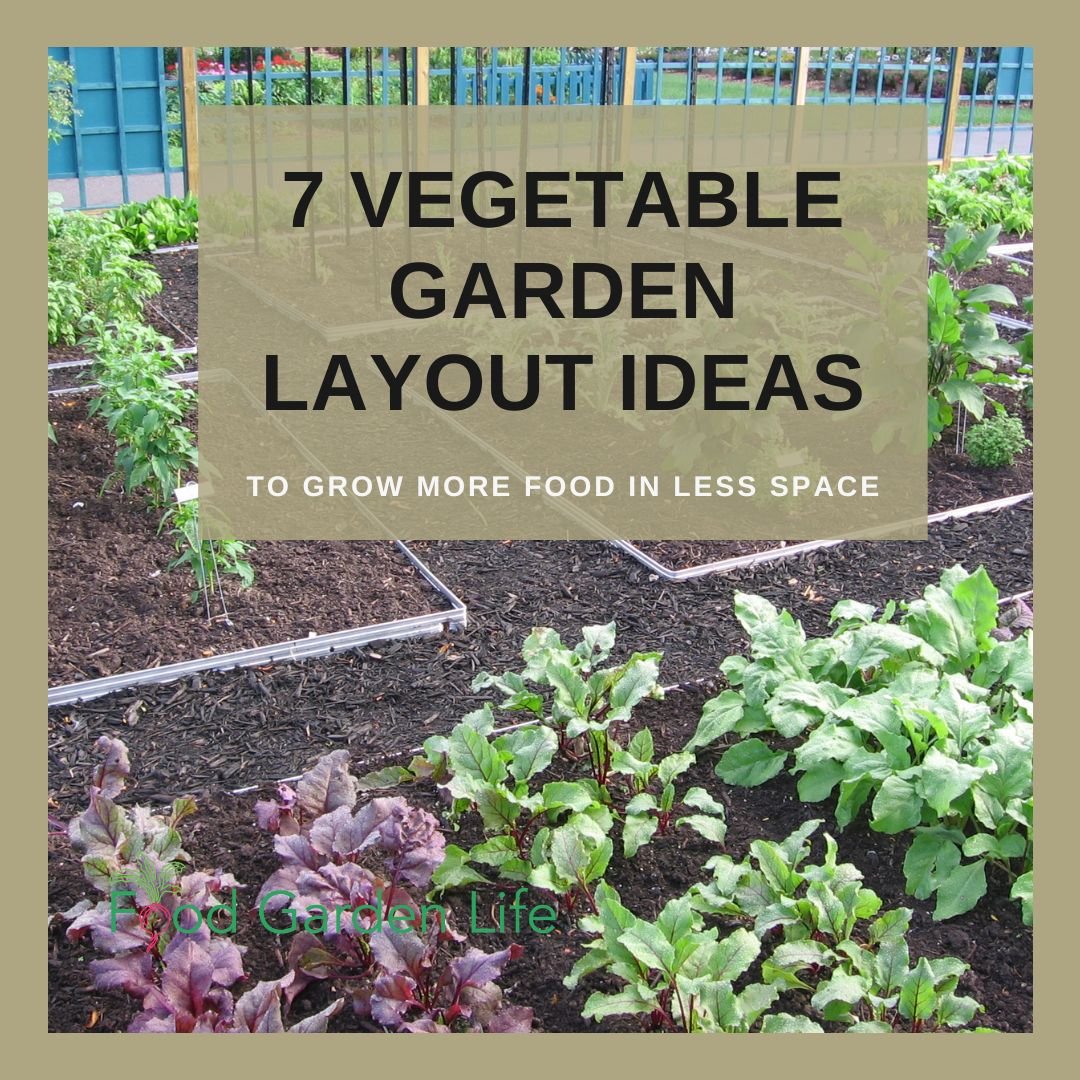
A good layout for a vegetable garden is essential for maximizing space, ensuring proper growth, and maintaining good plant health. The layout typically involves several key principles that take into consideration light exposure, plant height, and companion planting. Here are crucial elements to consider when designing your vegetable garden.
Choosing the Right Location
The first step in establishing a good vegetable garden layout is to select an appropriate location. This spot should have ample sunlight, access to water, and protection from harsh weather conditions. Consider the following factors when choosing the location:
- Sunlight: Ensure your garden receives at least 6-8 hours of sunlight daily.
- Water access: Proximity to a water source is crucial for maintaining healthy plants.
- Wind protection: Use natural barriers, like trees or fences, to shield your garden from strong winds.
Garden Bed Design
The design of your garden beds is another critical aspect. Raised beds, in particular, are popular among vegetable gardeners because they offer good drainage and ease of maintenance. Consider these design options:
- Raised beds: Typically 12-18 inches high, they improve drainage and soil quality.
- In-ground beds: Traditional method suitable for larger gardens with good soil.
- Container gardening: Ideal for small spaces; allows for mobility and customization.
Plant Positioning
How you position your plants directly affects their growth and productivity. Plant height and growth habits must be considered to ensure all plants receive adequate sunlight. Key positioning strategies include:
- Tall plants: Such as corn or sunflowers should be placed on the north side to avoid shading shorter plants.
- Medium plants: Such as peppers and tomatoes, can be positioned in the middle layers to utilize space effectively.
- Short plants: Like lettuce or radishes, can be planted in the front or around taller plants to maximize exposure.
Companion Planting
Companion planting is a technique where certain plants are grown together to enhance growth and repel pests. This method contributes to a healthier and more productive garden. When planning your layout, incorporate these companions:
See also:
- Tomatoes and basil: Basil enhances tomato flavor and deters pests.
- Cucumbers and radishes: Radishes help deter cucumber beetles.
- Carrots and onions: Onions repel carrot flies while carrots do not interfere with onions.
Space and Accessibility
Proper spacing between plants is vital for air circulation, nutrient access, and easy maintenance. Ensure that your layout allows for easy access for watering and harvesting. Consider the following spacing rules:
- Row spacing: Typically 18-24 inches for medium to large plants like tomatoes.
- Intra-row spacing: For smaller plants, maintain about 6-12 inches apart to avoid overcrowding.
- Walkways: Include paths of at least 2 feet wide between beds for easier access.
How should I arrange plants in my garden?
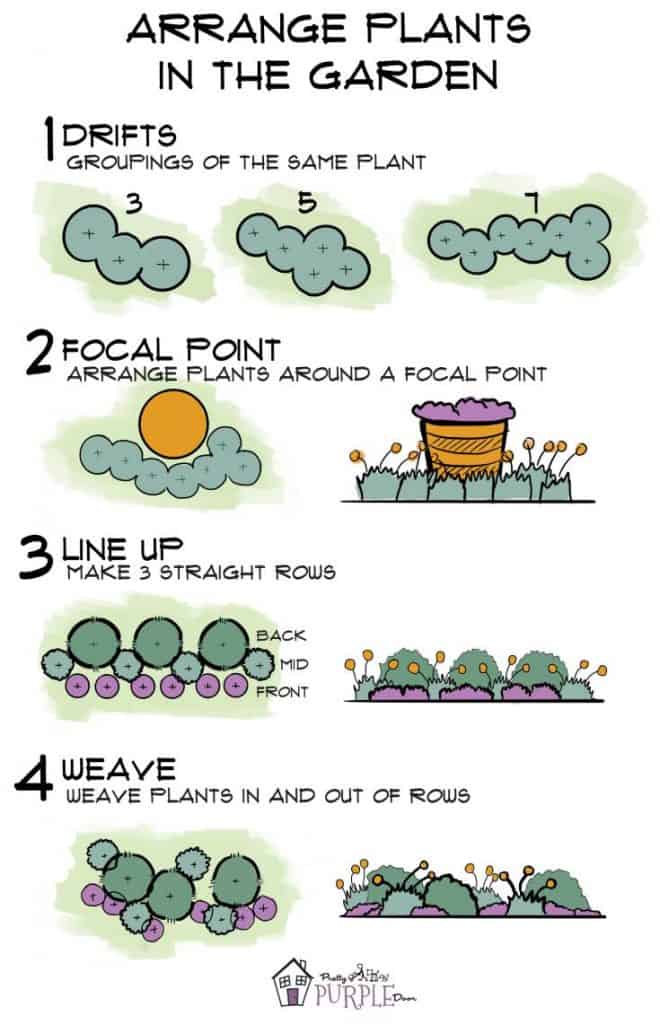
To effectively arrange plants in your garden, you should consider various factors such as plant heights, lighting conditions, and seasonal changes. A well-planned garden layout will enhance the beauty of your outdoor space while ensuring that each plant can thrive. Here are some key principles to guide your arrangement:
Understanding Plant Heights
Arranging plants by their height is crucial for creating a visually appealing garden. Taller plants should be positioned at the back when planting in a bed or in the center of a round garden. This not only allows them to be seen but also ensures that shorter plants receive adequate sunlight.
- Background Placement: Place the tallest plants at the rear or center.
- Mid-height Plants: Position medium-sized plants in the middle.
- Front of the Border: Arrange shorter plants toward the edges.
Considering Light and Shade
Different plants have varying light requirements; some may thrive in full sun while others prefer partial shade. Understanding the light conditions of your garden is essential for plant health.
- Map Your Garden: Observe sunlight patterns throughout the day.
- Group According to Light Needs: Organize plants with similar light preferences together.
- Use Tall Plants for Shade: Position taller plants to create shade for those that prefer it.
Seasonal Interest
To maintain visual interest throughout the year, plan for seasonal blooms and changes in foliage. Selecting plants that flower in different seasons ensures your garden remains attractive no matter the time of year.
- Spring Blooms: Choose early bloomers like tulips or daffodils.
- Summer Colors: Incorporate vibrant perennials like coneflowers and daylilies.
- Autumn Foliage: Add plants that change color, like maples or asters.
Creating Focal Points
Focal points draw the eye and can make your garden more inviting. You can create them using standout plants, sculptures, or water features. Strategically placing these elements can significantly enhance the overall aesthetic of your garden.
- Choose a Feature: Select a plant or structure as the main attraction.
- Position Strategically: Place the focal point where it can be easily viewed.
- Complementing Elements: Arrange surrounding plants to highlight the focal point.
Selecting Companion Plants
Companion planting involves grouping plants that benefit each other together. Certain plants can repel pests, enhance growth, or provide nutrients to one another, leading to a healthier garden overall.
- Diverse Planting: Mix different plant types for a balanced ecosystem.
- Pest Control: Incorporate aromatic herbs like basil to deter pests.
- Soil Fertility: Include legumes that can enrich the soil with nitrogen.
Questions from Our Readers
How many different plants should I have in my garden?
A diverse garden can be beneficial, but the exact number of different plants depends on various factors like the size of your garden, the climate, and your personal preferences. Generally, having 10 to 20 different species can create a balanced ecosystem while ensuring a visually appealing display.
Does having more plant varieties benefit the garden?
Yes, having a variety of plants can provide many advantages such as attracting pollinators, improving soil health, and offering better resistance to pests and diseases. A diverse plant selection can also lead to a more sustainable and resilient garden.
See also:
Can I plant the same type of plant in different areas of my garden?
Planting the same type of plant in different areas is known as crop rotation or diversification, which can be beneficial. However, it's advisable to also include other varieties to enhance biodiversity and improve the overall health of your garden.
What factors should I consider when choosing plant varieties for my garden?
When selecting plant varieties, consider factors such as climate adaptability, growth habits, sunlight requirements, and soil conditions. You should also take into account seasonal changes and maintenance needs to ensure a thriving garden throughout the year.

If you want to read more articles like How Many Different Plants Should You Have in a Garden? A Guide to Diverse Gardening Choices, we recommend you check out our Garden category.
Leave a Reply
Related Articles