What Month is the Best Time to Garden? Your Ultimate Guide to Seasonal Gardening Tips
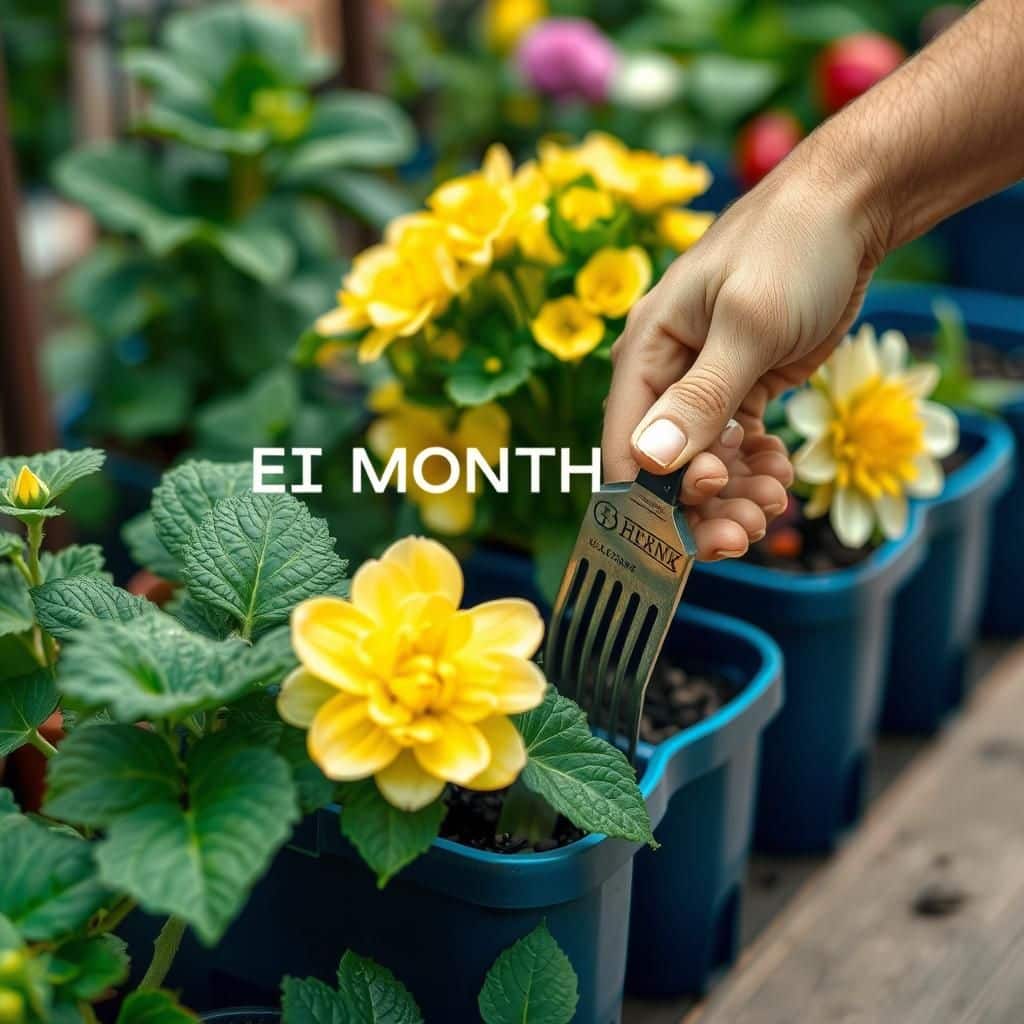
Gardening is a rewarding endeavor that connects us with nature and provides fresh produce and beautiful blooms. However, the success of your garden largely depends on the timing of your planting and maintenance activities throughout the year. Different seasons bring unique challenges and opportunities for gardeners. In this ultimate guide, we will explore which month is the best time to garden, considering climate variations, plant species, and soil conditions. Whether you're a novice or a seasoned gardener, these seasonal gardening tips will help you maximize your garden's potential and enjoy bountiful harvests all year round.
What Is the Best Month to Start Gardening?
The best month to start gardening largely depends on your climate and the types of plants you wish to grow. Generally, for most temperate regions, April is considered an ideal time to begin planting as the temperatures are warming and the risk of frost diminishes. However, it's essential to check your local frost dates and consider your specific growing zone. In warmer regions, you might start as early as March, while colder areas may need to wait until May. Preparation, such as soil conditioning and planting native or seasonal crops, can also significantly impact your garden's success.
Understanding Growing Zones
Growing zones are critical in determining the best time to garden. The USDA Plant Hardiness Zone Map divides regions based on average annual minimum temperatures, helping gardeners understand which plants can thrive in their area. Each zone has a unique frost date and growing season length. For instance, Cooler zones (like 3 or 4) may have shorter growing seasons compared to warmer zones (like 8 or 9). By knowing your zone, you can better time your planting and choose the right crops.
Timing for Vegetable Gardens
Vegetable gardens often have specific planting calendars linked to seasons. For example, cool-season crops such as lettuce and peas can be planted in early spring (March to April), while warm-season crops like tomatoes and peppers thrive when planted in late spring (May). Understanding the growth requirements and ideal planting times for various vegetables is crucial for a successful garden. A well-planned garden calendar minimizes risks of frost damage and ensures optimal growth conditions.
Seasonal Flower Planting
When it comes to flowering plants, the timing can vary considerably. Perennials can often be planted in early spring, while annuals should usually be introduced after the last frost, typically around late May. Some flowers, such as bulbs, are planted in the fall for spring blooms, emphasizing the importance of seasonal knowledge. Familiarity with flowering schedules allows for a blooming garden throughout spring and summer, enhancing its aesthetic appeal.
Soil Preparation and Fertilization
Before planting, proper soil preparation is vital to ensure plant health. It involves testing soil pH, adding organic matter, and incorporating suitable fertilizers. Early spring is the perfect time to amend soil, as it allows the materials to integrate before planting. Additionally, ensuring adequate drainage and aeration in the soil can help seedlings establish themselves more effectively. Well-prepared soil directly influences growth rates and overall garden productivity.
Weather Considerations
Weather plays a crucial role in determining the best time to garden. Monitoring local forecasts for temperature and rain patterns can help you avoid planting during unfavorable conditions. Spring weather can be unpredictable, with late frosts still a possibility. Therefore, using cloches or row covers can protect young plants from unexpected cold snaps. Being adaptable to weather changes allows gardeners to optimize planting times and minimize losses.
| Month | Recommended Action |
|---|---|
| March | Start cool-season crops indoors |
| April | Begin outdoor planting for cool-season veggies |
| May | Plant warm-season vegetables after frost |
| June | Maintain established plants and monitor pests |
| September | Prepare for fall gardens and bulb planting |
What month is a good month to plant a garden?

The best month to plant a garden largely depends on your location and the type of plants you wish to grow. In general, springtime is considered the ideal season for starting a garden, but the specific month can vary based on climate zones. For many regions, late March to early May serves as a suitable window for planting.
Gardening in spring allows plants to take advantage of warming soil temperatures and longer daylight hours, which are essential for growth. However, it's crucial to check the last frost date for your specific area to avoid damaging young plants with late freezes.
1. Understanding Plant Hardiness Zones
Understanding the USDA Plant Hardiness Zone Map is vital for deciding when to plant a garden.
- The map divides regions based on average minimum winter temperatures, which helps identify what plants can thrive in different areas.
- Understanding your zone will inform you about the optimal planting times to ensure successful growth.
- Knowing your zone helps to choose appropriate plants that will survive and flourish in your climate conditions.
2. Seasonal Climate Considerations
The seasonal climate variations in your area will influence the best month for planting.
- Regions with a mild winter may allow for an earlier planting date than areas that experience harsh winter conditions.
- Spring planting is typically safe after the last frost date, which can be significantly different depending on geographical location.
- In warmer climates, planting can extend into early fall for crops that can tolerate cooler weather.
3. Types of Plants and Their Planting Times
The type of plants you want to grow affects when you should plant them.
See also:
- Cool-season crops like lettuce and peas can be sown as early as March in many regions.
- Warm-season crops such as tomatoes and peppers should be planted after the danger of frost has passed, typically from late April to May.
- Knowing specific planting times for each type of plant ensures optimal yields and healthier garden growth.
4. Local Gardening Resources
Utilizing local gardening resources can guide you in determining the best planting month.
- Local extension services often provide tailored advice based on your exact location and conditions.
- Gardening clubs and community gardens frequently share valuable insights into successful planting times.
- Local nurseries can offer specific recommendations based on their experience with regional plants.
5. Preparing Your Garden Bed
Preparation of your garden bed should be completed before planting.
- Soil testing is crucial to determine pH and nutrient levels, which will set your garden up for success.
- Amending your soil with compost or other organic matter should be done weeks in advance of planting to allow it to integrate.
- Creating a well-drained, nutrient-rich garden bed enhances plant growth no matter when planting begins.
Which month is best for gardening?
The best month for gardening largely depends on the climate of your region, the type of plants you want to grow, and the gardening practices you prefer. However, for many areas, April is often considered the ideal month to start gardening. This month typically marks the transition from winter to spring, providing the right conditions for seeds to germinate and plants to thrive. Here's a detailed look at why April is favored and other considerations:
Optimal Weather Conditions in April
April generally offers milder temperatures and increased daylight hours, making it an excellent time for planting. Most hardy annuals and perennials can be sown either directly in the garden or started indoors. This not only encourages healthy plant growth but also enhances germination rates.
- Average temperatures become favorable, avoiding the extremes of winter.
- Increased rainfall supports the moisture needs of new plants.
- Longer days mean more sunlight for growing plants.
Prepping Your Garden in March
While April is prime for planting, doing your homework in March can set you up for success. Gardeners should use March to prepare the garden beds, ensuring soil is well-aerated and nutrient-rich through amendments such as compost.
- Clear the garden of winter debris to prevent pests and diseases.
- Test soil for pH levels and nutrient content.
- Plan planting layouts to maximize space and resource use.
Types of Plants for April Gardening
Choosing the right plants is crucial in April gardening. Many popular vegetables and flowers can be sown this month. Cool-season crops such as spinach, lettuce, and peas thrive when planted in early spring, taking advantage of the cooler temperatures.
- Cool-season crops can be sown early to harvest before summer heat.
- Annual flowers like pansies and snapdragons can add color to gardens.
- Herbs such as parsley and cilantro grow well in early spring conditions.
Pest Control and Garden Maintenance
As your garden begins to grow, it's essential to monitor for pests that may emerge in the spring. In April, take preventative measures to protect your tender plants from common pests while also allowing beneficial insects to contribute to a thriving ecosystem.
- Implement companion planting to deter pests.
- Use organic pest control methods to protect young plants.
- Regularly check and maintain soil health to keep plants robust.
Seasonal Gardening Trends
Gardening trends can change seasonally, and April is often when many gardeners embrace sustainable practices. This month marks a surge in interest for permaculture, native plants, and organic gardening due to rising environmental awareness.
- More gardeners are growing from seeds instead of buying plants.
- Native plants are preferred for their adaptability and low maintenance needs.
- Vegetable gardening is on the rise as people seek food security.
What is the most common mistake of first time gardeners?

The most common mistake of first-time gardeners is overwatering their plants. While it is essential to provide adequate moisture for plant growth, many new gardeners tend to assume that more water means healthier plants. This misconception can lead to root rot, fungal diseases, and other moisture-related issues that can ultimately harm or kill the plants.
Understanding Soil Drainage
Proper soil drainage is crucial for the health of the roots. Gardeners often overlook this aspect and might plant in soil that retains too much water. It’s essential to ensure that the soil allows excess water to escape effectively.
- Test the soil by digging a hole and observing how quickly it drains.
- Amend heavy soils with organic matter to improve drainage.
- Consider raised beds or containers for better control over soil moisture.
Knowing Your Plants’ Watering Needs
Different plants have unique watering requirements, and it’s vital to understand these needs before watering. New gardeners often apply a one-size-fits-all approach to their watering routines.
See also:
- Research each plant species thoroughly to learn about its moisture requirements.
- Group plants with similar watering needs together to simplify care.
- Pay attention to the season and adjust watering frequency accordingly.
The Importance of Soil Testing
Many novice gardeners neglect to test their soil before planting. Soil health plays a significant role in plant growth, and understanding pH levels and nutrient content can prevent problems associated with overwatering.
- Conduct a soil test to identify nutrient deficiencies.
- Adjust soil pH if necessary to match the needs of specific plants.
- Incorporate necessary amendments based on test results to improve overall soil quality.
Recognizing Signs of Overwatering
First-time gardeners might not recognize the signs of overwatering until it’s too late. It’s essential to be aware of the symptoms to act quickly and save struggling plants.
- Look for yellowing leaves, which can indicate root issues.
- Check for wilting despite wet soil, as this can be a sign of root rot.
- Monitor leaf drop and other abnormal behaviors that suggest distress from overwatering.
Implementing a Watering Schedule
Establishing a proper watering schedule is often overlooked by beginners. Consistency allows plants to thrive, and a schedule helps avoid the pitfalls of both overwatering and underwatering.
- Determine the best time of day to water—early morning is often ideal.
- Use weather forecasts to adjust your schedule according to rainfall.
- Keep a gardening journal to track watering habits and plant responses.
When should I start my outdoor garden?
:strip_icc()/garden-path-leading-underneath-trellis-roses-ccab4820-bf659328e5044d0ba639f1c48c3ab66a.jpg)
To determine when to start your outdoor garden, several factors need to be considered, including climate, the type of plants you wish to grow, and seasonal conditions. The best time to begin your gardening efforts typically depends on the growing zone you are in, which can affect the last frost date and overall soil temperature.
Understanding Your Climate Zone
The first step in planning your outdoor garden is to identify your climate zone. The United States Department of Agriculture (USDA) has outlined several climate zones based on temperature ranges and frost dates.
- Check the USDA Plant Hardiness Zone Map to know which plants will thrive in your area.
- Look for your average last frost date to determine when it’s safe to plant outside.
- Research the best planting times based on your specific zone for vegetables and flowers.
Temperature Considerations
Soil temperature is a critical factor for germination and plant growth. Most seeds require a minimum soil temperature to sprout effectively.
- Use a soil thermometer to measure the current soil temperature; most seeds need at least 60°F (15°C).
- Consider the nighttime temperatures, as consistently low temperatures can affect young plants.
- Delay planting if your local forecast predicts a cold snap that could damage seedlings.
Spring Planting Guidelines
Spring is the most common season for starting outdoor gardens, but specific timing can vary based on local conditions and plant types.
- Prepare your garden beds a few weeks before the last frost date to allow the soil to warm up.
- Start with cold-tolerant crops such as peas and spinach, which can be planted as early as 2-4 weeks before the last frost.
- For tender plants like tomatoes and peppers, wait until after the last frost date for a successful planting.
Fall Planting and Winter Preparation
In addition to spring, fall can also be a suitable time to start certain gardens, especially for overwintering crops or preparing for spring growth.
- Consider planting fall crops like kale and garlic that thrive in cooler weather.
- Work on soil health by adding compost and nutrient-rich amendments before winter.
- Mulch your garden beds to protect the soil and improve conditions for spring planting.
Planning Ahead for Future Seasons
Planning your garden ahead of time can lead to a more successful growing season.
- Keep a garden journal to track planting dates, crop rotations, and outcomes from previous years.
- Research new plant varieties that may perform better in your climate or improve harvest yields.
- Attend local gardening workshops for tips specific to your area and climate challenges.
Questions from Our Readers
What month is the best time to start a garden?
The best month to start a garden often depends on your climate zone. Generally, spring is considered the ideal time, particularly from March to May, when temperatures begin to rise, and the danger of frost diminishes, allowing plants to thrive.
Are there specific months for different types of plants?
Yes, different types of plants have specific growing seasons. For instance, cool-season crops like lettuce and peas thrive when planted in early spring or late summer, while warm-season crops like tomatoes and peppers are best planted after the last frost date in late spring.
Can I garden year-round?
Yes, with the right techniques and planning, you can garden year-round. Utilizing methods like greenhouses, cold frames, or indoor gardening allows you to grow various plants in the winter months and extend your growing season.
See also:
How does local weather affect gardening months?
Local weather significantly impacts when you can effectively garden. Temperature, precipitation, and even the timing of frost can shift the best gardening months, so it's crucial to monitor your local climate and adapt your gardening schedule accordingly.

If you want to read more articles like What Month is the Best Time to Garden? Your Ultimate Guide to Seasonal Gardening Tips, we recommend you check out our Garden category.
Leave a Reply
Related Articles