What is the Least Expensive Way to Landscape? Discover Affordable Tips and Ideas
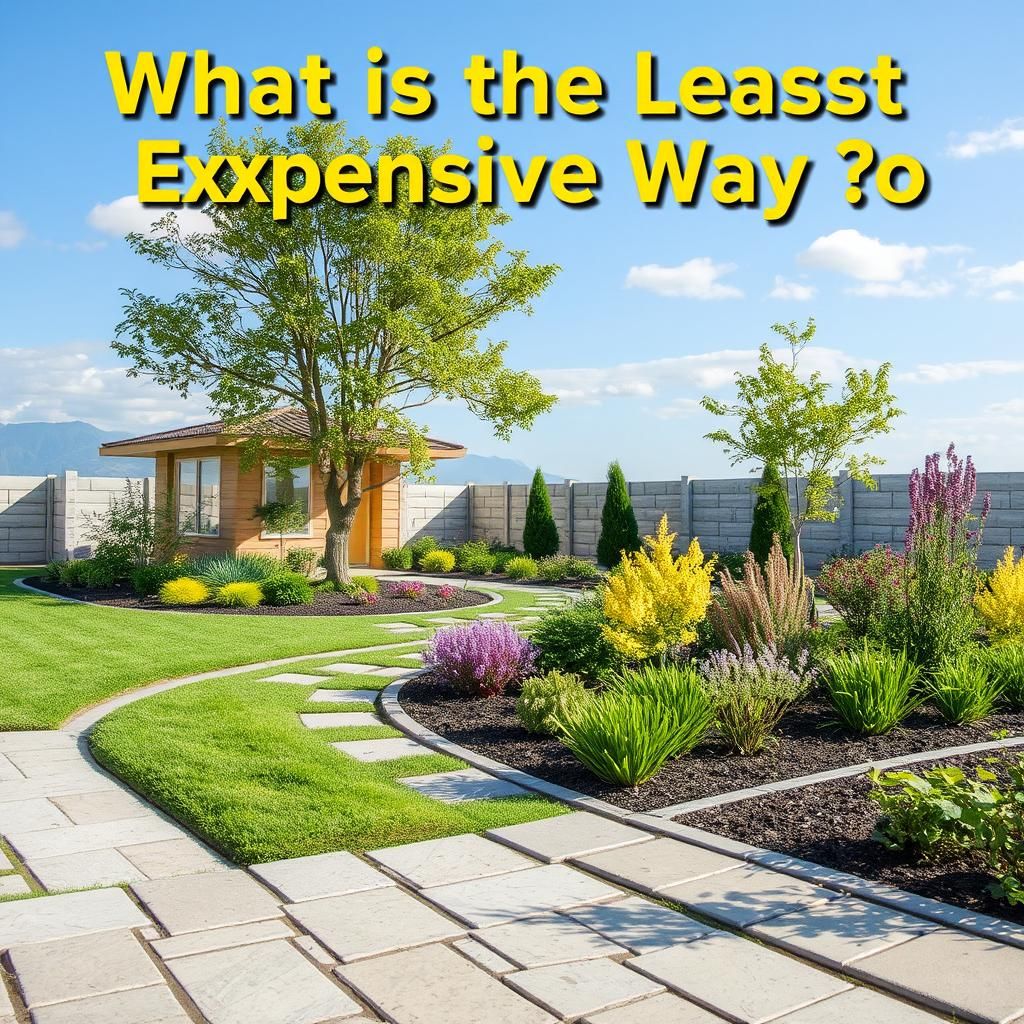
Landscaping can enhance the beauty and value of your home, but it often comes with a hefty price tag. Fortunately, creating a stunning outdoor space doesn't have to break the bank. In this article, we will explore the least expensive ways to landscape your yard while achieving impressive results. From selecting low-cost plants to DIY projects and strategic planning, we will provide you with affordable tips and creative ideas to transform your outdoor area into a picturesque haven without overspending. Join us as we uncover budget-friendly landscaping strategies that will make your garden thrive while saving you money.
Cost-Effective Landscaping Ideas
To achieve a beautiful landscape on a budget, consider undertaking simple projects that prioritize native plants, using mulch to suppress weeds, and incorporating hardscaping elements such as pathways made from reclaimed materials. Start by assessing your space and focusing on low-maintenance plants that thrive in your local climate, which can significantly reduce both initial costs and ongoing upkeep expenses. Implementing DIY techniques, such as creating garden beds or installing a rain garden, can further save money while enhancing the aesthetic appeal of your yard. Additionally, spreading grass seed instead of laying sod, along with utilizing free resources like compost from kitchen scraps or local landscaping stone from construction sites, can help keep expenses low while improving the environmental health of your garden.
Choosing Native Plants
Utilizing native plants is one of the most cost-effective landscaping strategies. These plants are adapted to your local climate and soil type, requiring less water and fewer chemical fertilizers than non-native species. Not only do they enhance biodiversity, but they also provide essential habitats for local wildlife. By focusing on such plants, you can create a sustainable garden that flourishes with minimal maintenance, ultimately saving you money in the long run.
DIY Landscaping Techniques
Engaging in DIY landscaping projects allows homeowners to save significantly on labor costs, while also providing a personal touch to the garden. By researching and executing basic landscaping techniques such as creating a garden bed, installing borders, or building paths from salvaged materials, you can effectively transform your outdoor space without incurring hefty professional fees. Online tutorials and community workshops can provide valuable insights and step-by-step instructions for beginners.
Mulching for Weed Control
Applying mulch is a highly effective and inexpensive method for controlling weeds in your landscape. Not only does a thick layer of mulch help retain soil moisture and regulate temperature, but it also discourages weed growth, reducing the need for expensive herbicides. Organic materials such as wood chips, straw, or shredded leaves can be obtained at low or no cost and can significantly enhance the look of your garden while contributing to soil health as they decompose.
See also:
Reusing Materials
Incorporating re-used materials in your landscaping can drastically lower costs while creating unique features. Items like old bricks, stones, or even wood pallets can be repurposed into raised garden beds, pathways, or decorative elements in your yard. Not only does this practice minimize waste, but it also adds individual charm and character to your landscape that new materials might not provide, allowing you to express your creativity without breaking the bank.
Water Conservation Techniques
Implementing water conservation techniques is crucial for cost-effective landscaping, especially in regions prone to drought. Techniques such as creating a rain garden, utilizing drip irrigation systems, or installing rain barrels can greatly reduce water usage and lower utility bills. These methods effectively manage stormwater and promote healthy growth, ensuring that your landscape remains vibrant without incurring excessive costs in water supply.
| Landscaping Technique | Cost Savings | Benefits |
|---|---|---|
| Native Plants | Low maintenance costs | Supports wildlife and biodiversity |
| DIY Projects | Reduces labor costs | Personalized design |
| Mulching | Less need for herbicides | Moisture retention |
| Reusing Materials | Lower material costs | Unique aesthetic appeal |
| Water Conservation | Lower utility bills | Promotes sustainability |
Creative DIY Landscaping Ideas to Save Money
One of the least expensive ways to landscape your yard is to embrace DIY projects that allow you to use your creativity and resourcefulness. By repurposing items you already own or sourcing materials for free or at a low cost, you can design an attractive landscape without breaking your budget. For example, using natural elements like stones, wood, or native plants can create a stunning look while minimizing expenses. Additionally, involving friends or family members in the project can also make it an enjoyable and cost-effective experience.
Choosing Native Plants for Cost-Effective Landscaping
Opting for native plants is a great way to cut costs while enhancing your landscape. Native species typically require less maintenance, as they are adapted to the local climate and soil conditions. This means less money spent on water, fertilizers, and pest control. Furthermore, native plants are more likely to thrive, creating an attractive garden that draws beneficial wildlife such as pollinators and birds.
Utilizing Hardscaping Materials Wisely
Incorporating hardscaping features like pathways, patios, and retaining walls can add structure to your landscape without the recurring costs associated with plants. Using reclaimed materials like bricks, stones, or concrete from local construction sites helps keep expenses down. Planning your layout carefully allows for more efficient use of materials, resulting in a visually appealing space that requires minimal upkeep.
See also:
Implementing Water-Saving Techniques
Cutting down on water usage is a practical way to reduce long-term costs in your landscape. Techniques like drip irrigation and the installation of rain barrels for collection can significantly lower your water bill. Additionally, incorporating mulch in your garden beds helps retain moisture and suppress weeds, further reducing the need for extra watering and herbicides.
Creating Edible Landscapes to Combine Beauty and Utility
Transforming your garden into an edible landscape is an innovative approach that combines aesthetics with practicality. By planting fruits, vegetables, and herbs, you can save money on groceries while enjoying the beauty of your garden. This dual-purpose design not only enhances the visual appeal of your outdoor space but also fosters a sense of self-sufficiency.
Repurposing Household Items for Garden Decor
Another economical way to enhance your landscape is by repurposing household items into creative garden decor. Old furniture, tires, or wooden pallets can be transformed into unique planters or garden features, adding personality to your space without spending much. This approach not only promotes sustainability but also allows you to express your individuality while keeping costs low.
Questions from Our Readers
What are some low-cost landscaping ideas?
To create a beautiful landscape without breaking the bank, consider using native plants that require less maintenance and water. Mulching is another effective way to reduce weeds and maintain soil moisture. You can also repurpose materials like old furniture or pallets for creative garden accents. Lastly, focus on DIY projects to save on labor costs.
How can I save money on soil and plants?
To save money on soil and plants, look for local nurseries or farmers' markets where you can find discounted plants or even plant swaps in your community. Additionally, purchasing soil in bulk or making your own compost from kitchen scraps can drastically cut costs. Consider starting plants from seeds instead of buying mature plants for a more budget-friendly option.
See also:
Is it feasible to landscape on a tight budget?
Yes, it is completely feasible to landscape on a tight budget by prioritizing what is most important for your yard. Start with the most visible areas and gradually expand to other parts as funds allow. Consider breaking the project into smaller phases to manage costs more effectively and prioritize low-maintenance, drought-tolerant plants.
What tools do I need for budget landscaping?
For budget landscaping, you do not need an elaborate set of tools. Basic tools such as a shovel, rake, and pruning shears can cover most tasks. You can also rent larger equipment like tillers or chainsaws when necessary, rather than purchasing them outright. Buying used tools or borrowing from friends can also save money while still getting the job done efficiently.
If you want to read more articles like What is the Least Expensive Way to Landscape? Discover Affordable Tips and Ideas, we recommend you check out our Garden category.
Leave a Reply
Related Articles