What is the Cheapest Way to Build a Greenhouse? Ultimate Guide for Budget-Friendly Gardening
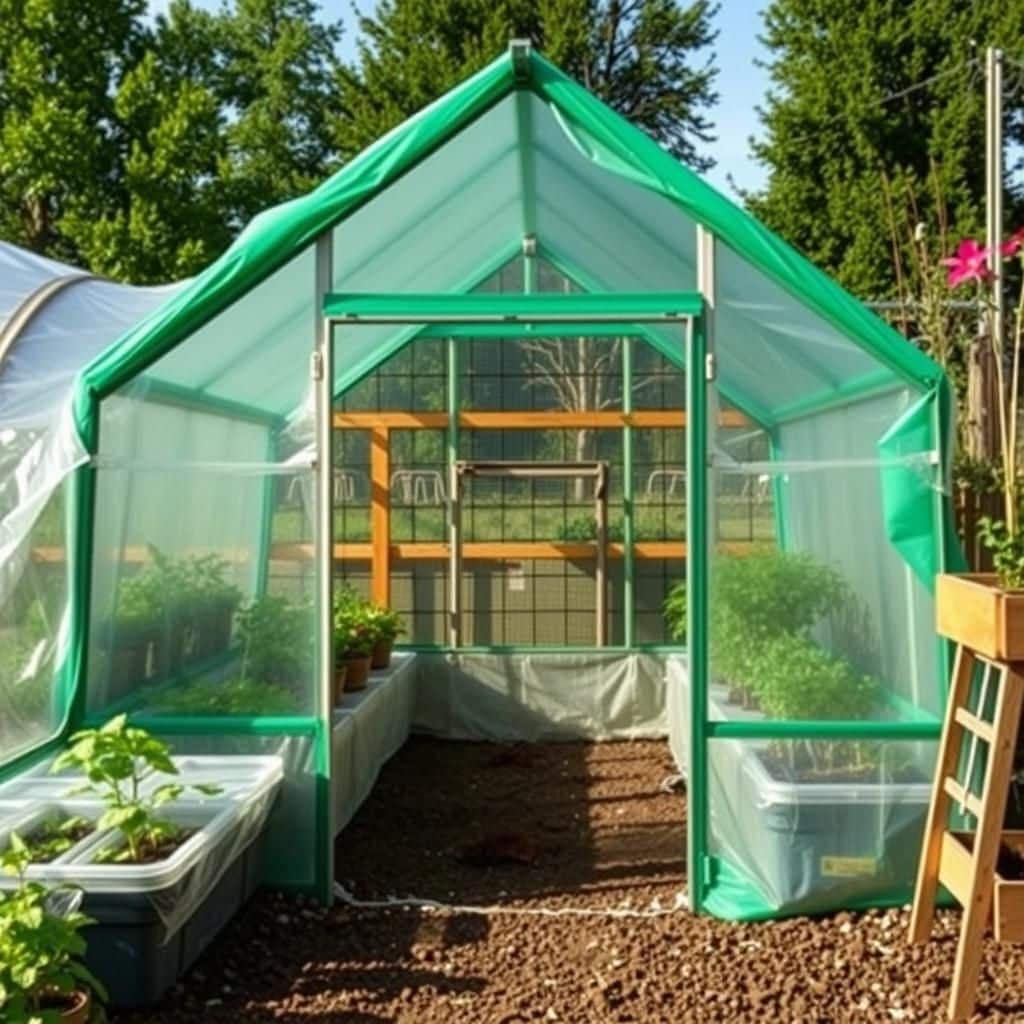
Building a greenhouse can be a fantastic way to extend your gardening season and grow a variety of plants year-round. However, the cost of setting up a greenhouse can quickly add up, making it seem like a daunting project for those on a budget. In this ultimate guide, we will explore the cheapest ways to build a greenhouse without sacrificing quality or effectiveness. From selecting affordable materials to DIY methods and smart design choices, this article will provide you with practical tips and innovative ideas to create a budget-friendly greenhouse that meets your gardening needs.
Cost-Effective Methods for Building a Greenhouse
Building a greenhouse on a budget can be achieved by utilizing low-cost materials and simple construction techniques. One of the most effective methods is to repurpose old windows or plastic bottles as walls, which can substantially reduce expenses compared to buying new glass panels. Additionally, using a hoop house design with PVC pipes and cover fabric can provide an economical solution while still ensuring adequate insulation and light filtration. Sourcing materials from local classifieds or recycling centers can also lead to significant savings, along with engaging in DIY installation to avoid labor costs.
1. Sourcing Affordable Materials
To build a greenhouse cheaply, start by sourcing affordable materials. Look for items such as used windows, plastic panels, or repurposed wood. These materials can often be found at construction salvage yards or through online marketplaces where people sell surplus supplies. By using second-hand materials, you can save a substantial amount of money while still achieving a functional greenhouse.
2. Choosing the Right Location
The location of your greenhouse has a significant impact on its performance and cost-effectiveness. Opt for a site that receives ample sunlight throughout the day to maximize solar gain, reducing the need for supplemental heating. Additionally, placing the greenhouse near existing structures can provide protection from harsh winds and help lower heating costs. Selecting an accessible location will also make it easier to gather resources and maintain the area around your greenhouse.
3. Designing a Hoop House
A hoop house is an excellent option if you're looking for a simple and affordable greenhouse design. This structure is made using PVC pipes or metal hoops covered with plastic sheeting. The materials are relatively low-cost and easy to assemble. Hoop houses are lightweight, making them less expensive to build and easier to relocate if needed. The curved design also aids in shedding snow and rain, enhancing durability.
See also:
4. Utilizing DIY Techniques
Engaging in do-it-yourself (DIY) techniques is key to building a greenhouse on a budget. By researching different designs and construction methods, you can manage the entire project yourself, saving on labor costs. Simple tasks such as framing, installing the cover, and ensuring proper ventilation can often be handled with basic tools and materials. Online resources and community workshops can provide guidance and tutorials to help you through the process.
5. Maintenance and Efficiency Tips
To ensure that your greenhouse remains cost-effective in the long run, implement regular maintenance and efficiency practices. Simple actions such as checking for leaks, ensuring that vents operate properly, and maintaining the structural integrity can prevent costly repairs. Additionally, incorporating sustainable practices like rainwater collection or using natural pest control methods can further minimize expenses while maximizing the productivity of your greenhouse.
| Material | Cost | Source |
|---|---|---|
| Used Windows | $1 - $10 each | Local classifieds, salvage yards |
| PVC Pipes | $0.50 - $2 per foot | Home improvement stores |
| Plastic Sheeting | $10 - $30 per roll | Garden supply stores |
| Reclaimed Wood | Free - $1 per board | Recycling centers |
| Plastic Bottles | Free | Recycling household waste |
Essential Materials for a Budget-Friendly Greenhouse
When aiming to build a cost-effective greenhouse, selecting the right materials is crucial. Opting for recycled or repurposed materials can significantly reduce costs while maintaining functionality. For the frame, consider using PVC pipes or wooden pallets, which are often available for free or at a low price. For the covering, use polycarbonate panels or even plastic sheeting, as these options provide good insulation and light transmission without breaking the bank. Additionally, utilizing basic tools that you may already own will further minimize expenses, allowing you to create a greenhouse without stretching your budget.
Choosing the Right Location
Selecting an appropriate site for your greenhouse is vital for optimal growth and can help you save money on heating and cooling. Ideally, position the greenhouse in an area that receives maximum sunlight, such as the south-facing side of your property. Avoid shady spots and areas prone to strong winds, as these factors can hinder your plants' growth and increase your energy costs. Furthermore, proximity to a water source can save you on irrigation expenses.
DIY vs. Pre-Built Kits
One of the primary decisions in greenhouse construction is whether to go for a DIY approach or purchase a pre-built kit. A DIY greenhouse allows for greater customization and can often be cheaper if you source your materials wisely. However, pre-built kits save on time and labor, providing a more straightforward assembly process. Weigh the pros and cons of both options based on your budget, skill level, and the amount of time you can invest in the project.
See also:
Inexpensive Heating Solutions
Heating a greenhouse can be a concern, especially during colder months. To maintain budgets, consider natural heating methods, such as using compost or water barrels that absorb and store heat from the sun, releasing it slowly throughout the night. Additionally, setting up inexpensive heat mats or using miniature greenhouses within your main structure can help manage temperature fluctuations without incurring high utility bills.
Effective Ventilation Techniques
Proper ventilation is essential to avoid overheating and maintain humidity levels in your greenhouse. Instead of investing in costly ventilation systems, you can create effective airflow by using manual windows or vent holes that can be opened and closed as needed. Strategic placement of these openings ensures that warm air escapes while cooler air circulates, promoting a healthier growing environment without incurring additional costs.
Cost-Effective Plant Options
When it comes to gardening on a budget, selecting the right plants can greatly impact your overall costs. Start with native plants or heirloom varieties, which typically require less maintenance and are more resilient. You can also engage in seed swaps with local gardeners or use cuttings from existing plants to expand your repertoire without additional expenses. Additionally, learn to propagate your own plants from seeds, which is the most economical option for expanding your greenhouse garden.
Questions from Our Readers
What materials are the cheapest to use for building a greenhouse?
Polyethylene plastic is often the most affordable material for greenhouse covers, while PVC pipes and repurposed wood can serve as low-cost frame options. Additionally, using second-hand or recycled materials can significantly reduce overall expenses.
Can I build a greenhouse without a foundation?
Yes, you can build a greenhouse without a traditional foundation by using ground posts or simply placing it on level ground. This method is often cheaper and easier but may require extra stabilization to withstand wind and weather conditions.
See also:
Is it cheaper to buy a greenhouse kit or build one from scratch?
Typically, building a greenhouse from scratch can be more economical, especially if you utilize recycled materials or salvage lumber. However, a greenhouse kit may save time and effort, making it worth considering for those who prefer a simplified process.
What size is the most affordable for a homemade greenhouse?
Smaller greenhouses, around 10x12 feet, are generally the most budget-friendly as they require fewer materials and less labor. They also allow for easier heating and maintenance, making them an ideal choice for beginners and those with limited resources.

If you want to read more articles like What is the Cheapest Way to Build a Greenhouse? Ultimate Guide for Budget-Friendly Gardening, we recommend you check out our Garden category.
Leave a Reply
Related Articles