Is a Wooden or Metal Greenhouse Better? A Comprehensive Comparison for Gardeners
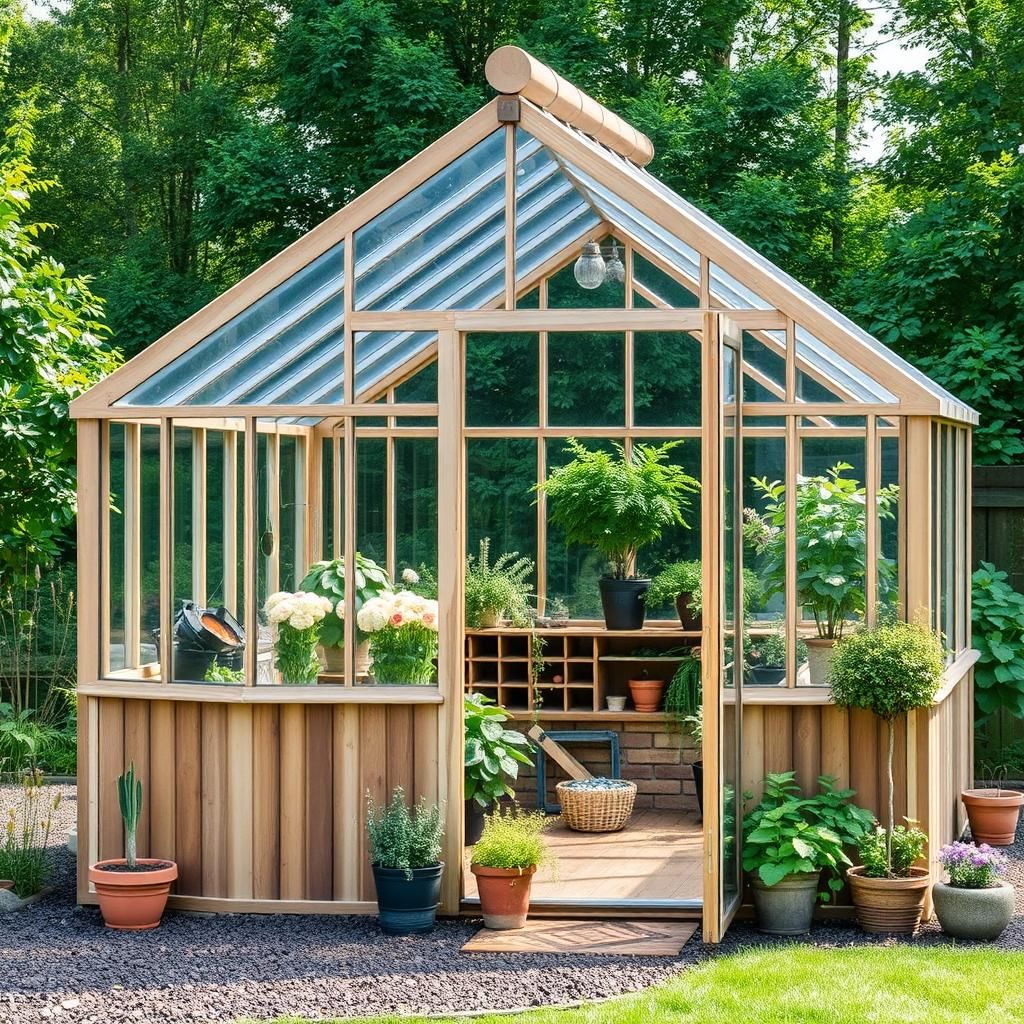
Choosing the right greenhouse is a crucial decision for any gardener, impacting plant health, growth, and maintenance. Among the most popular options are wooden and metal greenhouses, each with its own set of advantages and disadvantages. This comprehensive comparison aims to equip gardeners with the information needed to make an informed choice. We'll explore key factors such as durability, insulation, aesthetics, and cost, along with maintenance requirements. By the end of this article, you’ll have a clearer understanding of which greenhouse material suits your gardening needs and environment best, ensuring success in your horticultural endeavors.
Is a Wooden or Metal Greenhouse Better?
When deciding between a wooden or metal greenhouse, several factors come into play, including durability, cost, maintenance, and aesthetic appeal. Wooden greenhouses provide a classic and natural look that many gardeners prefer, but they may require more upkeep due to susceptibility to rot and pests. On the other hand, metal greenhouses, often constructed from aluminum or galvanized steel, tend to be more durable and resistant to the elements, typically requiring less maintenance over time. Ultimately, the choice depends on personal preferences and specific gardening needs.
Durability of Wooden vs. Metal Greenhouses
When it comes to durability, metal greenhouses often outperform wooden ones due to their resistance to extreme weather conditions and pests. Metal structures can withstand heavy winds and snow loads, while wooden greenhouses may suffer from rot and warping if not properly treated. However, high-quality wood species, such as redwood or cedar, offer substantial durability and, with proper care, can last for many years. Ultimately, choosing the right material depends on the local climate and the amount of maintenance one is willing to commit.
Cost Comparison
In terms of cost, wooden greenhouses are usually less expensive to build initially, especially when using softwood. However, the long-term costs may rise due to the need for maintenance, such as painting or treating the wood to ward off pests and rot. Metal greenhouses may have a higher upfront cost, but their longevity and low-maintenance requirements often make them a more cost-effective choice over time. Considering the overall investment in both time and money can help determine the better option for a gardener's budget.
Maintenance Requirements
Maintenance is a crucial factor when comparing wooden and metal greenhouses. Wooden structures typically require regular maintenance, including painting or staining to prevent weathering and damage from insects. If not properly maintained, wood can deteriorate quickly. In contrast, metal greenhouses generally need less maintenance, as they do not warp or suffer from pest infestations. However, they may require occasional cleaning to prevent rust and algae growth, especially in humid conditions. Understanding the level of maintenance required for each type can guide the decision-making process.
Aesthetic Appeal
The aesthetic appeal of a greenhouse can greatly influence a gardener's choice. Wooden greenhouses exude a natural charm and blend seamlessly into garden landscapes, often becoming a focal point due to their rustic appearance. They can also be customized easily to fit the gardener's style. Conversely, metal greenhouses come in sleek designs that offer a modern touch but may clash with a more traditional garden aesthetic. Ultimately, personal preferences regarding appearance will play a substantial role in determining the ideal greenhouse material.
Climate Suitability
Climate plays a significant role in determining whether a wooden or metal greenhouse is better suited for your needs. In humid and wet environments, wood may be prone to rot unless treated properly, making metal a more suitable option due to its resistance to moisture. Conversely, in dry and arid climates, both types can perform adequately, but wooden greenhouses can help in maintaining a consistent internal environment. It’s crucial for gardeners to assess their local climate and choose a greenhouse that can effectively support their plants' growth year-round.
| Feature | Wooden Greenhouse | Metal Greenhouse |
|---|---|---|
| Durability | Susceptible to rot and pests | Highly durable, resistant to elements |
| Cost | Generally lower initial cost | Higher upfront cost, lower maintenance |
| Maintenance | Requires regular care and treatment | Minimal maintenance required |
| Aesthetic Appeal | Natural and rustic appearance | Sleek and modern design |
| Climate Suitability | Best in certain climates, needs care | Good in various climates, moisture resistant |
What are the disadvantages of a wooden greenhouse?
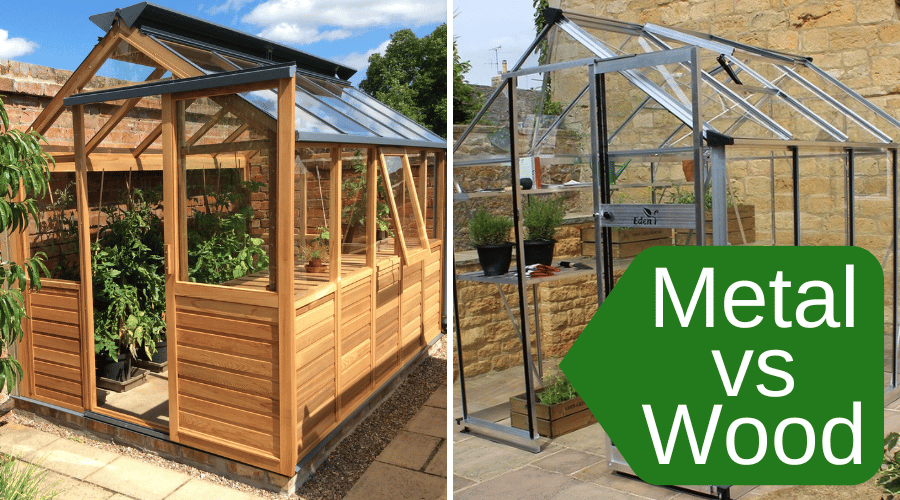
The disadvantages of a wooden greenhouse can be significant and should be carefully considered before making a decision. Here are some of the main concerns associated with wooden greenhouses:
Durability Issues
Wood can be susceptible to various factors that affect its durability, leading to problems over time.
- Rot and Decay: Wood is prone to rot when exposed to moisture, especially if not properly treated with preservatives.
- Pest Infestation: Wooden structures can attract pests such as termites and carpenter ants, which can compromise the integrity of the greenhouse.
- Weather Resistance: Over time, wooden greenhouses may not withstand harsh weather conditions as effectively as those made of metal or plastic.
Maintenance Requirements
Maintaining a wooden greenhouse can be labor-intensive, demanding regular care to keep it in good condition.
- Painting and Sealing: Wooden greenhouses need to be regularly painted or sealed to prevent moisture damage.
- Structural Repairs: Any damage caused by rot or pests requires timely repairs, which can be costly and time-consuming.
- Cleaning: Dirt and grime can accumulate on wooden surfaces, requiring frequent cleaning to maintain aesthetics.
Cost Factors
While the initial investment might seem reasonable, long-term costs can accumulate with a wooden greenhouse.
- Initial Purchase Price: High-quality wood can be expensive compared to other materials, increasing upfront costs.
- Ongoing Maintenance Costs: Continuous need for treatments and repairs can drive up long-term expenses.
- Replacement Costs: In some cases, if the structure deteriorates significantly, complete replacement may be necessary.
Insulation and Temperature Control
Wooden greenhouses may struggle with effective insulation, impacting plant health.
See also:
- Heat Loss: Wood does not provide the same level of insulation as materials like polycarbonate, which can lead to greater heat loss during nights.
- Temperature Fluctuations: Wood may not regulate temperature as effectively, resulting in more significant temperature swings that can stress plants.
- Humidity Control: Poor insulation may also affect humidity levels inside the greenhouse, complicating plant care.
Aesthetic and Design Limitations
While wooden greenhouses can be visually appealing, there are limitations in design and functionality.
- Customization Challenges: Once built, modifying a wooden greenhouse can be more challenging than with modular structures.
- Limited Architectural Features: Wood may have restrictions on the types of sophisticated designs that can be realistically implemented.
- Style Maintenance: Keeping a wooden greenhouse looking good can be a challenge; neglect can lead to deterioration and an unkempt appearance.
Are wooden greenhouses better than metal?
When comparing wooden and metal greenhouses, several factors come into play, each with its own advantages and disadvantages. Wooden greenhouses are often favored for their aesthetic appeal, environmental benefits, and thermal properties, while metal greenhouses, typically made from aluminum or galvanized steel, are known for their durability and low maintenance requirements.
Here are some detailed comparisons based on specific criteria:
Durability and Longevity
Wooden greenhouses can last a long time if properly maintained, but they are more susceptible to pests, rot, and weather-related damage. In contrast, metal structures are highly resistant to these issues.
- Wooden Greenhouses: Require regular maintenance to prevent rot and insect infestations.
- Metal Greenhouses: Generally last longer and withstand harsh weather conditions better.
- Maintenance: Metal requires less upkeep compared to wood.
Insulation and Temperature Control
Wood as a natural insulator performs better in terms of maintaining stable temperatures, making wooden greenhouses favorable for plants sensitive to temperature fluctuations. Metal structures may require additional insulation methods to achieve similar thermal stability.
- Thermal Properties: Wood retains heat better, benefiting plants during colder months.
- Temperature Fluctuations: Metal structures can experience more extreme temperature changes.
- Energy Efficiency: Wooden greenhouses can potentially reduce heating costs.
Aesthetics and Design Flexibility
Wooden greenhouses can be designed in various styles that blend with natural surroundings, providing a more traditional look. Meanwhile, metal greenhouses often have a more industrial appearance, which may not appeal to every gardener.
- Visual Appeal: The natural look of wood can enhance landscaping.
- Design Versatility: Wood can be easily customized for various styles.
- Market Value: A well-built wooden greenhouse may increase property appeal.
Cost Considerations
There’s often a substantial difference in initial costs between wooden and metal greenhouses. Wooden greenhouses can be more expensive upfront due to material costs but may save on heating in the long run. Conversely, metal greenhouses can be cheaper to purchase but may have higher heating expenses due to insulation needs.
- Initial Investment: Metal structures often have a lower upfront cost.
- Long-Term Costs: Consider heating bills with less efficient insulation.
- Value Over Time: Wooden greenhouses may provide better long-term value through energy savings.
Environmental Impact
Wood is a renewable resource, and sustainable sourcing of wood can reduce the environmental footprint of wooden greenhouses. Conversely, metal production has a larger carbon footprint, but metal greenhouses last longer and are recyclable at the end of their life cycle.
- Renewability: Sustainable wood can minimize environmental impact.
- Lifespan: Metal greenhouses may last longer but have a higher initial impact.
- Recyclability: Metal can be recycled, offering an end-of-life solution.
What's the best material to use for a greenhouse?

The best material to use for a greenhouse largely depends on various factors such as the climate, the type of plants being grown, and budget considerations. However, a few materials stand out for their durability, insulation properties, and cost-efficiency.
Types of Greenhouse Glazing Materials
There are several types of glazing materials available for greenhouses, each with unique benefits and drawbacks. The most common types include:
- Glass: Traditional option that offers excellent light transmission and durability. However, it can be heavy and expensive.
- Polycarbonate: A lightweight, strong material that provides good insulation and is more affordable than glass. It's available in twin-wall or multi-wall types for additional insulation.
- Polyethylene Film: A cost-effective option that is easy to install. However, it has a shorter lifespan and may require replacement every few years.
Insulation Properties
Insulation is crucial in a greenhouse to maintain a stable temperature and protect plants from extreme weather conditions. The best materials for insulation include:
See also:
- Double Glazing: Using two layers of glass or polycarbonate can trap air and reduce heat loss, making it ideal for colder climates.
- Reflective Coatings: Applying coatings can help redirect sunlight and reduce overheating during hotter months.
- Thermal Mass: Incorporating materials like water barrels or stone can help retain heat and stabilize temperatures over time.
Durability and Maintenance
When selecting materials, considering durability and maintenance needs is vital. Here are some durable options with lower maintenance costs:
- Fiberglass: Offers a good balance of strength and light transmission but may require periodic cleaning to maintain clarity.
- Polycarbonate Panels: Resistant to impacts and harmful UV rays, which translate into longer life and minimal maintenance efforts.
- Aluminum Frames: Combining these frames with polycarbonate or glass ensures a long-lasting greenhouse structure.
Cost Considerations
Budget constraints can significantly influence the choice of greenhouse materials. Here are the cost-related aspects to contemplate:
- Initial Investment: Glass and high-quality polycarbonate are usually more expensive upfront compared to alternatives like polyethylene.
- Long-term Costs: While cheaper materials may save you money initially, they might require replacements or repairs sooner, potentially increasing long-term costs.
- Energy Efficiency: Investing in quality insulation materials can result in lower heating costs over time, offsetting higher upfront expenditures.
Climate Suitability
Finally, the material used should be appropriate for the specific climate conditions in which the greenhouse will operate. Factors to consider include:
- Temperature Extremes: In areas with severe winters, high-insulating materials like double-glazed glass or polycarbonate are recommended.
- Humidity Levels: Some materials may corrode or degrade in high humidity; professional-grade materials and coatings can combat this.
- Wind Resistance: In windy regions, sturdier frames and heavy-duty coverings are advisable to prevent damage.
What type of greenhouse lasts the longest?
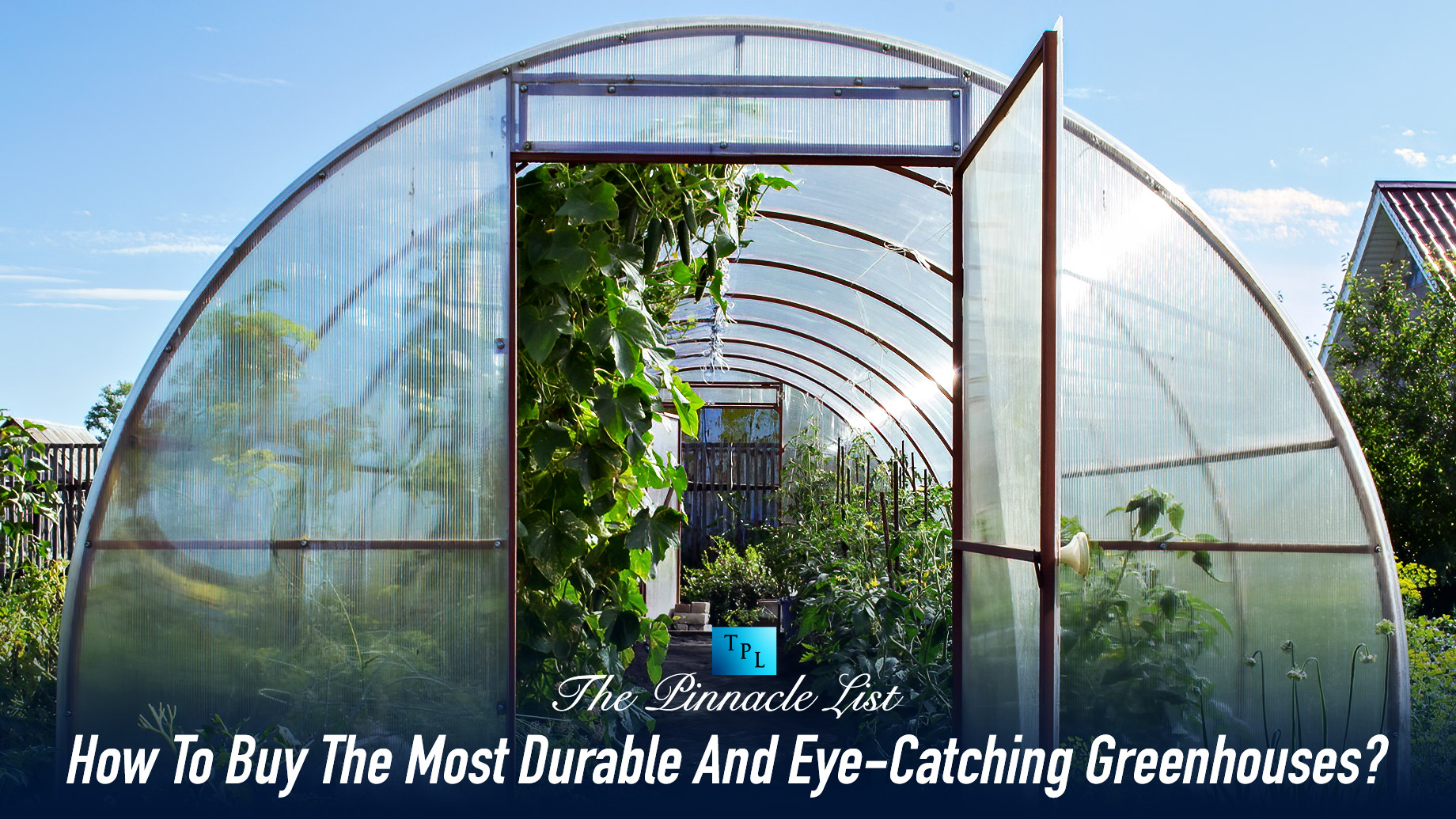
The longevity of a greenhouse is primarily determined by the materials used in its construction and design. Among various types of greenhouses, polycarbonategreenhouses and aluminumframe greenhouses are known for their durability and extended lifespan. Galvanized steel frames are also a solid option.
1. Polycarbonate Greenhouses
Polycarbonate greenhouses are ideal for those seeking a long-lasting structure thanks to the properties of polycarbonate panels, which are strong and resistant to impact. These materials provide excellent thermal insulation and UV protection, essential for plant growth.
- Impact-resistant: Polycarbonate panels can withstand extreme weather conditions and physical impacts.
- Insulation: They maintain consistent temperatures, which helps in reducing energy use over time.
- UV protection: UV-stabilized panels prevent yellowing and degradation, ensuring longevity.
2. Aluminum Frame Greenhouses
Aluminum frame greenhouses are celebrated for their rust-resistant properties, ensuring that the frame does not corrode over time. This rust resistance, coupled with a lightweight structure, makes aluminum an excellent choice for a lasting greenhouse.
- Durability: Aluminum can last for decades without deterioration.
- Low maintenance: They require minimal upkeep, offering convenience to gardeners.
- Versatile designs: Aluminum frames can accommodate a variety of styles and sizes, catering to different gardening needs.
3. Galvanized Steel Greenhouses
Galvanized steel provides a robust and sturdy foundation for greenhouses, offering a high level of durability against harsh environmental conditions like wind, hail, and snow.
- Longevity: Steel frames can last up to 25 years or more with proper maintenance.
- Structural integrity: Galvanization process protects against rust and corrosion.
- Wind resistance: Its strength makes it suitable for areas prone to severe weather.
4. Glass Greenhouses
Though typically more expensive, glass greenhouses made with tempered or polycarbonate glass are incredibly durable and provide excellent light transmission for plants.
- Light transmission: Glass allows natural sunlight to penetrate, promoting plant growth.
- Longevity: High-quality glass can last for decades with proper care.
- Classic aesthetic: Glass greenhouses add visual appeal and property value.
5. High Tunnel Greenhouses
High tunnels, also known as hoop houses, are constructed with a different approach that may include plastic sheeting on a hoop frame. While the plastic itself may not last as long as glass or polycarbonate, the framework can be highly durable.
- Cost-effective: They are generally less expensive to build and maintain.
- Season extension: High tunnels enable growing during off-seasons, compensating for lower durability.
- Weighted frame options: Securing them properly enhances their longevity against harsh weather.
Questions from Our Readers
Is a wooden greenhouse more durable than a metal greenhouse?
A wooden greenhouse can be durable if it is properly treated and maintained, but metal greenhouses, typically made of aluminum or galvanized steel, are often considered more resistant to the elements and pests, leading to a longer lifespan.
Which greenhouse material offers better insulation?
Wood generally provides better insulation qualities compared to metal, helping to maintain a stable temperature inside the greenhouse. However, the overall improvement in insulation also depends on the design and construction of the greenhouse.
Are there maintenance differences between wooden and metal greenhouses?
Yes, wooden greenhouses require more maintenance, such as regular treatment to prevent rot and insect damage, while metal greenhouses are usually easier to maintain due to their rust-resistant properties and durability.
See also:
Which type of greenhouse is more cost-effective?
In general, metal greenhouses tend to be more cost-effective in the long run, given their lower maintenance needs and longer durability, while wooden greenhouses may have lower initial costs but can incur higher expenses over time due to maintenance and replacement needs.
If you want to read more articles like Is a Wooden or Metal Greenhouse Better? A Comprehensive Comparison for Gardeners, we recommend you check out our Garden category.
Leave a Reply
Related Articles