Should I Open My Plastic Greenhouse in the Day in Winter? Essential Tips for Gardeners
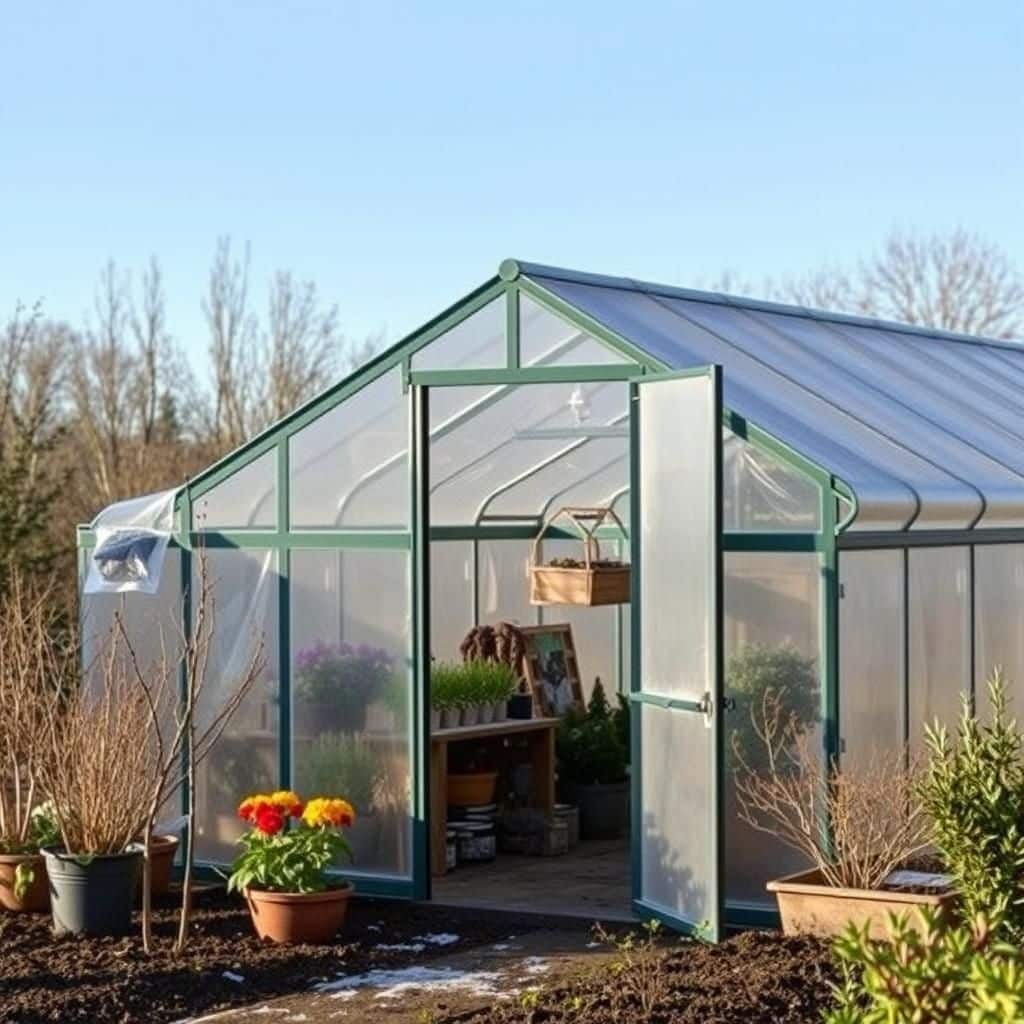
Deciding whether to open your plastic greenhouse during the day in winter is a crucial consideration for gardeners aiming to optimize their plants’ growth while protecting them from harsh weather. The dilemma lies in balancing temperature control, humidity levels, and ensuring adequate airflow. While beneficial sunlight can boost growth, it can also lead to overheating if not managed properly. This article delves into essential tips for gardeners, addressing the advantages and disadvantages of keeping your greenhouse open during daylight hours, ensuring your plants thrive even in the coldest months. Understanding these factors can help you make informed decisions for your winter gardening success.
Should I Open My Plastic Greenhouse During Winter Days?
When deciding whether to open your plastic greenhouse during winter days, it’s important to consider the external temperature, humidity levels, and the specific needs of the plants inside. Opening the greenhouse can help regulate heat and humidity, allowing for better air circulation, which can prevent mold and fungus growth. However, if the outdoor temperatures drop significantly, opening the structure might expose your plants to freezing conditions, which can be harmful or even fatal. Therefore, monitoring the weather and making a decision based on current conditions will greatly enhance the health of your plants.
Benefits of Ventilation in Winter
Providing adequate ventilation in your greenhouse during winter is crucial because it helps to manage humidity levels. Without proper air circulation, moisture can accumulate, leading to fungal diseases that can devastate your plant life. By opening vents or doors for several hours during the day, when temperatures are slightly higher, you can enhance airflow, reduce moisture buildup, and maintain a healthier environment for your plants.
Temperature Management Tips
To maintain an optimal temperature inside your plastic greenhouse during winter, it’s essential to monitor both the indoor and outdoor conditions. If the outdoor temperature is significantly higher than the indoor temperature, you might consider opening the greenhouse to equalize the temperature differences. Using a thermometer or digital equipment can help you make informed decisions based on real-time conditions.
Plant Sensitivity to Cold
Different plants have varying levels of cold tolerance, which affects whether you should open the greenhouse or not. Hardy plants, such as kale and certain herbs, can often withstand cooler temperatures, while more sensitive plants, like tomatoes or certain tropical species, risk damage if exposed to frigid air. Understanding your plants' specific needs will guide you in determining the right balance of ventilation and protection.
Impact of Sunlight on Internal Temperature
Sunlight plays a crucial role in raising the internal temperature of your greenhouse on winter days. When the sun is shining and the temperatures outside are moderate, keeping the greenhouse partly open can allow for better air circulation while still benefiting from solar gain. However, on particularly sunny days, the greenhouse might become too hot if tightly sealed, so it’s important to monitor the temperature closely and adjust ventilation accordingly.
Risks of Opening the Greenhouse
While there are benefits to opening your greenhouse, it also comes with certain risks. Allowing cold air to enter can lead to shock for your plants if they are accustomed to a warmer environment. Additionally, if it’s too windy or snowy outside, opening the greenhouse could lead to damage or stress for sensitive plants. Always weigh the risks against the potential benefits, and consider your unique environmental conditions before making a decision.
| Condition | Action | Temperature Range |
|---|---|---|
| Sunny Day | Open vents to allow airflow | Above freezing |
| Cloudy Day | Keep closed to retain heat | Near freezing |
| Stormy Weather | Keep closed to protect plants | Variable |
Should I open my greenhouse during the day in winter?

Opening your greenhouse during the day in winter can greatly affect the growth and health of your plants. While it may seem counterintuitive to open it in cold weather, there are several factors and benefits to consider. The decision ultimately depends on the specific conditions inside the greenhouse, the types of plants you are growing, and the weather outside.
Benefits of Ventilation
Proper ventilation in your greenhouse is essential for maintaining a healthy environment for plants. Opening the greenhouse during the day allows for fresh air circulation, which helps to:
See also:
- Remove excess humidity that can lead to mold and fungal diseases.
- Regulate temperature, preventing overheating from the sun.
- Improve CO2 levels, which are crucial for photosynthesis.
Temperature Regulation
In winter, the temperature inside a greenhouse can fluctuate dramatically. Opening doors or vents during sunny winter days may help maintain a balance in temperature. This can:
- Help prevent overheating on particularly sunny days.
- Allow for cooler air to flow in, reducing the risk of overheating sensitive plants.
- Create a more stable and comfortable environment for plants that require specific temperatures.
Humidity Control
Winter months can sometimes bring about high humidity levels within greenhouses, especially if the plants are actively transpiring. Opening the greenhouse can help:
- Decrease humidity levels, which can prevent diseases like powdery mildew.
- Promote better transpiration rates in plants, leading to healthier growth.
- Encourage airflow, which is beneficial for many plant species.
Plant Type Considerations
The decision to open your greenhouse can depend significantly on the types of plants you are growing. For instance:
- Hardy plants may benefit from exposure to natural light and air circulation.
- More delicate plants may require careful temperature management and should be monitored closely.
- Crops like winter vegetables might thrive with occasional exposure to outdoor conditions.
Monitoring External Conditions
Before deciding to open your greenhouse, it is essential to monitor the external weather conditions. Key factors include:
- Daytime temperatures: Ensure they are warm enough to benefit the plants.
- Wind and humidity levels: Strong winds may drive cold air into the greenhouse unexpectedly.
- Sunshine: Sunny days provide warmth that can be beneficial when the greenhouse is ventilated.
How to use a plastic greenhouse in winter?

Using a plastic greenhouse in winter can significantly enhance your gardening experience, allowing you to cultivate plants and vegetables that would otherwise struggle in colder temperatures. Here are some strategies and considerations for maximizing your greenhouse’s potential during the winter months.
Maintaining Temperature
To ensure the optimal growth environment for your plants, it’s essential to maintain the right temperature inside the greenhouse. Winter temperatures can drop significantly, so consider these actions:
- Insulation: Use bubble wrap or thermal mass (such as water barrels) to help retain heat.
- Heating systems: Invest in electric or propane heaters if temperatures drop too low.
- Thermometers: Place thermometers inside the greenhouse to monitor temperature changes constantly.
Maximizing Sunlight
During winter, sunlight can be limited, affecting plant growth. Here’s how to maximize its benefits:
- Optimize positioning: Ensure the greenhouse is located in a spot that receives the most sunlight throughout the day.
- Clean the plastic: Regularly clean the plastic panels to remove dirt and algae that can block sunlight.
- Use reflective materials: Consider adding reflective materials around the greenhouse to increase light availability.
Watering Wisely
Watering practices must be adjusted in winter to prevent issues like freezing. Follow these tips:
- Water during the warmest part of the day: This practice helps prevent the water from freezing instantly.
- Check soil moisture: Use moisture meters to ensure plants receive adequate water without oversaturation.
- Use warm water: If possible, water your plants with warm water to raise the temperature of the surrounding soil.
Choosing the Right Plants
Select plants that thrive in cooler temperatures to make the most of your winter greenhouse. Consider these options:
See also:
- Cold-hardy plants: Examples include kale, spinach, and certain types of lettuce.
- Herbs: Varieties like parsley, cilantro, and chives can also grow well in lower temperatures.
- Winter flowering plants: Pansies and winter jasmine can add color and beauty to your greenhouse.
Pest and Disease Management
Winter doesn’t eliminate pests and diseases; instead, they may linger in your greenhouse. Implement these strategies for effective management:
- Regular inspections: Check plants frequently for signs of pests or disease and take immediate action.
- Preventive measures: Use insect nets or neem oil as preventative treatments.
- Ventilation: Ensure proper ventilation to reduce humidity levels that can foster disease.
At what temperature should I open my greenhouse?

To determine at what temperature you should open your greenhouse, several factors need to be considered, including the specific crops you are growing, outside temperature fluctuations, and the overall climate of your region. Generally, the ideal temperature to open your greenhouse is around 70°F (21°C). However, here are some guidelines to help you make a more informed decision:
1. Ideal Temperature Range for Plants
The ideal temperature range for most greenhouse plants typically falls between 65°F (18°C) and 75°F (24°C). Opening your greenhouse when the internal temperature reaches these levels can help maintain optimal growth conditions. Consider the following:
- Different plants have varying temperature preferences.
- Seedlings and tender plants often require warmer temperatures.
- Mature plants may tolerate slightly cooler conditions better.
2. Monitoring Humidity Levels
Alongside temperature, humidity plays a crucial role in plant health. When it's too humid inside the greenhouse, diseases may proliferate. Opening the greenhouse at an appropriate temperature helps regulate humidity levels:
- Aim for humidity levels around 40-60% for many plants.
- Opening vents can help release excess moisture when temperatures are warm.
- Consider using a hygrometer to monitor humidity effectively.
3. Weather Conditions
The outside weather can greatly influence when you should open your greenhouse. If it's a brisk day with temperatures below 70°F (21°C), consider keeping the greenhouse closed to trap heat. Evaluate:
- The forecasted temperature for the day.
- Wind conditions that might chill the greenhouse.
- Cloud cover, which can impact how much solar gain you get.
4. Time of Year
The season affects both the internal and external temperatures of your greenhouse. In spring and summer, you might open your greenhouse at lower temperatures compared to fall and winter:
- In early spring, consider opening at about 65°F (18°C).
- In the middle of summer, you may need to open it as soon as temperatures reach 75°F (24°C).
- In fall, keep a close eye on the overnight and morning temperatures.
5. Use of Thermal Mass
Incorporating thermal mass can help regulate temperature fluctuations in your greenhouse. Materials like water barrels or bricks can absorb heat during the day and release it during cooler nights:
- Strategically position water containers inside the greenhouse for effective heat management.
- Ensure thermal mass is placed in areas where the sun can reach it.
- Monitor changes to understand how the thermal mass affects your internal temperatures.
Questions from Our Readers
Should I open my plastic greenhouse during the day in winter?
Opening your plastic greenhouse during the day in winter can be beneficial, but it depends on the temperature. If the outside conditions are warmer than inside, it can help prevent overheating. However, on particularly cold days, it is advisable to keep the greenhouse closed to retain warmth.
What are the benefits of opening a greenhouse in winter?
Opening your greenhouse can provide ventilation, reducing humidity and preventing the growth of mold and diseases. By allowing fresh air in, you also promote the health of your plants and can prevent any potential stagnation caused by too much moisture.
See also:
When is the best time to open my greenhouse in winter?
The best time to open your greenhouse is during the warmest part of the day, usually in the afternoon when the sun shines directly on it. Checking the outside temperature can help you determine when it is safest to open, ensuring it doesn't drop too low overnight.
How often should I open my plastic greenhouse in winter?
You should open your plastic greenhouse as needed, monitoring temperature and humidity levels inside. On milder winter days, opening it several times a week can be advantageous, but on colder days, it might be best to keep it closed for extended periods.

If you want to read more articles like Should I Open My Plastic Greenhouse in the Day in Winter? Essential Tips for Gardeners, we recommend you check out our Garden category.
Leave a Reply
Related Articles