Does a Greenhouse Need to Be Transparent? Exploring the Importance of Light and Visibility in Greenhouse Design
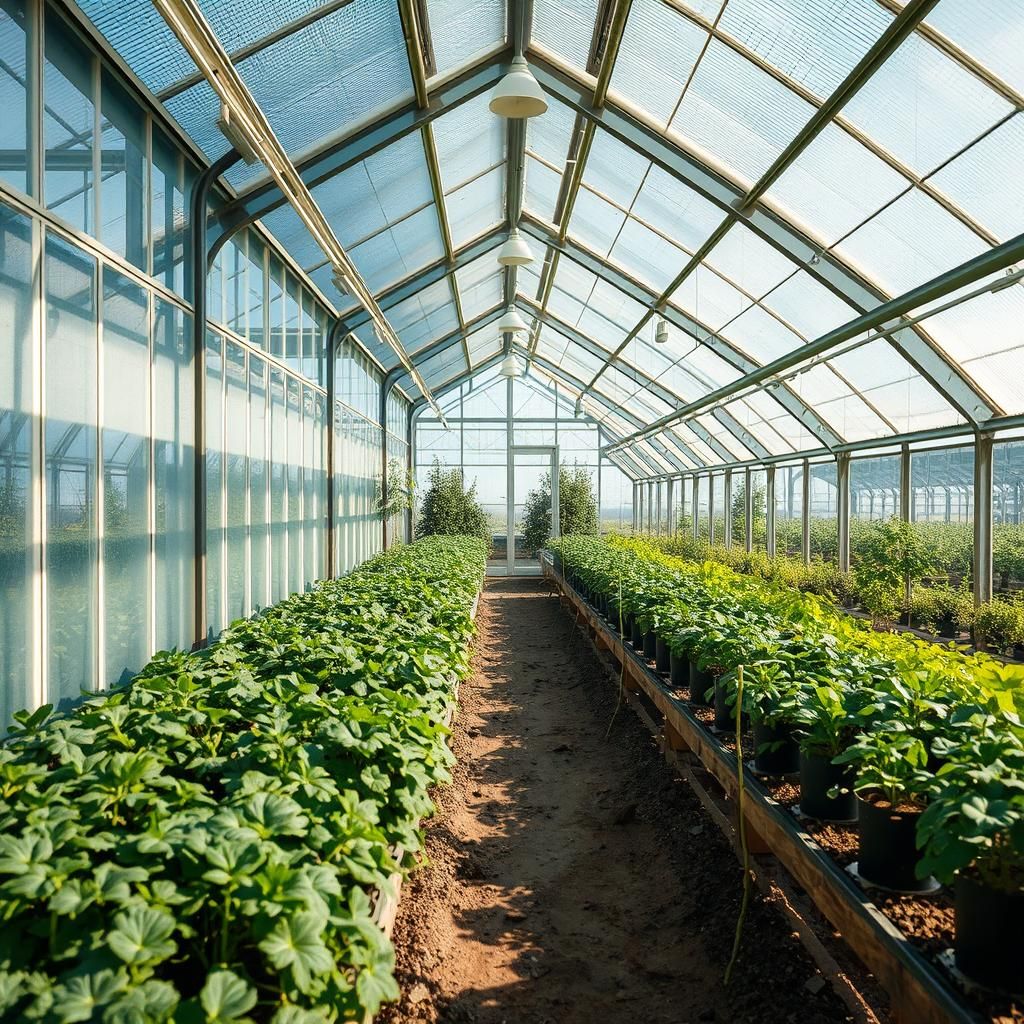
The design of a greenhouse is crucial for optimal plant growth, and one of the most debated aspects is transparency. While traditional greenhouses often rely on clear materials to maximize light penetration, the question arises: does a greenhouse truly need to be transparent? This article delves into the importance of light and visibility in greenhouse design, exploring alternative materials and opaque options that can still provide effective growing environments. By examining the science behind light exposure and its impact on plant health, we aim to shed light on innovative design approaches that could redefine conventional greenhouse practices.
Does a Greenhouse Really Need to Be Transparent?
A greenhouse does not necessarily need to be transparent; however, the level of transparency directly influences its effectiveness in creating a suitable environment for plant growth. Traditional greenhouses use materials like glass or clear plastic to allow sunlight to penetrate, which is crucial for photosynthesis. However, alternatives such as polycarbonate or films with specific light-filtering properties can still retain heat and provide the necessary light conditions for plants. Hence, while transparency is a common attribute of greenhouses, it is possible to maintain an effective growing environment with varying degrees of light permeability.
Benefits of Transparent Materials
Transparent materials, such as glass and clear plastic, offer the primary advantage of allowing maximum sunlight into the greenhouse. This direct sunlight exposure is vital for photosynthesis, enabling plants to create food and grow. Additionally, transparency helps in monitoring plant health, as growers can easily observe their crops for diseases or pests without having to enter the structure constantly.
Alternatives to Transparent Greenhouses
While transparent greenhouses are popular, there are effective alternatives such as using opaque or semi-transparent materials. These alternatives can be engineered to provide sufficient light while also retaining heat more effectively. Materials like polycarbonate can diffuse sunlight, reducing the chances of burning sensitive plants while still providing enough light for growth.
Impact on Temperature Regulation
Temperature control is a crucial factor in greenhouse design, and while transparent structures allow sunlight to warm the interior, opaque materials can provide better temperature regulation. By using non-transparent materials, growers can reduce overheating during the hottest months and minimize the loss of heat at night. Proper insulation can thus create a more stable environment for plants to thrive.
Light Spectrum Considerations
Different plants require distinct light spectra for optimal growth, and transparent greenhouses typically allow full-spectrum sunlight to enter. However, certain plants may benefit from specific wavelengths. Utilizing materials that filter out unwelcome light can enhance growth for specific species. For example, red and blue light are critical for many plants, and by filtering out certain spectrums, one can create a tailored growing environment.
Cost and Practical Considerations
Choosing between transparent and non-transparent greenhouse materials also involves practical and financial considerations. Transparent materials may have a higher initial cost, but they can lead to increased yields due to better light exposure. On the other hand, opaque materials can be less expensive and may require prolonged energy savings due to reduced cooling needs, presenting a trade-off in the long term that each grower must consider.
| Material Type | Transparency Level | Heat Retention | Light Penetration |
|---|---|---|---|
| Glass | High | Moderate | Very High |
| Polycarbonate | Moderate | High | High |
| Clear Plastic | High | Low | Very High |
| Opaque Material | Low | Very High | Low |
Is it better for a greenhouse to be clear or green?

The choice between a clear or green greenhouse significantly impacts the growing environment for plants. Clear greenhouses allow maximum light penetration, which is crucial for photosynthesis, while green greenhouses can help regulate temperature and reduce light intensity, which might be beneficial for specific plant species or during certain seasons.
Advantages of Clear Greenhouses
Clear greenhouses are primarily valued for their ability to transmit sunlight efficiently.
- Maximal Light Transmission: Clear structures permit nearly 90-95% of sunlight to enter, which is essential for plant growth.
- Better Photosynthesis: With increased light availability, plants can photosynthesize more efficiently, promoting healthy growth and faster development.
- Diverse Crop Compatibility: Clear greenhouses can accommodate a wide variety of plants that require intense light, including fruiting vegetables and flowering plants.
Benefits of Green Greenhouses
Green greenhouses provide distinct advantages due to their color and material properties.
- Temperature Regulation: The green tint helps block some of the direct sunlight, which can lead to cooler interior temperatures on hot days.
- Light Filtering: This color can protect sensitive plants from excessive light or direct sunlight, reducing the risk of sunburn.
- Natural Camouflage: Greenhouses can blend better with garden environments, potentially offering an aesthetic advantage for landscaping.
Impact on Plant Health
The choice of greenhouse color affects plant health and yield.
- Stress Reduction: For some plants, excessive light can cause stress; green houses mitigate this, helping to maintain plant vitality.
- Enhanced Growth Conditions: Proper temperature and light conditions can lead to healthier, more productive plants.
- Pest and Disease Management: A less intense light environment can reduce the prevalence of certain pests and diseases, promoting a healthier ecosystem.
Cost Considerations
The construction and operational costs of clear versus green greenhouses can vary.
See also:
- Initial Investment: Clear greenhouses often require a higher initial investment due to the materials used, but their efficiency may compensate for this over time.
- Energy Costs: Greenhouses that regulate temperature may reduce heating and cooling expenses, making them potentially cheaper to maintain in certain climates.
- Durability and Maintenance: Both types need regular upkeep, but clear structures might need more frequent cleaning to maintain high light transmission.
Environmental Considerations
The color of the greenhouse can also have implications for energy efficiency and sustainability.
- Energy Efficiency: Greenhouses that maintain optimal temperatures can reduce the need for artificial heating, contributing to lower energy consumption.
- Climate Adaptation: Depending on a region's climate, one greenhouse color may be more beneficial than another in adapting to local environmental conditions.
- Carbon Footprint: Sustainable greenhouse practices, including the choice of color, can help in minimizing the overall carbon footprint of agricultural production.
Is opaque plastic ok for a greenhouse?
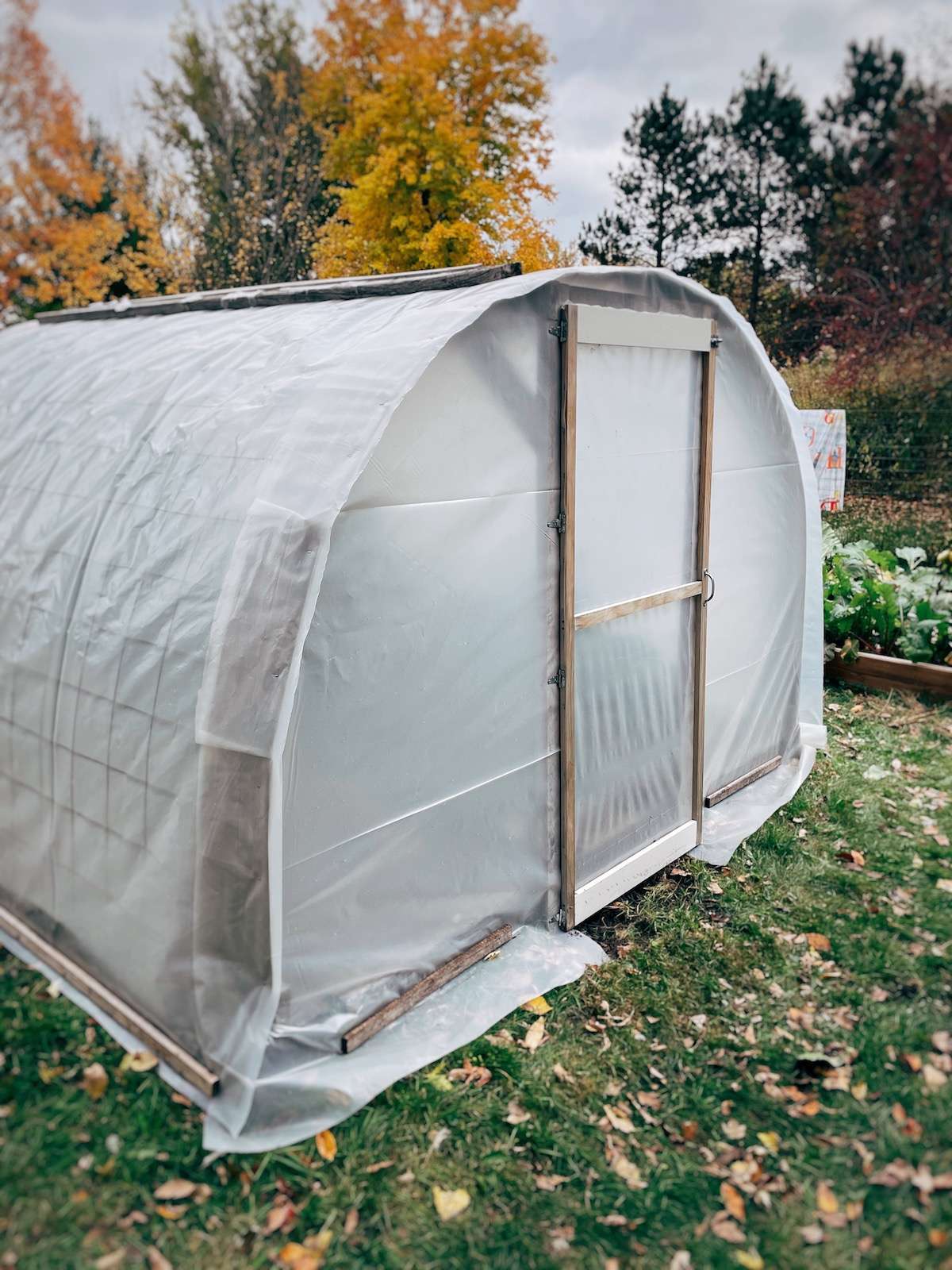
Using opaque plastic for greenhouse construction can have both benefits and drawbacks. Opaque plastic does not allow sunlight to penetrate, which is crucial for plant growth. The primary function of a greenhouse is to create a controlled environment that maximizes exposure to sunlight while minimizing temperature extremes. However, there are scenarios in which opaque plastic might be useful, depending on the specific requirements of the plants being cultivated.
Light Transmission
The amount of light transmitted through greenhouse materials is vital for photosynthesis, the process by which plants convert light into energy. Opaque plastic blocks the majority of sunlight, potentially leading to insufficient light levels for plant growth.
- Photosynthesis requirement: Many plants need a specific amount of light to thrive.
- Growth limitations: Insufficient light can stunt growth and lead to weak plants.
- Alternatives: Consider using transparent or semi-transparent plastics that allow better light penetration.
Temperature Control
Another major consideration is temperature regulation. Opaque plastics can prevent excessive sunlight from entering, which may be advantageous in hotter climates. However, they might also lead to cold temperatures at night.
- Heat retention: Opaque plastics can reduce overheating during hot days.
- Nighttime cooling: Lack of sunlight absorption during the day can lead to cooler nighttime temperatures.
- Sustainability: Managing temperature is critical for plant health and growth cycles.
Material Durability
The durability and lifespan of opaque plastic are factors to consider. Some opaque plastics may degrade more quickly when exposed to UV light, impacting their effectiveness as a greenhouse cover.
- UV degradation: Opaque plastics may become brittle over time.
- Replacement costs: Frequent replacements can be economically burdensome.
- Durability tests: Choose options that offer UV resistance for longer lifespan.
Cost-Effectiveness
Opaque plastic can often be less expensive than clear alternatives, making it an attractive option for those on a budget. Yet, the cost savings must be weighed against potential impacts on plant health and productivity.
- Budget-friendly options: Opaque plastics are typically cheaper than transparent types.
- Long-term investment: Calculate the potential yield compared to initial savings.
- Assessing overall costs: Consider the lifespan and effectiveness in terms of plant growth.
Specific Plant Needs
Certain plants may actually benefit from reduced light levels and could thrive under opaque coverings. This is especially true for shade-tolerant species or when using a greenhouse for specific growing conditions.
- Shade-loving plants: Some plants thrive in low-light environments.
- Microclimates: Opaque materials can create cooler, humid microclimates ideal for certain crops.
- Experimentation: Assessing plant responses can inform the best use of opaque plastics.
Does a greenhouse need to be glass?
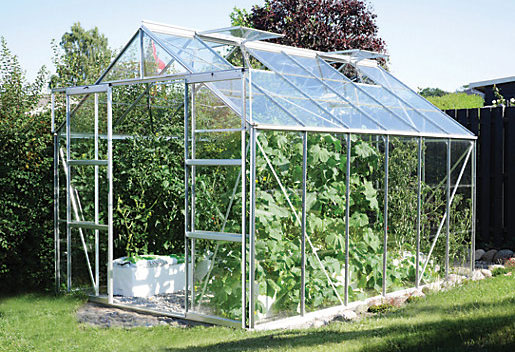
A greenhouse does not need to be made of glass. While traditional greenhouses are commonly constructed with glass due to its excellent light transmission properties, there are alternative materials that can also be effective for creating a conducive environment for plant growth. The choice of material depends on factors such as climate, budget, and personal preference.
Alternative Materials for Greenhouses
Several materials can be used in place of glass for constructing greenhouses. These alternatives can provide varying benefits.
- Polycarbonate sheets: Twin-wall or multi-wall polycarbonate sheets offer good insulation, UV protection, and are shatter-resistant.
- Polyethylene film: A cost-effective option commonly used that is lightweight and allows good light transmission, though it typically has a shorter lifespan.
- Fiberglass panels: These are durable and offer good insulation, but can yellow over time, reducing light transmission.
Benefits of Using Glass
Despite the availability of other materials, glass remains a popular choice due to its unique advantages.
- Transparency: Glass provides high clarity and allows a maximum amount of sunlight, which is essential for photosynthesis.
- Durability: When properly maintained, glass can last for decades without needing replacement.
- Temperature Control: Glass structures can better maintain consistent internal temperatures during the day and night.
Cost Considerations
When deciding on the material for a greenhouse, cost is always a factor to consider.
See also:
- Initial investment: Glass greenhouses are typically more expensive to install than those made from alternatives like plastic.
- Long-term maintenance: While glass may require less frequent replacement, repairs can be costly if broken.
- Energy costs: Insulating materials like polycarbonate can lead to lower heating costs in colder climates.
Climate Impacts on Material Choice
The climate in which the greenhouse is located significantly influences the choice of materials.
- Temperature extremes: In areas with extreme heat, materials like polycarbonate can help reduce overheating compared to glass.
- Wind resistance: In windy regions, sturdier materials may be necessary to prevent structural damage.
- Humidity levels: High humidity may require materials that resist mold and decay.
Personal Preferences and Aesthetics
The visual appearance of a greenhouse can also play a role in the choice of material.
- Design flexibility: Materials like plastic or polycarbonate can be easier to mold into unique shapes or designs.
- Visibility: Glass provides an unobstructed view of the plants, which can be more appealing to some gardeners.
- Neighborhood regulations: Local regulations may dictate the materials used in visible constructions, favoring aesthetic appeal.
Why do greenhouses have transparent walls?
Greenhouses have transparent walls primarily to optimize light penetration, which is crucial for plant growth. The primary function of a greenhouse is to create a controlled environment that fosters the ideal conditions for plants. Transparent walls allow sunlight to enter while preventing heat from escaping, effectively creating a greenhouse effect. This use of transparency in materials like glass or clear plastic supports photosynthesis, the process by which plants convert light into chemical energy.
Importance of Light for Plant Growth
Light is one of the essential elements needed for plant growth. Without adequate light, plants cannot perform photosynthesis, leading to stunted growth or death.
- Photosynthesis: The process by which plants convert sunlight into energy.
- Growth Stages: Different stages of plant growth require varying light intensities.
- Seasonal Change: Greenhouses can maximize light exposure even in winter.
Temperature Control
The transparent walls of a greenhouse play a vital role in maintaining optimal temperatures within the structure. By allowing sunlight to enter and preventing heat loss, greenhouses create a warmer microclimate that is beneficial for plant development.
- Heat Retention: Transparent materials trap heat, raising the internal temperature.
- Insulation Properties: Double-glazed panels can enhance insulation, further controlling temperature.
- Humidity Control: Warmer air holds more moisture, benefiting plant health.
Protection from Environmental Factors
While the transparent walls allow light to enter, they also serve to shield plants from various environmental factors such as wind, rain, and pests.
- Wind Protection: Transparent walls buffer plants from harsh winds that can cause physical damage.
- Pest Control: Enclosed environments limit pest access.
- Rain Damage Prevention: Maximizes water availability while preventing excessive moisture.
Material Choices for Greenhouse Walls
Various materials can be used for the transparent walls of greenhouses, each with its unique benefits and drawbacks. The choice of material significantly impacts the effectiveness of the greenhouse.
- Glass: Highly durable and provides excellent light transmission.
- Polycarbonate: Lightweight and provides better insulation resistance than glass.
- Polyethylene Film: Cost-effective and easy to install, although less durable than glass.
Cost Efficiency and Sustainability
Using transparent walls can lead to long-term cost savings and sustainable practices in agriculture. By harnessing natural light, greenhouses significantly reduce the dependency on artificial lighting.
- Energy Savings: Decreased usage of electricity for lighting leads to lower operational costs.
- Resource Efficiency: Optimizes water and nutrient use, promoting sustainable practices.
- Year-Round Production: Longer growing seasons increase profitability.
Questions from Our Readers
Does a greenhouse need to be transparent?
A greenhouse typically needs to be transparent to allow sunlight to enter and create the warm environment essential for plant growth. However, it can also benefit from translucent or opaque materials, depending on specific growing needs and climate conditions.
What materials can be used for greenhouse glazing?
Common materials for greenhouse glazing include glass, polycarbonate, and polyethylene film. Each material has its own advantages in terms of light transmission, insulation, and durability, which can affect the overall efficiency of the greenhouse.
Can a greenhouse be effective without clear panels?
Yes, a greenhouse can still be effective without clear panels by using translucent materials or specific types of shade cloth that can filter light while reducing extreme heat. This can be advantageous in regions where excessive heat or glare may harm plants.
What are the alternatives to transparent materials for a greenhouse?
Alternatives to transparent materials for greenhouses include shaded structures, high tunnels, or even indoor gardening setups that utilize artificial lights. These options can provide adequate growing conditions without relying solely on natural sunlight.
See also:

If you want to read more articles like Does a Greenhouse Need to Be Transparent? Exploring the Importance of Light and Visibility in Greenhouse Design, we recommend you check out our Garden category.
Leave a Reply
Related Articles