Will a Plastic Greenhouse Stay Warm in Winter? Essential Tips for Optimal Temperature Control
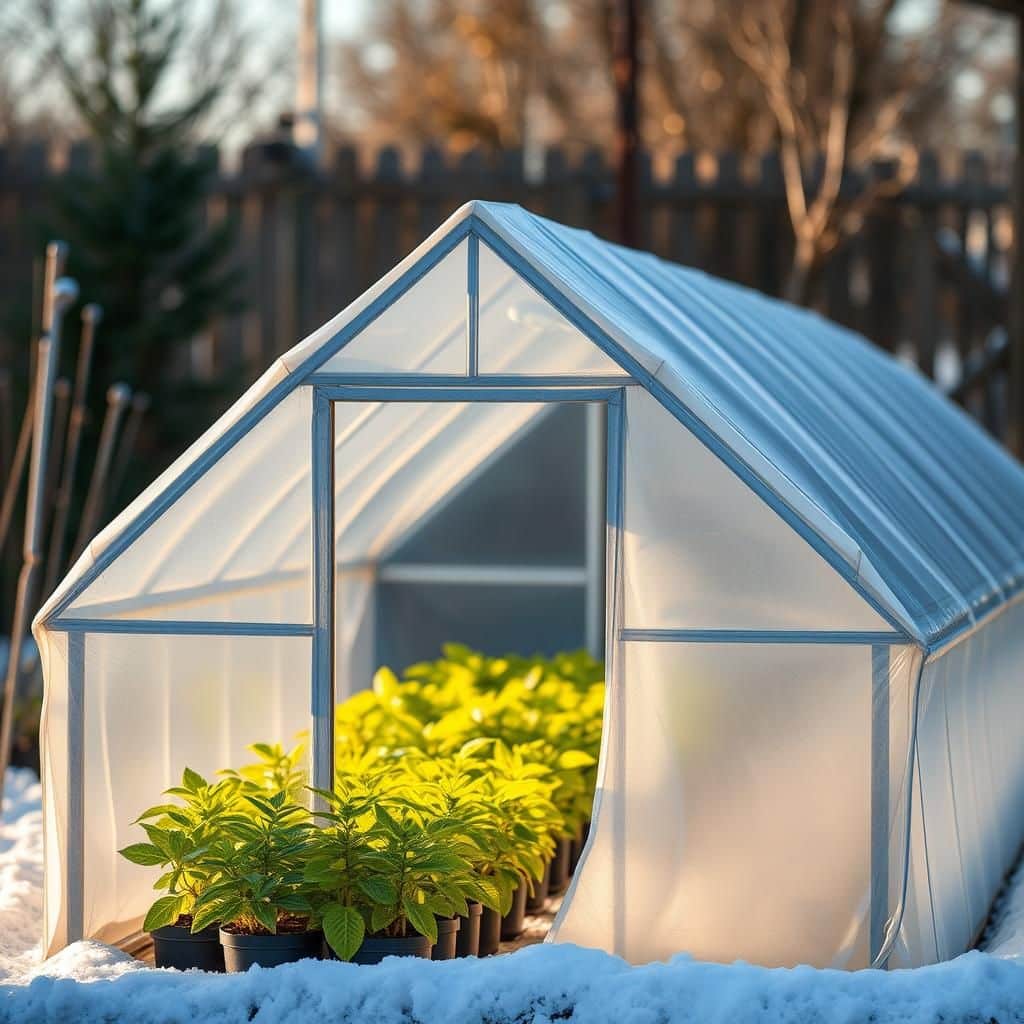
As winter approaches, maintaining an optimal growing environment becomes a challenge for gardeners utilizing plastic greenhouses. These structures can offer some insulation, but how effective are they in retaining heat during the cold months? Understanding the nuances of temperature control within a plastic greenhouse is essential for successful winter gardening. In this article, we will explore key factors that affect warmth retention and provide essential tips to enhance temperature regulation. From choosing the right materials to implementing effective heating solutions, ensuring your plastic greenhouse stays warm can significantly impact the health and productivity of your winter plants.
Will a Plastic Greenhouse Stay Warm in Winter?
A plastic greenhouse can effectively retain heat during the winter months, but its efficiency largely depends on several factors including the thickness of the plastic, the type of heating system used, and the local climate. High-quality polyethylene film can provide good insulation and can help maintain a warmer environment inside the greenhouse when properly sealed. Additionally, incorporating elements like thermal mass (such as water barrels) can help to absorb and store heat during the day, releasing it slowly at night. However, it is essential to monitor ventilation to avoid overheating on sunnier days while still keeping heat trapped during colder nights.
How Does Plastic Insulate Against Cold?
Plastic greenhouses, particularly those made from polycarbonate or polyethylene, utilize air pockets within their material to create an insulating barrier against the cold. These air pockets reduce the loss of heat by trapping warm air inside the greenhouse. The effectiveness of this insulation varies with the thickness of the plastic; thicker materials provide better thermal insulation and can enhance the greenhouse’s ability to retain warmth during frosty nights.
The Role of Heating in Plastic Greenhouses
To maintain a consistently warm environment in a plastic greenhouse during winter, many growers opt for supplemental heating systems. These can range from simple electric heaters to more complex setups like hydroponic heat mats or even solar heating systems. The choice of heating method will depend on the size of the greenhouse and the specific plants being grown. Properly managing the heating source is crucial to avoid sharp temperature fluctuations that can stress plants.
How to Enhance Heat Retention in a Plastic Greenhouse
Enhancing heat retention in a plastic greenhouse can be achieved through various strategies. Covering the greenhouse with a second layer of plastic can create an additional barrier of insulation, similar to a double-glazed window. Additionally, installing thermal mass elements within the greenhouse, such as water containers or stones, can absorb heat during the day and slowly release it at night, helping to maintain a stable temperature during colder periods.
Local Climate Considerations
The local climate heavily influences how well a plastic greenhouse will perform in winter. In regions where temperatures drop significantly, choosing the right materials and heating approaches becomes even more critical. For example, in milder climates, a simple setup might suffice, but in arctic or sub-arctic zones, added insulation and robust heating systems will likely be necessary to keep the greenhouse functional year-round.
Maintaining Airflow in Winter
While keeping a plastic greenhouse warm in winter is essential, maintaining appropriate airflow is equally crucial. Many growers mistakenly keep their greenhouses completely sealed to trap heat, which can lead to problems with humidity and mold. Proper ventilation allows for some exchange of air, preventing excessive moisture buildup while still helping to regulate the temperature effectively. Implementing adjustable vents or fans can help keep the air circulating without leading to significant heat loss.
| Factor | Impact on Heat Retention |
|---|---|
| Thickness of Plastic | Thicker materials provide better insulation. |
| Heating Systems | Supplemental heating aids in temperature regulation. |
| Thermal Mass | Helps store and release heat gradually. |
| Local Climate | Determines the required insulation and heating efficiency. |
| Airflow | Maintains humidity levels without significant heat loss. |
How to keep a plastic greenhouse warm in winter?
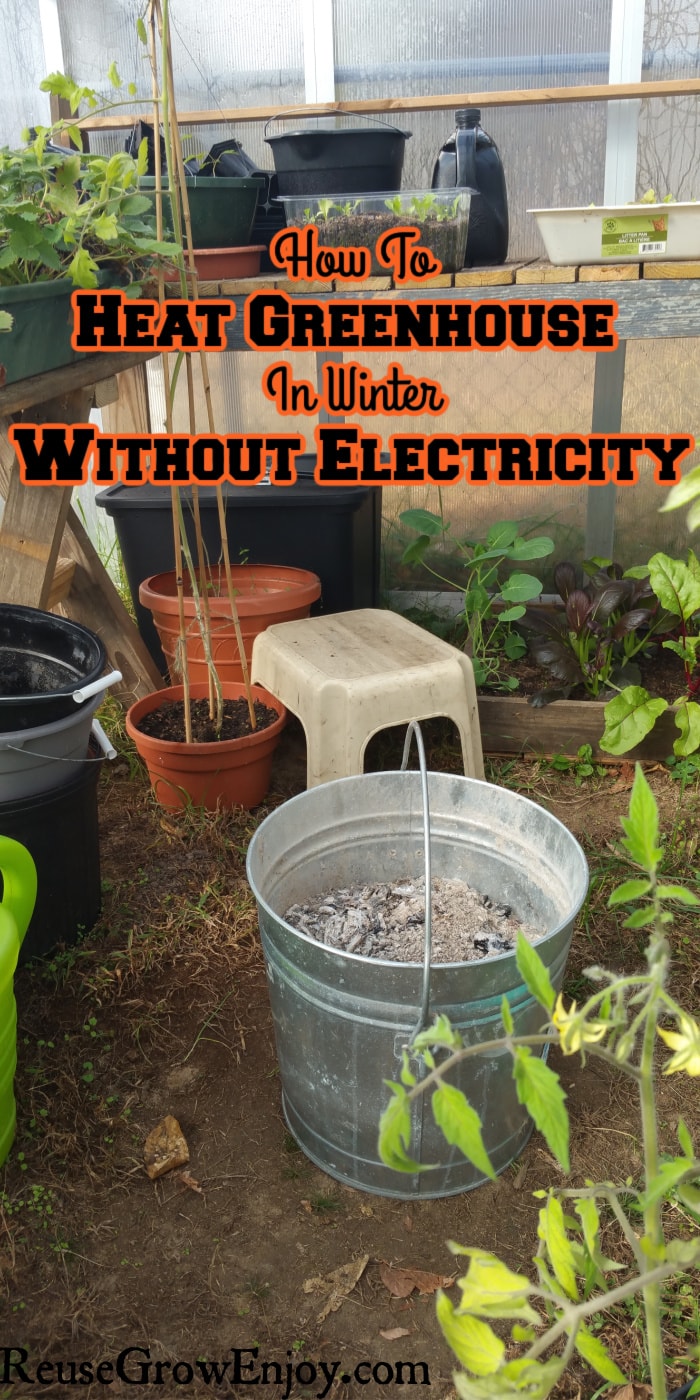
To keep a plastic greenhouse warm during winter, several strategies can be employed to maximize heat retention and maintain a conducive environment for plant growth. Here are some practical methods:
Insulation Techniques
Using effective insulation can significantly reduce heat loss in a plastic greenhouse. Consider the following materials and methods for insulating the structure:
- Bubble Wrap: Cover the interior walls of the greenhouse with bubble wrap. This material traps air, which acts as an insulator.
- Insulating Foam Panels: Use foam panels around the base and any exposed areas to prevent cold drafts and retain warmth.
- Heating Mats: Place heating mats under seed trays or potting areas to provide bottom heat, which can maintain warmer soil temperatures.
Temperature Regulation
Regulating the temperature inside the greenhouse is crucial for plant health. Here are some ways to manage the internal temperature effectively:
- Thermal Mass: Incorporate materials that can absorb heat during the day and release it at night, such as water barrels or stone slabs.
- Ventilation Control: Use vents or openings strategically to allow heat to escape during the day and keep the structure sealed at night.
- Temperature Sensors: Install sensors to monitor greenhouse temperatures and ensure they remain within optimal ranges for plant growth.
Heat Sources
Supplementing natural heat sources can help maintain warmer temperatures in a greenhouse. Consider the following heating options:
- Electric Heaters: Use electric heaters with thermostats to maintain a consistent temperature.
- Propane Heaters: For larger greenhouses, propane heaters can provide significant warmth—ensure proper ventilation to prevent carbon monoxide buildup.
- Solar Panels: Install solar panels to power electric heaters or fans, creating a sustainable heating solution.
Covering and Glazing Options
The type of cover used for a greenhouse plays a key role in its thermal efficiency. Various glazing options can affect heat retention:
See also:
- Double-layer Polyethylene: Consider using double-layer plastic, which creates an insulating air space, enhancing heat retention.
- Thermal Screens: Use thermal screens during the night to trap heat within the greenhouse.
- Opaque Glazing: Explore using opaque materials that can minimize heat loss during the coldest months.
Strategic Placement and Orientation
The positioning of a greenhouse can significantly impact its ability to retain heat. Here are ways to maximize exposure to sunlight:
- South-facing Orientation: Position the greenhouse to face south, allowing it to collect maximum sunlight during the day.
- Windbreaks: Plant trees or shrubs around the greenhouse to act as windbreaks, reducing cold drafts.
- Elevated Ground: Build the greenhouse on raised ground to promote better drainage and reduce frost risk.
Are plastic greenhouses good for winter?

Plastic greenhouses can be an excellent option for winter gardening, as they provide insulation and protection against the harsh elements. These structures can trap heat during the day and retain it at night, ensuring that the internal environment remains suitable for plant growth even when outside temperatures drop significantly. However, several factors determine their effectiveness and longevity during the winter months.
Benefits of Plastic Greenhouses in Winter
Plastic greenhouses offer several advantages that make them suitable for use during winter:
- Temperature Regulation: They can maintain a warmer climate inside, allowing plants to thrive even in cold weather.
- Cost-Effective: Compared to other greenhouse materials, plastic is often cheaper and easier to install.
- Light Penetration: Plastic covers allow ample sunlight to reach the plants, which is crucial during winter when sunlight is limited.
Types of Plastic Materials
Different types of plastic can be used in greenhouse construction, each with its unique characteristics:
- Polyethylene Film: This is the most common material, affordable, and effective for insulation.
- Polycarbonate Panels: These provide excellent insulation and durability, often outperforming other types.
- Acrylic Sheets: While more expensive, they offer higher clarity and strength, reducing the need for regular replacement.
Insulation Techniques
Enhancing the insulating properties of plastic greenhouses can help maintain optimal conditions during winter:
- Double Layering: Installing an extra layer of plastic can significantly improve insulation by creating an air gap.
- Thermal Mass: Incorporating materials that retain heat, such as water barrels, can help stabilize temperatures.
- Site Selection: Positioning the greenhouse strategically, such as near a wall or in a windbreak, can reduce heat loss.
Challenges of Winter Plastic Greenhouses
Despite their benefits, there are challenges associated with winter usage of plastic greenhouses:
- Condensation Issues: Excess moisture can lead to mold growth and affect plant health.
- Structural Integrity: Heavy snow or ice accumulation can compromise the greenhouse’s structure, particularly if not properly designed.
- Temperature Fluctuations: Without adequate heating, nighttime temperatures may still fall too low for sensitive plants.
Maintaining a Winter Greenhouse
Proper maintenance is crucial for the efficient operation of a plastic greenhouse through winter:
- Regular Monitoring: Keep an eye on temperatures and humidity levels to prevent adverse conditions.
- Cleaning the Plastic: Regularly remove debris and dirt from the plastic to maximize light penetration and reduce algae growth.
- Check for Damage: Regularly inspect the greenhouse structure for any tears or weak points that may need repairs.
How much warmer is it inside a plastic greenhouse?

The temperature inside a plastic greenhouse can be significantly warmer than the external environment due to several factors. On average, the temperature inside a plastic greenhouse can be between 10°F to 20°F (approximately 5°C to 11°C) warmer than outside temperatures during sunny days. This warming effect is primarily due to the greenhouse effect, where sunlight enters through the transparent plastic, warms the interior, and is trapped by the walls preventing it from escaping.
Mechanism of Heat Retention
The greenhouse effect plays a crucial role in maintaining higher temperatures inside a plastic greenhouse. Here’s how it works:
- Sunlight Penetration: The transparent plastic allows sunlight to enter and warm the plants and soil.
- Heat Absorption: Surfaces inside the greenhouse absorb this heat and reradiate it.
- Insulation: The plastic walls prevent heat from escaping, often leading to a thermal buildup.
Impact of Greenhouse Size and Ventilation
The size and ventilation of a greenhouse can significantly influence the temperature differential:
- Size: Larger greenhouses may have more air volume to heat, potentially resulting in a less dramatic temperature increase.
- Ventilation Systems: Proper ventilation can help regulate temperatures, preventing overheating on warmer days.
- Heat Sink Materials: Materials such as soil and water can retain heat and contribute to overall temperature stability.
Climate and Seasonal Variations
The difference in temperature can also be influenced by external climate conditions and seasons:
See also:
- Time of Year: In winter, greenhouses can provide a substantial temperature increase compared to frigid outdoor conditions.
- Geographical Location: Regions with more sunlight will experience greater temperature elevations inside the greenhouse.
- Weather Conditions: Clear, sunny days yield the highest temperature differences compared to cloudy or rainy days.
Types of Plastic and Their Insulation Properties
The type of plastic used in greenhouses can greatly affect heat retention:
- Polyethylene Film: Commonly used, it provides decent insulation but may degrade over time.
- Polycarbonate Panels: These offer better insulation and UV protection, retaining more heat.
- Double-layered Materials: Some greenhouses use double-layered plastics creating an air pocket, enhancing insulation significantly.
Effectiveness for Plant Growth
Increased temperatures within the greenhouse can significantly benefit plant growth:
- Extended Growing Season: Warmer temperatures allow for an earlier start in spring and a later harvest in fall.
- Increased Crop Yields: Plants thrive better in optimal temperature conditions, resulting in more abundant yields.
- Disease Prevention: Warmer environments can help deter certain pests and diseases that thrive in cooler conditions.
Will a polycarbonate greenhouse stay warm in the winter?
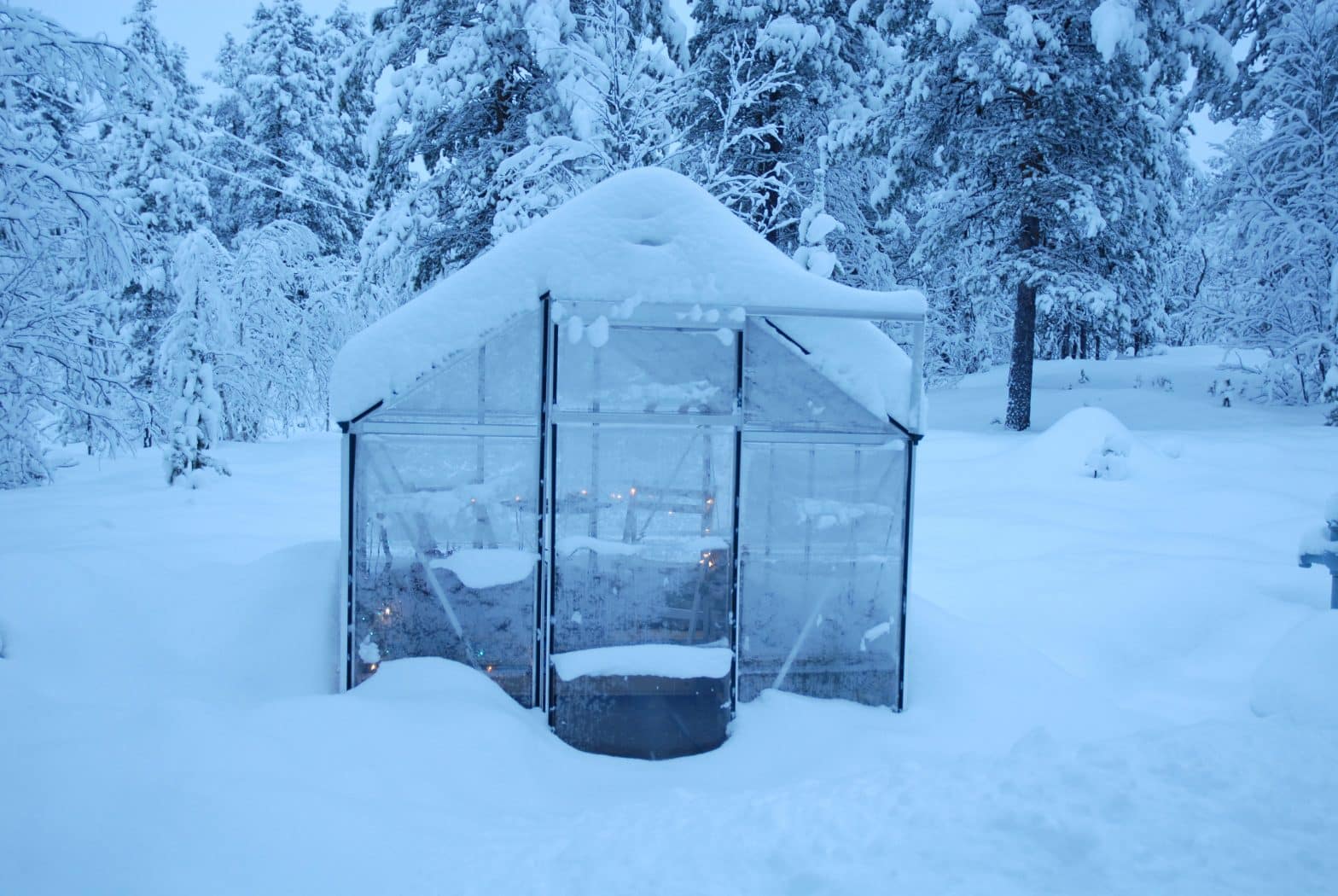
A polycarbonate greenhouse can indeed stay warm during the winter months, provided that it is designed and constructed correctly. Polycarbonate panels have excellent insulating properties, which help to retain heat inside the greenhouse. This insulation is achieved through the structure's double or triple wall construction, which traps air and reduces heat loss. When complemented by proper heating methods and good ventilation, a polycarbonate greenhouse can create a favorable environment for plants even in colder temperatures.
Key Insulating Properties of Polycarbonate
Polycarbonate is a highly effective material for greenhouse construction, mainly due to its insulating characteristics. The unique design of polycarbonate panels, which can be either twin-wall or multi-wall, enhances their insulating capacity significantly.
- Thermal Efficiency: The air trapped between the walls of the panels creates a barrier that slows down heat loss.
- UV Protection: Polycarbonate materials often have UV resistant properties, protecting plants from harmful sun rays while allowing sufficient light to enter.
- Light Diffusion: Polycarbonate panels diffuse light effectively, ensuring even light distribution, which is crucial for plant growth in winter.
Heat Retention Strategies
To maximize the warmth of a polycarbonate greenhouse during winter, certain strategies are essential. The combination of passive heat retention and active heating solutions can effectively maintain a stable environment.
- Thermal Mass: Incorporating materials like water barrels or stones can help absorb heat during the day and release it at night.
- Insulation Techniques: Adding bubble wrap or thermal curtains can enhance insulation, especially during the coldest nights.
- Heating Systems: Using electric heaters or propane heaters can provide additional warmth when temperatures drop significantly.
Ventilation Considerations
Maintaining adequate ventilation is crucial even in winter, as it prevents the buildup of humidity which can lead to mold and plant diseases.
- Air Circulation: Proper airflow ensures plants remain healthy, preventing overheating during sunny winter days while maintaining warmth.
- Automatic Vent Openers: Installing automatic vent openers helps regulate temperature by allowing cooler air in and warm air to escape automatically.
- Orientation: Positioning the greenhouse to maximize sunlight exposure throughout the day can help in maintaining a higher internal temperature without excessive heating requirements.
Choosing the Right Location
The location of a polycarbonate greenhouse is vital to its ability to stay warm in winter. Specific factors should be considered for optimal placement.
- Sunlight Exposure: Ideally, the greenhouse should be placed in a spot that receives ample sunlight, especially during winter when days are shorter.
- Wind Protection: Positioning the greenhouse near natural windbreaks such as trees or buildings can reduce heat loss due to cold winds.
- Soil Drainage: Well-drained soil prevents cold air from pooling under the greenhouse, maintaining a warmer floor temperature.
Long-term Benefits of Polycarbonate Greenhouses
Investing in a polycarbonate greenhouse offers various long-term advantages, especially for winter gardening.
- Durability: Polycarbonate is more resilient than glass and can withstand extreme environmental conditions without breaking.
- Cost-Effectiveness: The long-term energy savings from reduced heating costs often outweigh the initial investment in a polycarbonate structure.
- Year-Round Use: A well-insulated greenhouse allows for the growth of crops throughout the winter, extending the growing season and increasing harvests.
Questions from Our Readers
Will a plastic greenhouse stay warm in winter?
A plastic greenhouse can effectively retain heat during winter, especially if it is properly designed and installed. The translucent materials used in plastic greenhouses help capture sunlight, which can warm the air inside. However, additional measures such as insulation and heating systems might be necessary in extremely cold climates to maintain optimal temperatures for plant growth.
What are the best types of plastic for winter use in greenhouses?
For winter use, it is recommended to use polycarbonate or polyethylene films as they provide better insulation compared to other types like PVC. Polycarbonate panels are particularly durable and can help maintain warmer temperatures by reducing heat loss. Choosing the right type of plastic is essential for ensuring that the greenhouse remains efficient during colder months.
How can I improve heat retention in my plastic greenhouse during winter?
To improve heat retention in a plastic greenhouse, consider adding thermal mass elements such as water barrels or stones that can absorb heat during the day and release it at night. Additionally, installing a double-layer of plastic can create an insulating air pocket that helps keep the interior warmer. Proper ventilation is also important to prevent excess humidity and maintain a suitable environment for plants.
Should I use a heater in my plastic greenhouse during winter?
Using a heater in a plastic greenhouse during winter can be beneficial, especially in regions with harsh winters. A heater can help maintain a consistent temperature that supports plant growth and protects them from frost damage. It's important to choose an energy-efficient option and monitor the temperature regularly to ensure that it remains within the ideal range for your plants.
See also:

If you want to read more articles like Will a Plastic Greenhouse Stay Warm in Winter? Essential Tips for Optimal Temperature Control, we recommend you check out our Garden category.
Leave a Reply
Related Articles