When Should I Stop Gardening? Key Signs and Tips for Gardeners
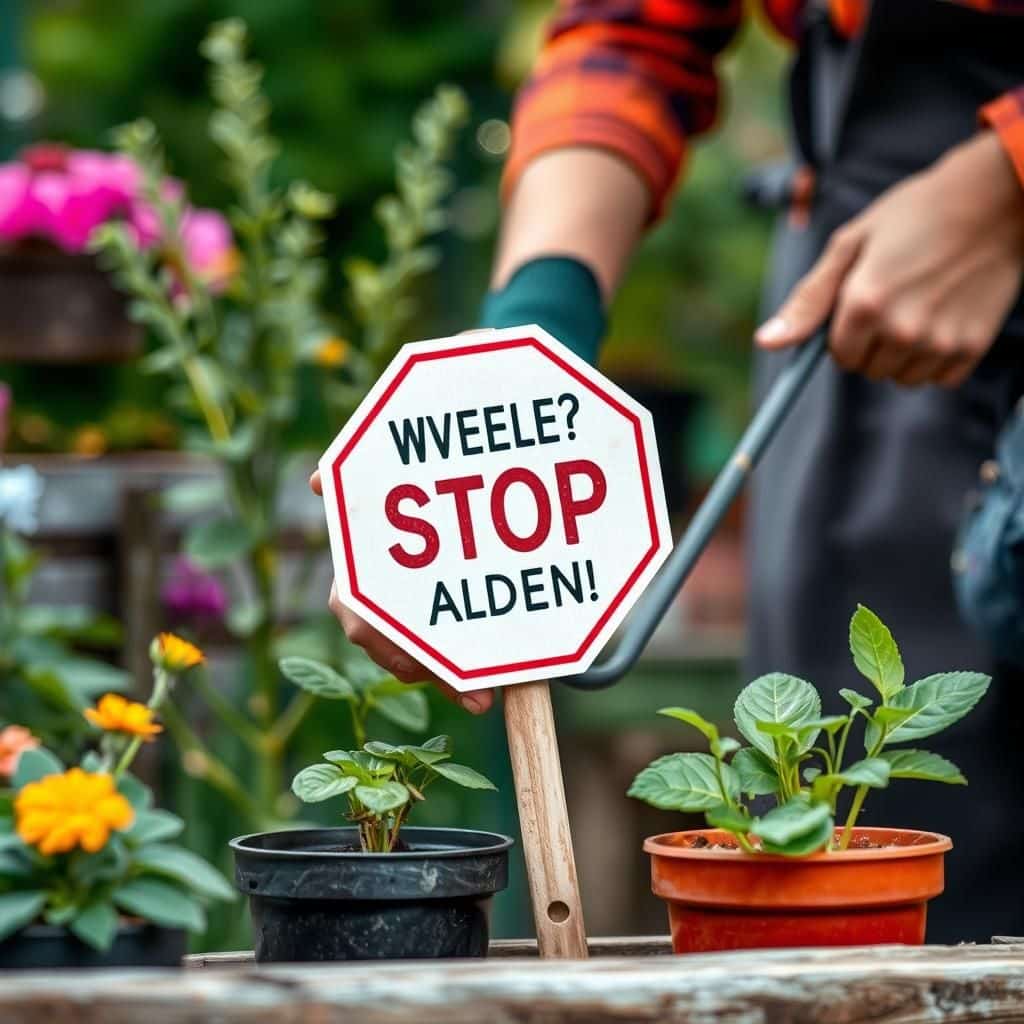
Gardening can be a fulfilling and therapeutic hobby, but even the most dedicated gardeners need to know when to take a step back. Understanding the key signs that indicate it's time to pause or discontinue gardening is essential for maintaining both your health and your garden's vitality. In this article, we will explore the various signals that suggest it might be time to stop gardening. From physical limitations to changes in interest and seasonal cues, we’ll provide practical tips to help you make informed decisions about when to take a break from your beloved gardening activities.
When Should I Stop Gardening?
Deciding when to stop gardening largely depends on the specific climate and season of your location, as well as the types of plants you are cultivating. Typically, in temperate zones, gardeners might cease outdoor activities by late fall when temperatures begin to drop consistently below freezing or when frost warnings are issued. Additionally, it's crucial to assess whether your plants can withstand colder temperatures or if they need protective measures like mulching or covering. In warmer climates, gardening may continue well into the winter, but certain plants may still go dormant, signaling a natural end to gardening activities until the spring season arrives.
Understanding Your Local Climate
Knowing your local climate is vital for determining when to stop gardening. Various regions experience different seasons and temperature ranges, which greatly influence plant growth. In cooler regions, once the first frost hits, many plants will stop thriving. Conversely, in warmer areas, the absence of frost may allow for year-round gardening. Therefore, it's beneficial to consult local gardening resources or extension services for advice tailored to your specific environment.
Signs of Plant Dormancy
Observing your plants closely will reveal signs of dormancy during colder months. Common indicators include yellowing leaves, decreased growth, and the shedding of leaves and flowers. Many perennial plants and shrubs enter a state of dormancy to conserve energy during unfavorable conditions. When you notice these signs, it’s typically a good indication that it's time to pause gardening activities and prepare for the winter season.
Seasonal Gardening Practices
Adjust your gardening practices according to the seasons. In fall, activities may include harvesting, planting cover crops, or preparing your garden for winter. It's essential to complete tasks such as cleaning up debris and applying mulch before the ground freezes. In spring, you can resume gardening with planting and soil preparation. Understanding seasonal practices helps maximize yield while recognizing when to stop activities is crucial for plant health.
Planting Zones and Hardiness
Familiarizing yourself with your planting zone can guide your decision on when to stop gardening. The USDA Plant Hardiness Zone Map provides information on the minimum winter temperatures for your area, helping you choose appropriate plants that will thrive or survive through the winter. If you're in a zone with harsh winters, it's wise to stop gardening activities early to protect your plants from harsh conditions.
Preparing for the Off-Season
As gardening concludes for the season, you should prepare for the off-season to ensure healthy soil and plants for next year's growing cycle. This preparation can include soil enrichment, planting perennials, and maintaining garden tools. A well-prepared garden enhances resilience against winter weather and sets the stage for a productive growing season in the spring.
| Action | Timing | Purpose |
|---|---|---|
| Clean Debris | Fall | Prevent pests and diseases |
| Mulching | Late Fall | Protect soil and plants |
| Harvest | Fall | Utilize remaining crops |
| Cover Crops | Fall | Enhance soil health |
| Soil Enrichment | Winter | Prepare for next season |
When should you stop planting plants?
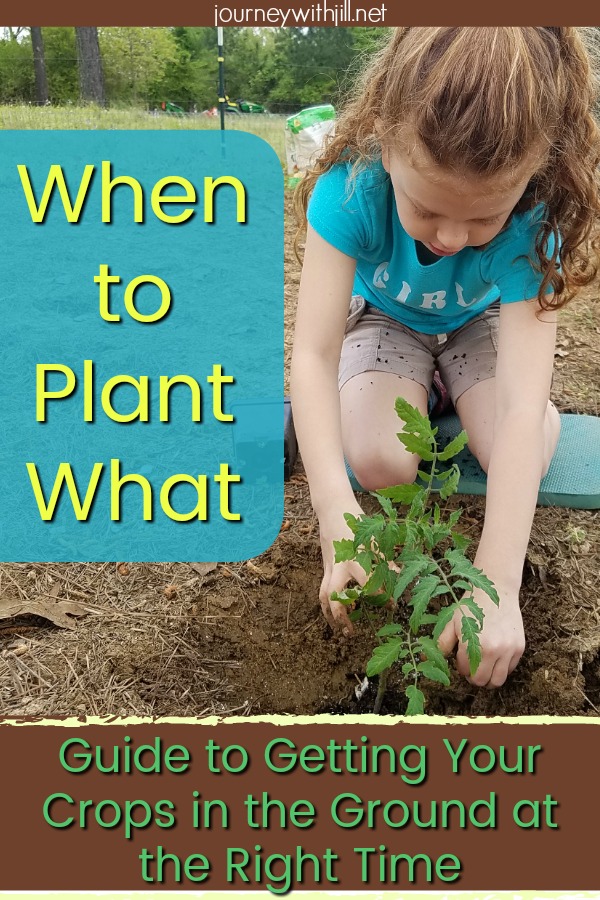
When it comes to gardening, knowing when to stop planting is crucial for the overall health of your garden. Various factors can influence this decision, including climate, season, type of plants, and local conditions. It's essential to consider these aspects to ensure that your plants thrive and do not suffer from adverse conditions. Here’s a closer look at specific considerations for ceasing planting activities.
Climate Considerations
Understanding your local climate is vital in determining when to stop planting. Climates vary across regions, affecting the best planting times for different species.
- Frost Dates: Be aware of the average last frost date in spring and first frost date in autumn for your area. Planting too late in the season can expose tender plants to unexpected frost.
- Weather Patterns: Consider the typical weather patterns during different seasons. Excessive heat or unusual rainfall can hinder plant growth after a certain point.
- Microclimates: Take note of microclimates in your area that could affect your planting timeline. Shadowed or sheltered spots may retain warmth longer than open areas.
Seasonal Timing
Each season has its unique planting needs and limitations. Understanding seasonal changes is essential for optimal plant growth.
- Spring Planting: Generally, spring is the best time for planting most annual flowers and vegetables. However, by mid-summer, it may be too hot for new plants to establish themselves.
- Summer Challenges: As temperatures rise, consider ceasing planting efforts to avoid stress on seedlings, particularly if water availability dips.
- Autumn Transitions: Late summer to early autumn can be great for planting perennials, but as the season progresses, anticipation of frost should dictate when to stop.
Type of Plants
The species of plants you are considering greatly affects your planting duration. Different plants have varied requirements and growth periods.
- Annuals vs. Perennials: Annuals are typically more forgiving with later planting, but most perennials require a longer growth period before winter.
- Hardy vs. Tender Plants: Hardy plants can withstand cooler temperatures and can be planted later; tender plants should ideally be in the ground well before the first cold snap.
- Native Species: Opting for native plants may extend your planting period as these species are often adapted to local conditions.
Soil Conditions
The condition of your soil is another key factor in deciding when to stop planting. Poor soil can negatively impact plant growth.
See also:
- Soil Temperature: Warmer soil temperatures generally promote better growth. Planting in cold soil can lead to poor germination rates.
- Moisture Levels: Soil that is too wet or too dry can impact planting effectiveness. Aim for well-balanced moisture in the soil before planting.
- Soil Health: Regularly test soil health for nutrients and composition. Poorly maintained soil may necessitate a pause in planting to improve quality.
Local Conditions and Regulations
Lastly, be aware of any local guidelines and specific conditions that might affect your planting timeline.
- Zoning Considerations: Familiarize yourself with local zoning laws, including any restrictions on when you can plant certain types of vegetation.
- Pest and Disease Risks: Certain times of the year can see increased pest populations. Ceasing planting when pests are prevalent can protect new plants.
- Environmental Concerns: Be mindful of drought conditions or local regulations around water use, which may dictate your planting timeline.
What is the gardening 3 year rule?
The gardening 3 year rule is a guideline primarily used in the context of employment and employee behavior after leaving a job, especially in industries where confidentiality and sensitive information are at stake. This rule generally states that former employees should refrain from working in competing businesses for a period of three years following the termination of their employment. This is often employed as a measure to prevent the potential misuse of proprietary knowledge and trade secrets gained during their previous employment.
Purpose of the Gardening 3 Year Rule
The purpose of the gardening 3 year rule is to protect a company’s intellectual property and maintain its competitive edge. By discouraging former employees from immediately joining competitors, companies seek to safeguard their investments in training and proprietary information. This period allows organizations to recover from any potential loss of competitive advantage.
- Protecting intellectual property
- Avoiding unfair competition
- Ensuring stability within the industry
Legal Considerations
When enforcing the gardening 3 year rule, several legal considerations come into play. Depending on the jurisdiction, these rules may have varying degrees of enforceability, and companies are often required to demonstrate a legitimate interest in imposing such restrictions. A poorly crafted agreement might lead to challenges in court, where judges may not uphold unreasonable or excessive limitations on an individual’s right to work.
- Enforceability of non-compete clauses
- State-specific regulations
- Potential legal battles
Exceptions to the Rule
There are certain exceptions to the gardening 3 year rule that may allow former employees to work in competing firms sooner than stipulated. These exceptions might include circumstances like the lack of specialized knowledge, relocation to a different region, or changes in job role that do not involve confidential information.
- Absence of trade secrets
- Change in job responsibilities
- Geographical limitations
Impact on Employees
The gardening 3 year rule can have a significant impact on employees' career trajectories. While it protects a company's interests, it can also limit former employees' opportunities in their field of expertise. Employees must consider their career plans and how this restriction might influence their future job prospects.
- Delayed career advancement
- Need for retraining or skill development
- Challenges in networking
Alternatives to the Gardening 3 Year Rule
Some companies opt for alternatives to the gardening 3 year rule, such as shorter non-compete agreements or enhanced incentive packages to retain talent. These strategies can foster a more positive work environment while still maintaining some level of protection for the organization’s sensitive information.
- Shorter non-compete durations
- Incentives for retaining employees
- Focus on company culture and satisfaction
Is it better to till your garden in the fall or spring?

Tilling a garden involves turning over the soil to help promote aeration, nutrient mixing, and weed control. Both fall and spring tilling have their advantages and disadvantages, and the best option often depends on specific gardening goals and local climate conditions.
Advantages of Fall Tilling
Fall tilling can offer several benefits, especially for gardeners looking to prepare their soil for the next growing season. Tilling in the fall allows for:
- Incorporation of Organic Matter: Fall is an excellent time to mix in compost and other organic materials, which will decompose over winter and enrich the soil.
- Weed Control: Turning the soil in the fall can help manage winter weeds that may otherwise take root and compete with spring crops.
- Soil Temperature Regulation: Tilling in the fall can expose the soil to cold air, which can help reduce pest populations and diseases overwintering in the soil.
Advantages of Spring Tilling
Spring tilling is often preferred for gardeners focused on immediate planting. The benefits of spring tilling include:
- Soil Moisture Management: Tilling in spring allows you to break up any frost-hardened soil, helping retain moisture for early seedlings.
- Weed Prevention Timing: By tilling in early spring, you can effectively disrupt the life cycle of weeds that start to grow as temperatures rise.
- Soil Structure Improvement: Spring tilling can help aerate the soil when it is still damp but not overly wet, promoting better seed-to-soil contact for new plants.
Impact on Soil Health
The timing of tilling can significantly affect the overall health of your soil. When considering soil health, it’s important to note:
See also:
- Microbial Activity: Tilling at different times can impact the populations of beneficial microbes. Fall tilling can disrupt them, while spring tilling might preserve some active populations.
- Soil Compaction: Tilling during high moisture conditions in spring can lead to soil compaction, altering drainage capabilities negatively.
- Soil Temperature Variation: Fall tilling can lead to lower soil temperatures which may delay soil warming necessary for optimal seed germination in spring.
Climate Considerations
The impact of climate is pivotal when determining the best time for tilling your garden. Different climates offer unique challenges:
- Long Winters: In colder regions, fall tilling might be more beneficial to allow organic matter to break down over winter.
- Mild Climates: Areas with mild winters may benefit from spring tilling, as the soil remains workable longer and can be planted earlier.
- Rainfall Patterns: Frequent spring rains may make tilling difficult, thus making fall tilling a more practical choice in such regions.
Personal Gardening Goals
Ultimately, a gardener’s personal goals will heavily influence the decision to till in the fall or spring. Consider the following:
- Types of Crops: If planting crops that require early planting, spring tilling may be necessary.
- Soil Amendments: If you plan to heavily amend your soil with organic materials, fall tilling can give them time to integrate.
- Time Availability: Depending on personal schedules and workload, choosing a season that allows for more time to prepare can be crucial.
What is the 70/30 rule in gardening?

The 70/30 rule in gardening refers to the principle of dividing gardening tasks and practices into two distinct categories: 70% care and maintenance and 30% creativity and design. This rule helps gardeners prioritize their activities, ensuring that they focus more on the ongoing care of their plants while allowing room for planning and creating aesthetically pleasing spaces. By adhering to this rule, gardeners can achieve both healthy plants and an appealing garden layout.
Understanding the 70% Care and Maintenance
The 70% care and maintenance aspect of the 70/30 rule emphasizes the significance of consistent attention to the garden. This includes all tasks necessary to support plant growth and overall garden health. Key activities involve:
- Watering regularly to keep plants hydrated.
- Weeding to prevent competition for nutrients.
- Fertilizing appropriate plants with essential nutrients.
The 30% Creativity and Design
The 30% creativity and design component allows gardeners to explore their artistic side by creating a visually pleasing garden environment. This includes elements such as:
- Choosing plants based on color, texture, and height for visual impact.
- Arranging plants and decorative features to enhance aesthetics.
- Implementing themes or styles that reflect personal preferences.
Benefits of the 70/30 Rule
Implementing the 70/30 rule brings numerous advantages to gardeners. It allows for a structured approach to maintaining a thriving garden while ensuring that creativity does not get neglected. Benefits include:
- Enhanced plant health due to regular care routines.
- Higher satisfaction from a well-designed garden.
- Balanced workload that prevents burnout in gardening tasks.
Applying the 70/30 Rule in Different Gardening Styles
The 70/30 rule can be adapted to various gardening styles, from vegetable gardens to ornamental gardens. Each style may require different considerations. For various gardening styles, one might focus on:
- Vegetable gardens focusing more on care techniques such as watering and pest control.
- Flower gardens emphasizing design to create seasonal displays of color.
- Landscaping that integrates elements such as hardscaping and plant selection for harmony.
Challenges in Following the 70/30 Rule
While the 70/30 rule provides a clear framework, it also presents several challenges for gardeners. Recognizing these challenges is crucial for successful implementation. Some common challenges involve:
- Time management to balance task completion versus creativity.
- Overemphasis on creativity may lead to neglecting essential care tasks.
- Seasonal variations affecting the care and design priorities throughout the year.
Questions from Our Readers
When is the best time to stop gardening for the season?
It's generally best to stop gardening at the onset of frost or when temperatures consistently drop below freezing for your region. This change signifies that many plants will struggle to survive, and it's an indication that you should focus on preparing your garden for the cold months ahead.
Should I stop gardening if my plants are not thriving?
If your plants are not thriving, it may be a sign to evaluate your gardening techniques rather than stop altogether. Consider factors such as water, light, and soil quality, as these issues can often be addressed to improve plant health, rather than halting your gardening efforts.
What should I do with my garden before stopping for winter?
Before stopping for winter, it's important to clean up your garden by removing any dead or diseased plants, which can harbor pests. Additionally, adding a layer of mulch can help protect the soil and provide nutrients when the growing season resumes.
Can I continue some gardening activities in winter?
Yes, you can continue some gardening activities in winter, such as planning for the next season, maintaining indoor plants, or even starting a winter garden with hardy crops. Engaging in these activities can keep your gardening passion alive despite colder weather.
See also:

If you want to read more articles like When Should I Stop Gardening? Key Signs and Tips for Gardeners, we recommend you check out our Garden category.
Leave a Reply
Related Articles