Can You Plant Cucumbers Next to Garlic? A Complete Guide to Companion Planting
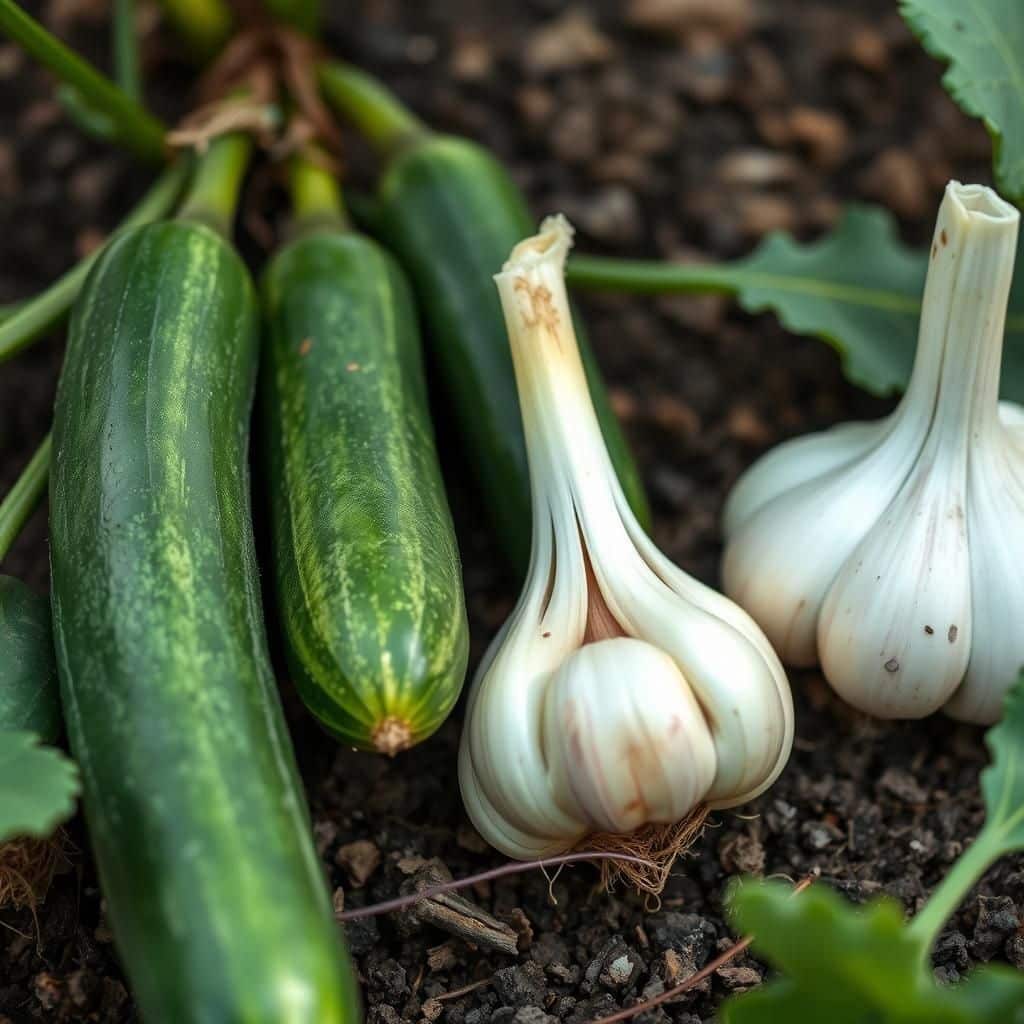
Companion planting is a popular gardening strategy that maximizes space, improves plant growth, and minimizes pests. One question many gardeners often ask is, Can you plant cucumbers next to garlic? This article explores the compatibility of these two crops, delving into their unique growth habits and potential benefits of planting them together. By understanding their interactions, you can create a harmonious garden environment that promotes healthy yields. From pest control to nutrient sharing, discover the guidelines and tips for successfully integrating cucumbers and garlic in your garden to enhance both plants' growth and overall productivity.
Can You Plant Cucumbers Next to Garlic?
Planting cucumbers next to garlic is generally considered beneficial due to the pest-repelling properties of garlic. Garlic can help deter common pests that may harm cucumbers, such as aphids and beetles. Additionally, garlic has antifungal properties that can help prevent certain diseases that cucumbers may be susceptible to. However, it's important to ensure that both plants have enough space and nutrients in the soil, as competition for resources can negatively affect their growth. Therefore, while they can be planted near each other, proper management and care are essential for optimal yields.
Benefits of Planting Garlic with Cucumbers
One of the main benefits of planting garlic next to cucumbers is the natural pest control that garlic provides. The strong scent of garlic can confuse and repel pests that typically target cucumbers, leading to healthier plants with less pesticide usage. Moreover, garlic can improve the overall soil health, promoting better nutrient uptake for both crops, making them thrive together.
Companion Planting Considerations
When considering companion planting, it is crucial to assess the needs of both cucumbers and garlic. Cucumbers require plenty of sunlight, water, and nutrient-rich soil. In contrast, garlic prefers well-drained soil and moderate watering. While they can grow well together, ensuring that each plant type has enough resources is vital. Overcrowding or insufficient care can lead to poor growth and yields.
Space Requirements for Both Plants
Cucumbers can grow quite large and require ample space to develop properly. It's recommended to give them at least 12-24 inches of space between each plant. In contrast, garlic typically takes up less space but also needs sufficient room for airflow to prevent diseases. Therefore, when planting cucumbers next to garlic, maintaining adequate spacing is essential to ensure both plants receive the light, nutrients, and air circulation they need to thrive.
Potential Risks of Planting Together
While there are many benefits to planting garlic alongside cucumbers, there are also some potential risks. For instance, if the garlic begins to outcompete the cucumbers for nutrients or space, it can stunt the growth of the cucumbers. Additionally, if garlic is planted too close, it may lead to increased moisture retention in the soil, which can promote diseases for both plants. Careful planning and monitoring can help mitigate these risks.
Impact on Growth and Flavor
The interaction between garlic and cucumbers can potentially impact the flavor of both plants. Some gardeners report that when garlic is grown near cucumbers, it can enhance the flavor of cucumbers, making them zestier. However, if not managed correctly, the competition for resources can lead to smaller, less flavorful cucumbers. Proper care and management of both crops are crucial to maximize their beneficial interactions while minimizing negative effects.
| Factor | Cucumbers | Garlic |
|---|---|---|
| Sunlight Requirement | Full sun | Full sun |
| Watering Needs | Regularly | Moderate |
| Spacing | 12-24 inches | 4-6 inches |
| Pest Control | Needs protection | Deters pests |
| Growth Cycle | Summer | Spring |
Can you plant cucumber next to garlic?

Cucumbers and garlic can be grown in proximity to each other, but it is essential to understand the potential benefits and challenges of this combination.
Benefits of Planting Cucumbers and Garlic Together
Planting cucumbers next to garlic can offer several advantages:
- Pest Repellent: Garlic is known for its ability to repel common pests such as aphids, which can be beneficial for cucumbers.
- Companion Planting: The two plants can work well together, with garlic's robust growth protecting cucumbers from some diseases.
- Flavor Enhancement: Having garlic nearby may enhance the flavor of cucumbers, providing a more aromatic variety.
Challenges of Growing Cucumbers and Garlic Together
While there are benefits, there can also be challenges when planting cucumbers and garlic in close proximity:
- Competition for Nutrients: Both plants may compete for soil nutrients, which can affect their overall growth.
- Space Requirements: Cucumbers require ample space to vine, potentially overshadowing garlic if not managed properly.
- Disease Spread: Certain diseases that affect cucumbers may also impact garlic, increasing the risk of infection.
Optimal Growing Conditions for Cucumber and Garlic
To maximize the success of planting cucumbers and garlic together, attention should be paid to their growing conditions:
- Soil Quality: Both plants thrive in well-draining soil enriched with organic matter.
- Sunlight: Ensure both crops receive adequate sunlight, ideally full sun for at least six hours per day.
- Watering Needs: While cucumbers require consistent moisture, garlic prefers drier conditions; managing watering is crucial.
Planting Techniques for Cucumbers and Garlic
Proper planting techniques can enhance the success of growing cucumbers and garlic together:
See also:
- Spacing: Ensure proper spacing between plants to prevent overcrowding and allow air circulation.
- Intercropping: Consider planting garlic as a border around cucumbers to maximize space and benefit both crops.
- Crop Rotation: Practice crop rotation in subsequent seasons to reduce soil-borne diseases and nutrient depletion.
Harvesting Considerations for Cucumbers and Garlic
When it comes to harvesting cucumbers and garlic, specific considerations should be taken into account:
- Timing: Harvest cucumbers when they are firm and still green, while garlic should be harvested when the leaves start to yellow.
- Storage: Proper storage methods for both crops can prolong their usability and prevent wastage.
- Sequential Harvesting: Plan for staggered planting to allow for a continuous harvest and avoid overwhelming supply.
What can you not plant near cucumbers?
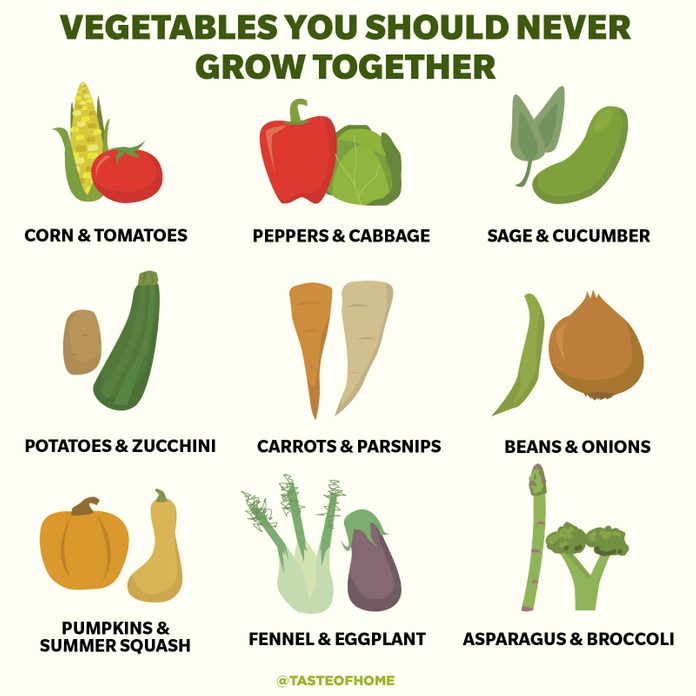
Cucumbers are a popular garden vegetable that can thrive when planted alongside compatible companions. However, there are certain plants that should be avoided due to potential negative interactions. Here are some plants that you should not plant near cucumbers:
1. Cabbage Family Members: Plants like cabbage, broccoli, and cauliflower may stunt the growth of cucumbers.
2. Aromatic Herbs: Herbs such as sage, in particular, can hinder the growth of cucumbers and lead to poor yields.
3. Potatoes: Growing cucumbers near potatoes might increase the risk of pest problems, especially for aphids.
4. Fennel: Fennel can produce chemicals that inhibit the growth of cucumbers while also affecting their flavor.
5. Melons: While melons and cucumbers are related, planting them together can lead to competition for resources, adversely affecting their growth.
Cabbage Family Members
Plants belonging to the cabbage family, including cabbages, kales, and brussels sprouts, should be kept away from cucumbers. The presence of these plants can lead to competition for nutrients and space, ultimately slowing the growth of cucumbers.
- Compete for soil nutrients.
- Increased chances of disease transmission.
- Stunted cucumbers due to allelopathic properties.
Aromatic Herbs
Certain aromatic herbs like sage and rosemary can produce compounds that may inhibit the growth of cucumbers. It is advisable to keep these herbs at a distance in order to prevent them from negatively affecting cucumber health.
- Decrease in cucumber yield.
- Poor development of fruits.
- Weaker plants struggling against competition.
Potatoes
Growing cucumbers near potatoes is discouraged because these plants attract similar pests, particularly aphids. These pests can invade both crops, leading to a higher risk of infestation and overall damage.
- Increase in common pests.
- Potential for disease spread.
- Reduced vigor in both crop types.
Fennel
Fennel can release chemical compounds into the soil that may hinder the growth of cucumbers. It is a known allelopathic plant which can interfere with nearby crops, impacting their overall performance.
- Soil contamination with growth-inhibiting substances.
- Altered flavor profiles in cucumbers.
- Disruption of crop health.
Melons
While melons and cucumbers are botanically similar, planting them in close proximity can lead to intense competition for sunlight, water, and nutrients. This can hinder their overall development and fruiting capabilities.
- Resource competition leads to stunted growth.
- Decreased fruit quality.
- More susceptibility to disease due to stress.
What cannot be planted next to garlic?
Garlic is a popular plant in many gardens due to its culinary uses and various health benefits. However, certain plants should not be grown near garlic, as they can hinder its growth or reduce its flavor. Below are some of the key plants that should be avoided in close proximity to garlic.
1. Onions
Onions and garlic are both members of the Allium family. When planted near each other, they can compete for the same nutrients, which can lead to poor growth and flavor. Additionally, planting them too close can increase the likelihood of disease spread.
- Competition for nutrients can weaken both plants.
- Increased risk of pests and diseases affecting both.
- Flavor may be diminished when these crops are in close quarters.
2. Beans
Beans are nitrogen-fixing plants that can interfere with garlic's growth. They tend to grow vigorously, overshadowing garlic and competing for soil nutrients, which can affect the garlic's size and yield.
See also:
- Beans require a different balance of soil nutrients than garlic.
- They can cast shade over garlic, inhibiting its growth.
- Potentially attract pests that could harm garlic.
3. Sage
Sage is another herb that should not be planted near garlic. While both are aromatic plants, sage can inhibit garlic's growth and development due to allelopathic properties.
- Sage releases chemicals that may hinder garlic's growth.
- Competition for light and space can lead to insufficient growth.
- Flavor profile interference can occur when plants are planted together.
4. Lettuce
Lettuce and garlic may not seem like obvious enemies, but they have different growth needs that can impact each other negatively. Lettuce can overshadow garlic and take up critical nutrients and space.
- Lettuce grows quickly and can block sunlight to garlic.
- Competition for water and soil nutrients exists between the two.
- Differences in growth rate can lead to a suboptimal garden layout.
5. Peas
Peas are another crop that shouldn't be planted near garlic. The rapid growth and climbing nature of peas can overshadow garlic and create competition for resources.
- Pests attracted to peas may also threaten garlic.
- Peas may inhibit garlic's growth by competing for nutrients.
- Growing conditions may differ, making it hard for both to thrive together.
What not to pair with cucumbers?
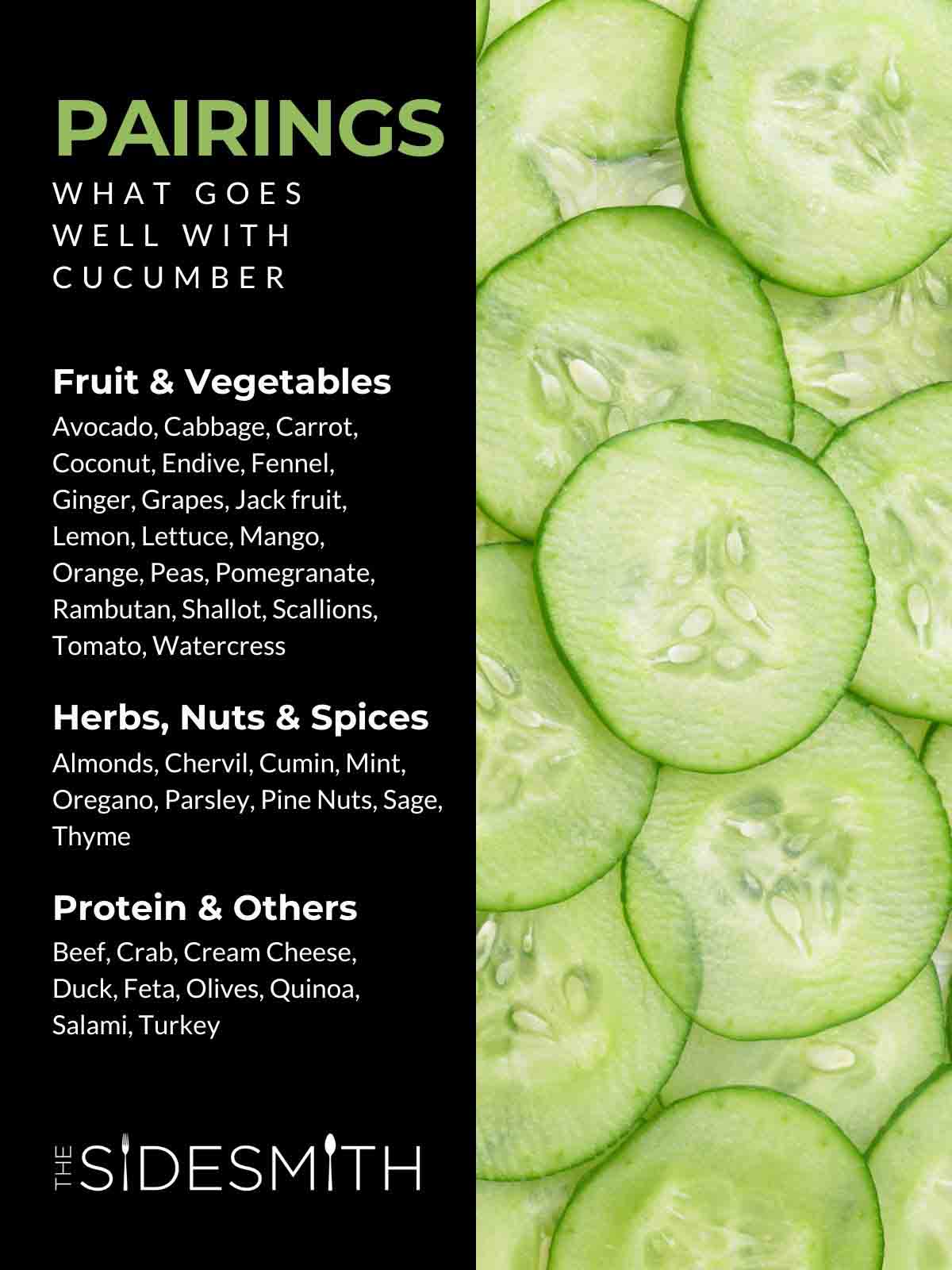
1. Strong-Flavored Foods
Cucumbers have a mild, refreshing taste that can easily be overpowered by strong-flavored foods. When paired with foods that have bold spices or intense flavors, the delicate crunch of cucumbers may get lost. This can lead to an unbalanced dish where the cucumber serves little purpose. Examples of strong-flavored foods to avoid include:
- Blue cheese
- Pickled jalapeños
- Smoked meats
2. Sweet Ingredients
Combining cucumbers with sweet ingredients can produce an awkward flavor profile. The refreshing nature of cucumbers should ideally be complemented by savory or tangy components. When matched with sweets, cucumbers can taste out of place and confuse the palate. Some sweet ingredients to refrain from using with cucumbers are:
- Honey
- Sugar-based dressings
- Fruits like bananas or mangoes
3. Heavy Dressings
Cucumbers are best served with light dressings due to their watery texture. Heavy dressings can mask the freshness of cucumbers and create a cloying experience. It's important to use dressings that enhance rather than overwhelm. Some dressings to avoid include:
- Ranch dressing
- Mayonnaise-based dressings
- Thick, creamy sauces
4. Overly Salty Ingredients
While a hint of salt can elevate the flavor of cucumbers, pairing them with overly salty ingredients can ruin the experience. Excessive salt can overshadow the natural taste of cucumbers and create an unpleasant contrast. Ingredients that are too salty to pair with cucumbers include:
- Bacon bits
- Salted nuts
- Processed cheeses
5. Starchy Foods
Cucumbers are a fresh and crisp vegetable, and pairing them with starchy foods can lead to a heavy meal that lacks balance. The texture and flavor contrast between cucumbers and starchy foods like bread or pasta may not work harmoniously. Foods to avoid include:
- White bread
- Rice
- Potatoes
Questions from Our Readers
Can you plant cucumbers next to garlic?
Planting cucumbers next to garlic is generally considered a bad idea. Garlic can produce compounds that may inhibit the growth of cucumbers, leading to reduced yield and health of the plants. It's often recommended to keep these two plants separated for better growth results.
What are the benefits of companion planting cucumbers?
Companion planting cucumbers with certain plants can provide several benefits, such as pest control and improved pollination. For example, planting cucumbers alongside plants like marigolds can deter pests, while herbs like basil can enhance the flavor of cucumbers.
What should I plant with cucumbers instead of garlic?
Instead of garlic, consider planting bush beans, corn, or radishes alongside cucumbers. These plants can work as companions, helping to improve growth and reduce the likelihood of pests and diseases affecting your cucumber plants.
How far away should garlic be from cucumbers?
To minimize the negative effects, it is advisable to plant garlic at least two to three feet away from cucumbers. This distance helps to ensure that the compounds released by garlic do not adversely affect the growth and development of cucumber plants.
See also:

If you want to read more articles like Can You Plant Cucumbers Next to Garlic? A Complete Guide to Companion Planting, we recommend you check out our Garden category.
Leave a Reply
Related Articles