What is the first thing you put in a garden? Essential Steps for Garden Preparation

Creating a thriving garden begins with careful preparation, and understanding the first step lays the foundation for your success. The journey to a lush landscape goes beyond simply planting seeds; it involves planning and nurturing the soil to ensure it provides the necessary nutrients for your plants. In this article, we will explore essential steps for garden preparation, highlighting the significance of soil testing, choosing the right location, and selecting appropriate materials. By focusing on these fundamental aspects, you can create a flourishing garden that yields bountiful harvests and enhances the beauty of your outdoor space.
What Is the First Thing You Put in a Garden?
When starting a garden, the first thing to consider is the site preparation, which involves assessing the garden location and preparing the soil. This foundational step is crucial as it sets the stage for healthy plant growth and can include clearing debris, removing sod, and testing the soil pH. Proper soil preparation allows for better drainage, improved nutrient levels, and encourages beneficial soil organisms that contribute to plant health. Additionally, deciding on the types of plants you'd like to grow will help dictate how you amend your soil and which ecosystems you'll support in your garden. Ultimately, the way you prepare your garden will significantly influence its success.
Site Assessment
Assessing the site is vital before planting anything in your garden. Look for aspects such as sunlight exposure, wind patterns, and proximity to water sources. Areas that receive at least six hours of sunlight per day are ideal for most vegetables and flowers. Additionally, evaluate the soil drainage and the potential for flooding, as these factors will affect how well your plants thrive. Understanding the local microclimate can also guide decisions on what plants to choose and how to best nurture them throughout the growing season.
Soil Preparation
Soil preparation is the process of enhancing the soil quality to create an optimal growing environment for plants. This may include tilling the soil, adding organic matter such as compost, and testing for nutrients. By incorporating fertilizers based on soil tests, gardeners can ensure that their plants have access to the necessary nutrients to grow strong. The goal of soil preparation is to develop a rich, well-aerated, and moisture-retaining substrate that fosters plant growth and resilience.
Choosing Plants
Choosing the right plants for your garden is a key consideration that influences what you will do first. Factors such as local climate, soil types, and available sunlight will dictate suitable plant choices. Native plants are often a good starting point because they are adapted to local conditions and typically require less maintenance. Researching planting times specific to your region is also crucial, as some plants thrive better when sown in spring versus fall.
Garden Design
Effective garden design entails planning the layout, which plays a significant role in how successful a garden will be. This could involve deciding on plant spacing, pathways, and the integration of features like raised beds or trellises. A well-planned design not only facilitates maintenance but also enhances the aesthetic appeal of the garden. Implementing concepts like companion planting can also promote healthier plant growth by fostering beneficial relationships between different species.
Water Management
Water management is an essential component of establishing a garden, as plants require appropriate moisture levels for optimal growth. Before planting, consider installation options for irrigation, such as drip systems or soaker hoses, which provide consistent moisture without waste. Additionally, creating rain gardens or utilizing mulch can help retain moisture and reduce erosion. Effective water management ensures that your garden remains lush and productive throughout dry spells, leading to a more vibrant gardening experience.
| Factor | Importance | Considerations |
|---|---|---|
| Site Assessment | Identifies optimal conditions | Sunlight, wind, water availability |
| Soil Preparation | Improves plant health | Soil testing, compost, fertilization |
| Choosing Plants | Ensures compatibility | Climate, native species |
| Garden Design | Facilitates maintenance | Layout, spacing, aesthetics |
| Water Management | Provides essential moisture | Irrigation systems, rain gardens |
What do you plant first in your garden?
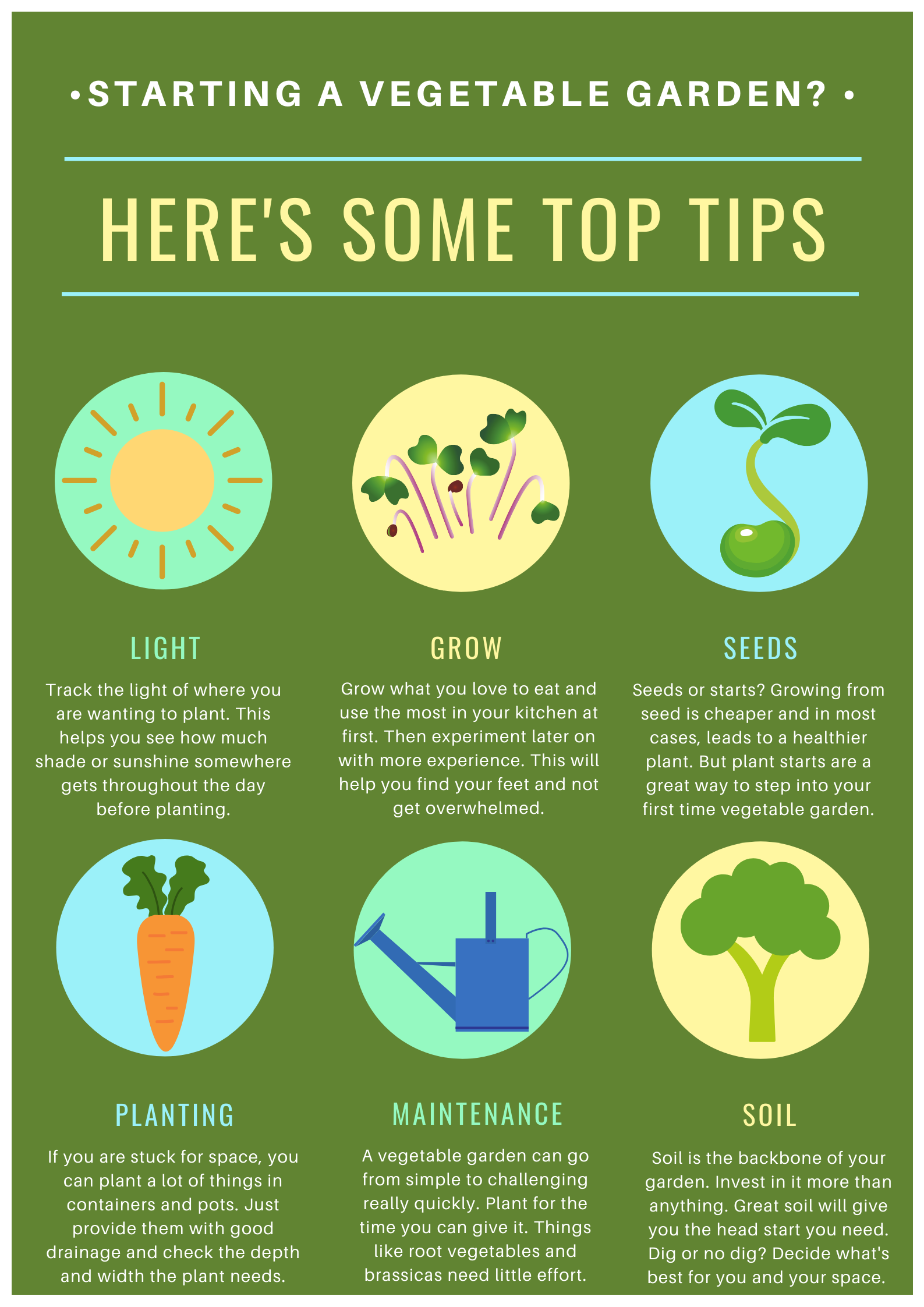
In a garden, the choice of what to plant first depends largely on the climate, the season, and personal preferences. However, many gardeners typically begin with cool-season crops, which thrive in the cooler temperatures of early spring. These may include peas, lettuce, and spinach. Starting with these plants allows gardeners to maximize the growing season and enjoy an early harvest before transitioning to warm-season crops.
Choosing the Right Location
Selecting the best location in your garden is crucial for plant success. Consider the following factors:
- Sunlight: Ensure the area receives adequate sunlight, ideally 6-8 hours daily.
- Soil Quality: Test the soil for nutrient content and pH levels, as healthy soil fosters better growth.
- Drainage: Good drainage prevents waterlogging, which can harm roots and diminish plant health.
Understanding Plant Types
Before planting, it's essential to know the types of plants you want to cultivate. This knowledge will guide your planting decisions:
- Annuals: These complete their life cycle in one growing season, such as tomatoes and peppers.
- Perennials: These plants return year after year, like strawberries and asparagus.
- Biennials: These take two years to mature, examples include parsley and carrots.
Companion Planting Techniques
Companion planting involves placing compatible plants together to enhance growth and deter pests. Here are some beneficial pairings:
- Tomatoes and Basil: This combo can boost each other's flavor and reduce pests.
- Carrots and Onions: These help deter each other's pests when planted nearby.
- Beans and Corn: Beans fix nitrogen in the soil, which benefits corn growth.
Seasonal Timing for Planting
Knowing when to plant is vital for success. Here’s a seasonal breakdown:
See also:
- Spring: Ideal for cool-season crops like peas, lettuce, and kale.
- Summer: Focus on warm-season plants such as tomatoes, cucumbers, and peppers.
- Fall: Consider planting garlic and some hardy greens like spinach to overwinter.
Maintaining Soil Health
Healthy soil is the foundation of a thriving garden. Implement these practices:
- Composting: Adding organic matter enriches the soil, improving its structure and nutrient content.
- Crop Rotation: Avoid planting the same crop in the same location yearly to reduce diseases.
- Mulching: Helps retain soil moisture and regulate temperature while suppressing weeds.
What to put in a beginner garden?
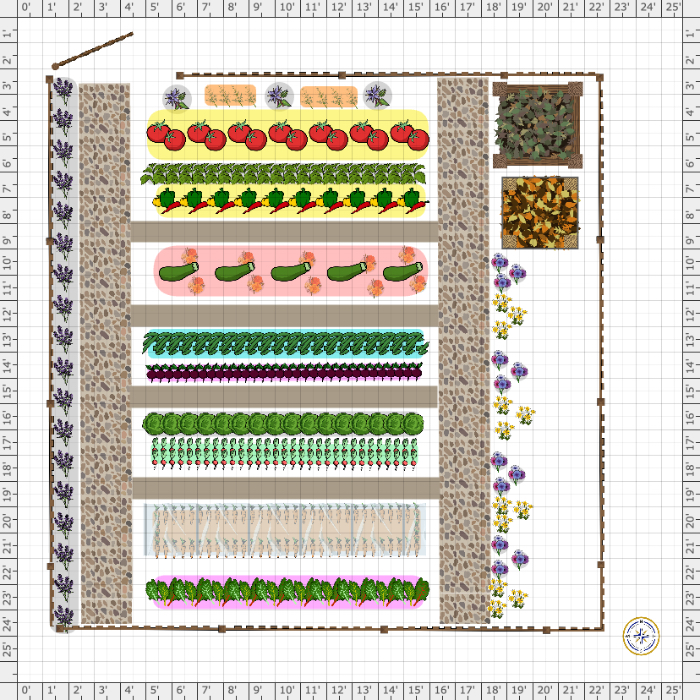
To create a successful beginner garden, it's essential to select the right plants and materials that suit your experience level and local growing conditions. Here’s a detailed approach to what to put in a beginner garden.
Choosing the Right Location
Selecting the right location for your garden is crucial for the success of your plants. A suitable spot should receive at least six hours of sunlight each day and have good drainage to prevent waterlogging.
- Sunlight: Ensure the area gets sufficient sunlight, as most vegetables and flowers thrive in bright light.
- Soil Quality: Check the soil quality, aiming for well-drained soil rich in organic matter.
- Accessibility: Choose a location that is easily accessible for regular watering, weeding, and harvesting.
Essential Tools for Gardeners
Having the right tools can make your gardening tasks easier and more efficient. A few essential tools include:
- Hand Trowel: Ideal for digging small holes and transplanting seedlings.
- Pruning Shears: Necessary for trimming and shaping plants for better growth.
- Watering Can or Hose: Essential for maintaining proper moisture levels in your garden.
Starting with Easy-to-Grow Plants
For beginners, starting with easy-to-grow plants ensures a higher chance of success and motivation. Consider:
- Herbs: Basil, parsley, and cilantro are flavorful and thrive in a small space.
- Vegetables: Radishes, lettuce, and green beans are quick to germinate and easy to harvest.
- Flowers: Marigolds and sunflowers add color and can attract beneficial insects.
Setting Up a Simple Garden Plan
A garden plan helps you optimize space and plant placement. Begin by visualizing your layout:
- Bed Layout: Decide between raised beds or in-ground planting based on your location and soil.
- Crop Rotation: Plan where to place different crops each year to maintain soil health.
- Companion Planting: Research beneficial pairings, like planting tomatoes with basil, to enhance growth.
Watering and Maintenance Basics
Proper watering and maintenance are fundamental for plant health. Here are some basics to keep in mind:
- Watering Schedule: Water deeply once or twice a week instead of frequent shallow watering.
- Weeding: Regularly remove weeds that compete for nutrients and water.
- Pest Management: Monitor for pests and diseases, using organic methods to control them when necessary.
What is the first step in starting a garden?
The first step in starting a garden is planning. This crucial stage involves determining what type of garden you want, the available space, and the resources at your disposal. Proper planning sets the foundation for a successful garden by allowing you to visualize how your garden will look and function, taking into account factors like climate, soil type, and available sunlight.
Assess Your Space
Assessing your space is vital to understanding what type of garden you can create. Different plants require varying amounts of space, sunlight, and care.
- Identify available spaces such as backyards, balconies, or community gardens.
- Evaluate sunlight exposure; most plants need at least 6 hours of direct sunlight.
- Check soil quality and drainage, which are essential for healthy plant growth.
Choose Your Garden Type
Choosing the right garden type can affect the success of your gardening endeavor. Options vary widely based on your interests and needs.
- Decide between a flower garden, vegetable garden, herb garden, or a combination of these.
- Consider container gardening if space is limited or if you want to grow indoors.
- Research native plants that thrive in your area for a sustainable garden.
Create a Layout
Creating a well-thought-out layout ensures that your garden is aesthetically pleasing and functional.
See also:
- Sketch a plan of your garden, noting where each type of plant will go.
- Think about plant height and spacing to avoid overcrowding.
- Incorporate pathways for easy access and maintenance.
Gather Necessary Supplies
Gathering the necessary supplies is a critical next step that includes both tools and materials.
- Compile gardening tools such as shovels, trowels, and rakes.
- Purchase quality seeds or seedlings relevant to your chosen plants.
- Gather other materials such as soil, compost, and mulch to improve garden health.
Set a Timeline
Setting a timeline helps you stay organized and keeps your garden project on track.
- Determine planting dates based on your climate and the specific growth cycles of your plants.
- Schedule regular maintenance tasks such as watering, weeding, and fertilizing.
- Include milestones for expected growth stages to monitor progress.
What is the rule of 3 in gardening?

The Rule of 3 in gardening refers to a design principle that enhances the visual appeal and harmony of a garden by grouping plants and materials in sets of three. This concept can be applied to various aspects of garden design, including plant selection, layout, and color schemes. By using odd numbers, particularly three, gardeners create a more natural and pleasing look, as it helps to establish a focal point and encourages the eye to move through the landscape organically.
Understanding the Aesthetic Appeal
The aesthetic appeal of the Rule of 3 lies in its ability to create balanced compositions. When plants are arranged in groups of three, it often leads to more dynamic interactions between different species and colors. This technique not only adds visual interest but also encourages biodiversity.
- Dynamic Grouping: Grouping plants stimulates the eye to engage more fully with the arrangement.
- Natural Look: Nature tends to group plants in odd numbers, which feels more intuitive.
- Variety and Contrast: A triadic color scheme can highlight contrasts between different plant types.
Practical Applications in Plant Selection
When selecting plants for your garden, applying the Rule of 3 can result in a more cohesive and effective design. This can be particularly useful in flower beds, borders, and even container arrangements, allowing for diverse textures and colors that complement each other.
- Choosing Varieties: Select three varieties that bloom at different times for continuous color.
- Height Variation: Use one tall, one medium, and one low plant to create visual layers.
- Foliage Differences: Combine plants with different foliage shapes and colors for increased interest.
Implementing the Rule in Landscape Design
In landscape design, the Rule of 3 helps to create focal points and guide viewers through the garden space. It encourages thoughtful planning regarding plant placement and overall layout, ensuring that the arrangement is visually engaging from various viewpoints.
- Focal Points: Create a focal point using three larger plants or one feature plant surrounded by two companions.
- Pathways: Use clusters of three plants along pathways to draw attention and guide movement.
- Layering: Incorporate three tiers of plants—tall, medium, and short—for depth and dimension.
Color Schemes and the Rule of 3
Color is essential in gardening, and the Rule of 3 can simplify choosing an effective color scheme. By using three complementary or contrasting colors, gardeners can achieve a harmonious and inviting landscape without overwhelming the observer.
- Triadic Color Scheme: Use one dominant color with two additional ones for balance and contrast.
- Seasonal Colors: Plan for colors that bloom in three distinct seasons for year-round appeal.
- Focal Color: Introduce a bright focal color within a group of three to draw attention.
Enhancing Biodiversity with the Rule of 3
Applying the Rule of 3 not only enhances visual appeal but also promotes biodiversity. This practice allows for a richer ecosystem within your garden, attracting various beneficial insects and wildlife while fostering healthier plants.
- Diverse Planting: Incorporate three diverse plant species to attract a variety of pollinators.
- Soil Health: Mixed plantings can enhance soil nutrients and promote healthier growth.
- Microhabitats: Groupings encourage different microhabitats that support diverse bacteria and fungi.
Questions from Our Readers
What is the best type of soil to start a garden?
The best type of soil for starting a garden is loamy soil, which retains moisture and nutrients while allowing for good drainage. It's important to ensure that the soil is rich in organic matter, and you can improve it by adding compost or well-rotted manure to enhance fertility and structure.
Should I start with seeds or seedlings?
Choosing between seeds and seedlings depends on your experience and the type of plants you want to grow. Starting from seeds can be more cost-effective and offers a wider variety, while seedlings provide a quick start and a greater chance of early success in your garden.
What are the essential tools needed for starting a garden?
Essential tools for starting a garden include a trowel, pruning shears, a hand rake, and a garden fork. These tools help with tasks such as digging, planting, and weeding, making them vital for establishing a successful garden.
How much sunlight does a garden need?
Most gardens require at least 6 to 8 hours of direct sunlight each day. Proper sunlight exposure is crucial for plant growth and development, allowing for photosynthesis and improving overall health and yield of garden plants.
See also:

If you want to read more articles like What is the first thing you put in a garden? Essential Steps for Garden Preparation, we recommend you check out our Garden category.
Leave a Reply
Related Articles