Why Can Greenhouses Be Bad? Exploring the Negative Impacts and Risks
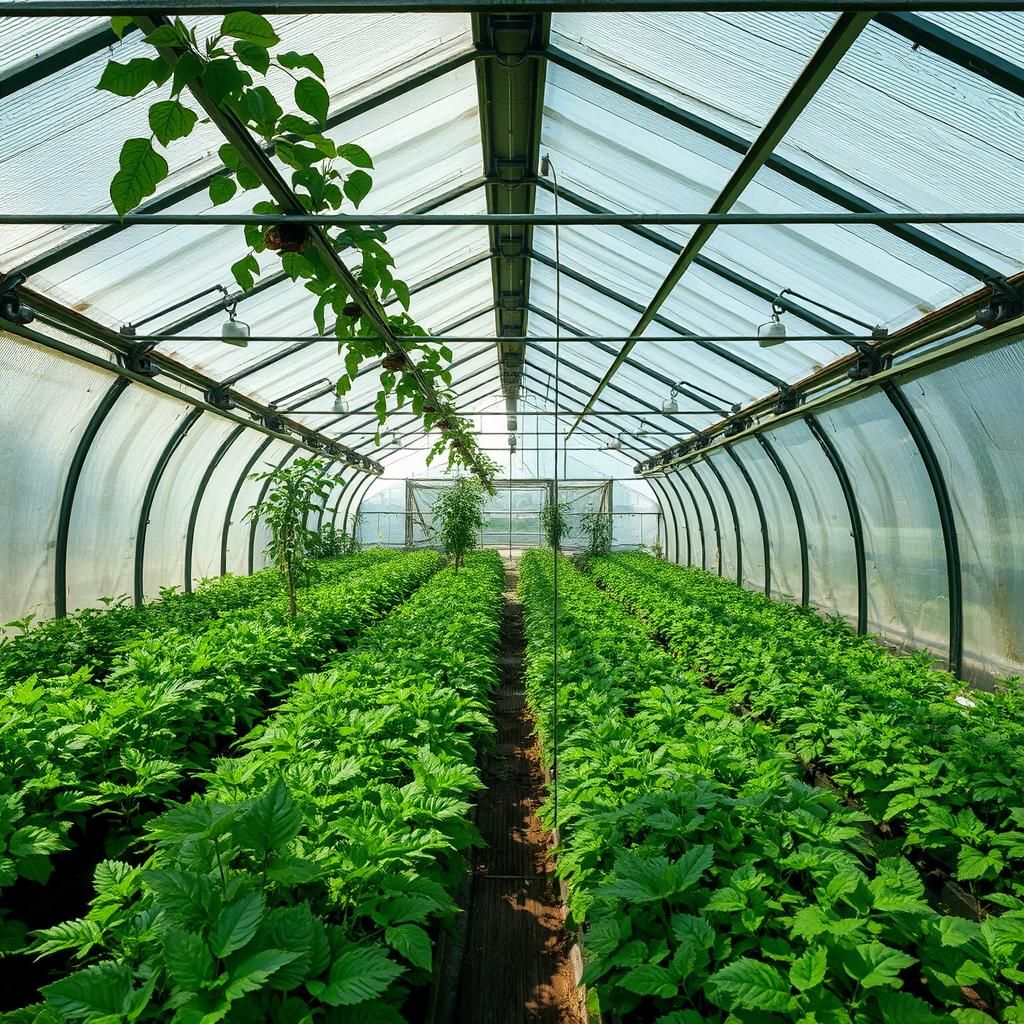
Greenhouses are often hailed as a solution for maximizing agricultural productivity and extending growing seasons, yet they can also pose significant environmental and social challenges. This article delves into the negative impacts and risks associated with greenhouse cultivation, examining issues such as resource depletion, carbon emissions, and the potential for pest and disease proliferation. Moreover, it will discuss the implications of monoculture practices and the economic consequences for small-scale farmers. By exploring these overlooked aspects, we aim to provide a balanced perspective on the role of greenhouses in modern agriculture and provoke thoughtful discussion about sustainable farming practices.
Why Can Greenhouses Be Bad?
While greenhouses are typically seen as beneficial for agriculture, they can pose several environmental and ecological risks. The constant high temperatures and controlled conditions inside a greenhouse may lead to the significant use of energy, emitting greenhouse gases when fossil fuels are burned for heating. This energy consumption can contribute to climate change. Moreover, greenhouses can facilitate the spread of pests and diseases, as the enclosed environment allows for rapid propagation. Additionally, over-reliance on these structures can reduce biodiversity, as traditional farming practices are often abandoned in favor of monoculture crops cultivated in greenhouses.
Energy Consumption
The operation of greenhouses often requires substantial energy input to maintain optimal growing conditions, especially during the colder months. Many greenhouse operations use electric heating or other fossil fuel-based systems, which can result in high carbon footprints. This reliance on non-renewable energy sources can contradict the very goals of sustainable agriculture, increasing the environmental impact and contributing to global warming.
Pest and Disease Management
Greenhouses create a conducive environment for pests and diseases because the controlled climate allows these threats to thrive. While some pest management practices are implemented, the close quarters can exacerbate infestations, making them hard to contain. Over time, reliance on chemical pesticides may increase, leading to pesticide resistance and harming the surrounding ecosystem.
Reduction of Biodiversity
Greenhouses tend to encourage monoculture, the cultivation of one or two species of plants to maximize efficiency. This practice reduces biodiversity, as diverse ecosystems support various organisms critical to ecological balance. The shift away from diverse farming methods can harm local wildlife, soil health, and overall agricultural resilience to pests and diseases.
Water Usage
While greenhouses can improve water efficiency through systems such as drip irrigation, they often still require significant water input, especially in regions where water is already scarce. The intensive water usage in certain greenhouse operations can deplete local water resources, affecting surrounding ecosystems. Moreover, if not managed properly, runoff from greenhouses can lead to water pollution due to the leaching of fertilizers and other chemicals.
High Construction and Maintenance Costs
Building and maintaining greenhouse facilities can be financially demanding. The initial costs for materials, heating systems, and technology can be high, which may deter small-scale farmers. This financial barrier can lead to inequities in access to greenhouse technology, favoring larger agribusinesses and potentially driving small farmers out of the market. The ongoing maintenance, including repairs and updates to technology, adds to the sustained costs associated with greenhouse farming.
| Aspect | Impact |
|---|---|
| Energy Consumption | Increased carbon footprint |
| Pest and Disease Management | Exacerbated infestations |
| Reduction of Biodiversity | Harmed ecosystems |
| Water Usage | Potential depletion of local resources |
| High Construction Costs | Financial barriers for small-scale farmers |
Why is the greenhouse effect so harmful?
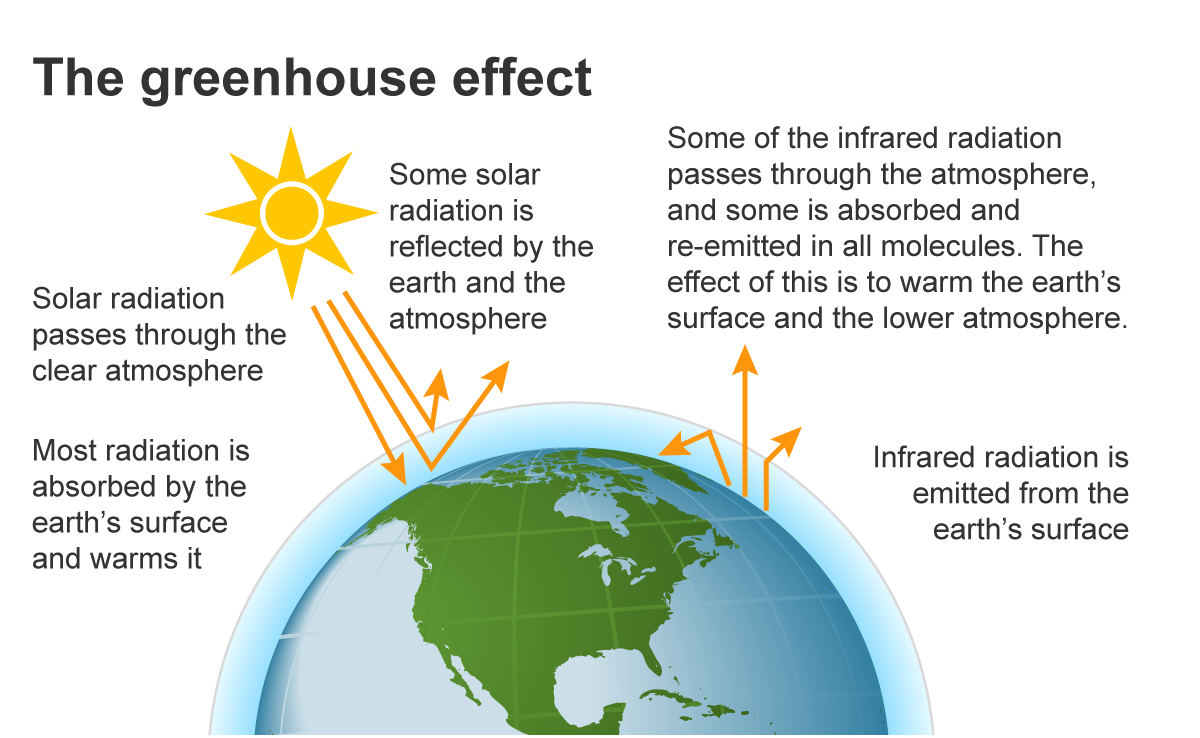
The greenhouse effect, while a natural process essential for life on Earth, becomes harmful when exacerbated by human activities leading to global warming. This phenomenon is caused by the accumulation of greenhouse gases (GHGs) in the atmosphere, which trap heat. The main reason this effect becomes detrimental is due to the resulting changes in climate patterns, which can have severe consequences for ecosystems, human health, and economies worldwide.
Impact on Weather Patterns
Changes caused by the greenhouse effect lead to extreme weather events. Increased temperatures can result in:
- More intense and frequent hurricanes and storms.
- Increased rainfall causing floods in certain regions.
- Severe droughts in others, impacting agriculture and water supply.
These fluctuations create instability, making it difficult for communities to prepare for and adapt to changing conditions.
Effects on Ecosystems
The greenhouse effect contributes to shifts in ecosystem dynamics, affecting biodiversity. Key impacts include:
- Habitat loss for many species due to changing temperatures.
- Altered migration patterns and breeding cycles among wildlife.
- Increased extinction rates for vulnerable species unable to adapt quickly.
This disruption not only threatens individual species but also entire ecosystems that provide essential services for the planet.
Threats to Agriculture
Rising global temperatures can render certain areas unsuitable for farming. The negative impacts include:
See also:
- Increased pest and disease pressure on crops.
- Changes in precipitation patterns that may lead to crop failures.
- Higher temperatures reducing yields of staple crops such as wheat and maize.
These factors could jeopardize food security, leading to higher prices and increased hunger.
Human Health Risks
The greenhouse effect is linked to various health risks for populations worldwide. Notable risks include:
- Increased heat-related illnesses and deaths.
- Worsening air quality due to the proliferation of pollutants.
- Greater incidence of diseases transmitted by vectors like mosquitoes.
These health issues strain healthcare systems and impact quality of life.
Economic Consequences
The economic ramifications of the greenhouse effect are profound, impacting multiple sectors. Key concerns are:
- Increased costs for disaster relief due to severe weather events.
- Loss of productivity in labor-intensive industries due to extreme heat.
- Diminished economic growth from agricultural losses and resource depletion.
These economic stresses can hinder development and exacerbate social inequalities.
What is the negative greenhouse effect?
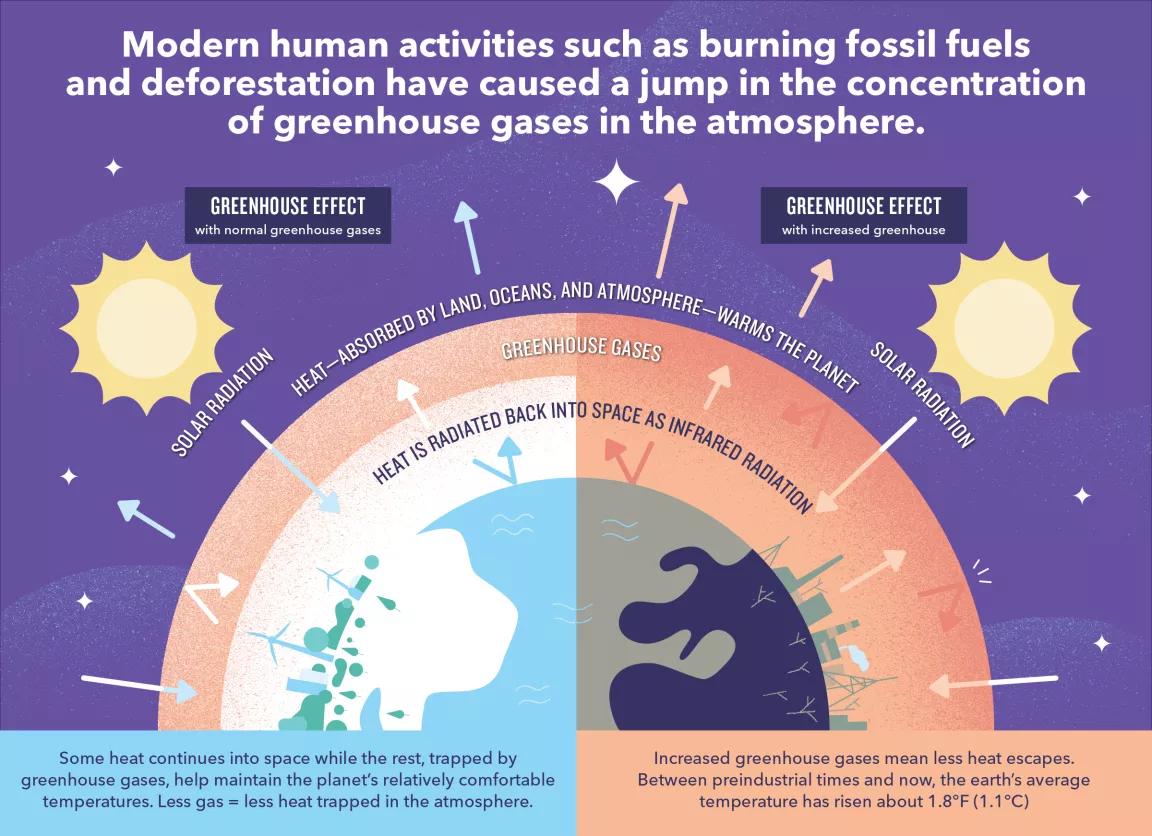
The negative greenhouse effect refers to the adverse impacts associated with the natural greenhouse effect and the anthropogenic contributions that amplify it. The greenhouse effect is a crucial process by which certain gases in the Earth's atmosphere trap heat, keeping the planet warm enough to support life. However, excess concentrations of greenhouse gases, primarily due to human activities, lead to harmful climate changes, affecting ecosystems and human societies.
Understanding the Greenhouse Effect
The greenhouse effect occurs when solar radiation hits the Earth's surface, converting into heat. This heat is then radiated back into the atmosphere. Several gases, including carbon dioxide, methane, and nitrous oxide, absorb this heat and re-radiate it, maintaining the planet's temperature. When levels of these gases rise excessively due to industrial processes, deforestation, and other human actions, the natural balance is disturbed.
- Natural Mechanism: The Earth's climate system relies on the greenhouse effect for maintaining a stable environment.
- Human Contribution: Activities like fossil fuel combustion and deforestation increase greenhouse gas concentrations.
- Temperature Regulation: The greenhouse effect is vital for life, but its imbalance results in overheating and climate instability.
Consequences of Excess Greenhouse Gases
As greenhouse gas levels rise, the negative consequences become more pronounced, leading to global warming and climate change. These effects manifest as altered weather patterns, increased frequency of extreme weather events, and rising sea levels. Ecosystems struggle to adapt, and biodiversity is threatened.
- Extreme Weather: More frequent and severe storms, droughts, and heatwaves disrupt communities.
- Rising Sea Levels: Melting polar ice caps contribute to coastal flooding.
- Impact on Biodiversity: Species loss and migration as habitats change beyond their adaptive capacities.
Carbon Footprint and Its Role
The concept of carbon footprint refers to the total amount of greenhouse gases that an individual, organization, or product emits. A higher carbon footprint exacerbates the negative greenhouse effect, highlighting the need for sustainable practices and lifestyle changes.
- Individual Actions: Choices like driving less or reducing energy consumption can lower carbon emissions.
- Corporate Responsibility: Companies must implement practices that minimize their environmental impact.
- Government Policies: Regulations can guide industries toward sustainability, reducing overall emissions.
Mitigation Strategies
Addressing the negative greenhouse effect requires proactive strategies aimed at mitigation. These involve reducing emissions, enhancing energy efficiency, and transitioning to renewable energy sources.
- Renewable Energy: Investment in solar, wind, and hydroelectric power can significantly lower emissions.
- Energy Efficiency: Enhancing the efficiency of appliances and industrial processes reduces unnecessary energy consumption.
- Afforestation: Planting trees and conserving forests can absorb existing CO2 from the atmosphere.
Global and Local Actions
Both global efforts and local initiatives are essential in combating the negative greenhouse effect. International agreements and local community actions can work in tandem to create a more sustainable future.
- Global Agreements: Treaties like the Paris Agreement aim to unite countries in reducing greenhouse gas emissions.
- Local Initiatives: Community-led projects can promote sustainable practices at a grassroots level.
- Public Awareness: Educating individuals about their impact encourages responsible behaviors and lifestyle choices.
Is greenhouse grown good or bad?
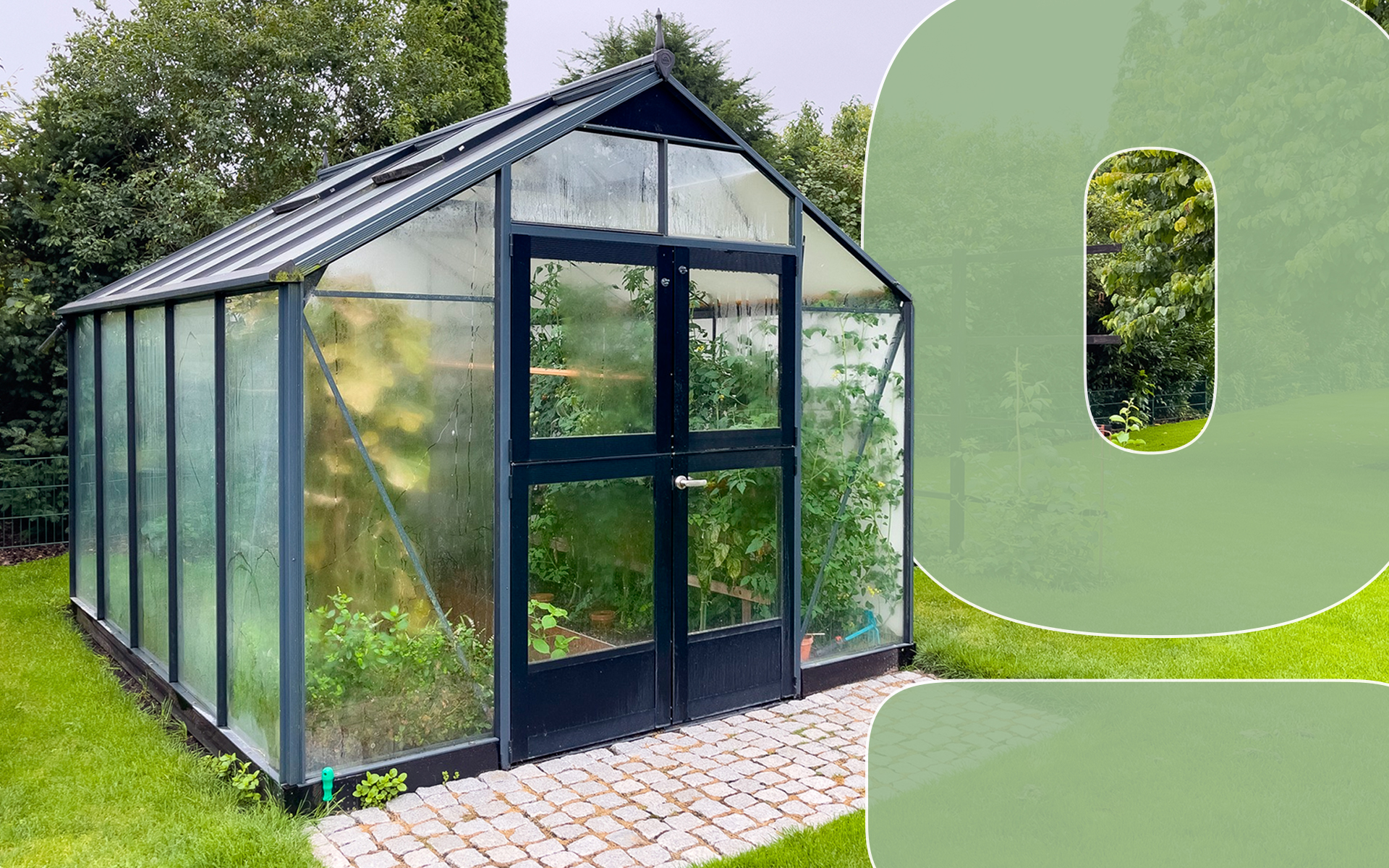
Greenhouse farming has become a significant method of agriculture in recent years, offering various advantages and challenges. To determine whether greenhouse-grown produce is good or bad, it's essential to analyze its benefits, drawbacks, and overall impact on agriculture and the environment.
See also:
Benefits of Greenhouse Farming
One of the main advantages of greenhouse farming is its ability to create a controlled environment for plants. This method allows for the optimization of light, temperature, and humidity, which can result in increased crop yields. Here's a detailed list of the benefits:
- Extended Growing Seasons: Greenhouses protect crops from adverse weather conditions, enabling year-round production.
- Pest and Disease Management: A controlled environment helps reduce the incidence of pests and diseases, minimizing the need for chemical pesticides.
- Resource Efficiency: Greenhouse systems often utilize drip irrigation and recirculated water, reducing water usage while maintaining soil moisture.
Drawbacks of Greenhouse Farming
Despite the many benefits, greenhouse farming also comes with its disadvantages. The initial setup costs and ongoing maintenance can be significant. Additionally, there may be environmental concerns linked to energy use. The drawbacks include:
- High Initial Investment: Building a greenhouse can require a substantial financial commitment.
- Energy Consumption: Many greenhouses rely on artificial heating and lighting, which may lead to higher carbon emissions.
- Dependency on Technology: The reliance on controlled systems may make crops vulnerable to technological failures.
Environmental Impact of Greenhouse Farming
The environmental impact of greenhouse farming is a topic of ongoing research and debate. While greenhouses can reduce the need for pesticides and fertilizers, they also pose some potential negative effects on the ecosystem. Key aspects to consider include:
- Land Use Efficiency: Greenhouses can produce more food with less land compared to traditional farming practices.
- Carbon Footprint: The energy required for heating and cooling can contribute to greenhouse gas emissions.
- Water Usage: Although often more efficient, greenhouse farming can still lead to high water consumption in areas where water is scarce.
Comparative Analysis: Greenhouse vs. Field Farming
When considering whether greenhouse farming is good or bad, it is crucial to compare it with traditional field farming. Each method has its pros and cons, affecting sustainability and productivity. A comparison includes:
- Crop Yield: Greenhouse farming generally yields more produce per square meter than field farming due to controlled conditions.
- Pesticide Usage: Greenhouses typically use fewer chemicals, which can be beneficial for soil and water quality.
- Market Demand: Consumers increasingly prefer greenhouse-grown products for their availability and quality.
Future Trends in Greenhouse Farming
The future of greenhouse farming appears promising, with technological advancements and sustainable practices likely to shape its evolution. Innovations may lead to more efficient farming practices. Future trends include:
- Automation: Use of robotics and AI can streamline planting, maintenance, and harvesting processes.
- Sustainable Practices: Implementation of renewable energy sources and biodegradable materials may reduce environmental impact.
- Vertical Farming: Integration of vertical farming techniques within greenhouses to maximize space and yield.
How does the greenhouse effect harm the ecosystem?
The greenhouse effect is a natural phenomenon where certain gases in the Earth's atmosphere trap heat, preventing it from escaping back into space. However, human activities, particularly the burning of fossil fuels and deforestation, have intensified this effect, leading to significant changes in the climate and causing harm to various ecosystems. The ramifications of the greenhouse effect on ecosystems can be profound, affecting biodiversity, water resources, and overall ecological balance.
Impact on Biodiversity
The greenhouse effect leads to climate change, which in turn has several consequences for biodiversity. Many species struggle to adapt to the rapid changes in their environments, leading to habitat loss and increased extinction rates. Specific impacts include:
- Habitat Alteration: Many ecosystems face significant changes in their biome due to shifting climate zones.
- Species Migration: Species might relocate to areas that provide suitable climates, disrupting existing ecosystems.
- Extinction Risks: Species that cannot adapt or migrate face a heightened risk of extinction due to changing conditions.
Water Resource Depletion
The greenhouse effect exacerbates changes in weather patterns, which can lead to droughts in some regions and flooding in others. This affects water resources drastically, impacting both wildlife and human populations. Key consequences include:
- Reduced Freshwater Availability: Changes in precipitation patterns can lead to lower water levels in rivers and lakes.
- Decreased Water Quality: Altered water temperatures can increase pollution and affect aquatic life.
- Aquatic Ecosystem Disruption: Altered water cycles can threaten fish populations and other aquatic organisms.
Changes in Agricultural Productivity
The greenhouse effect also influences agricultural practices and productivity due to shifts in climate. This can lead to food security issues that ripple through ecosystems. Key impacts include:
- Crop Failures: Extreme weather, such as droughts and floods, can result in crop failures.
- Pest Proliferation: Warmer temperatures can lead to an increase in agricultural pests, negatively impacting yields.
- Soil Degradation: Changes in rainfall can cause erosion and degradation of soil quality, affecting plant growth.
Ocean Acidification
The increased levels of carbon dioxide in the atmosphere result in higher CO2 absorption by the oceans, causing ocean acidification. This phenomenon seriously affects marine ecosystems. Major effects include:
- Coral Reef Decline: Coral reefs, which are vital biodiversity hotspots, experience bleaching and mortality due to acidification.
- Impact on Shellfish: Many marine organisms, such as oysters and clams, struggle to build their shells in more acidic waters.
- Food Chain Disruption: Disruption of plankton species, the base of the marine food web, can have cascading effects on marine life.
Increased Extreme Weather Events
The intensification of the greenhouse effect is linked to more frequent and severe extreme weather events. This can lead to ecosystem stress and transformation. Important aspects include:
- Flooding and Erosion: Heavy rainfall can lead to flooding, which disrupts ecosystems and contributes to soil loss.
- Wildfires: Increased temperatures and drier conditions can result in more frequent wildfires, devastating forested areas and habitats.
- Severe Storms: Hurricanes and severe storms can destroy habitats and alter landscapes, impacting both wildlife and human communities.
Questions from Our Readers
Why can greenhouses contribute to environmental issues?
Greenhouses can contribute to environmental issues by increasing greenhouse gas emissions, primarily due to the energy required for heating and cooling systems. This energy often comes from fossil fuels, leading to higher carbon footprints. Additionally, the materials used in greenhouse construction can contribute to waste and pollution.
Do greenhouses affect local ecosystems?
Greenhouses can negatively impact local ecosystems by altering natural habitats. The introduction of non-native plant species can outcompete local flora, while the increased use of pesticides and fertilizers may harm beneficial insects and soil quality. This can lead to a decrease in biodiversity.
See also:
Can greenhouses lead to water management problems?
Water management issues can arise from greenhouses due to excessive water consumption for irrigation. This practice can deplete local water resources and contribute to soil degradation. Furthermore, run-off from greenhouses can carry fertilizers and pesticides into nearby water sources, polluting them.
Social implications of greenhouse agriculture include potential labor issues, such as poor working conditions for employees in commercial greenhouses. Moreover, the emphasis on high-yield crops can marginalize small-scale farmers who may struggle to compete, resulting in economic disparities within communities.

If you want to read more articles like Why Can Greenhouses Be Bad? Exploring the Negative Impacts and Risks, we recommend you check out our Garden category.
Leave a Reply
Related Articles