What is the Negative Effect of a Greenhouse? Exploring the Environmental Impact and Consequences

The greenhouse effect is often viewed through a lens of warmth and sustainability; however, its negative implications on the environment warrant significant attention. While the natural greenhouse effect is essential for maintaining Earth’s temperature, human activities have amplified this phenomenon, leading to concerning consequences. This article delves into the detrimental impacts of enhanced greenhouse gas emissions, examining how they contribute to climate change, extreme weather patterns, and loss of biodiversity. By exploring these adverse effects, we aim to shed light on the urgent need for sustainable practices and policies to mitigate the environmental repercussions associated with this global challenge.
Negative Effects of Greenhouses
The negative effects of greenhouses primarily stem from their dependence on sustained heating and controlled environments, which can lead to an increase in energy consumption. The necessity for heating in cooler climates often requires significant fossil fuel use, contributing to greenhouse gas emissions that counteract the environmental benefits greenhouses are meant to provide. Additionally, the materials used in greenhouse construction, if not managed sustainably, contribute to waste and pollution. Furthermore, improper management can lead to issues like pesticide runoff, which affects local ecosystems, and the risk of monoculture practices, which can deplete soil health and reduce biodiversity.
Energy Consumption and Emissions
The operation of greenhouses in colder regions typically necessitates extensive heating, resulting in high energy consumption. As the need for heat increases, many facilities rely on fossil fuels, which contribute significantly to carbon emissions. This reliance undermines the sustainability goals of greenhouse agriculture, as the increased greenhouse gases can exacerbate climate change rather than mitigate it.
Material Waste and Pollution
Greenhouses are often constructed using various plastics and other materials that pose risks of waste and pollution. The degradation of these materials can lead to microplastic pollution in the surrounding environment. Additionally, if greenhouses are not managed carefully at the end of their lifecycle, they can contribute substantially to outdoor waste, impacting both land and marine ecosystems.
Pesticide Runoff
The use of chemical pesticides in greenhouses, while often necessary to control pests, can lead to significant pesticide runoff. This runoff can contaminate local waterways, harming aquatic life and affecting the quality of drinking water for nearby communities. The impact of this chemical leaching can create ecological imbalances, making the environment less hospitable to native species and resulting in long-term environmental damage.
Monoculture Practices
Many greenhouse operations focus on monoculture—the cultivation of a single crop within the facility. This practice can severely deplete soil nutrients, leading to a decline in soil health over time. It also increases the vulnerability of crops to pests and diseases, requiring further reliance on pesticides, which can perpetuate the cycle of environmental harm.
Impact on Local Ecosystems
Greenhouses can disrupt the local ecosystem by altering natural habitats. The introduction of non-native species and the application of chemicals can adversely affect biodiversity in the area. Furthermore, the spatial requirements of greenhouses can lead to habitat destruction, compromising ecosystems that rely on a variety of plant species and animal interactions to thrive.
See also:
| Negative Effect | Description |
|---|---|
| Energy Consumption | High demand for heating often leads to increased fossil fuel use. |
| Waste | Construction materials can lead to pollution and environmental degradation. |
| Pesticide Runoff | Chemicals can contaminate local water supplies, impacting ecosystems. |
| Monoculture | Reduces soil health and biodiversity, increasing disease risk. |
| Impact on Ecosystems | Disrupts habitats and biodiversity, causing ecological imbalances. |
What harm is the greenhouse effect causing to the environment?
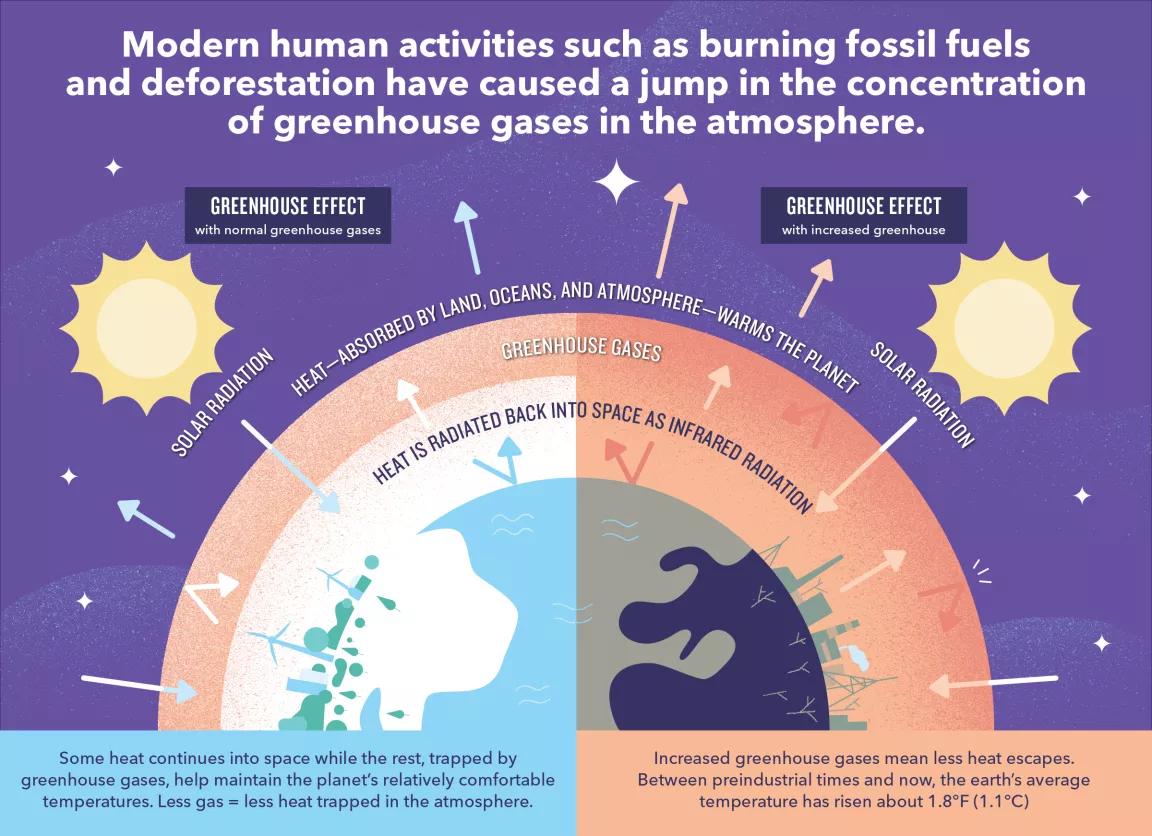
The greenhouse effect, while a natural process that warms the Earth's surface, has been significantly intensified by human activities, leading to detrimental consequences for the environment. Here are the main harms caused by the enhanced greenhouse effect:
Increasing Global Temperatures
The enhanced greenhouse effect leads to a rise in global temperatures, which can create a range of environmental issues. Specifically, warmer temperatures can result in:
- Melting Ice Caps: Polar ice caps and glaciers are rapidly melting, contributing to rising sea levels.
- Heatwaves: Increased frequency and intensity of heatwaves can affect human health and agriculture.
- Altered Ecosystems: Species may struggle to adapt to changing temperatures, leading to shifts in biodiversity.
Severe Weather Events
The greenhouse effect is linked to an increase in the frequency and severity of extreme weather events. These can include:
- Hurricanes and Storms: Warmer ocean temperatures provide more energy for hurricanes, leading to more intense storms.
- Droughts: Some regions experience longer and more severe droughts, affecting water availability.
- Flooding: Heavy rainfall events become more common, resulting in increased flooding risks.
Ocean Acidification
The greenhouse effect also plays a significant role in ocean acidification, as higher levels of carbon dioxide (CO2) in the atmosphere lead to more CO2 being absorbed by oceans. This process is harmful because:
- Coral Reefs Damage: Acidic waters can weaken coral reefs, leading to their decline and affecting marine biodiversity.
- Shellfish Threat: Species like oysters and clams may struggle to form their shells, impacting fisheries.
- Disruption of Marine Life: The overall health of marine ecosystems is threatened, affecting food chains.
Loss of Biodiversity
The implications of the enhanced greenhouse effect include significant threats to biodiversity, as many species are becoming endangered or extinct. Key factors influencing biodiversity loss include:
- Habitat Loss: Altered climates and rising sea levels can destroy natural habitats.
- Species Migration: Many species must migrate to survive, leading to crowded ecosystems and possible extinction.
- Invasive Species: Warmer temperatures facilitate the spread of invasive species, further threatening local flora and fauna.
Impact on Agriculture
Climate change resulting from the greenhouse effect has serious consequences for agriculture. It affects food production, distribution, and security, as seen in:
See also:
- Crop Yields: Changes in temperature and precipitation can reduce crop yields, leading to food scarcity.
- Pests and Diseases: Warmer climates can increase the prevalence of agricultural pests and diseases.
- Land Use Changes: Farmers may need to adapt by altering land use, which can lead to deforestation or habitat destruction.
What are three impacts of the greenhouse effect?
The greenhouse effect is a natural process that warms the Earth’s surface, but human activities have intensified it, leading to significant environmental impacts. Here are three major impacts of the greenhouse effect:
1. Climate Change:
The enhanced greenhouse effect contributes to global climate change, causing shifts in weather patterns. This can lead to:
- Increased Temperatures: Average global temperatures are rising, affecting ecosystems and species.
- Extreme Weather: More frequent and severe weather events, such as hurricanes, droughts, and heatwaves.
- Ocean Currents Disruption: Changes in temperature can alter ocean currents, affecting global climate systems.
2. Rising Sea Levels:
As global temperatures rise, polar ice caps and glaciers are melting, contributing to rising sea levels. This results in:
- Coastal Erosion: Increased water levels erode coastlines, threatening habitats and human settlements.
- Flooding of Low-lying Areas: Cities and agricultural lands in low-lying regions face regular flooding.
- Displacement of Populations: People living in vulnerable areas may be forced to relocate, creating environmental refugees.
3. Impact on Biodiversity:
The greenhouse effect severely impacts biodiversity, leading to:
- Habitat Loss: Species may lose their habitats due to climate change and rising sea levels.
- Shifts in Species Distribution: Many species are migrating to higher altitudes or latitudes in search of suitable climates.
- Increased Extinction Rates: Vulnerable species face a higher risk of extinction as their environments change rapidly.
Questions from Our Readers
What are the primary negative effects of greenhouse gases?
The primary negative effects of greenhouse gases include global warming, which leads to climate change and extreme weather patterns. These changes can disrupt ecosystems, affect agriculture, and cause a rise in sea levels, resulting in significant impacts on both the environment and human populations.
How do greenhouses contribute to air pollution?
Greenhouses can contribute to air pollution through the emission of volatile organic compounds (VOCs) and other harmful gases that can degrade air quality, leading to health problems for people and wildlife. These pollutants often arise from agricultural practices and the use of chemical fertilizers within greenhouses.
See also:
What impact do greenhouses have on biodiversity?
The establishment of large-scale greenhouses often leads to habitat destruction, which can threaten local biodiversity. As natural habitats are replaced with agricultural land, many species may face extinction due to the loss of their natural environment and resources.
Can greenhouses affect water resources negatively?
Yes, greenhouses can negatively affect water resources by requiring substantial amounts of water for irrigation, which can lead to water scarcity in some regions. Additionally, the runoff from greenhouse operations can introduce harmful chemicals into local waterways, impacting ecosystems and drinking water quality.

If you want to read more articles like What is the Negative Effect of a Greenhouse? Exploring the Environmental Impact and Consequences, we recommend you check out our Garden category.
Leave a Reply
Related Articles