What Grows Best in an Unheated Greenhouse? Top Tips for Successful Gardening
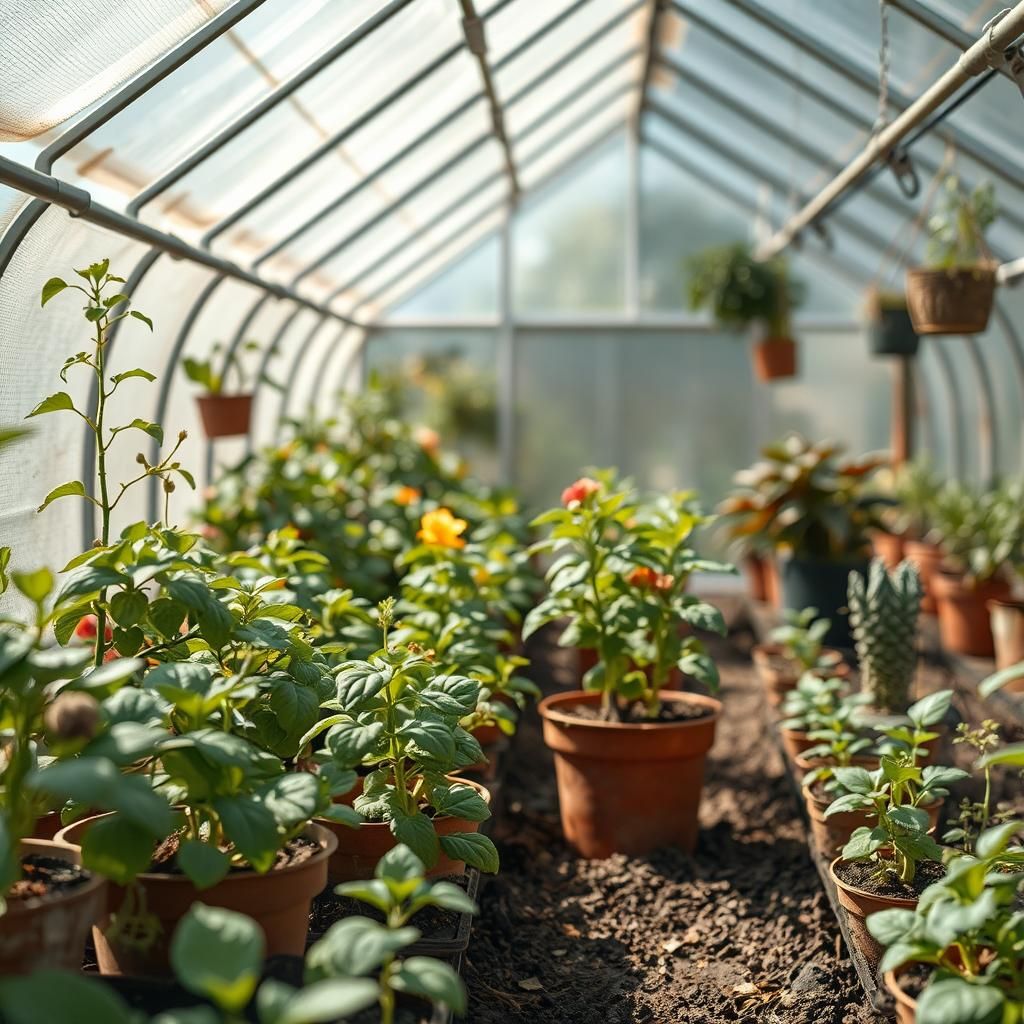
An unheated greenhouse offers gardeners a unique opportunity to extend their growing season and cultivate a variety of plants that thrive in cooler temperatures. With the right approach, you can maximize your harvest and enjoy fresh produce even during the colder months. This article explores the best crops to grow in an unheated greenhouse, providing top tips for successful gardening. Whether you're a seasoned gardener or just starting, understanding the specific needs of plants suited for this environment will help you create a flourishing garden year-round. Discover how to make the most of your unheated greenhouse for optimal results.
Optimal Plants for an Unheated Greenhouse
Growing in an unheated greenhouse can be a rewarding experience, particularly suitable for cold-hardy plants that thrive in cooler conditions. Vegetables such as lettuce, spinach, and kale flourish in these environments, as they can withstand lower temperatures while benefiting from the protection against harsh weather. Additionally, many herbs like parsley and cilantro can thrive in unheated greenhouses, as they require a cooler climate and can be harvested multiple times. The key to success is selecting plants that are naturally resilient to frost and can adapt to the limited warmth that an unheated greenhouse provides, ensuring a productive and bountiful gardening experience throughout the colder months.
Crops that thrive in cool conditions
Many vegetables such as broccoli, peas, and cabbage are exceptionally well-suited for an unheated greenhouse. These crops prefer cooler temperatures and can often be started early in spring, allowing gardeners to extend their growing season. Additionally, these plants are resilient against frost, which makes them ideal candidates for unheated structures. By leveraging the protection an unheated greenhouse provides, gardeners can enjoy fresh produce even during colder months without worrying about extreme temperature fluctuations.
Herbs for an unheated greenhouse
Certain herbs can greatly benefit from growing in an unheated greenhouse, particularly those that prefer cooler conditions. Parsley, chives, and oregano are excellent choices that not only tolerate chilly environments but also thrive in them. Keeping herbs in an unheated greenhouse allows them to maintain their flavor and potency while enabling gardeners to have a steady supply throughout the year. Furthermore, since many herbs grow close to the ground, they are less susceptible to colder temperatures, making them a reliable option for those chilly greenhouse settings.
Fruit varieties suitable for an unheated greenhouse
Though fruiting plants may require more warmth, certain varieties can thrive in an unheated greenhouse. Strawberries and rhubarb are examples of fruits that tolerate cooler temperatures and can be grown successfully. Strawberries can be planted early, allowing for an early harvest, while rhubarb typically enjoys cooler weather. By cultivating these fruits in an unheated greenhouse, gardeners can enjoy the benefit of protecting these crops from harsh weather conditions while still allowing them to flourish and produce a delicious yield.
See also:
Slow-growing vegetables for cooler climates
Slow-growing vegetables like cabbage and leeks can be ideal for an unheated greenhouse, as they mature over a period of time and benefit from the slight warmth during the day and cool temperatures at night. These crops require patience, but the end reward—vibrant and nutritious vegetables—makes them worth the wait. An unheated greenhouse provides a stable environment that can protect these plants from frost, allowing them to develop fully into robust specimens ready for harvest.
Managing temperature and humidity
Temperature and humidity management is crucial when cultivating plants in an unheated greenhouse. Unlike heated greenhouses, an unheated option relies heavily on natural elements, so gardeners must pay close attention to weather changes. Utilizing thermal mass materials, such as water barrels or soil, can help moderate temperature swings and retain heat. Additionally, it’s important to monitor humidity levels to prevent disease; maximizing ventilation will help maintain a healthy environment for the plants thriving within.
| Plant Type | Optimal Temperature | Harvest Time |
|---|---|---|
| Vegetables | 40-75°F | Varies (Usually 60-90 days) |
| Herbs | 50-70°F | Varies (Usually 30-90 days) |
| Fruits | 45-70°F | Varies (Usually 60-120 days) |
Understanding Temperature and Plant Needs in an Unheated Greenhouse
In an unheated greenhouse, the key to successful gardening lies in understanding how temperature fluctuations affect plant growth. While the structure provides some protection from the elements, the absence of heating means that plants are still susceptible to temperature dips, especially during the night. To thrive, select cold-hardy crops such as leafy greens and certain root vegetables that can endure cooler temperatures. Understanding the specific temperature ranges for these plants will help you maximize growth and yield throughout the growing seasons, allowing for a bountiful harvest even in less-than-ideal conditions.
Choosing the Right Crops for Cooler Temperatures
When gardening in an unheated greenhouse, it's essential to choose the right crops that can tolerate cooler conditions. Spinach, kale, and arugula are excellent choices as they not only thrive in low temperatures but also taste better after exposure to frost. Root vegetables like carrots and beets can be planted later in the season and harvested even after the first frost, giving gardeners an extended harvest time. The selection of cold-tolerant varieties increases the likelihood of a successful and productive greenhouse garden.
Optimizing Light Conditions for Plant Growth
Light intake is a crucial factor in an unheated greenhouse, particularly during the shorter days of fall and winter. To optimize light conditions, consider the orientation of the greenhouse and ensure that the structure receives maximum sunlight throughout the day. Using transparent or translucent coverings can enhance light penetration, promoting better growth. Additionally, rotating plants to prevent shading and utilizing reflective surfaces can help to make the most of available natural light, supporting healthier plant development and improved yields.
See also:
Utilizing Heat Retention Techniques
To combat the cold in an unheated greenhouse, implementing heat retention techniques can be beneficial. Row covers and cold frames are effective ways to trap heat at night, while thermal mass elements such as water-filled barrels can absorb warmth during the day and release it slowly at night. Incorporating mulching within plant beds not only helps with moisture retention but also adds an extra layer of insulation against the cold. These strategies help to stabilize temperatures, creating a more conducive environment for plant growth.
Watering Practices for an Unheated Environment
In an unheated greenhouse, it's important to adjust your watering practices according to the prevailing temperatures. While plants may require less water during cooler months, it is still essential to maintain consistent moisture to avoid stress. Over-watering can lead to root rot, while under-watering can hinder growth altogether. Implementing a drip irrigation system or checking soil moisture levels regularly can ensure that plants receive just the right amount of water, aiding in their overall health and productivity.
Managing Pests and Diseases in Cooler Conditions
An unheated greenhouse can still face challenges with pests and diseases, even in cooler conditions. Regular monitoring is essential to catch any potential problems early. Beneficial insects, such as ladybugs, can be introduced to help control aphid populations. Additionally, maintaining good hygiene in the greenhouse by removing dead plant material and debris can help minimize disease risks. Utilizing natural remedies and organic pesticides can also support a healthy garden environment, ensuring that plants remain vigorous and productive.
Questions from Our Readers
What vegetables grow best in an unheated greenhouse?
In an unheated greenhouse, leafy greens like lettuce, spinach, and kale thrive due to their ability to tolerate cooler temperatures. Other vegetables such as radishes, carrots, and peas are also suitable choices since they can withstand the lower heat while still benefiting from the greenhouse environment.
Can herbs be grown in an unheated greenhouse?
Yes, many herbs grow well in an unheated greenhouse. Varieties like parsley, cilantro, and chives are particularly hardy and can handle cooler conditions, making them ideal candidates for this setting.
See also:
How do flowering plants perform in an unheated greenhouse?
Flowering plants such as pansies, primroses, and various types of bulbs (like tulips) can flourish in an unheated greenhouse, as they often tolerate cold temperatures better than other plants. However, gardeners should monitor temperature fluctuations closely to prevent any cold damage.
What are some best practices for growing in an unheated greenhouse?
To maximize success in an unheated greenhouse, it's essential to insulate the structure when possible and use thermal mass, such as water barrels, to help regulate temperature fluctuations. Additionally, ensuring proper ventilation and selecting cold-hardy plant varieties can optimize growth and yield.

If you want to read more articles like What Grows Best in an Unheated Greenhouse? Top Tips for Successful Gardening, we recommend you check out our Garden category.
Leave a Reply
Related Articles