Which Vegetables to Plant Next to Each Other? A Guide for Companion Gardening Success
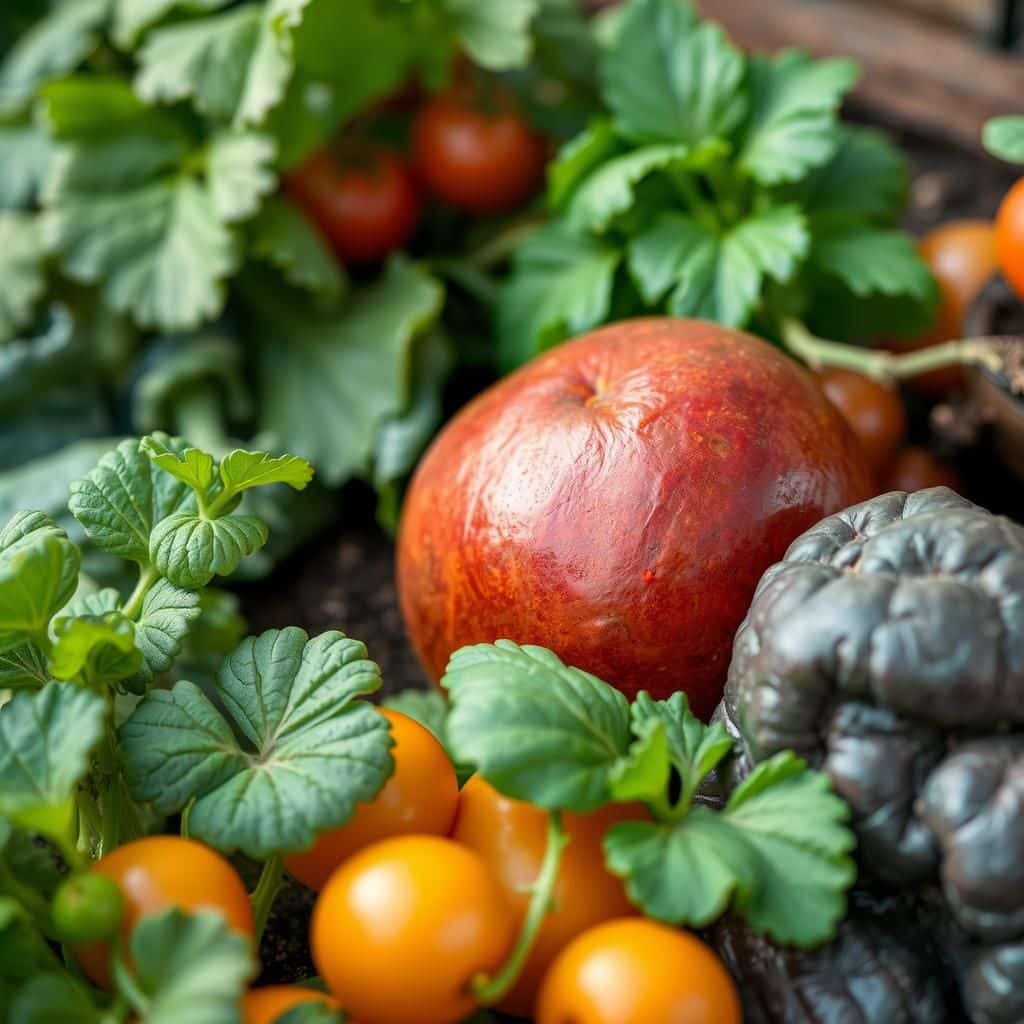
Companion gardening is an age-old practice that enhances plant growth by strategically placing certain vegetables next to one another. Understanding which vegetables benefit from companionship is crucial for maximizing your garden's potential. Certain pairings can deter pests, improve nutrient absorption, and promote overall vigor. In this guide, we will explore the best vegetable combinations to plant alongside each other, ensuring a thriving garden ecosystem. Whether you are a seasoned gardener or a beginner, these tips will help you make informed planting decisions, fostering healthier plants and bountiful harvests. Discover the science behind companion planting and elevate your gardening success today.
Companion Planting: Which Vegetables to Plant Next to Each Other?
Companion planting involves strategically selecting vegetables that enhance each other's growth when planted in proximity. This practice not only optimizes space in your garden but also promotes biodiversity, reduces pest problems, and can even improve the flavor of some plants. For example, planting tomatoes next to basil can result in both plants thriving, as basil helps to repel pests that target tomatoes while enhancing their growth. Similarly, the combination of carrots and onions can also be beneficial, as the strong scent of onions deters the carrot fly, allowing carrots to grow undisturbed.
Benefits of Companion Planting
Companion planting offers several benefits, including improved nutrient absorption, natural pest control, and increased pollination. By planting certain vegetables together, gardeners can leverage the natural relationships between plants to maximize their garden's potential. For instance, legumes can fix nitrogen in the soil, which benefits climbing plants like cucumbers when grown in the same vicinity. Furthermore, certain combinations can lead to greater yields and healthier plants overall.
Common Companion Planting Combinations
There are many traditional and effective companion planting combinations that gardeners can utilize. A popular pairing is corn, beans, and squash, often referred to as the Three Sisters. The tall corn provides support for climbing beans, while the squash's sprawling leaves help suppress weeds. Likewise, pairing peppers with basil not only helps deter pests but also enhances the flavor of the peppers, creating a mutually beneficial relationship in the garden.
Vegetables That Should Not Be Planted Together
While many vegetables thrive alongside each other, some can hinder each other’s growth if planted too close. For example, potatoes and tomatoes should generally be avoided together due to their shared susceptibility to blight and pests. Similarly, carrots and celery can compete for the same nutrients, potentially stunting each other's development. It's crucial for gardeners to research and consider these negative interactions to maintain a healthy garden ecosystem.
Environmental Benefits of Companion Planting
Companion planting not only enhances the productivity of a garden but also contributes to environmental sustainability. By fostering natural pest control through plant diversity, gardeners can reduce their reliance on chemical pesticides. This approach helps preserve local pollinator populations while promoting healthier soil and reducing erosion. Moreover, increased biodiversity from companion planting can encourage beneficial insects and wildlife, enhancing the overall health of the garden.
How to Plan Your Companion Planting Layout
When planning a companion planting layout, it's essential to consider each plant's growth habits, requirements, and potential interactions. A good starting point is to create a visual map of your garden space, arranging plants according to their compatibility and growth height. For instance, placing taller plants on the north side of the garden prevents shade on shorter ones to the south. Additionally, grouping plants by their watering needs can help ensure that each vegetable gets the right amount of moisture without conflict.
| Vegetable Pairing | Benefits |
|---|---|
| Tomatoes & Basil | Enhanced growth and pest resistance |
| Corn & Beans & Squash | Mutual support and nutrient contribution |
| Carrots & Onions | Pest deterrence for carrots |
| Peppers & Basil | Flavor enhancement and pest control |
| Potatoes & Tomatoes | Negative interaction, avoid planting together |
What vegetables to plant next to each other?

Companion planting is a crucial aspect of gardening that enhances plant growth, repels pests, and optimizes space. By carefully choosing which vegetables to plant next to each other, gardeners can create a more productive and harmonious garden ecosystem. Here are some effective pairings and combinations to consider:
Benefits of Companion Planting
Companion planting offers numerous benefits that contribute to a thriving garden. By understanding the layers of plant relationships, gardeners can cultivate a more resilient environment:
- Pest Control: Certain plants naturally repel harmful insects, reducing the need for chemical pesticides.
- Nutrient Sharing: Some plants enhance soil fertility and may even provide nutrients that neighboring crops can utilize.
- Maximized Space: Companion planting can lead to more efficient use of garden space, allowing plants to thrive in harmony.
Vegetable Pairings That Thrive Together
Certain vegetable combinations complement each other well, promoting healthy growth and reducing competition for resources. Here are some popular pairings:
See also:
- Tomatoes and Basil: Basil improves the flavor of tomatoes and can repel aphids and whiteflies.
- Carrots and Onions: These vegetables can help deter pests as the strong scents of onions discourage carrot flies.
- Beans and Corn: Beans provide nitrogen to the soil, while corn offers support for bean vines to climb.
Vegetables to Avoid Planting Together
Just as some plants thrive together, others can hinder each other’s growth. Awareness of incompatible pairings can prevent garden troubles:
- Tomatoes and Potatoes: Both are susceptible to the same diseases, making them a risky combination.
- Cabbage and Strawberries: Cabbage family plants can stunt the growth of strawberries due to competition for nutrients.
- Onions and Peas: Onions can inhibit the growth of pea plants, leading to poor yield.
Utilizing Herbs in Companion Planting
Herbs play a significant role in companion planting due to their pest-repelling properties and ability to attract beneficial insects. Incorporating herbs strategically can greatly enhance your vegetable garden:
- Parsley: Attracts beneficial insects, helping to pollinate neighboring plants.
- Mint: Deters pests such as ants and aphids, making it an excellent companion for many vegetables.
- Thyme: Supports cabbage family plants and repels harmful insects, creating a healthier garden environment.
Seasonal Considerations for Planting Combinations
The timing of planting your vegetables is just as important as their pairings. Seasonal factors can influence the success of your companion plant combinations:
- Spring Planting: Cool season crops, like peas and lettuce, should be planted together early in the season.
- Summer Planting: Warm season vegetables, such as squash and beans, flourish when planted after the last frost.
- Fall Planting: Consider planting hardy vegetables like kale and collards together to maximize the fall growing season.
Which veggies pair well together?
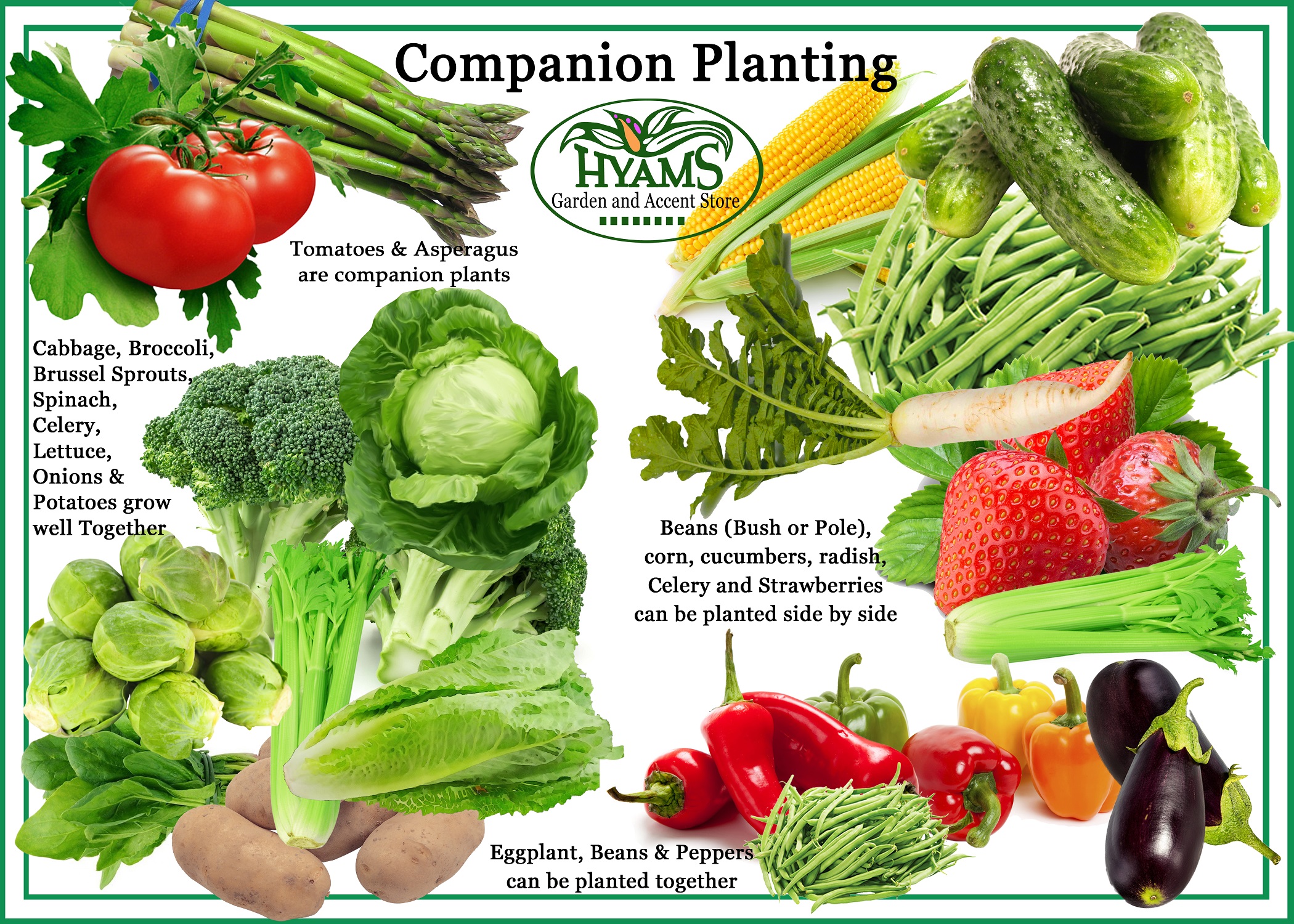
Vegetables can create delightful taste combinations that enhance any dish. Pairing the right vegetables not only boosts flavors but also adds nutritional value to meals. Here’s a look at some vegetables that pair well together.
Classic Combinations
Certain vegetable combinations have stood the test of time and can be found in countless recipes. These classic pairings are beloved for their complementary flavors and textures.
- Tomatoes & Basil: This duo is a staple in Italian cuisine, often found in salads, sauces, and pizzas.
- Carrots & Peas: A classic mix in many dishes, providing a sweet and colorful contrast.
- Bell Peppers & Onions: Together, they create a flavorful base for stir-fries and sautés.
Seasonal Pairings
Depending on the time of year, certain vegetables complement each other naturally due to their growing seasons. This not only enhances flavor but also supports sustainable eating.
- Asparagus & Radishes: These spring vegetables provide a fresh and vibrant palette.
- Squash & Zucchini: Both summer vegetables blend well in stews and grilled dishes.
- Brussels Sprouts & Pear: A fall favorite, they pair beautifully in salads or roasted.
Flavor Profiles
Understanding the flavor profiles of vegetables can greatly enhance your cooking. Some vegetables bring sweetness, while others offer earthiness or spice, making them perfect partners.
- Beets & Goat Cheese: The earthiness of beets complements the creamy tang of goat cheese.
- Kale & Garlic: Their strong flavors mesh perfectly, enhancing dishes that require a robust taste.
- Corn & Avocado: This combo creates a creamy and sweet texture, perfect for salads or salsas.
Nutritional Benefits
Pairing vegetables can also contribute to nutritional diversity in meals. Certain combinations increase the range of vitamins and minerals consumed.
- Spinach & Broccoli: Both are nutrient-dense and packed with vitamins A and C.
- Cabbage & Carrots: Together, they offer a powerhouse of fiber and antioxidants.
- Sweet Potatoes & Green Beans: This pairing provides a good balance of carbohydrates and protein.
Culinary Techniques
Different culinary techniques can elevate the flavors of paired vegetables, enhancing their tastes in a dish.
- Roasting Bell Peppers & Onions: This technique brings out their natural sweetness and adds depth.
- Sautéing Garlic & Kale: Quickly cooking these together allows for a fusion of flavors while keeping nutrients intact.
- Blanching Asparagus & Radishes: This method retains color and crunch, making them vibrant additions to salads.
What vegetables grow well together chart?


What Vegetables Grow Well Together Chart?
The concept of companion planting involves pairing vegetables that benefit each other's growth when planted in proximity. Creating a chart for companion planting can help gardeners maximize their garden's productivity. Here is a detailed chart outlining common vegetables and their companion planting partners:
- Tomatoes: Grow well with basil, garlic, and onions.
- Carrots: Pair nicely with onions, leeks, and tomatoes.
- Cabbage: Thrives alongside beans, celery, and beets.
- Bell Peppers: Benefit from companionship with basil and onions.
- Lettuce: Grows well with radishes, carrots, and strawberries.
Benefits of Companion Planting
Companion planting offers several significant benefits. By planting certain vegetables together, gardeners can reduce pests, improve yield, and enhance flavor. The benefits include:
- Pest Control: Certain plants repel harmful insects, protecting their neighbors.
- Soil Health: Some plants may improve soil fertility, making nutrients more available to others.
- Microclimate Creation: Taller plants can provide shade or wind protection to smaller ones.
Common Companion Planting Examples
Understanding which vegetables work well together can lead to successful harvests. Here are some popular pairings:
- Tomatoes and Basil: Basil can deter pests like aphids and enhance the flavor of tomatoes.
- Carrots and Onions: These two can help confuse pest insects, reducing damage.
- Corn and Beans: Beans provide nitrogen to the soil, benefiting corn growth.
Vegetables to Avoid Planting Together
Not all vegetables make good neighbors. Some combinations can lead to poor growth or lower yields. Here are a few to avoid:
- Tomatoes and Potatoes: Both are susceptible to blight, which can spread between them.
- Carrots and Dill: Dill can stunt carrot growth if planted too close.
- Cabbage and Strawberries: Cabbage can compete for nutrients, harming strawberries.
Preparing a Companion Planting Chart
Creating an effective companion planting chart involves careful consideration and planning. Here’s how to get started:
- Research: Look into which plants thrive together and which do not.
- Create Groupings: Organize vegetables into categories based on their compatibility.
- Design Your Garden Layout: Use the chart to plan where to place each plant in your garden.
Additional Resources for Companion Planting
There are numerous resources available for gardeners to learn more about companion planting. Some useful ones include:
- Books on Permaculture: These often have chapters dedicated to companion planting techniques.
- Online Gardening Forums: Websites and communities where experienced gardeners share tips.
- Local Cooperative Extensions: Many provide research-based resources specific to your area.
Questions from Our Readers
Which vegetables should not be planted together?
Planting certain vegetables together can lead to poor growth and disease. For example, tomatoes should not be planted with potatoes as they can both attract the same pests. Additionally, carrots and celery should be kept apart due to potential competition for nutrients.
What are companion plants for tomatoes?
Tomatoes grow well with basil, marigolds, and garlic. These plants can help enhance growth, improve flavor, and ward off harmful pests. Planting basil next to tomatoes is particularly beneficial, as it can improve the overall health of the tomato plant.
Can you plant cucumbers and lettuce together?
Yes, cucumbers and lettuce can be planted together, as they have complementary growth habits. Lettuce grows quickly and can provide some shade to cucumbers, which can be beneficial during warmer months. However, ensure proper spacing to prevent overcrowding.
See also:
Which vegetables grow well together in a garden?
In a garden, carrots, onions, and radishes are great companions as they help to repel pests and maximize space. Similarly, peppers and eggplants thrive together, providing mutual benefits in terms of nutrient usage and pest resistance.
If you want to read more articles like Which Vegetables to Plant Next to Each Other? A Guide for Companion Gardening Success, we recommend you check out our Garden category.
Leave a Reply
Related Articles