Ultimate Guide: How to Layer a Garden Bed for Vegetables?
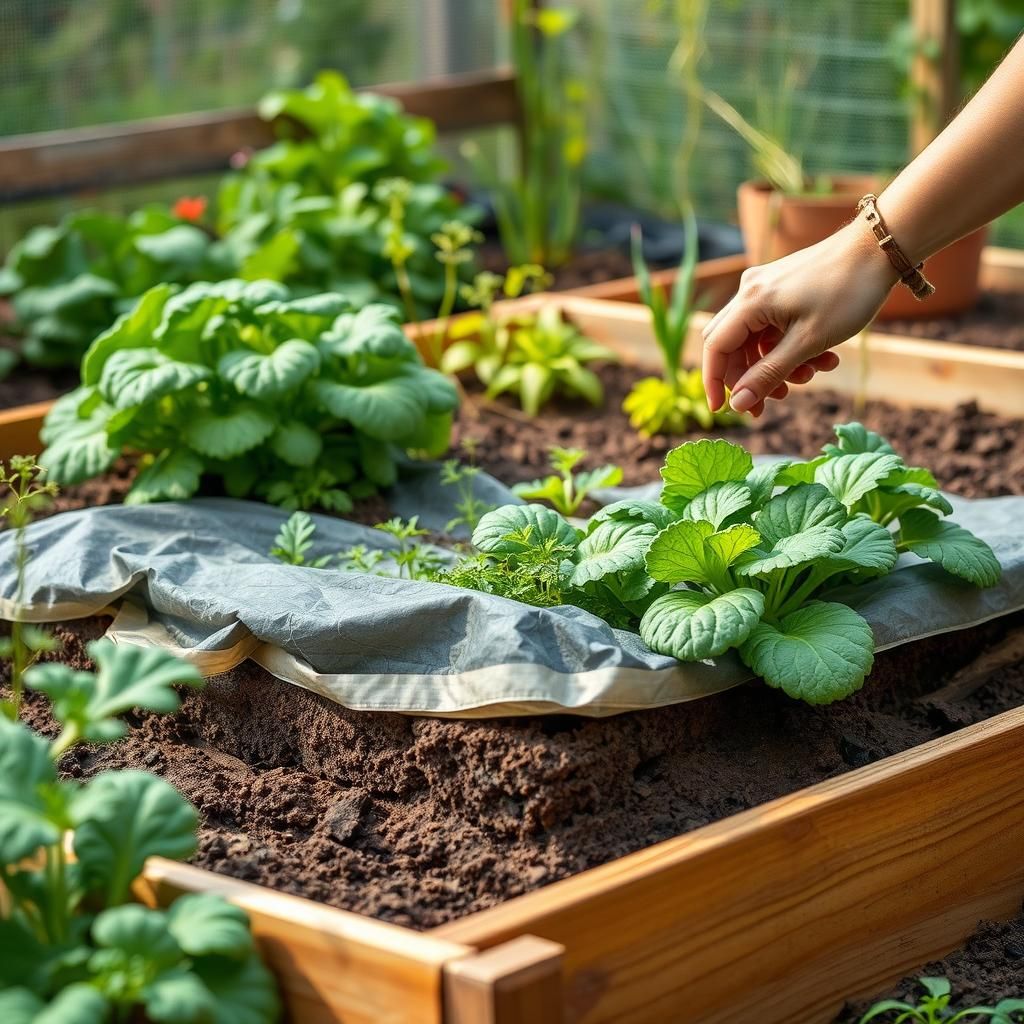
Creating a productive vegetable garden begins with understanding how to layer a garden bed effectively. Layering plays a crucial role in establishing a healthy ecosystem that promotes growth, drainage, and nutrient retention. Whether you’re an experienced gardener or a beginner, mastering this technique can enhance your garden's yield and resilience. In this ultimate guide, we will explore the essential layers for building an optimal garden bed, including the right materials, their purposes, and tips for maintenance. With the knowledge gained here, you’ll be well on your way to cultivating a thriving vegetable garden that flourishes throughout the seasons.
How to Properly Layer a Garden Bed for Vegetables
To effectively layer a garden bed for vegetables, it's essential to consider the construction of the bed and the types of materials used, as this will directly influence the health of the plants and the overall yield. Start with a sturdy base by outlining the area and ensuring proper drainage; then layer organic materials such as coarse sticks, straw, or leaves at the bottom to create space for air and drainage. Follow this with layers of green materials (like grass clippings or vegetable scraps) that add nitrogen, and balance them with brown materials (like dry leaves or shredded paper) that provide carbon. Finally, top with a rich layer of compost or high-quality soil to nurture the plants. This combination will ensure that your vegetables have access to the nutrients and aeration they require for healthy growth.
Choosing the Right Location
Selecting the best location for your garden bed is crucial for optimal vegetable growth. Look for an area that receives at least 6-8 hours of sunlight each day to ensure that your vegetables thrive. Additionally, consider proximity to a water source for easy irrigation, as well as protection from harsh winds or pests. Observing existing soil conditions can also help; look for signs of healthy, well-drained soil and avoid areas prone to flooding.
Understanding Soil Layers
Understanding soil layers is fundamental in creating a successful garden bed for vegetables. The bottom layer should consist of coarse materials that facilitate drainage, followed by a layer of nutrient-rich organic matter. This combination promotes healthy root development and prevents compaction. As you build your layers, it is essential to keep the soil structure in mind, ensuring that there is a balanced mixture of sand, silt, and clay to retain moisture while allowing excess water to drain.
Incorporating Organic Matter
Incorporating organic matter into your garden bed enhances soil fertility and structure. Adding layers of compost, well-rotted manure, and other organic materials enriches the soil with essential nutrients, improves moisture retention, and fosters beneficial microbial activity. This not only supports healthy plant growth but also helps in suppressing weeds and preventing soil erosion, creating a sustainable ecosystem for your vegetables.
See also:
Maintaining Drainage
Maintaining proper drainage is vital to prevent plant roots from becoming waterlogged, which can lead to root rot and other issues. Ensure that the bottom layer of your garden bed is made of materials that permit water to flow freely, such as small stones or twigs. Additionally, consider designing your garden bed with a slight slope or incorporating drainage pipes if necessary, particularly in areas where water tends to pool.
Layer Thickness and Composition
The thickness and composition of each layer in your garden bed play a significant role in plant health. A good rule of thumb is to create layers that are 4-6 inches thick, alternating between green and brown materials to promote a balanced supply of nutrients. Aim for a composition that includes a variety of textures and materials, ensuring that no layer is too compacted, allowing for adequate airflow and moisture distribution throughout the soil.
| Layer | Material | Purpose |
|---|---|---|
| 1 | Coarse materials | Drainage |
| 2 | Green materials | Nitrogen supply |
| 3 | Brown materials | Carbon source |
| 4 | Compost | Nutrient enrichment |
Understanding the Importance of Soil Layers in Vegetable Gardening
The foundation of a thriving vegetable garden lies in the layering of its soil components. By carefully assembling various organic and inorganic materials, you create a nurturing environment that enhances drainage, nutrient retention, and microbial activity. Each layer serves a unique purpose, contributing to the overall health of the garden bed. For instance, starting with coarse materials like straw or wood chips at the bottom can improve aeration, while rich compost or well-rotted manure on top provides essential nutrients for your vegetable plants. This structured approach not only helps with the efficient use of resources but also promotes a sustainable gardening practice.
Choosing the Right Base Layer
The base layer of your garden bed is crucial for establishing a strong foundation. Typically, it's best to start with larger organic materials such as logs, branches, or straw. These materials decompose slowly, creating space for air and allowing for water drainage, which is vital to prevent root rot. This layer also acts as a habitat for beneficial insects and supports microorganisms that improve soil health, fostering a thriving ecosystem right from the start.
Adding Nutrient-Rich Compost
After the base layer, the introduction of nutrient-rich compost is essential. This layer not only provides macro and micronutrients necessary for plant growth but also enhances the soil structure. Compost essentially acts like a fertilizer, improving the water retention capacity while also fostering beneficial microbial life. It's important to use well-decomposed compost to avoid introducing pathogens or weed seeds, ensuring a healthier growth environment for your vegetables.
See also:
Incorporating Green Manure and Mulch
Incorporating green manure—such as clover or rye—into your garden bed layering process can significantly enhance soil fertility. When green manure plants decay, they add organic matter and essential nutrients back into the soil. Furthermore, topping your garden bed with a layer of mulch helps to retain moisture, suppress weeds, and regulate soil temperature, creating an ideal microenvironment for your growing vegetables.
Dealing with Soil pH and Drainage
Understanding your garden bed's soil pH levels is crucial for the success of your vegetables. Adjusting the pH can be accomplished through various additives such as lime for alkalinity or sulfur for acidity. Additionally, effective drainage is vital to prevent excess water accumulation, which can damage plant roots. Ensure that your layers facilitate proper drainage by not compacting them too tightly and incorporating coarse materials that allow water to flow through efficiently.
Maintaining Your Layered Garden Bed
Ongoing maintenance of your layered garden bed is essential for sustaining its health over time. This includes regular additions of compost and mulch to replenish nutrient levels and maintain the aeration of soil. Furthermore, monitoring for signs of pest activity or disease should be a routine practice, allowing for quick remediation. Regularly turning or mixing the compost layer can also enhance microbial activity, ensuring that your vegetable plants thrive throughout the growing season.
Questions from Our Readers
What materials should I use for layering a vegetable garden bed?
To create an effective layered garden bed, you should use a combination of organic materials and nutrients. Start with a base layer of coarse materials like branches or straw for drainage, followed by layers of greens such as grass clippings and kitchen scraps, then add browns like dry leaves and shredded paper. Finally, top it off with rich compost to provide the necessary nutrients for your vegetables.
How deep should each layer be when building a garden bed?
Each layer in your vegetable garden bed should vary in thickness, with a recommended depth of about 2 to 4 inches for greens and browns. The bottom layer can be deeper with up to 6 inches for coarse materials, while the top layer of compost can be about 2 inches. This structure will help promote healthy decomposition and aeration.
See also:
How do I maintain a layered garden bed over time?
Regular maintenance of your layered garden bed involves adding new organic materials to replenish the nutrients. You should aerate the bed by occasionally turning it and monitor moisture levels to ensure it doesn't become too dry or too wet. Additionally, topping with fresh compost or mulch each season will help keep the layers healthy and ready for planting.
Can I plant vegetables directly into a layered garden bed?
Yes, after building your layered garden bed, you can plant vegetables directly into the top layer of compost. It’s essential to allow the layered materials to decompose for a few weeks before planting, but once established, your vegetables will benefit from the ongoing nutrient cycling. Ensure that you space your plants according to their requirements for optimal growth and health.

If you want to read more articles like Ultimate Guide: How to Layer a Garden Bed for Vegetables?, we recommend you check out our Garden category.
Leave a Reply
Related Articles