Can You Grow Carrots in a 5 Gallon Bucket? Tips for Successful Container Gardening
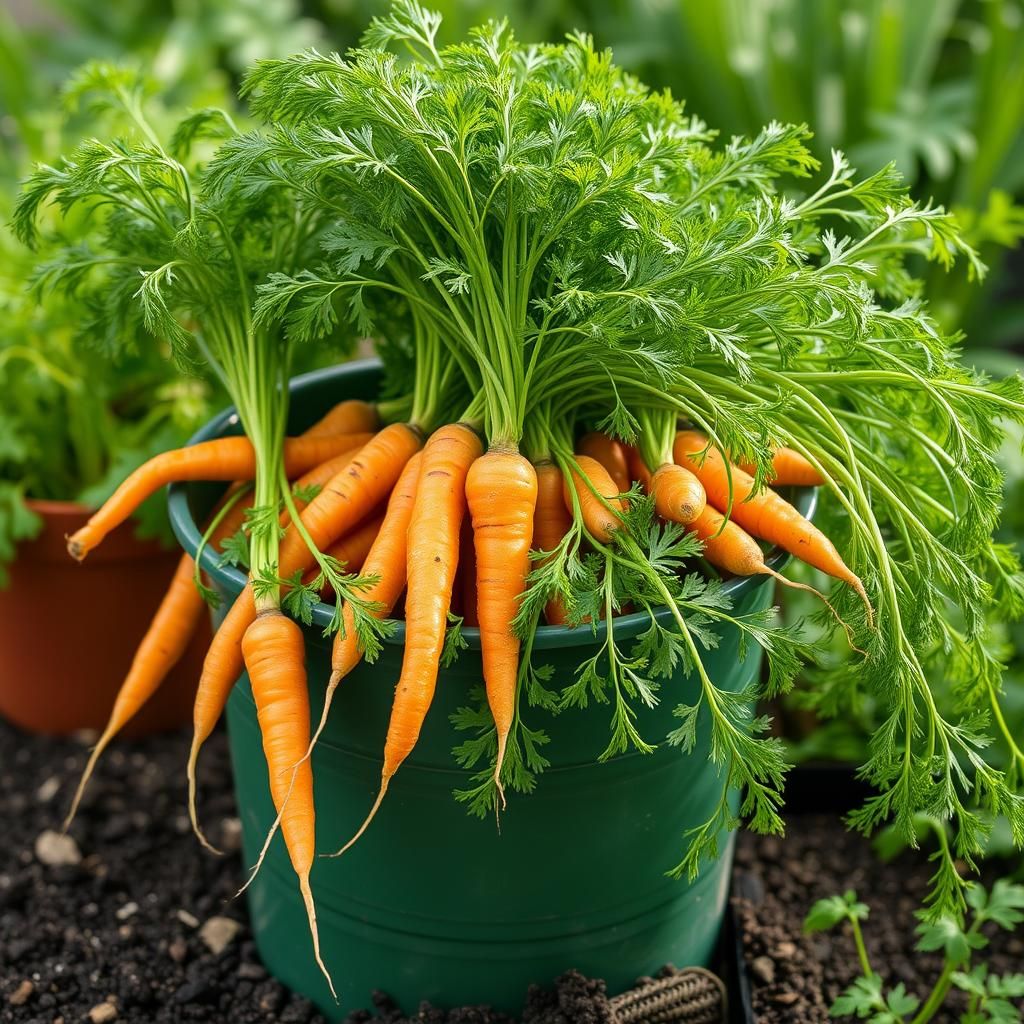
Container gardening has become a popular solution for those with limited space or unique gardening challenges, and growing carrots in a 5-gallon bucket is an innovative way to enjoy this nutritious vegetable. This article explores the practicality of cultivating carrots in a confined space, outlining essential tips for successful growth. From choosing the right carrot varieties to soil preparation and watering routines, we’ll guide you through the process to maximize your yield. Whether you’re a seasoned gardener or a beginner, this method offers versatility and accessibility, making it easy to incorporate fresh carrots into your diet, even in urban environments.
Can You Grow Carrots in a 5 Gallon Bucket?
Yes, you can successfully grow carrots in a 5 gallon bucket, making it an excellent option for urban gardeners or those with limited space. Carrots thrive in deep soil, and a 5 gallon bucket provides enough depth (approximately 12 inches) for them to develop properly. It is essential to choose a suitable carrot variety, like 'Nantes' or 'Thumbelina,' which are known for their shorter roots. Moreover, ensuring that the bucket has adequate drainage holes is crucial to prevent waterlogging, which can hinder growth. Remember to fill the bucket with a quality potting mix and provide sufficient sunlight and moisture for optimal growth.
Choosing the Right Carrot Varieties
Selecting the right carrot variety is critical when growing them in a 5 gallon bucket. Varieties such as 'Nantes,' 'Paris Market,' or 'Thumbelina' are ideal because they have shorter roots and are more suited for confined spaces. These varieties not only fit well within the limited depth of the bucket but also produce sweet, flavorful roots.
Preparing the Soil
For growing carrots in a 5 gallon bucket, the choice of soil is vital. Use a high-quality potting mix that is well-draining and rich in organic matter. Avoid heavy garden soils that may compact and restrict root growth. Mixing in some sand or perlite can enhance drainage, ensuring the roots have enough space to grow without drowning.
Watering Requirements
Watering is an essential aspect of growing carrots in a 5 gallon bucket. Carrots need consistent moisture, especially during germination, but care must be taken to avoid overwatering. The soil should be kept evenly moist but not soggy. Check the top inch of soil; if it feels dry, it's time to water. Ensuring the bucket has good drainage will help prevent root rot.
Sunlight Needs
Carrots require full sun for optimal growth, which means they should receive at least 6 to 8 hours of direct sunlight daily. Placing your 5 gallon bucket in a sunny location, like a south-facing balcony or patio, will promote healthy growth. If sunlight is limited, consider supplementing with grow lights to enhance the plants' growth.
Pest Management
When growing carrots in a 5 gallon bucket, pest control is important to safeguard your crop. Common pests include aphids, carrot flies, and beetles. Regular monitoring and the use of organic pest control options, such as insecticidal soap or neem oil, can help manage these pests without harming the plants. Keeping the area clear of debris can also reduce pest attractants.
| Aspect | Details |
|---|---|
| Varieties | 'Nantes', 'Thumbelina' |
| Soil Type | Well-draining potting mix |
| Watering | Evenly moist, avoid overwatering |
| Sunlight | 6-8 hours of direct sun |
| Pest Control | Use organic solutions like neem oil |
What are the best vegetables to plant in 5 gallon buckets?

The best vegetables to plant in 5-gallon buckets are those that can thrive in limited space and require good drainage. Below are some excellent options that are well-suited for container gardening.
Root Vegetables
Root vegetables are particularly suitable for 5-gallon buckets due to their vertical growth. They don't require a lot of horizontal space, making them ideal candidates for container gardening.
- Radishes: They grow quickly, can be harvested in just a few weeks, and are excellent for beginners.
- Carrots: Choose shorter varieties that can thrive in confined spaces.
- Beets: They can grow well in a bucket and produce both edible roots and greens!
Leafy Greens
Leafy greens are another fantastic option for 5-gallon buckets. They usually grow quickly and can be harvested multiple times if you use the cut-and-come-again method.
See also:
- Lettuce: Varieties like butterhead and romaine are great choices that don’t need deep soil.
- Spinach: This nutrient-rich green grows well in cooler weather and is relatively easy to maintain.
- Kale: It is a hearty green that can survive in less-than-ideal weather conditions.
Herbs
Herbs are ideal for container gardening, and 5-gallon buckets provide ample space for their root systems. Fresh herbs can significantly enhance your culinary dishes.
- Basil: Thrives in warm weather and can grow tall, providing a flavorful addition to many meals.
- Parsley: A biennial that can continue growing for a long period and provides a lot of culinary uses.
- Thyme: A hardy herb that likes well-draining soil and can grow efficiently in a bucket.
Small Fruit Plants
Some small fruit plants can excel in 5-gallon buckets as well. They often produce abundant yields with proper care and love.
- Cherry Tomatoes: They are compact plants that thrive well in containers and provide delicious, sweet fruits.
- Strawberries: A perennial favorite, they grow well in buckets and provide lovely, sweet fruits.
- Peppers: Varieties like bell peppers or jalapeños can be very productive in a small space.
Compact Green Beans
Certain varieties of green beans can be grown in vertical growth systems, making them perfect for 5-gallon buckets.
- Bush Beans: They require less height and produce an abundance of beans without needing much space.
- Snap Beans: These are easy to grow and are perfect for fresh eating or preservation.
- Pole Beans: While they need a trellis, they can still thrive in a bucket with vertical support.
How big of a container do I need to grow carrots?
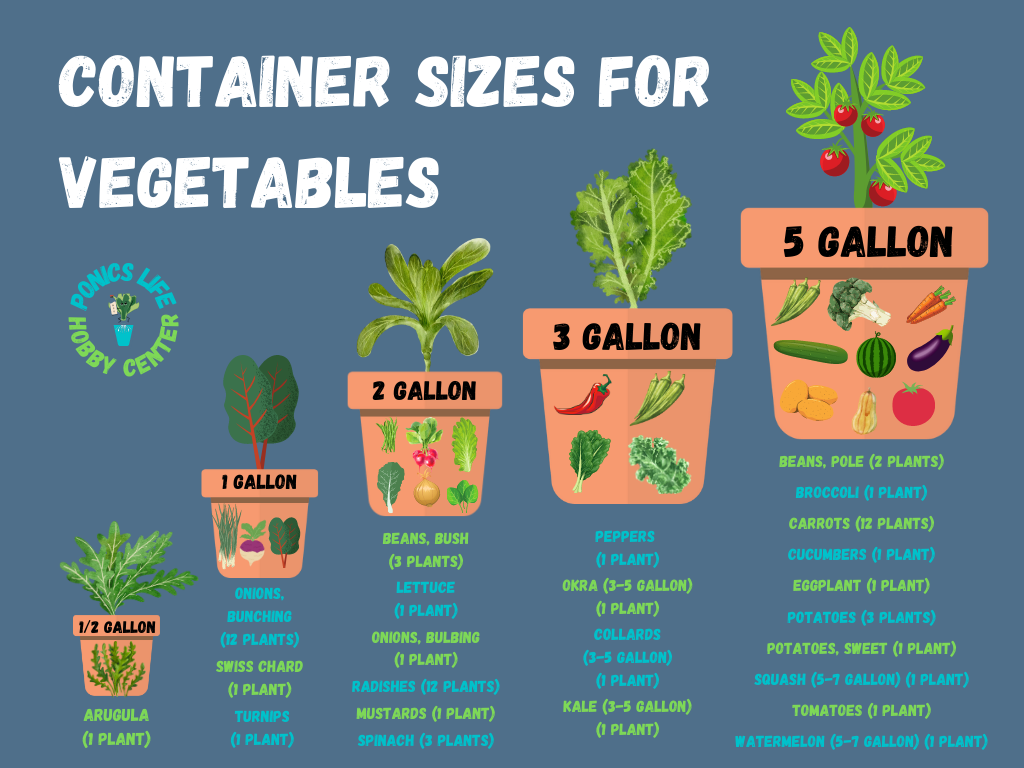
To grow carrots effectively, choosing the right container size is crucial. Carrots have a long root system, and their growth is significantly influenced by the depth and width of the container. Generally, a container should be at least 12 inches deep and 12-18 inches wide to accommodate the growth of carrot roots adequately. Here are some essential considerations when selecting a container for growing carrots:
Container Depth Requirements
Growing carrots requires adequate depth to allow the roots to develop properly. A container that is insufficiently deep can lead to stunted growth or deformities in the carrots. The recommended container depth includes:
- Minimum Depth: At least 12 inches is necessary for most varieties of carrots.
- Optimal Depth: A depth of 16-18 inches is ideal for larger varieties, allowing for better root expansion.
- Root Types: Different types of carrots may require differing depths; for instance, longer varieties like Danvers demand more space.
Container Width Considerations
The width of the container is also important to allow for spreading roots and proper growth. A wider container can foster healthier plants by providing more space for carrots to grow. Key points to note include:
- Minimum Width: A width of at least 12 inches allows for appropriate spacing and soil volume.
- Recommended Width: 18-24 inches width enables more than one carrot plant to thrive, catering to multiple plantings.
- Spacing: Ensure that carrots are spaced at least 2-4 inches apart to avoid overcrowding.
Material Selection for Carrot Containers
Choosing the right material for the container is vital for maintaining soil temperatures and moisture levels. Various materials can be used, such as:
- Plastic Containers: Lightweight, affordable, and available in various sizes.
- Wooden Planters: Provide good insulation but may require more maintenance to prevent rot.
- Metal Tubs: Durable but can retain heat excessively; consider insulation to protect roots.
Soil Requirements in Containers
Using the right type of soil is essential for carrot growth. The soil in your container should support root development while retaining moisture. Consider the following:
- Soil Composition: A well-draining mix is necessary; consider a blend of potting soil, sand, and compost.
- Soil pH: Carrots prefer slightly acidic to neutral pH (6.0 - 7.0) for optimal growth.
- Nutrient Levels: Ensure the soil has adequate nutrients, but avoid over-fertilization, which can lead to poor growth.
Watering Needs for Container-Grown Carrots
Carrots grown in containers have specific watering needs to ensure consistent growth. Proper moisture levels help prevent bolting and encourage healthy roots. Important tips include:
- Regular Watering: Carrots need uniform moisture; check daily, especially in warmer climates.
- Drainage: Ensure the container has drainage holes to prevent waterlogging, which can rot the roots.
- Mulching: Consider adding mulch on top of the soil to retain moisture and control temperatures.
How many bags of potting soil does it take to fill a 5 gallon bucket?


To fill a 5-gallon bucket with potting soil, it typically requires about 2 to 3 bags of potting soil, depending on the size of the bags you are using. Most standard potting soil bags come in either 1.5 cubic feet or 2 cubic feet sizes. The density and moisture content of the soil can also impact how much is needed.
A 5-gallon bucket has a volume of approximately 0.67 cubic feet. Therefore, if you are using 1.5 cubic feet bags, you will likely need 1 bag plus a little extra to account for soil compaction or settling. If you are using 2 cubic feet bags, 1 bag is generally sufficient.
Understanding Volumes
The volume of soil needed can be confusing when dealing with different units of measurement.
- 5-gallon bucket: Holds approximately 0.67 cubic feet of soil.
- Bag sizes: Common sizes are 1.5 cubic feet and 2 cubic feet.
- Conversions: Knowing how to convert gallons to cubic feet is essential for accurate measurements.
Choosing the Right Potting Soil
Different types of potting soil can vary in density and composition, affecting the amount needed.
- Organic vs. inorganic: Organic mixtures may contain compost that increases volume.
- Moisture content: Wet soil occupies less space than dry soil, influencing quantity.
- Specialty soils: Soils for specific plants may have different densities than general-purpose mixes.
Factors Affecting Soil Volume
Several factors can impact how much soil you need to fill the bucket completely.
- Soil compaction: Soil tends to settle over time, leading to a need for more soil.
- Plant type: Certain plants require deeper pots; consider this before planting.
- Maintenance: Regular maintenance could require additional soil for replenishing.
Practical Tips for Filling Your Bucket
Filling a 5-gallon bucket correctly can enhance your gardening experience.
- Fill method: Fill slowly to allow soil to settle, reducing air pockets.
- Layering: Consider layering soil with other materials for better drainage.
- Testing: After filling, test the soil volume by adding more if necessary.
Purchasing Potting Soil
When buying potting soil, knowing how much you need in advance can help you save money.
- Bulk buying: Consider purchasing larger quantities if you have multiple containers.
- Check labels: Always read the bag labels for exact measurements and recommendations.
- Compare prices: Shop around to find the best deals on the bags you require.
Questions from Our Readers
Can you grow carrots in a 5 gallon bucket?
Yes, you can grow carrots in a 5 gallon bucket. This container provides ample space for the roots to develop, especially if you select shorter varieties of carrots, which are better suited to the limited depth of a bucket. Make sure to use well-draining soil and provide adequate water and sunlight for optimal growth.
What type of soil is best for growing carrots in a bucket?
The best soil for growing carrots in a bucket is a loose, well-draining potting mix that allows the roots to expand easily. Adding sand or perlite to your soil can improve drainage and prevent the formation of compacted areas that can hinder root development.
How many carrot seeds can I plant in a 5 gallon bucket?
In a 5 gallon bucket, you can typically plant about 10 to 15 carrot seeds to ensure enough space for each carrot to grow without overcrowding. Remember to thin the seedlings later, allowing for at least 2 to 3 inches of space between each carrot.
How often should I water carrots grown in a bucket?
Carrots grown in a bucket should be watered regularly to keep the soil moist but not soggy. Generally, you should aim to water them once or twice a week, depending on your climate and the bucket's drainage, ensuring that the soil stays consistently damp throughout the growing season.
See also:

If you want to read more articles like Can You Grow Carrots in a 5 Gallon Bucket? Tips for Successful Container Gardening, we recommend you check out our Garden category.
Leave a Reply
Related Articles