Essential Guide: What Not to Put in a Greenhouse? Avoid These Common Mistakes!
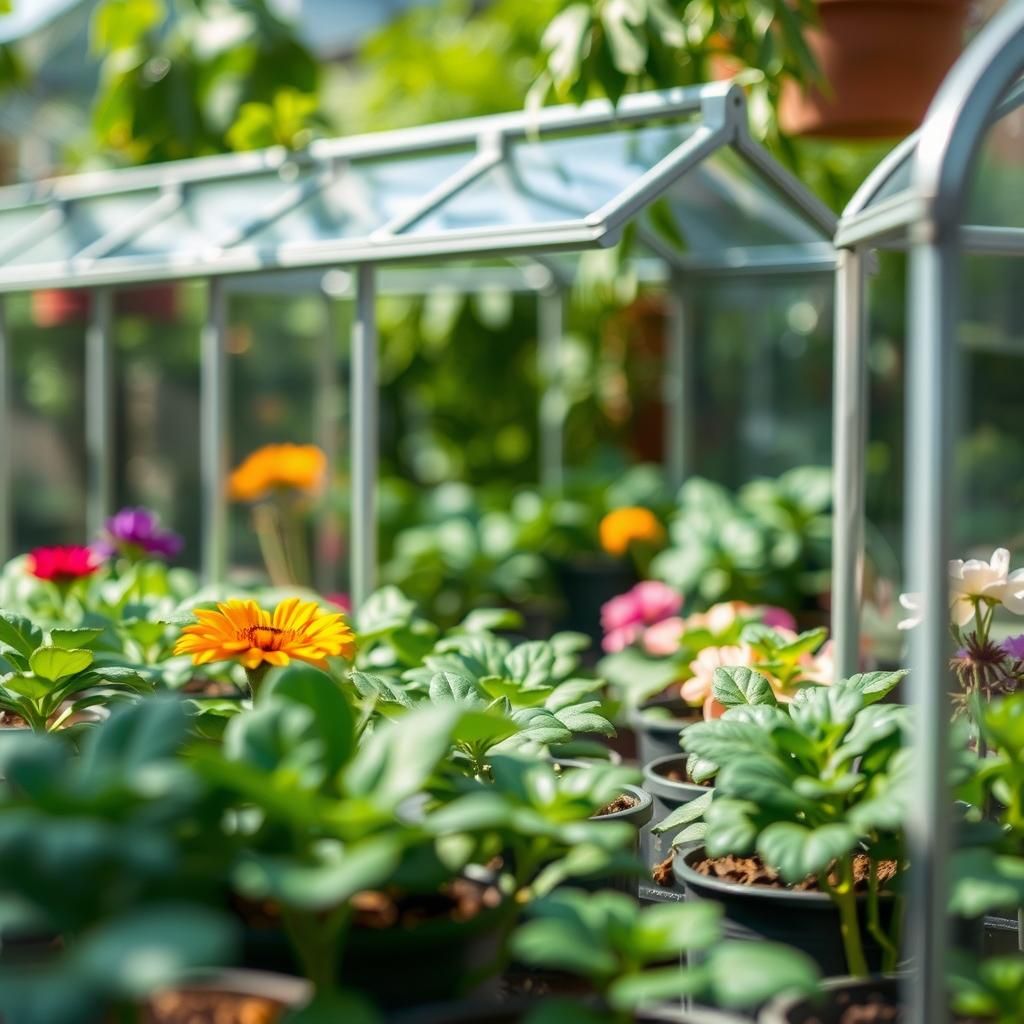
When it comes to gardening, a greenhouse can be a gardener's best friend, providing a controlled environment for plants to thrive. However, not everything should find a home in this nurturing space. Many novice and even experienced gardeners make common mistakes by including unsuitable items in their greenhouses. Understanding what not to include is vital for maintaining optimal growing conditions and ensuring a healthy garden. In this essential guide, we'll explore the key items and practices to avoid, helping you create a flourishing greenhouse that promotes plant health and productivity while saving you from potential pitfalls.
What Not to Put in a Greenhouse?
When planning your greenhouse, it's crucial to understand what items should be avoided to ensure a healthy growing environment. Placing materials that retain too much moisture or those that can attract pests can create unfavorable conditions for your plants. For example, chemical pesticides and fertilizers can lead to toxic soil and harm beneficial insects. Moreover, using plastic containers can trap heat, causing temperature spikes that stress plants. Additionally, tools that are not properly cleaned may harbor diseases. Therefore, careful selection of items placed in the greenhouse is vital for optimal plant growth.
Avoid Chemical Pesticides
Using chemical pesticides in a greenhouse can be detrimental to plant health and the surrounding ecosystem. These substances can not only harm beneficial insects but can also lead to pest resistance, diminishing their effectiveness over time. Furthermore, residues may linger on crops, posing health risks to consumers and the environment. Opting for organic pest control methods is a safer alternative that promotes sustainability and maintains a balanced ecosystem within the greenhouse.
Don't Use Plastic Containers
Plastic containers can trap heat and moisture within a greenhouse, leading to excessive humidity and temperature fluctuations. Such conditions are often ideal for mold and fungus growth, which can jeopardize plant health. Additionally, plastic may degrade over time, releasing harmful chemicals into the soil. It's better to choose biodegradable or ceramic pots that allow for better air circulation and moisture regulation.
Refrain from Storing Non-Plant Materials
Storing non-plant materials such as old equipment or discarded items in a greenhouse can create clutter and potential disease hotspots. These items may attract pests or encourage the growth of mold and fungus, impacting the overall health of your plants. Keeping the greenhouse organized and free from unnecessary materials ensures better airflow and reduces the risk of infections in your plants.
Don't Overcrowd Your Greenhouse
Overcrowding can lead to poor air circulation and create a humid environment, fostering conditions ripe for disease and pest infestations. Plants need sufficient space to grow and develop, and when they’re packed too closely, they compete for light and nutrients, which can stunt their growth. Maintaining an optimal spacing strategy is essential for promoting healthy, vigorous plant development.
Avoid Non-Organic Fertilizers
Utilizing non-organic fertilizers in a greenhouse can lead to nutrient imbalances that may harm plants. These fertilizers often contain harsh chemicals that can damage soil biology and contribute to environmental toxicity. Instead, opting for organic or natural fertilizers promotes enhanced soil health and supports a sustainable growing environment, ultimately benefiting both plants and the ecosystem.
| Items to Avoid | Reasons |
|---|---|
| Chemical Pesticides | Harmful to beneficial insects and human health |
| Plastic Containers | Retain heat and moisture, leading to mold growth |
| Non-Plant Materials | Attract pests and cause clutter |
| Overcrowding | Poor air circulation and nutrient competition |
| Non-Organic Fertilizers | Nutrient imbalance and harm soil biology |
What should not be grown in a greenhouse?
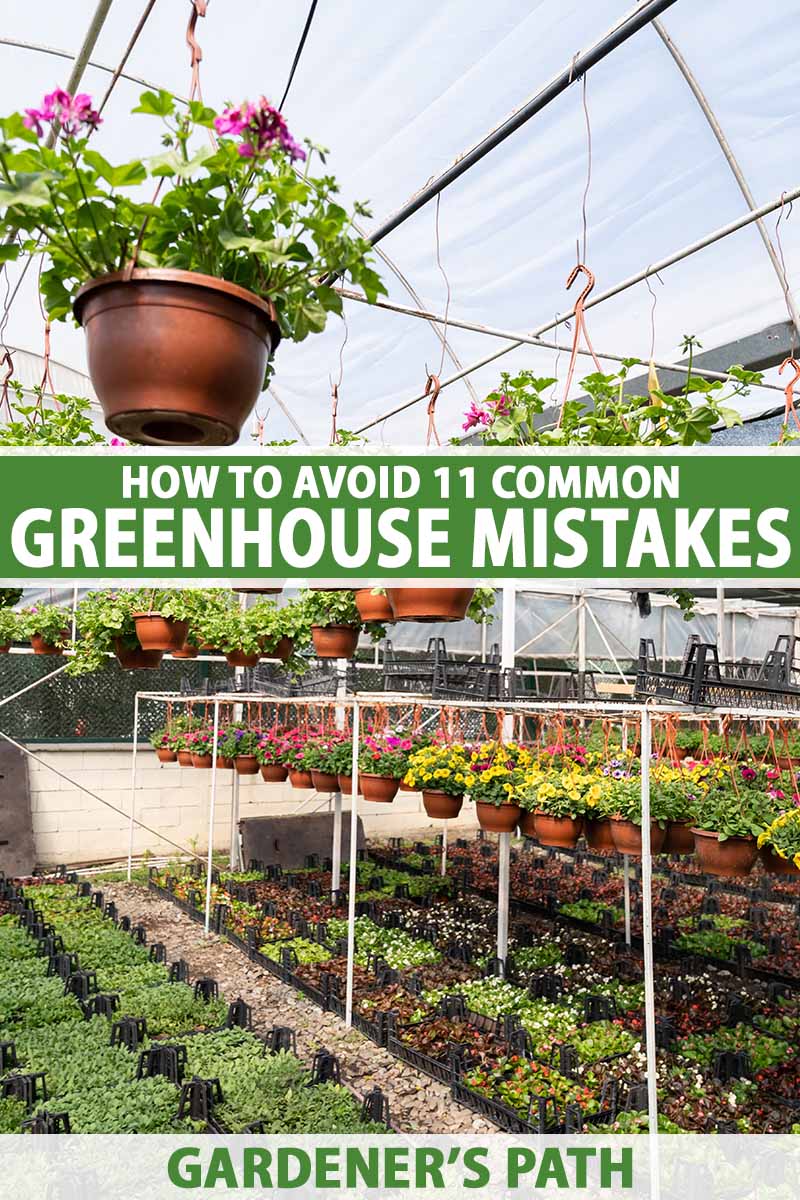
Growing plants in a greenhouse provides a controlled environment that can enhance the growth of many fruits, vegetables, and flowers. However, certain plants are ill-suited to this environment. Here are some categories of plants that should not be grown in a greenhouse.
1. Large Trees
Growing large trees in a greenhouse is often impractical due to their size and space requirements. Greenhouses are typically designed for smaller plants which can be easily managed within the limited space. Large trees would require significant room to grow both above and below the soil.
- Root Expansion: Large trees have extensive root systems that can disrupt greenhouse structures and interfere with other plants.
- Light Requirements: Trees demand substantial light and height that greenhouses might not adequately provide.
- Climate Control: Trees prefer varying conditions not always achievable in a greenhouse, potentially leading to poor growth.
2. Plants with High Water Requirements
Plants such as certain wetland species or those from tropical climates can be challenging to cultivate in a greenhouse setting. These plants often require an environment with high humidity and consistent wet conditions.
- Overwatering Issues: Greenhouses may retain too much moisture, leading to root rot and other fungal diseases.
- Humidity Control: Managing humidity can be cumbersome and may negatively affect other plants in a mixed environment.
- Soil Quality: Wetland plants typically need specific soil types that may not be compatible with standard greenhouse growing mixes.
3. Weeds
Weeds can quickly become a significant problem in a greenhouse due to the ideal growing conditions provided. Allowing weeds to thrive can compete with desired plants for nutrients, water, and light.
- Resource Competition: Weeds can drain nutrients from the soil, leaving less available for cultivated plants.
- Disease Spread: Certain weeds can harbor pests and diseases that may affect your greenhouse crops.
- Growth Rate: Weeds often have rapid growth cycles, making them challenging to control once established.
4. Plants Susceptible to Pests and Diseases
Certain plants, especially those that are prone to pests and diseases, can create significant challenges in greenhouse environments. These plants can attract unwanted bugs and disease that can spread to other vulnerable species.
See also:
- Fungal and Bacterial Issues: Some plants may attract outbreaks of diseases that are harder to control in confined environments.
- High Maintenance: They require more constant care and monitoring, increasing labor and resource costs.
- Chemical Usage: Management may involve the use of chemicals which can be detrimental to the entire greenhouse ecosystem.
5. Annual Weeds and Self-Seeding Plants
Plants that are highly self-seeding or act like annual weeds can quickly take over in a greenhouse and outcompete cultivated plants. Their rapid lifecycle means they can proliferate in the controlled setting of a greenhouse.
- Cultivation Disruption: Self-seeding plants can disrupt planned crop rotations and growth schedules.
- Maintenance Costs: Managing these plants can lead to increased labor costs as constant weeding will be necessary.
- Resource Drain: These plants may consume nutrients and water needed by desired plants, leading to reduced overall productivity.
What are the negatives of a greenhouse?
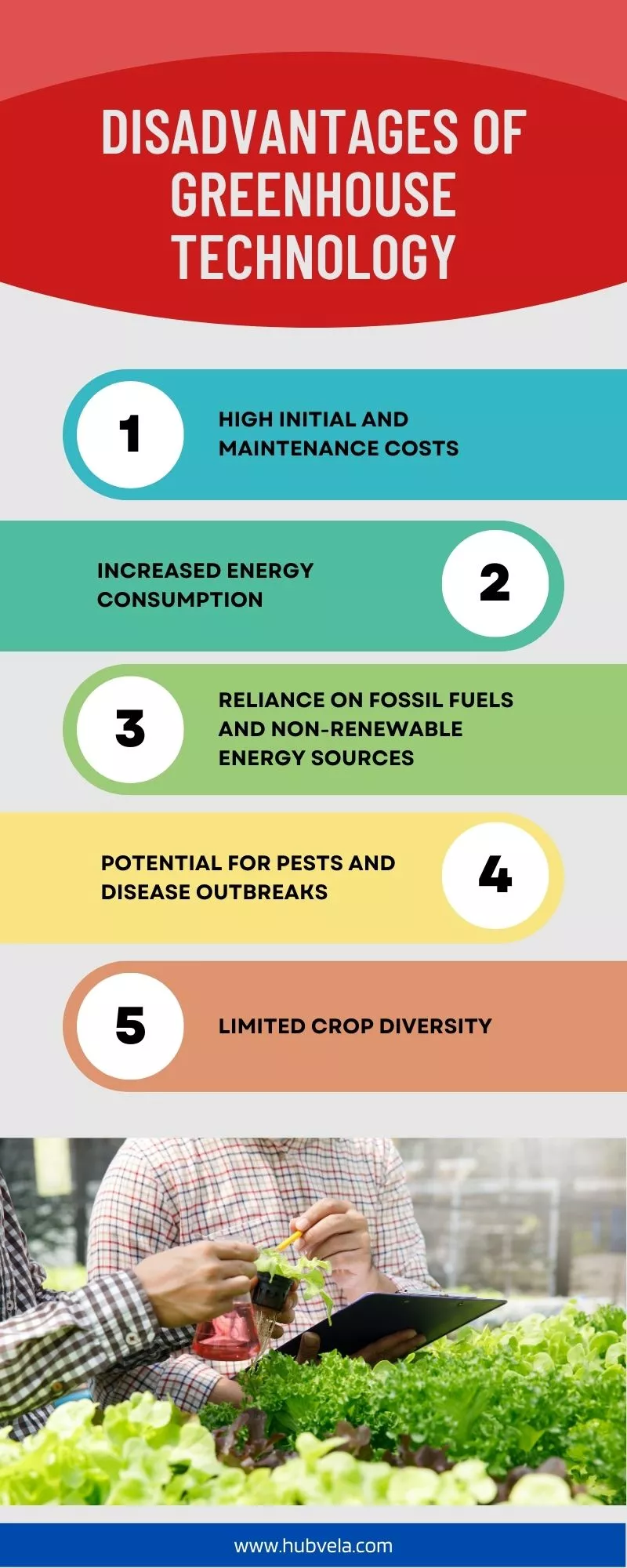
The negatives of a greenhouse can vary greatly based on design, location, and management practices. Here are some of the main drawbacks to consider:
High Initial Costs
Building a greenhouse can require significant financial investment. The costs involved include purchasing materials, installation, and potentially even land. These expenses can be categorized into:
- Construction Materials: High-quality glass or polycarbonate, frames, and foundations can be expensive.
- Labor Costs: Professional installation may be necessary, driving up initial expenses.
- Utilities: Heating, cooling, and irrigation systems add to the ongoing costs, which can be substantial.
Maintenance Requirements
Maintaining a greenhouse is essential but can be time-consuming and costly. Regular upkeep includes:
- Cleaning: Glass needs to be cleaned to maximize sunlight, requiring regular effort.
- Repairs: Weather damage or wear can necessitate frequent repairs, especially in extreme climates.
- System Maintenance: Heating and cooling systems, as well as irrigation, require checks and repairs to function optimally.
Pest and Disease Management
While greenhouses can protect plants from some pests, they can also create a controlled environment where pests and diseases thrive more easily. Challenges include:
- Isolation of Plants: When a disease or pest enters, the confined space can lead to a rapid spread.
- Limited Natural Predators: Unlike outdoor gardens, beneficial insects that control pest populations may be absent.
- Fungus and Mold: The heightened humidity levels can encourage the growth of mold and other pathogens.
Temperature Fluctuations
Although greenhouses are designed to control temperature, they can experience significant temperature fluctuations due to various factors:
- Insulation Challenges: Poor insulation can lead to heat loss during colder months.
- Overheating: In hot weather, it's often difficult to maintain a stable temperature without adequate ventilation.
- Energy Costs: Balancing these temperature extremes often results in higher energy consumption, impacting profitability.
Limited Crop Variety
Despite providing a controlled environment, not all crops thrive in greenhouses due to specific climatic requirements. This limitation includes:
- Climate Compatibility: Some plants may require conditions not achievable in a greenhouse setting.
- Space Restrictions: High-density planting can limit the variety of crops that can be cultivated.
- Harvest Issues: Certain crops may not develop their full flavor or quality outside of traditional growing conditions.
Why shouldn't you grow tomatoes in a greenhouse?

Growing tomatoes in a greenhouse may seem like an ideal choice for many gardeners; however, there are several compelling reasons why this practice might not be the best option. Here are some critical factors to consider:
Increased Risk of Diseases
Growing tomatoes in a greenhouse can significantly heighten the risk of diseases. The enclosed environment may create conditions that are conducive to pathogens and pests, leading to potential outbreaks. Here are some key points:
- High humidity levels can promote fungal diseases such as blight and mildew.
- Limited air circulation can contribute to the spread of diseases among plants.
- Using the same soil or equipment in a greenhouse increases the likelihood of disease transmission.
Temperature Control Challenges
While greenhouses can provide a controlled environment, maintaining the ideal temperature for tomatoes can be challenging. If temperatures rise too high, it can adversely affect plant growth and fruit quality. Consider the following:
- Overheating can lead to blossom drop and contribute to poor fruit set.
- Insufficient cooling during peak summer can stress the plants.
- Temperature extremes can affect taste and nutritional value of the tomatoes.
Cost Considerations
Establishing and maintaining a greenhouse can involve significant expense, which might not be justified depending on the yield. Here are some cost-related aspects to consider:
See also:
- Initial setup costs can be substantial for both the structure and environmental control systems.
- Ongoing maintenance expenses include heating, cooling, and watering systems.
- Investing in pest management solutions can add to long-term costs.
Pollination Issues
Tomatoes typically benefit from pollination, and the enclosed space of a greenhouse can limit access to natural pollinators like bees. This can lead to poor fruit development. Here’s why:
- Limited pollinator access means fewer interactions with flowers, impacting set fruit.
- Manual pollination efforts can be labor-intensive and require additional resources.
- Insufficient wind movement hampers natural pollination processes.
Space Limitations
The confined nature of a greenhouse can create space limitations for tomato plants, affecting their growth. Here are some considerations regarding space:
- Overcrowded plants can lead to poor air circulation and increased disease risk.
- Limited root space may restrict nutritional uptake and overall growth.
- Vertical growth may become a challenge, requiring additional support structures.
What is the easiest thing to grow in a greenhouse?
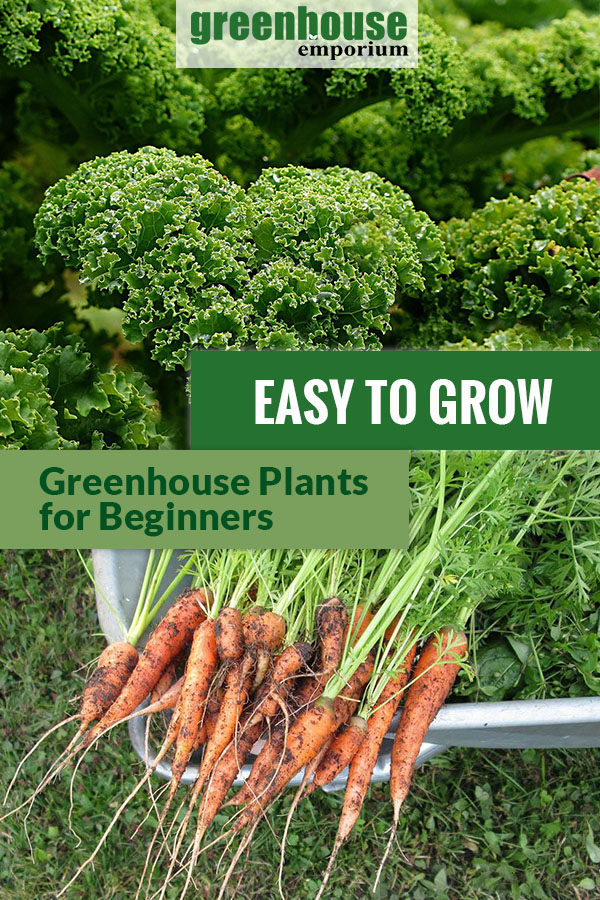
The easiest thing to grow in a greenhouse is generally considered to be herbs. Greenhouses provide a controlled environment that is conducive to growing various plants, but some are particularly well-suited for beginners. Herbs like basil, parsley, and mint are not only easy to grow but also require minimal effort in terms of care and maintenance.
Benefits of Growing Herbs in a Greenhouse
Growing herbs in a greenhouse offers several advantages:
- Controlled Environment: Greenhouses protect herbs from harsh weather conditions.
- Year-Round Growth: Many herbs can be grown throughout the year, allowing for continuous harvests.
- Space Efficiency: Herbs can be grown in small pots, maximizing space in a greenhouse.
Popular Easy-to-Grow Herbs
Some herbs that are particularly easy to cultivate include:
- Basil: Thrives in warmth and requires moderate watering.
- Parsley: Requires minimal care, making it ideal for novices.
- Mint: Grows rapidly and can be started from cuttings, making it very accessible.
Essential Care Tips for Herbs in a Greenhouse
To ensure the health of herbs grown in a greenhouse, consider the following care tips:
- Water Regularly: Ensure that herbs receive consistent moisture without becoming waterlogged.
- Provide Adequate Light: Position the greenhouse to maximize sunlight exposure, or use grow lights if necessary.
- Monitor Temperature: Maintain optimal temperatures to avoid stress on the plants.
Common Pests and Problems
Even though herbs are easy to grow, they can face some issues:
- Aphids: These small insects can damage foliage and should be controlled early.
- Leaf Spot: A fungal disease that can occur in overly humid conditions.
- Root Rot: Ensure proper drainage to prevent this condition from affecting herbs.
Harvesting Techniques for Herbs
Knowing how to properly harvest herbs will promote healthy growth:
- Use Clean Tools: Always use clean scissors or shears to prevent disease.
- Harvest Early: Picking leaves early encourages bushier growth.
- Do Not Over-Harvest: Leave enough foliage for the plant to continue growing.
Questions from Our Readers
What materials should I avoid placing in a greenhouse?
Placing certain materials in a greenhouse can be detrimental to your plants. Avoid using chemicals and fertilizers that may release harmful gases or toxins when heated, as well as any organic matter that can decompose and attract pests.
Can I put plants that require different humidity levels together in a greenhouse?
It's not advisable to mix plants with different humidity requirements in the same greenhouse space. This can lead to one group's conditions being ideal while creating stress for others, making it harder for all plants to thrive.
Is it okay to store tools and equipment inside the greenhouse?
While storing tools and equipment in a greenhouse might be convenient, it's best to keep them to a minimum. Tools can harbor pests or diseases, potentially harming your plants, so ensure they are clean and disease-free before entering.
Should I use pesticides or herbicides in my greenhouse?
Using pesticides or herbicides inside the greenhouse should be approached with caution. Many products can create an unsafe environment and may harm beneficial insects; therefore, opt for organic treatments and integrated pest management practices instead.
See also:
If you want to read more articles like Essential Guide: What Not to Put in a Greenhouse? Avoid These Common Mistakes!, we recommend you check out our Garden category.
Leave a Reply
Related Articles