Do Greenhouses Work in Canada? Unlocking Their Potential for Year-Round Gardening
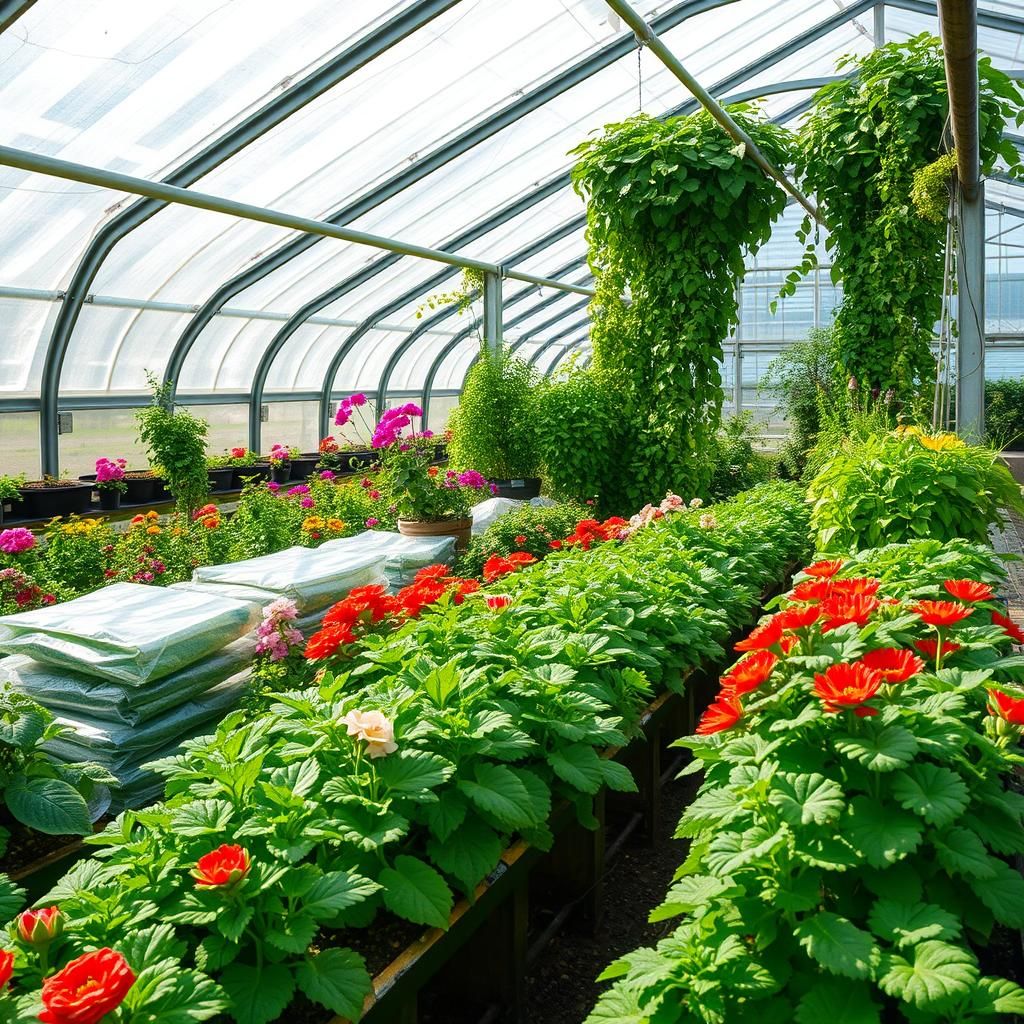
As the demand for sustainable food sources grows, the question of whether greenhouses can thrive in Canada becomes increasingly relevant. With its diverse climates and harsh winters, Canada presents unique challenges for year-round gardening. However, through innovative designs and technology, greenhouses can unlock significant potential for both amateur gardeners and commercial growers alike. This article explores the functionality of greenhouses in the Canadian context, examining their efficiency, benefits, and the strategies necessary to maximize yield throughout the year. Join us as we delve into the possibilities of greenhouses and their role in transforming Canadian gardening practices.
Do Greenhouses Work in Canada?
Greenhouses in Canada can be quite effective, especially given the country's cold climate and short growing seasons. They provide a controlled environment that can significantly extend the growing season for a variety of crops, allowing for the cultivation of plants that would otherwise struggle in the harsh Canadian winters. By utilizing heating systems, insulation techniques, and sometimes even solar power, greenhouse operators can maintain optimal temperatures and humidity levels, fostering an ideal space for plant growth. Furthermore, modern technologies such as automated climate control and LED grow lights have made greenhouses more efficient and cost-effective, allowing farmers in Canada to maximize their yields and diversify their produce.
Benefits of Using Greenhouses in Canada
Greenhouses offer numerous benefits for Canadian agriculture, including protection from inclement weather, pests, and diseases. This protection allows growers to produce high-value crops, such as vegetables, fruits, and flowers, year-round. Additionally, greenhouses can improve water efficiency through drip irrigation systems that reduce waste, thereby making them a more sustainable option. The controlled environment also allows for better crop management, leading to enhanced growth rates and higher quality produce.
Types of Greenhouses Suitable for Canadian Climate
In Canada, several types of greenhouses are particularly adapted to withstand local conditions. Common styles include the gable roof, hoop house, and gable-end designs, all of which are constructed with durable materials to endure snow loads and wind pressures. Additionally, passive solar greenhouses are gaining popularity as they harness the sun's energy for heating, reducing operating costs. The choice of greenhouse largely depends on factors such as budget, location, and the type of crops being cultivated.
Challenges Faced by Greenhouse Operators
While greenhouses can be highly effective, they also present challenges for operators in Canada. The initial investment can be substantial, including costs for materials, land, and operational systems. Additionally, maintaining the ideal growing conditions can be energy-intensive, particularly during the long and harsh winters, increasing operational costs. Furthermore, greenhouse operators face potential issues related to ventilation, humidity control, and managing pest populations, which require continuous attention and adaptation of strategies.
Common Crops Grown in Canadian Greenhouses
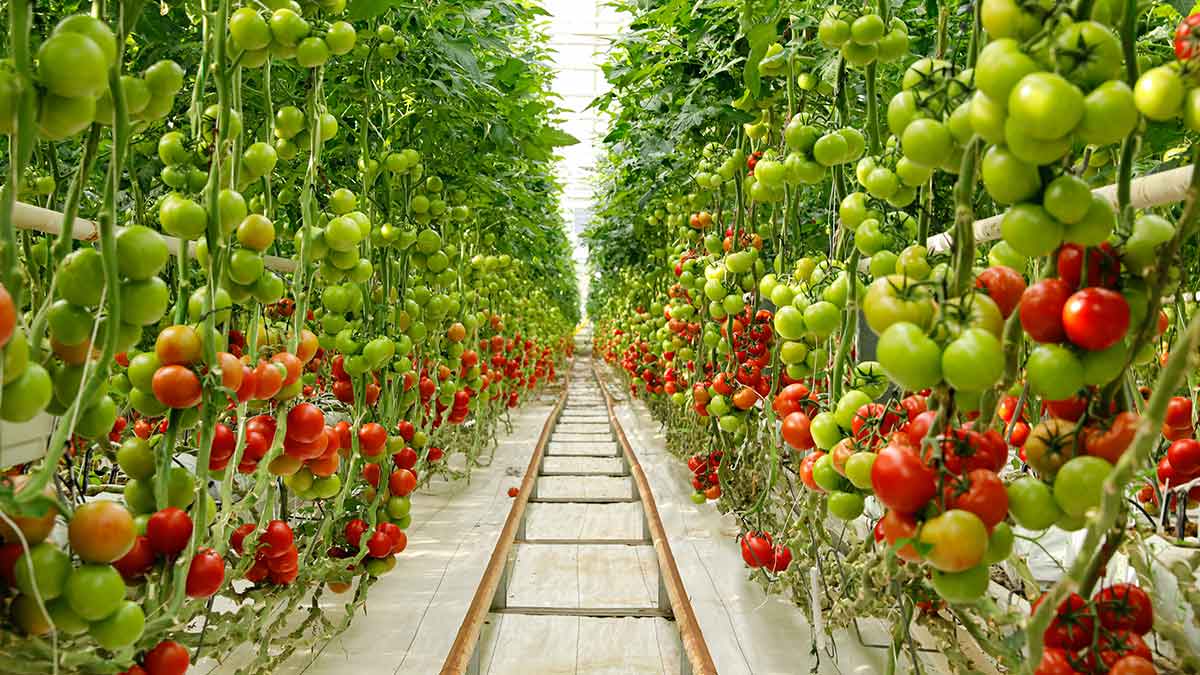
A variety of crops are successfully cultivated in Canadian greenhouses, commonly including tomatoes, cucumbers, peppers, and herbs. These high-demand crops not only thrive in controlled environments but are also well-suited to the preferences of consumers seeking fresh produce year-round. Greenhouses also allow for the cultivation of non-traditional crops, such as tropical fruits and exotic plants, which increases market diversity and provides opportunities for innovative agricultural practices.
The Future of Greenhouses in Canadian Agriculture
The future of greenhouses in Canadian agriculture looks promising, with advancements in technology and sustainable practices driving growth. Innovations such as hydroponics, aeroponics, and vertical farming are becoming more prevalent, allowing for increased productivity in smaller spaces. Moreover, as consumers become more environmentally conscious, the demand for locally grown produce is likely to rise significantly. This trend is pushing greenhouse operators to adopt practices that not only produce food efficiently but also minimize their ecological footprint.
| Key Factors | Details |
|---|---|
| Climate Control | Maintaining optimal temperatures and humidity for plant growth. |
| Crops | Tomatoes, cucumbers, peppers, herbs, and other high-value produces. |
| Investment | Initial costs can be substantial, requiring proper budgeting. |
| Sustainability | Technological advancements promote energy-efficient practices. |
| Market Demand | Increasing preference for locally grown produce among consumers. |
Do greenhouses work in cold climates?
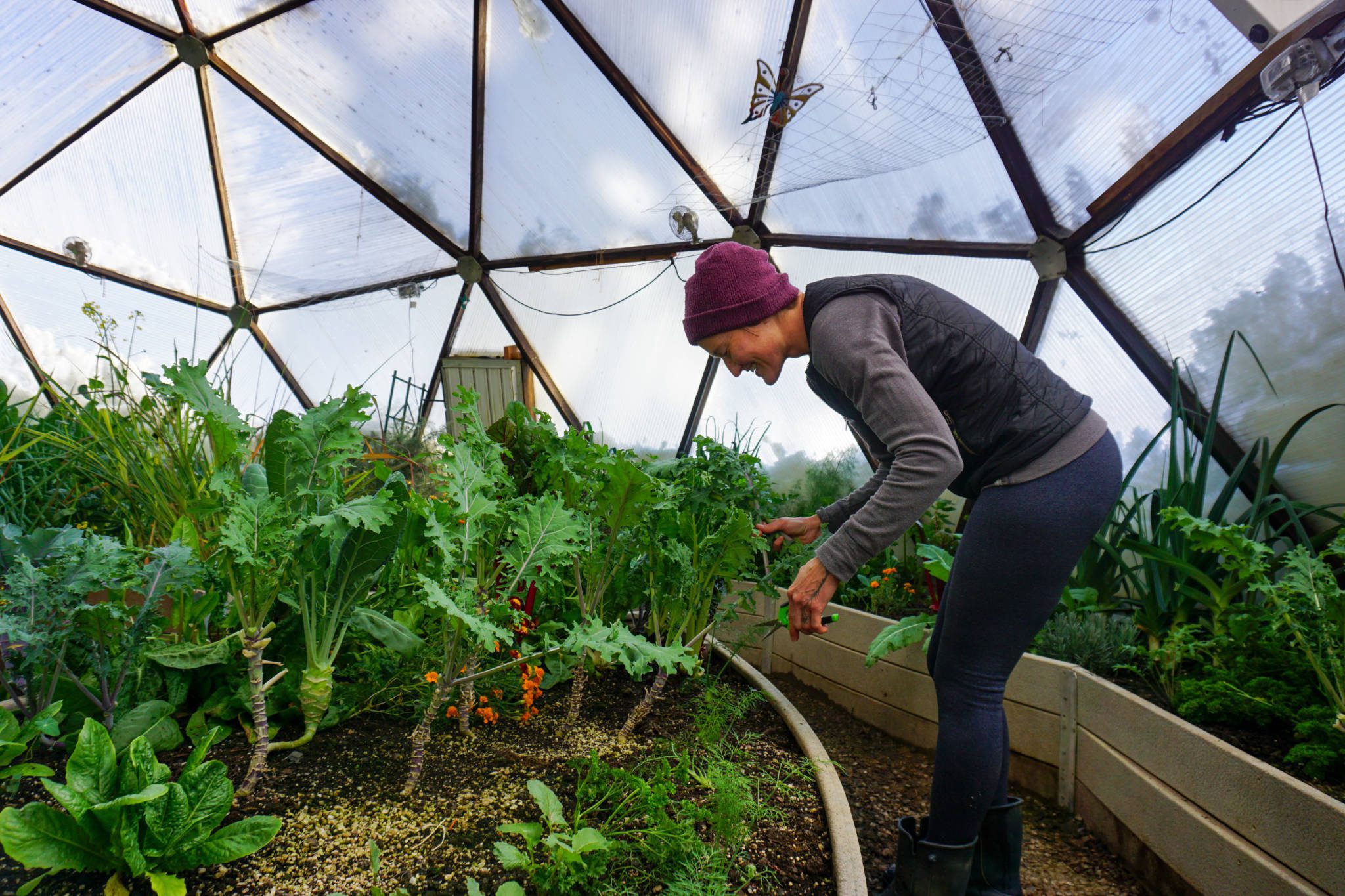
Greenhouses can indeed be effective in cold climates, serving as an excellent way to extend the growing season and protect plants from harsh environmental conditions. By utilizing specific designs and techniques, greenhouses can maintain a warmer internal environment compared to the external temperature.
How Do Greenhouses Maintain Heat?
Greenhouses are built using materials that allow sunlight to penetrate while trapping heat inside. This phenomenon, known as the greenhouse effect, helps to create a warmer microclimate for plants.
- Glazing Materials: The choice of glazing material, such as glass or polycarbonate, significantly affects heat retention.
- Insulation: Proper insulation, especially during colder months, can help maintain temperatures within the greenhouse.
- Ventilation: Managing ventilation strategically allows for better control of temperature while preventing overheating during sunny days.
Types of Greenhouses for Cold Climates
There are various designs suited specifically for cold climates. These include models that prioritize heat retention and efficient use of resources.
- Dome-Shaped Structures: These promote optimal heat distribution and wind resistance.
- High Tunnels: These are easily assembled structures that can provide significant warmth for crops.
- Cold Frame Greenhouses: Low-profile and often unheated, they offer passive heat in sunny conditions.
Heating Solutions for Cold-Climate Greenhouses
While the natural heat from sunlight is essential, additional heating solutions may be necessary to keep temperatures optimal during the coldest months.
See also:
- Electric Heaters: These can provide consistent warmth but may increase energy costs.
- Gas Heaters: A more cost-effective option for larger structures, offering efficient heat but requiring proper ventilation.
- Passive Solar Heating: Utilizing solar energy through thermal mass materials to retain heat is an environmentally friendly solution.
Crop Selection for Cold Greenhouses
Selecting the right crops is essential for successful gardening in a cold greenhouse environment. Certain plants thrive under these conditions, allowing for extended growing seasons.
- Cold-Hardy Vegetables: Plants such as kale, spinach, and certain root vegetables can survive and even flourish in lower temperatures.
- Herbs: Many herbs like parsley and cilantro are well-suited for cooler climates.
- Annual Flowers: Some flowering plants can be grown early in the season as they tolerate frost.
Benefits of Greenhouses in Cold Climates
Utilizing greenhouses in cold climates comes with numerous benefits that can significantly enhance gardening efforts.
- Extended Growing Season: Greenhouses enable gardeners to start growing earlier in the spring and extend into the fall.
- Protection from Frost: Plants inside greenhouses are shielded from unexpected frost, enhancing survival rates.
- Increased Variety: The ability to grow a wider range of plants that might not survive outdoor conditions increases biodiversity and harvest options.
How to heat a greenhouse in winter in Canada?

To effectively heat a greenhouse in winter in Canada, various methods can be employed to ensure that plants remain healthy despite the cold temperatures outside. The strategies range from using simple passive solar heating techniques to installing more complex heating systems.
Passive Solar Heating
Passive solar heating leverages the natural warmth of the sun to maintain optimal temperatures within a greenhouse. This involves:
- Orientation: Position the greenhouse to maximize sunlight exposure, typically facing south.
- Insulation: Use materials like double-walled polycarbonate to improve heat retention.
- Thermal Mass: Incorporate materials such as water barrels or concrete that absorb heat during the day and release it at night.
Heating Systems
Implementing active heating systems can significantly raise temperatures in the greenhouse. The most common systems include:
- Electric Heaters: Easy to install and efficient but may increase energy costs.
- Gas Heaters: More economical for larger greenhouses, providing consistent heat.
- Hot Water Heating: A system that circulates heated water through pipes for even temperature distribution.
Utilizing Heat Retention Techniques
To maximize heat retention within a greenhouse, specific techniques can be employed:
- Covering: Utilize thermal blankets during the night to minimize heat loss.
- Double Glazing: Install double-pane glass or plastic to create an insulating layer.
- Sealing Cracks: Regularly inspect and caulk any gaps or leaks to enhance heat retention.
Choosing the Right Plants
Selecting hardy plants that thrive in cooler temperatures is essential for winter success. Consider:
- Cold Tolerant Varieties: Grow vegetables like kale, spinach, and certain herbs.
- Perennials: Many perennial plants can withstand colder climates with appropriate protection.
- Local Adaptations: Utilize plant varieties that have adapted to local climate conditions for better resilience.
Supplementary Lighting
In winter months, days are shorter, which can hinder plant growth. Supplementary lighting can help:
- LED Grow Lights: Efficient and provide the necessary spectrum for plant growth.
- Timing: Use timers to extend light exposure during critical growth periods.
- Placement: Position lights to ensure even distribution throughout the greenhouse.
Are greenhouses profitable in Canada?
1. Climate Considerations
The profitability of greenhouses in Canada largely hinges on climatic factors. Canada’s diverse climates can greatly influence which types of crops can be successfully grown and the costs associated with heating and light. In many regions, particularly those with harsher winters, the cost of maintaining optimal temperatures becomes significant. Key climate-related factors include:
- Heating Costs: Maintaining warmth during the winter months can be expensive.
- Light Availability: Daylight hours can vary, affecting photosynthesis and crop growth.
- Season Extension: Greenhouses allow for growing during off-season periods, increasing potential profitability.
2. Startup Costs and Investment
The initial investment required to set up a greenhouse can be substantial and impacts overall profitability. Costs include construction, equipment, seed stock, and operational expenses. However, financial planning and government incentives can mitigate upfront costs. Important financial components include:
See also:
- Capital Investment: Building a greenhouse requires significant capital, especially for modern, automated systems.
- Operating Expenses: Ongoing costs for labor, utilities, and maintenance play a major role in profitability.
- Funding Opportunities: Various grants and programs may assist new greenhouse operators financially.
3. Crop Selection and Market Demand
The choice of crops significantly influences the profitability of greenhouses. Selecting high-demand, high-value crops can lead to greater financial returns. Successful operators often consider:
- High-Value Crops: Specialty crops such as orchids, tomatoes, or herbs may yield better profit margins.
- Market Research: Understanding consumer preferences helps to align production with market demand.
- Diversification: Growing a variety of crops can hedge against market fluctuations and crop failures.
4. Technological Advancements
Investing in modern agricultural technology can significantly enhance greenhouse profitability. Innovations can lead to increased efficiency, reduced costs, and improved crop yields. Considerations include:
- Automation: Automated systems for watering, lighting, and climate control can reduce labor costs.
- Hydroponics and Aquaponics: Alternative growing methods can optimize resource use.
- Sensors and Data Analysis: Utilizing data for monitoring environmental conditions can enhance crop management practices.
5. Regulatory and Environmental Considerations
Navigating the regulatory environment is crucial for greenhouse operators in Canada. Compliance with local zoning laws, health regulations, and environmental policies can impact operations and costs. Important aspects include:
- Permit Requirements: Understanding zoning restrictions and obtaining necessary permits can be a challenge.
- Sustainability Practices: Implementing environmentally friendly practices may reduce operational costs and appeal to consumers.
- Compliance Costs: Adhering to regulations can incur additional costs but might also offer access to certain markets and funding.
Do greenhouses work in hot climates?

Greenhouses can indeed be effective in hot climates, but their design and management must be carefully considered to ensure optimal conditions for plant growth. Hot climates present unique challenges, including excessive heat, high humidity, and intense sunlight. Properly designed greenhouses can mitigate these issues, providing a controlled environment that can enhance plant health and productivity.
Design Considerations for Hot Climates
In a hot climate, the design of a greenhouse should focus on minimizing heat accumulation while maximizing ventilation. Key elements include:
- Material Selection: Use materials that reflect sunlight and have insulating properties.
- Ventilation Systems: Incorporating roof vents and sidewall openings to promote cross-ventilation.
- Shade Structures: Adding shade cloth or external shading to reduce direct sunlight exposure.
Cooling Techniques for Greenhouses
Several cooling techniques can be employed to maintain a suitable temperature inside greenhouses located in hot climates. These include:
- Evaporative Cooling: Utilizing water to cool the air through evaporation.
- Fans: Installing exhaust fans to help circulate air and reduce humidity levels.
- Water Features: Incorporating ponds or misters can increase humidity without raising temperature excessively.
Choosing the Right Plants
Selecting plants that thrive in high temperatures is crucial for the success of a greenhouse in hot climates. Recommended strategies include:
- Heat-Tolerant Varieties: Choosing plants that are known for their ability to withstand high temperatures.
- Native Plants: Opting for local flora that is adapted to regional climate conditions.
- Succession Planting: Planting in stages to ensure a continuous harvest while managing plant stress.
Water Management Strategies
Effective water management is vital in greenhouses in hot climates due to evaporation and plant transpiration. Consider implementing:
- Drip Irrigation: Reducing water waste by delivering water directly to the plant roots.
- Rainwater Harvesting: Collecting rainwater for irrigation reduces dependence on conventional water sources.
- Soil Moisture Sensors: Utilizing sensors to monitor soil moisture levels and optimize watering schedules.
Maintenance and Monitoring
Regular maintenance and monitoring of greenhouse conditions are essential to ensure a productive growing environment. Recommended practices include:
- Temperature Monitoring: Keeping track of internal temperatures using data loggers or thermostats.
- Pest Management: Regularly inspecting for pests that thrive in warm conditions.
- Cleaning and Maintenance: Ensuring that ventilation and cooling systems are clean and functioning properly.
Questions from Our Readers
Do greenhouses work in Canada?
Yes, greenhouses can be highly effective in Canada. They allow for controlled environments that can extend the growing season and protect plants from harsh winter weather. By utilizing insulation and supplemental heating, greenhouses help maintain optimal temperatures for plant growth even in colder regions.
What types of greenhouses are best for Canadian climates?
In Canadian climates, high-tunnel greenhouses and passive solar greenhouses are often the most effective. These designs maximize sunlight exposure and can be built with materials that provide good insulation. Choosing the right materials and orientation is crucial to withstand the cold winters and maximize solar gain.
See also:
Are there specific crops that grow well in Canadian greenhouses?
Yes, many crops thrive in Canadian greenhouses, particularly cold-hardy vegetables like lettuce, spinach, and kale. In addition, herbs and various fruits, such as tomatoes and cucumbers, can be successfully grown during the extended seasons that greenhouses provide, allowing for year-round cultivation.
How can I optimize my greenhouse for Canadian winters?
To optimize a greenhouse for Canadian winters, one should focus on insulation, heating, and ventilation. Utilizing thermal mass materials, like water barrels, can help store heat, while proper ventilation ensures moisture levels remain manageable. Additionally, using energy-efficient supplementary heating can keep the greenhouse warm during the coldest months.

If you want to read more articles like Do Greenhouses Work in Canada? Unlocking Their Potential for Year-Round Gardening, we recommend you check out our Garden category.
Leave a Reply
Related Articles