What Are the Negatives of a Greenhouse? Understanding the Drawbacks and Challenges
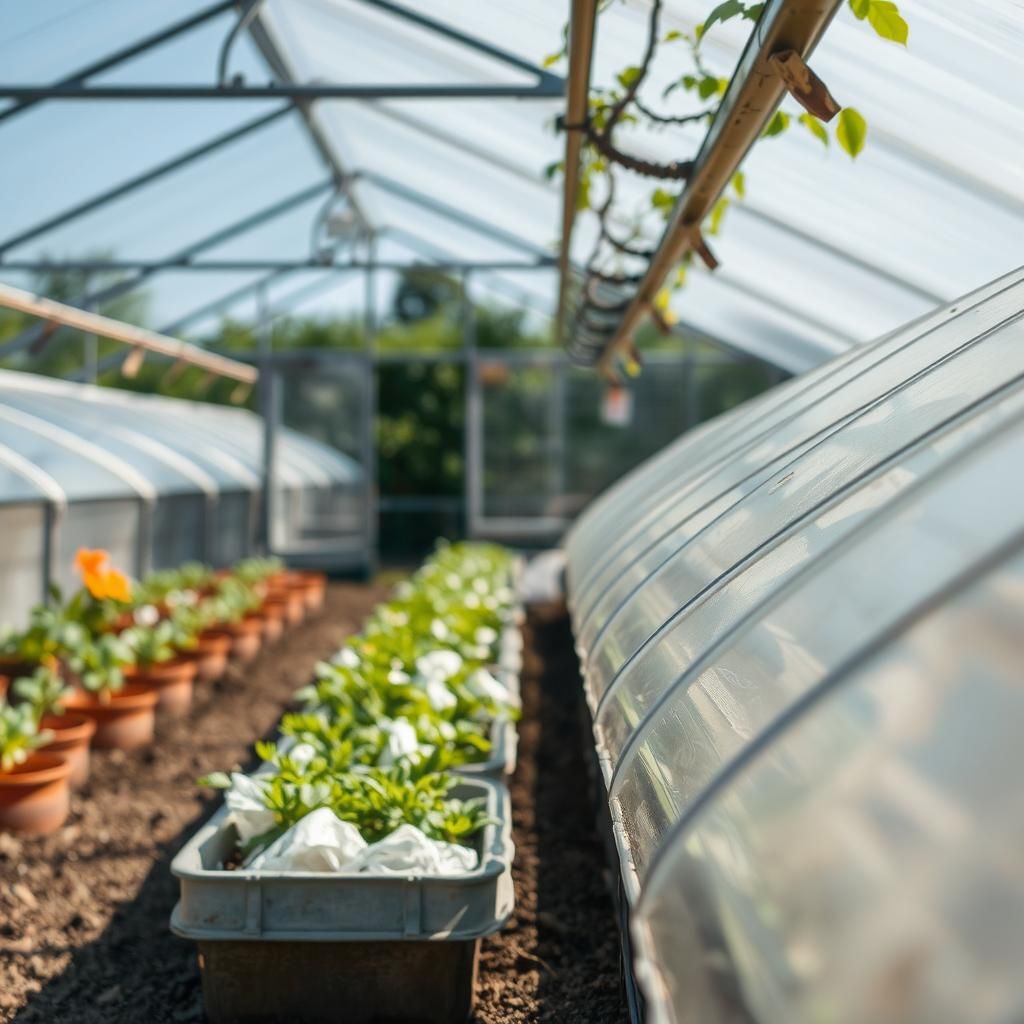
Greenhouses are often celebrated for their ability to extend growing seasons and enhance plant growth. However, beneath the surface of these controlled environments lie a variety of drawbacks and challenges that can impact efficiency and sustainability. This article will explore the less-discussed negatives of greenhouses, including high initial costs, maintenance challenges, environmental concerns, and the potential for pest and disease outbreaks. By examining these issues, we aim to provide a comprehensive understanding of the complexities involved in greenhouse gardening, ultimately helping prospective growers make informed decisions about their agricultural practices.
What Are the Negatives of a Greenhouse?
Greenhouses, while beneficial for extending growing seasons and providing controlled environments, also come with a range of negatives that growers must consider. One of the major drawbacks is the cost associated with building and maintaining a greenhouse, which can be prohibitive for many. This includes initial construction costs, ongoing maintenance expenses, and energy consumption for heating and cooling. Additionally, must manage issues such as overheating, which can lead to plant stress if not properly ventilated. There is also the challenge of potential pest and disease outbreaks, as the enclosed environment can foster the rapid spread of infestations. Lastly, managing water resources can be problematic; while greenhouses allow for controlled irrigation, they can also lead to water wastage and complications in drainage systems.
High Initial Investment
The construction of a greenhouse often requires a substantial upfront investment that can be daunting for many gardeners or farmers. These costs can include materials for the structure, such as glass or polycarbonate panels, as well as systems for ventilation, heating, and cooling. Moreover, if advanced technologies are incorporated, such as automated climate control, the expenses can escalate further. This initial financial burden might deter potential users from utilizing this effective agricultural tool.
Energy Consumption
A significant negative aspect of operating a greenhouse is the energy consumption associated with maintaining optimal growing conditions. Depending on the climate, substantial energy may be required for heating in the winter months or cooling during the summer. These energy demands can lead to high utility bills, and if the energy comes from non-renewable sources, there may be additional environmental impacts. Managing energy efficiency becomes crucial to mitigate these effects.
Pest and Disease Management
While greenhouses can protect plants from many outdoor threats, they are not immune to pests and diseases that thrive in controlled environments. The lack of natural predators can lead to a rapid increase in damaging insects and pathogens, requiring growers to invest time and resources in management strategies. This may include the use of chemical pesticides, which can pose health risks and potentially harm beneficial organisms. Therefore, maintaining a healthy greenhouse ecosystem demands vigilant monitoring and intervention.
Overheating Risks
One frequent concern in greenhouse management is the potential for overheating. During warm seasons, if not adequately ventilated, temperatures can soar, leading to plant stress or even death. This situation necessitates careful monitoring and potentially the installation of additional cooling systems, which can add to the complexity and cost of greenhouse management. Maintaining a balance between warmth for plant growth and preventing overheating is crucial.
Water Management Issues
Water management can also present challenges within greenhouse settings. While greenhouses allow for precise control of irrigation, these systems can sometimes lead to water wastage if not carefully monitored. Additionally, improper drainage can result in standing water, leading to root rot or other moisture-related problems. The need for efficient water management systems is essential to ensuring healthy plant growth and resource conservation.
| Negative Aspect | Description |
|---|---|
| High Initial Investment | Considerable upfront costs for construction and technology. |
| Energy Consumption | Substantial energy required for heating and cooling. |
| Pest and Disease Management | Increased risk of infestations requiring careful management. |
| Overheating Risks | High temperatures can stress or kill plants if unmonitored. |
| Water Management Issues | Challenges in irrigation and drainage can arise. |
What are the 5 disadvantages of the greenhouse effect?
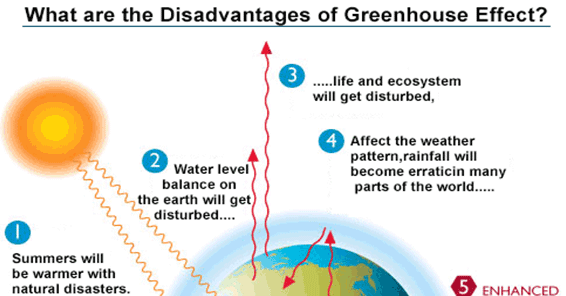
1. Climate Change
The greenhouse effect significantly contributes to climate change, which is characterized by rising temperatures and altered weather patterns. This phenomenon leads to several challenges:
- Increased frequency of extreme weather: More hurricanes, droughts, and floods are observed.
- Shifts in ecosystems: Wildlife and plant habitats are disrupted, often leading to loss of biodiversity.
- Disruption of agriculture: Changes in climate patterns negatively affect crop yields and food security.
2. Melting Ice Caps
The greenhouse effect causes global temperatures to rise, resulting in the melting of polar ice caps and glaciers. This has several significant consequences:
- Rising sea levels: Coastal cities face increased flooding risks as sea levels continue to rise.
- Habitat loss for Arctic species: Species such as polar bears and seals are losing their habitats and facing extinction.
- Disruption of ocean currents: Melting ice alters salinity and temperature, which can affect global weather patterns.
3. Ocean Acidification
Increased carbon dioxide emissions from human activities lead to more CO2 being absorbed by oceans, causing ocean acidification. This has detrimental effects:
- Coral reef degradation: Acidic waters weaken coral structures, jeopardizing marine biodiversity.
- Impact on marine life: Species such as shellfish struggle to form shells, affecting the entire marine food chain.
- Economic losses for fishing industries: Declines in fish populations can harm local economies reliant on fishing.
4. Health Risks
The greenhouse effect exacerbates air quality issues and leads to a rise in health-related problems. This impacts communities in various ways:
See also:
- Increased respiratory diseases: Poor air quality contributes to asthma and other lung issues.
- Heat-related illnesses: Rising temperatures increase the risk of heatstroke and dehydration.
- Vector-borne diseases: Warmer climates can expand the range of disease-carrying insects, leading to higher disease transmission rates.
5. Economic Costs
The adverse effects of the greenhouse effect have significant economic implications that are felt worldwide. These costs include:
- Damage to infrastructure: Extreme weather events and rising sea levels can destroy homes and public buildings.
- Increased disaster recovery costs: Governments face higher expenses in disaster response and recovery efforts.
- Loss of productivity: Climate-related issues can disrupt industries, leading to decreased economic output.
What is the problem with greenhouses?

The problem with greenhouses primarily involves environmental concerns, resource management, and economic viability. While greenhouses are designed to extend the growing season and provide a controlled environment for plants, they come with various challenges that can impact sustainability and agriculture.
Environmental Impact
Greenhouses can contribute to several environmental issues, including:
- Carbon Footprint: The materials used in greenhouse production, such as plastics and metals, often require significant energy and resources to manufacture.
- Energy Consumption: Maintaining optimal temperatures inside a greenhouse usually involves heating or cooling systems, which can lead to high energy usage and increased greenhouse gas emissions.
- Water Usage: Greenhouses often rely on irrigation systems, which can lead to over-extraction of local water sources and adversely affect surrounding ecosystems.
Resource Management
Effective management of resources is a significant issue faced by greenhouse operators:
- Nutrient Management: The need for fertilizers can lead to nutrient runoff, which may pollute local waterways and harm aquatic life.
- Pest and Disease Control: The closed environment encourages high pest pressures, necessitating the use of chemical pesticides that can have negative effects on health and biodiversity.
- Waste Generation: Greenhouses produce substantial amounts of organic and inorganic waste, requiring effective waste management strategies to avoid environmental degradation.
Economic Viability
The financial implications of operating a greenhouse can be daunting:
- High Initial Investment: The cost of setting up a greenhouse can be prohibitive, involving infrastructure, technology, and labor expenses.
- Operating Costs: Ongoing expenses such as energy, water, and inputs can significantly affect profitability, especially in regions with high energy prices.
- Market Competition: Greenhouse produce faces competition from cheaper, large-scale agricultural operations, making it challenging for small growers to compete.
Climate Change Vulnerability
Greenhouses are not immune to the effects of climate change, which can create numerous challenges:
- Extreme Weather Events: Increased frequency of storms, floods, and heatwaves can damage infrastructure and disrupt operations.
- Pest and Disease Pressure: Changes in climate can lead to new pest and disease threats that may not have been prevalent in the past.
- Water Scarcity: Altered precipitation patterns can impact water availability for irrigation, further complicating production efforts.
The societal impacts of greenhouse operations can be significant:
- Labor Conditions: Many greenhouses rely on seasonal workers, who may face exploitative labor practices and lack job security.
- Food Accessibility: While greenhouses increase the availability of certain crops, they can also skew local markets and make it harder for traditional farmers to compete.
- Community Relations: The presence of large greenhouse operations can lead to conflicts with local communities over land use and resource allocation.
What are the disadvantages of greenhouses?
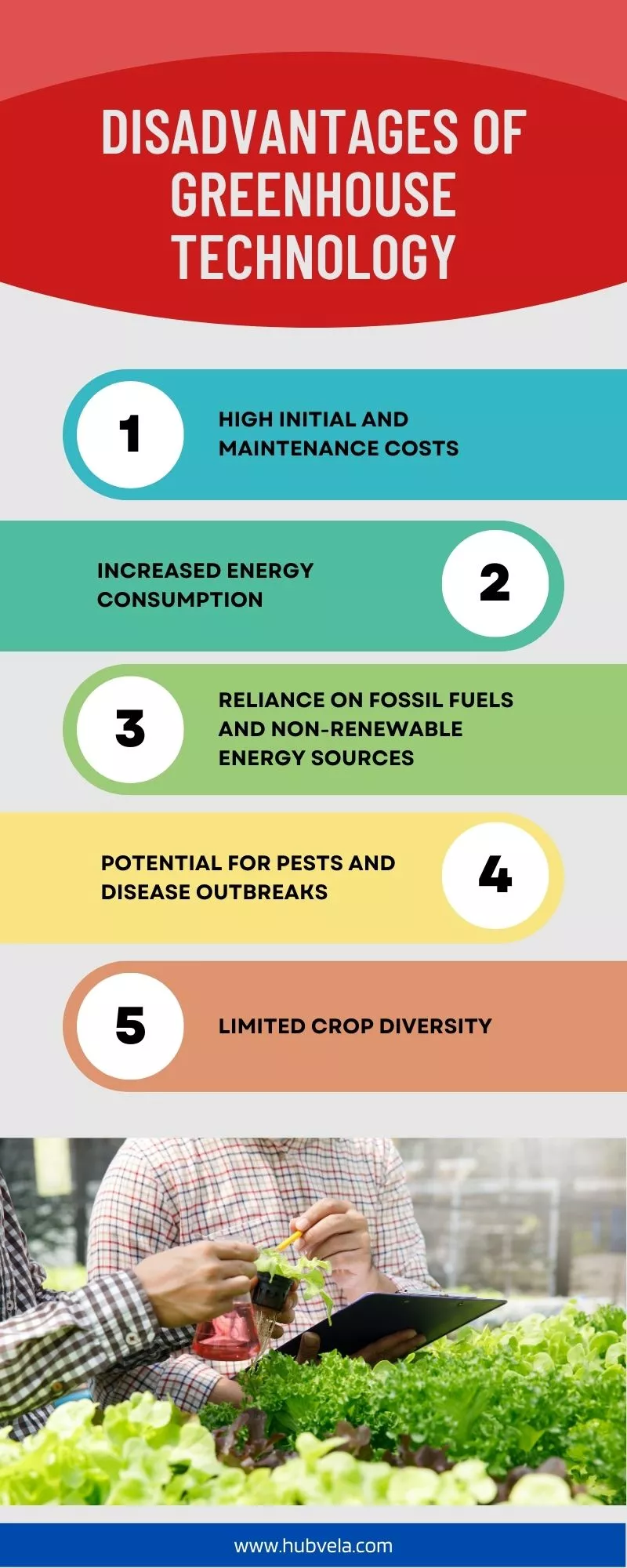
Greenhouses have gained popularity as a method for extending the growing season and protecting plants from adverse weather conditions. However, there are several disadvantages associated with their use that potential greenhouse owners should consider.
Initial Setup Costs
Building or purchasing a greenhouse can be a significant investment. The initial setup costs include not only the structure itself but also the necessary equipment and materials.
- Structure Material: Depending on the choice of materials, such as glass or polycarbonate, costs can escalate quickly.
- Heating and Cooling Systems: Proper climate control systems can add to initial expenses, especially if advanced technology is used.
- Site Preparation: Leveling the land and preparing the foundation can incur additional costs, particularly in areas with challenging terrain.
Maintenance and Repairs
Greenhouses require regular maintenance and sometimes costly repairs. This ongoing commitment can deter some potential users.
See also:
- Cleaning: Regular cleaning of the structure, especially glass panels, is necessary to ensure optimal light penetration.
- Wear and Tear: Over time, materials may degrade, leading to potential leaks or damages that need to be addressed.
- Pest Management: Maintaining a pest-free environment often requires preventative measures or treatment, adding to overall maintenance costs.
Temperature Control Issues
While greenhouses are designed to provide a controlled environment, maintaining the optimal temperature can be challenging.
- Overheating: In warmer climates, greenhouses can accumulate excessive heat, necessitating additional cooling systems.
- Insulation: Poorly insulated greenhouses may lead to sudden temperature swings, affecting plant health.
- Energy Costs: Running heating and cooling systems can result in high energy bills, especially in extreme weather conditions.
Limited Plant Variety
Due to their controlled environment, greenhouses can sometimes restrict which plants can be effectively grown.
- Climate Preferences: Some plants may not adapt well to the humid conditions often found in greenhouses, potentially stunting growth.
- Pollination Challenges: Certain plants may require specific pollinators, which may not be present in a closed environment.
- Space Constraints: The size and design of a greenhouse may limit the number of different species that can be cultivated simultaneously.
Dependency on Technology
Greenhouses often rely on various forms of technology for climate control, irrigation, and monitoring, creating a dependency that can be a disadvantage.
- System Failures: Equipment malfunctions, such as heating or irrigation systems breaking down, can lead to rapid plant loss.
- Technical Know-How: Users must possess or acquire skills related to operating and troubleshooting technology.
- Increased Operational Costs: Maintaining and updating technology can increase the overall cost of greenhouse management.
Do plants grow better in a greenhouse or outside?
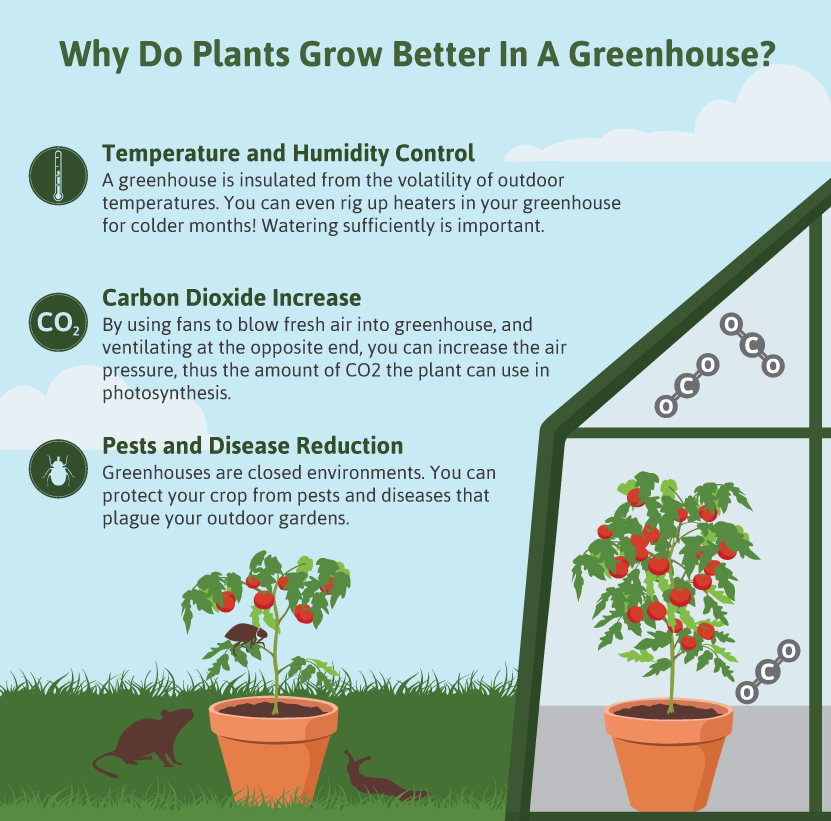
The debate on whether plants grow better in a greenhouse or outside depends on various factors including climate, plant types, and growing conditions. Generally, greenhouses provide controlled environments that can favor consistent plant growth, while outdoor conditions can be more variable.
Advantages of Greenhouses
Greenhouses offer several advantages that can significantly enhance plant growth. These include:
- Controlled Environment: Greenhouses allow for regulation of temperature, humidity, and light, creating optimal growth conditions.
- Pest and Disease Management: Enclosed spaces minimize the risk of pest infestations and disease outbreaks, protecting crops.
- Extended Growing Season: By maintaining warmer temperatures, greenhouses enable year-round cultivation of plants that might not thrive outdoors.
Challenges of Growing in Greenhouses
While greenhouses provide a controlled environment, they also present specific challenges that can affect plant growth:
- Cost: The initial investment for constructing a greenhouse can be high, and ongoing maintenance costs should be considered.
- Temperature Fluctuations: Without proper ventilation and cooling systems, greenhouses can overheat, which may stress plants.
- Dependency on Technology: Many greenhouse operations require technology for monitoring and control, which can fail or malfunction.
Benefits of Outdoor Growing
Growing plants outdoors has its unique advantages that differ from greenhouse environments:
- Natural Ecosystem: Outdoor plants benefit from a balanced ecosystem, which can include beneficial insects and natural pollinators.
- Cost-Effectiveness: There’s no need for the expensive infrastructure of a greenhouse, making outdoor gardening more accessible.
- Sunlight Exposure: Outdoor plants generally have access to unlimited natural sunlight, which can be vital for photosynthesis.
Disadvantages of Outdoor Conditions
Outdoor growing also comes with challenges that can impact plant health and growth:
- Weather Variability: Unpredictable weather—such as storms, frost, or droughts—can adversely affect plant health.
- Pests and Diseases: Outdoor plants are more vulnerable to pests and diseases due to exposure to the wild environment.
- Soil Quality: Not all outdoor locations have optimal soil conditions, which can limit growth if amendments are not made.
Plant Types and Their Needs
The choice between greenhouse and outdoor growth can also depend on the specific needs of the plants being cultivated:
- Tropical Plants: Often thrive in greenhouse conditions where temperature and humidity can be controlled.
- Hardy Vegetables: Many can tolerate outdoor conditions and may even prefer the natural climate variations.
- Floral Varieties: Some flowers adapt well to greenhouses, while others flourish in open gardens with natural pollination.
Questions from Our Readers
What are the environmental downsides of a greenhouse?
The environmental downsides of a greenhouse can include increased energy consumption due to heating and cooling needs, which may contribute to higher carbon emissions. Additionally, improper management can lead to water wastage and pollution from fertilizers and pesticides, negatively impacting local ecosystems.
What are the financial drawbacks of maintaining a greenhouse?
Maintaining a greenhouse can involve significant costs, such as initial construction expenses, ongoing utility bills, and regular maintenance fees. These financial drawbacks can be exacerbated by seasonal fluctuations in crop yields and potential pest infestations, which may reduce profit margins.
See also:
Can a greenhouse contribute to pest and disease problems?
Yes, a greenhouse can indeed contribute to pest and disease problems due to the enclosed environment, which may facilitate the rapid spread of pests and diseases among plants. This increased risk can make it challenging to maintain plant health and may require additional pest management strategies, increasing labor and costs.
How do greenhouses impact local biodiversity?
Greenhouses can impact local biodiversity by creating monocultures, where a single crop type is grown extensively, thus reducing the variety of local plant life. This can lead to a decline in pollinator populations and other beneficial organisms, ultimately disrupting the ecosystem balance and reducing overall biodiversity in the area.

If you want to read more articles like What Are the Negatives of a Greenhouse? Understanding the Drawbacks and Challenges, we recommend you check out our Garden category.
Leave a Reply
Related Articles