Can You Keep Plants in a Greenhouse All Summer? Tips for Successful Gardening

Summer gardening can be a rewarding experience, especially when utilizing a greenhouse. A greenhouse provides a controlled environment that can enhance plant growth, allowing gardeners to extend their growing season and protect their plants from pests and extreme weather. However, many new gardeners wonder if it's feasible to keep their plants in a greenhouse throughout the summer months. This article will explore the benefits of summer greenhouse gardening, along with essential tips and best practices to ensure your plants thrive in this unique environment. From temperature management to watering techniques, discover how to make the most of your summer gardening experience.
Can You Keep Plants in a Greenhouse All Summer?
Yes, you can keep plants in a greenhouse all summer, providing an ideal environment for growth and protection from harsh weather. A greenhouse creates a controlled atmosphere where temperature, humidity, and light can be regulated, allowing plants to thrive regardless of external conditions. However, it is crucial to consider factors such as ventilation, watering, and the specific needs of the plants you are cultivating. Proper management will ensure that your plants receive adequate nutrients and prevent overheating, promoting healthy growth throughout the summer months.
Benefits of Keeping Plants in a Greenhouse
Keeping plants in a greenhouse during the summer offers several benefits, including extended growing seasons, protection from pests and diseases, and enhanced control over environmental conditions. The greenhouse environment shields plants from extreme temperatures, excessive rainfall, and direct sunlight, which can be detrimental to growth. Furthermore, gardeners can experiment with various plant species and varieties that might otherwise struggle in the local climate, leading to a more diverse and fruitful harvest.
Temperature Management Techniques
Effective temperature management is vital for the health of plants in a greenhouse during the summer. To prevent overheating, consider using shade cloths, reflective surfaces, or ventilation systems that promote airflow. Employing a combination of natural and mechanical ventilation strategies can help regulate temperatures effectively. Additionally, using fans and evaporative cooling systems can maintain a suitable environment for heat-sensitive plants, ensuring optimal growth conditions without the risk of heat stress.
Watering Needs for Summer Plants
During the summer, the watering needs of plants in a greenhouse may increase due to higher temperatures and increased evaporation rates. It is essential to monitor the moisture levels in the soil and adjust your watering schedule accordingly. Implementing a drip irrigation system or using moisture sensors can help automate and optimize water application, ensuring plants receive adequate hydration without overwatering. Consider mulching to retain moisture and reduce the frequency of watering as well.
Choosing the Right Plants for Summer Growth
Selecting the right plants for summer growth in a greenhouse is crucial for success. Opt for heat-tolerant varieties that thrive in warm conditions, such as tomatoes, peppers, and cucumbers. Herbs like basil and oregano also flourish in the summer months within a greenhouse. Researching the specific needs of each plant, such as light requirements and growth habits, will help you create a thriving summer garden tailored to your greenhouse environment.
Maintaining Air Quality in the Greenhouse
Maintaining good air quality in the greenhouse is essential for plant health, especially in summer when humidity levels can rise. Proper ventilation allows for the exchange of stale air with fresh air, preventing the buildup of harmful gases and reducing the risk of fungal diseases. Incorporating fans and ventilation systems, as well as regularly inspecting and cleaning the space, can promote a healthy atmosphere, ensuring plants receive sufficient carbon dioxide for photosynthesis and overall growth.
| Aspect | Considerations |
|---|---|
| Temperature | Use shade, ventilation, and cooling systems. |
| Watering | Monitor soil moisture; consider drip irrigation. |
| Plant Selection | Choose heat-tolerant and summer-friendly species. |
| Air Quality | Ensure proper ventilation and airflow. |
| Fertilization | Provide appropriate nutrients for summer growth. |
How hot is too hot for plants in a greenhouse?

The temperature inside a greenhouse can significantly affect the growth and health of plants. While the optimal temperature range varies depending on the type of plants being cultivated, generally, temperatures exceeding 85°F (29°C) can be considered too hot for many plant species. Extreme heat can lead to various issues such as wilting, leaf scorch, and stunted growth. Moreover, prolonged exposure to high temperatures can stress plants, making them more susceptible to diseases and pests.
Monitoring the temperature and ensuring proper ventilation, shading, or cooling systems is crucial to maintain a suitable environment for plants in a greenhouse.
Understanding Plant Temperature Tolerance
Understanding the specific temperature tolerance of different plants is essential in greenhouse management. Typically, plants have an ideal temperature range in which they thrive. Exceeding this range can cause:
See also:
- Heat Stress: Plants may exhibit symptoms such as wilting and leaf curling.
- Impaired Growth: Growth can become stunted or slowed down considerably.
- Impact on Photosynthesis: High temperatures can inhibit photosynthesis, reducing plant vitality.
Signs of Heat Stress in Plants
Recognizing the signs of heat stress in plants is crucial for timely intervention. Symptoms include:
- Wilting: Leaves may droop, signaling a lack of water uptake.
- Leaf Scorch: Leaves may develop brown edges or tips due to excessive heat.
- Color Changes: Foliage may change to a lighter color or develop spots indicating stress.
Cooling Methods for Greenhouses
Implementing effective cooling methods can help maintain an optimal temperature inside the greenhouse. Some successful strategies include:
- Ventilation: Opening vents or windows can improve air circulation and reduce temperature.
- Shade Cloth: Using shading materials can block direct sunlight and lower greenhouse temperatures.
- Evaporative Cooling: Installing a misting system can reduce temperatures through evaporation.
Impact of Humidity on Temperature
Humidity levels also play a significant role in how temperature affects plants. High humidity combined with high temperatures can lead to:
- Disease Development: Increased moisture in the air can foster fungal diseases.
- Pest Infestation: Warm, humid conditions can attract pests like aphids and spider mites.
- Reduced Plant Respiration: High humidity can limit the plants' ability to respire efficiently.
Choosing the Right Plants for a Greenhouse
Selecting the appropriate plants for the greenhouse environment is crucial for successful cultivation. Considerations include:
- Heat Tolerance: Opt for species known to thrive in warmer conditions.
- Growth Rate: Fast-growing plants can adapt more easily to fluctuating conditions.
- Varietal Selection: Choose varieties that are bred specifically for greenhouse environments.
Can you use a greenhouse in the summertime?
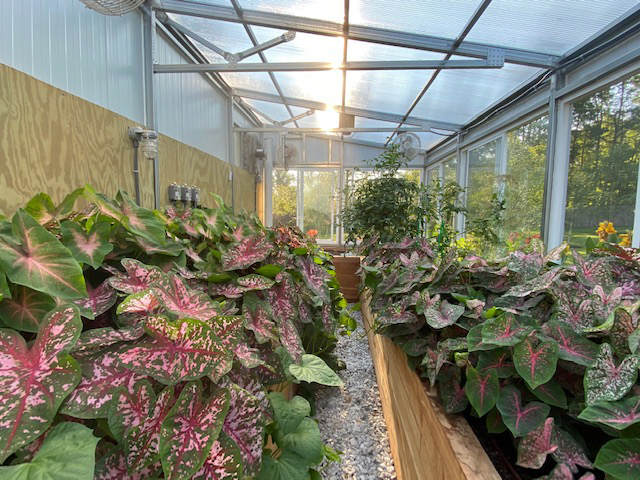
Yes, you can use a greenhouse in the summertime, and it can be quite beneficial for various gardening activities. However, managing the conditions within the greenhouse is crucial due to the high temperatures that can occur during the summer months. Here’s a detailed look at how to effectively utilize a greenhouse in the summertime.
Benefits of Using a Greenhouse in Summer
A greenhouse provides an ideal controlled environment for growing plants during the summer. Some of the key benefits include:
- Protection from pests: A greenhouse helps to keep out insects and other pests that can harm plants.
- Extended growing season: You can start early and extend the growing season by using the greenhouse.
- Controlled environment: It allows you to control humidity, temperature, and light levels, ensuring optimal growth conditions.
Managing Temperature in a Greenhouse
During summer, the risk of overheating in a greenhouse increases. Here are some tips for managing temperature:
- Ventilation: Open vents and windows to allow hot air to escape and cool air to enter the greenhouse.
- Shade cloths: Use shade cloths to reduce direct sunlight exposure, which helps lower the internal temperature.
- Watering: Regularly water plants and the greenhouse floor to maintain humidity levels and cool the air.
Cooling Techniques for Summer Use
Implementing cooling techniques is essential for maintaining a pleasant environment for plants. Consider these methods:
- Fans: Install electric fans or small exhaust fans to circulate air and reduce heat.
- Evaporative cooling: Utilize misters or water features, which can help cool the air through evaporation.
- Insulation: Apply thermal screens or reflective materials to reduce heat absorption during peak sunlight hours.
Choosing the Right Plants for Summer Greenhouse
Selecting appropriate plants for summertime growth is crucial. Here are some ideal options:
- Heat-tolerant vegetables: Consider growing peppers, tomatoes, and cucumbers, which thrive in warmer temperatures.
- Herbs: Basil, oregano, and thyme are summer-friendly herbs that grow well in a greenhouse setting.
- Flowers: Annual flowers such as zinnias and marigolds can add beauty and attract beneficial pollinators.
Potential Issues in a Summer Greenhouse
While using a greenhouse in summer has its advantages, there can also be challenges. It's important to be aware of potential issues:
See also:
- Pest infestations: Warmer weather can lead to increased pest activity, so regular monitoring and preventive measures are necessary.
- Plant stress: High temperatures can stress plants, leading to wilting or even death if not managed properly.
- Watering needs: Plants may require more frequent watering, and lack of moisture can quickly lead to problems.
Should you open your greenhouse every day?
.jpg)
Opening your greenhouse daily can depend on several factors, including the specific needs of your plants, the climate in your area, and the time of year. A greenhouse is designed to create a controlled environment, which helps in growing various plants that might be sensitive to temperature and humidity fluctuations. Here are some considerations to determine if daily opening is necessary:
- Temperature Regulation: Greenhouses can heat up quickly during the day, especially in the summer. If the internal temperature exceeds 75°F (24°C), it's essential to ventilate. Daily opening can help maintain optimal temperatures, especially if the outside temperature is lower.
- Humidity Control: Excess moisture can lead to mold and mildew. Daily opening helps reduce humidity levels by allowing fresh air to circulate and moisture to escape. If you notice condensation, it might be beneficial to open up regularly.
- Pollination Needs: Some plants benefit from cross-pollination facilitated by wind or insects. Opening the greenhouse allows for better airflow and access for pollinators, improving the yield of fruit-bearing plants.
- Pest Management: Ventilating your greenhouse can help deter pests, as many insects prefer stagnant air. Regularly opening the structure may help keep pest populations in check by encouraging natural predators to enter.
- Seasonal Considerations: During colder months, daily opening may not be necessary. Instead, monitoring the temperature and humidity becomes more critical. Adjust your routine based on seasonal changes to ensure plant health.
Benefits of Daily Ventilation
Daily ventilation of a greenhouse offers numerous advantages that promote plant health. By allowing fresh air in, you can help control both temperature and humidity levels.
- Improved Airflow: Fresh air circulation helps prevent stagnation, which can harbor diseases.
- Optimal Growing Conditions: Regularly opening your greenhouse can help maintain a temperature range suitable for the specific types of plants you are nurturing.
- Enhanced Plant Growth: Exposure to fresh air and light boosts the growth of plants by supplying essential carbon dioxide needed for photosynthesis.
Factors Influencing Daily Opening
Several factors can influence the need to open your greenhouse daily, including climate, plant type, and personal preferences. Assessing these aspects can result in the best practices for your greenhouse operations.
- Climate Conditions: In hotter climates, daily opening may be vital, while in cooler regions, it may be less frequent.
- Type of Plants: Certain plants thrive in higher humidity; others may require drier conditions. Tailor your opening schedule based on plant needs.
- Personal Schedule: Consider your availability and ease of access, as opening and closing the greenhouse daily can be time-consuming.
Timing for Opening Your Greenhouse
Choosing the right time to open your greenhouse is essential for maximizing its benefits. The timing can greatly affect the results you see in your plants.
- Morning Hours: Opening the greenhouse in the morning allows the plants to acclimate gradually to outside conditions.
- Afternoon Ventilation: On particularly hot days, consider a second venting in the afternoon to cool things down.
- Closed During Nights: Consider closing the greenhouse at night to maintain warmth and protect from nighttime chills.
Pest Control Strategies
Effective pest management strategies can be enhanced by daily ventilation of your greenhouse. Fresh air helps to deter pests and attract beneficial insects.
- Encourage Beneficial Insects: Opening your greenhouse can invite helpful insects that prey on common pests.
- Reduce Pest Breeding Grounds: Stagnant air encourages pest populations; regular opening disrupts their environment.
- Implement Traps and Barriers: Use traps inside the greenhouse, ensuring to open windows and doors to catch pests effectively.
Seasonal Adjustments
Adapting your greenhouse practices to seasonal changes will help protect your plants throughout the year. Each season poses unique challenges that can affect your decision to open daily.
- Spring Growth: As temperatures rise, daily opening may be essential to support rapid growth.
- Summer Heat: Increased ventilation becomes critical to prevent overheating and ensure plant health.
- Winter Precautions: Limit openings during winter to retain heat, but monitor humidity closely to prevent mold.
Questions from Our Readers
Can you keep tropical plants in a greenhouse all summer?
Yes, you can keep tropical plants in a greenhouse all summer, provided that the greenhouse maintains an appropriate temperature and humidity level. This environment mimics their natural habitat, allowing them to thrive. It’s important to monitor the conditions and ensure they receive adequate light and ventilation.
What are the benefits of keeping plants in a greenhouse during summer?
Keeping plants in a greenhouse during the summer offers numerous benefits, such as protection from harsh weather conditions like extreme heat and storms. A greenhouse also provides a controlled environment that can extend the growing season and enhance plant health by minimizing pests and diseases.
Do plants need extra care in a greenhouse during summer?
While a greenhouse helps in maintaining optimal conditions, plants may need extra care during the summer, especially regarding watering and shading. The intense sunlight may lead to increased evaporation, so it’s crucial to check the soil moisture regularly and provide shade cloths if necessary to prevent heat stress.
Can all types of plants be kept in a greenhouse during summer?
Not all plants are suited for greenhouse conditions in the summer; temperature-sensitive plants may struggle in the heat. It’s essential to choose plants that are compatible with the greenhouse’s climate, such as heat-tolerant varieties, to ensure successful growth and avoid stress or damage.
See also:

If you want to read more articles like Can You Keep Plants in a Greenhouse All Summer? Tips for Successful Gardening, we recommend you check out our Garden category.
Leave a Reply
Related Articles