Do Greenhouses Grow Mold? Understanding Causes and Prevention Methods
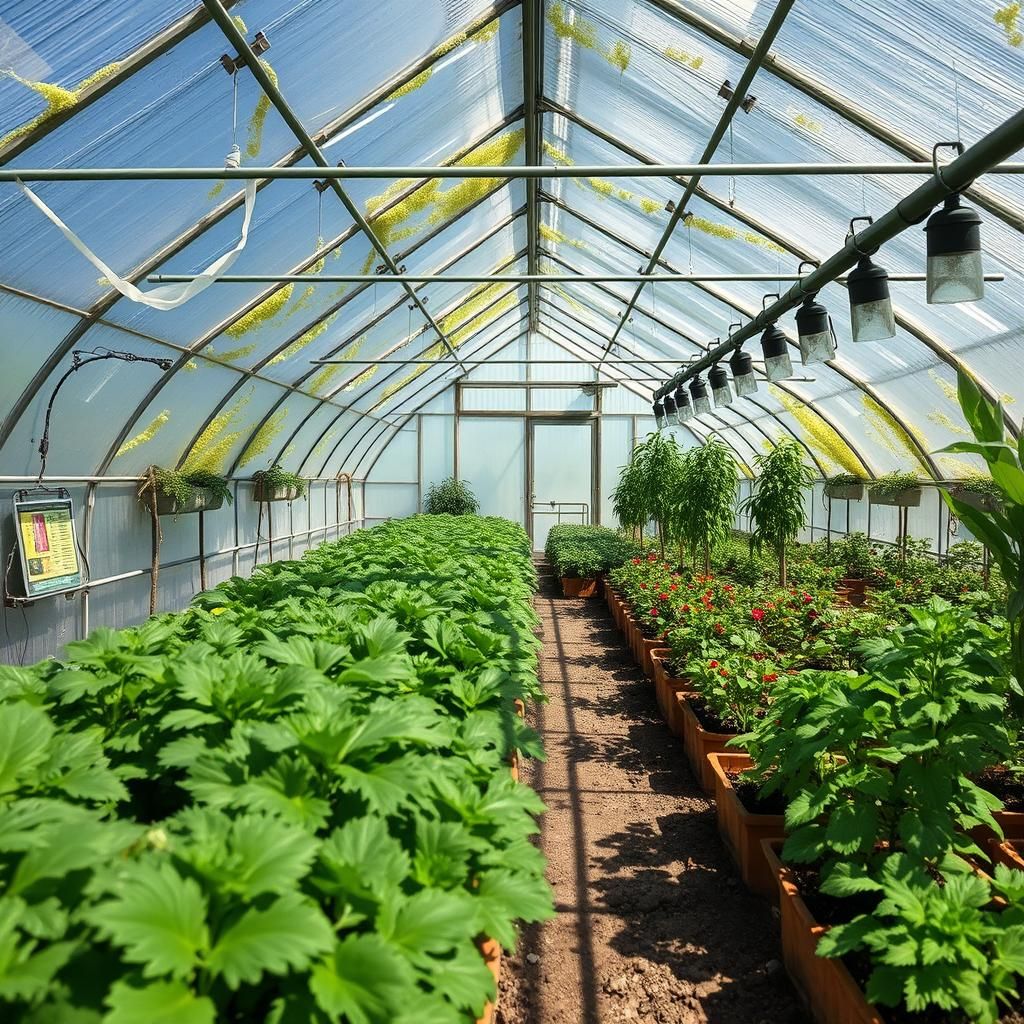
Greenhouses provide an ideal environment for plant growth, but they can also inadvertently create conditions that promote mold development. Understanding the factors that contribute to mold growth in greenhouses is essential for gardeners and growers who want to maintain healthy plants and a clean environment. This article explores the common causes of mold in greenhouse settings, including humidity levels, temperature fluctuations, and poor ventilation. Additionally, we will delve into effective prevention methods to combat mold growth, ensuring a thriving ecosystem for your plants while minimizing the risks of mold-related issues.
Do Greenhouses Grow Mold?
Greenhouses can indeed promote the growth of mold due to the warm, humid environments they create, which are ideal for various fungal spores. These conditions can arise from excess moisture, inadequate ventilation, or overwatering plants, all of which contribute to a favorable environment for mold development. As plants transpire, they release water vapor, and if this humidity is not managed properly, it can lead to the proliferation of mold species, which may affect plant health and subsequently lead to reduced yields.
Factors Contributing to Mold Growth
Several factors can contribute to the growth of mold in a greenhouse setting. The most significant among these include high humidity levels, poor air circulation, and the presence of organic matter, such as decaying plant material. If humidity consistently exceeds 60%, mold spores can thrive, especially if the greenhouse is not equipped with adequate ventilation systems. Furthermore, stagnant air can trap moisture and create pockets of stillness where mold can flourish.
Common Types of Mold in Greenhouses
Various types of mold can be found in greenhouses, with some of the most common being Powdery Mildew, Gray Mold, and Downy Mildew. Powdery mildew appears as white, powdery spots on plant leaves, particularly in areas with poor airflow. Gray mold, or Botrytis cinerea, often manifests in damp conditions, affecting overripe fruits and flowers. Downy mildew thrives in moist environments and can cause yellow flecks on leaves, leading to significant crop damage.
Effects of Mold on Plants
The presence of mold can have detrimental effects on plant health, causing reduced growth rates, wilting, and even plant death. Mold can interfere with photosynthesis by covering leaf surfaces, thereby reducing light penetration. If plants are infected, they may also become more susceptible to diseases and pests, leading to a cascading effect that can severely impact the overall yield of a greenhouse.
Prevention Strategies for Mold Growth
Preventing mold growth in greenhouses requires diligent moisture management and environmental control. Strategies such as ensuring proper ventilation, using dehumidifiers, and employing exhaust fans can help regulate humidity levels. Additionally, practicing good sanitation, such as removing dead plant material and regularly cleaning surfaces, can reduce the likelihood of mold spore proliferation. Implementing these practices can significantly lower the chances of mold thriving in these controlled environments.
Identification and Treatment of Mold
Identifying mold in greenhouses can be done through visual inspections, focusing on the leaves, stems, and soil of plants. If detected, various treatments can be implemented, including the use of fungicides, whereas organic options like baking soda solutions can provide an effective alternative. Additionally, reducing humidity and improving air circulation are critical steps to mitigate mold recurrence. Early detection and appropriate treatment are crucial to ensuring the health of your plants.
| Factor | Description |
|---|---|
| Humidity | High levels can promote mold growth. |
| Air Circulation | Poor circulation can create stagnant areas. |
| Organic Matter | Decaying materials serve as a food source for mold. |
| Temperature | Warm conditions facilitate mold proliferation. |
| Watering Practices | Overwatering increases moisture levels. |
How to get rid of mold in greenhouse soil?

To effectively get rid of mold in greenhouse soil, it is essential to understand the underlying causes of mold growth and apply a series of targeted strategies. Mold typically thrives in moist, poorly ventilated environments, so controlling moisture and improving air circulation are crucial steps. Here are several methods to eliminate mold from greenhouse soil:
Identify the Type of Mold
Identifying the specific type of mold present in the greenhouse soil is important as it dictates the appropriate treatment approach. Common types of mold include:
- Fusarium: Often appears as a pink or white mold and can infect plant roots.
- Trichoderma: Typically green and beneficial, but in excess can become harmful.
- Rhizoctonia: A brown mold that can damage seedlings and mature plants.
Improve Air Circulation
Improving air circulation in the greenhouse is essential for controlling humidity and preventing mold growth. Increased airflow helps to keep the soil dry and reduce moisture levels. Consider the following strategies:
- Install fans: Use oscillating fans to promote consistent airflow throughout the greenhouse.
- Open vents: Utilize roof and side vents during the day to allow fresh air to circulate.
- Spacing plants: Ensure plants are spaced adequately to facilitate air movement around them.
Adjust Watering Practices
Watering practices greatly impact the moisture levels in the soil. To reduce mold, it's important to modify how you water your plants:
- Water less frequently: Allow the soil to dry out between watering to prevent excessive moisture accumulation.
- Water in the morning: This allows plants and soil to dry during the day, reducing moisture retention.
- Use drip irrigation: This method delivers water directly to the roots and minimizes surface wetness.
Use Natural Fungicides
Employing natural fungicides can help eradicate mold without harming beneficial microbes in the soil. Some effective options include:
See also:
- Cinnamon: Its antifungal properties help inhibit mold growth when sprinkled on the soil.
- Baking soda: A diluted solution can be sprayed on affected areas to combat mold.
- Neem oil: This organic oil works effectively as a broad-spectrum fungicide.
Remove Affected Soil
When mold becomes rampant, it may be necessary to remove and replace the affected soil. This is especially true when the mold has penetrated deeply or is persistent. Steps to follow include:
- Isolate the area: Prevent the spread of mold by isolating the infected plants or soil.
- Replace the soil: Remove the top layer of soil where mold is prominent and replace it with fresh, sterilized soil.
- Dispose of the removed soil: Ensure the discarded soil is disposed of responsibly to avoid re-infestation.
How to stop mold in a greenhouse in winter?

To stop mold in a greenhouse during winter, it’s essential to maintain an environment that minimizes moisture while ensuring plants are healthy. Mold thrives in warm, humid conditions, which are often present in greenhouses. By employing specific strategies, you can effectively reduce the chance of mold growth.
Maintain Optimal Temperature
Keeping the greenhouse temperature at an optimal level is vital to prevent mold. High humidity coupled with low temperatures creates a perfect breeding ground for mold.
- Use heaters to keep the greenhouse warm during cold nights.
- Invest in thermostats that regulate temperature automatically.
- Ensure proper ventilation to allow hot air to escape and maintain air circulation.
Control Humidity Levels
Humidity is one of the main factors contributing to mold growth. Reducing humidity can significantly lower the chances of mold appearing in your greenhouse.
- Use dehumidifiers or silica gel packs to absorb excess moisture.
- Keep plant spacing adequate to promote air circulation.
- Avoid overwatering plants, allowing the soil to dry out between watering sessions.
Install Proper Ventilation
Good ventilation is crucial in a greenhouse to prevent moisture buildup. Stagnant air encourages mold growth, so ensure air circulation is adequate.
- Open vents during the day to allow fresh air to flow in.
- Use fans to promote airflow, especially on still days.
- Consider installing exhaust fans to remove humid air effectively.
Regular Cleaning and Maintenance
Regularly cleaning the greenhouse helps eliminate mold spores and bacteria that may lead to mold growth. A clean environment is much less likely to support mold.
- Remove any plant debris or dead leaves promptly.
- Wash greenhouse interior surfaces with a bleach solution or vinegar to kill existing mold.
- Inspect and clean pots and trays to prevent the spread of mold spores.
Choose Mold-Resistant Plants
Selecting plants that are less susceptible to mold can also help manage potential outbreaks. Certain species are naturally resistant and can thrive in humid environments without promoting mold growth.
- Research and select plants known for their resistance to mold and fungi.
- Incorporate companion planting strategies to deter mold-prone species.
- Rotate crops regularly to prevent the buildup of mold spores in the soil.
What should you not grow in a greenhouse?

Growing plants in a greenhouse can provide numerous benefits, such as extended growing seasons and protection from adverse weather. However, there are certain plants that are not well-suited for greenhouse environments. Here are some key reasons why certain crops should be avoided:
1. Plants that Require High Humidity
Many plants thrive in high humidity conditions, but a greenhouse can often create an environment that is either too humid or can lead to fungal diseases. Avoid growing these types of plants to prevent unnecessary complications.
- Tropical Ferns: They can easily develop mold due to excess moisture.
- Orchids: These require specific humidity levels that may fluctuate in greenhouse settings.
- Begonias: They can suffer from root rot if humidity levels are not managed correctly.
2. Deep-Rooted Vegetables
Certain vegetables have deep root systems that require extensive soil depth, which can be challenging in a greenhouse setup. These plants often perform better in traditional garden beds.
- Carrots: They need deep, loose soil to grow properly and may become stunted.
- Potatoes: They require ample space to expand and can be hindered by greenhouse conditions.
- Beets: Similar to potatoes, beets need deep soil for optimal growth.
3. Plants Susceptible to Pests
Some plants can attract pests or become their host within a greenhouse, leading to infestations that are difficult to control. It is better to grow these plants outdoors or in a different setting.
See also:
- Cucumbers: They can attract aphids and spider mites in greenhouse conditions.
- Sweet Corn: It is often a magnet for pests like corn earworms.
- Squash: This can attract various bugs, leading to possible outbreaks.
4. Highly Invasive Plants
Certain plants can become invasive in a greenhouse environment, outcompeting other species for resources and potentially harming the ecosystem of the greenhouse.
- Mint: Its rapid spread can choke out other plants.
- Bamboo: This can take over space and become unmanageable.
- Morning Glory: A vigorous grower that can dominate available space.
5. Seasonal Plants
Some plants are strictly seasonal and may not adapt well to a greenhouse environment, which can lead to poor yields or unsuccessful growth.
- Peas: They prefer cooler temperatures and may not do well when it's too warm.
- Radishes: These can bolt quickly in a greenhouse's warm climate.
- Spinach: It can also bolt under the stress of heat, leading to poor quality.
How to get rid of moisture in a greenhouse?
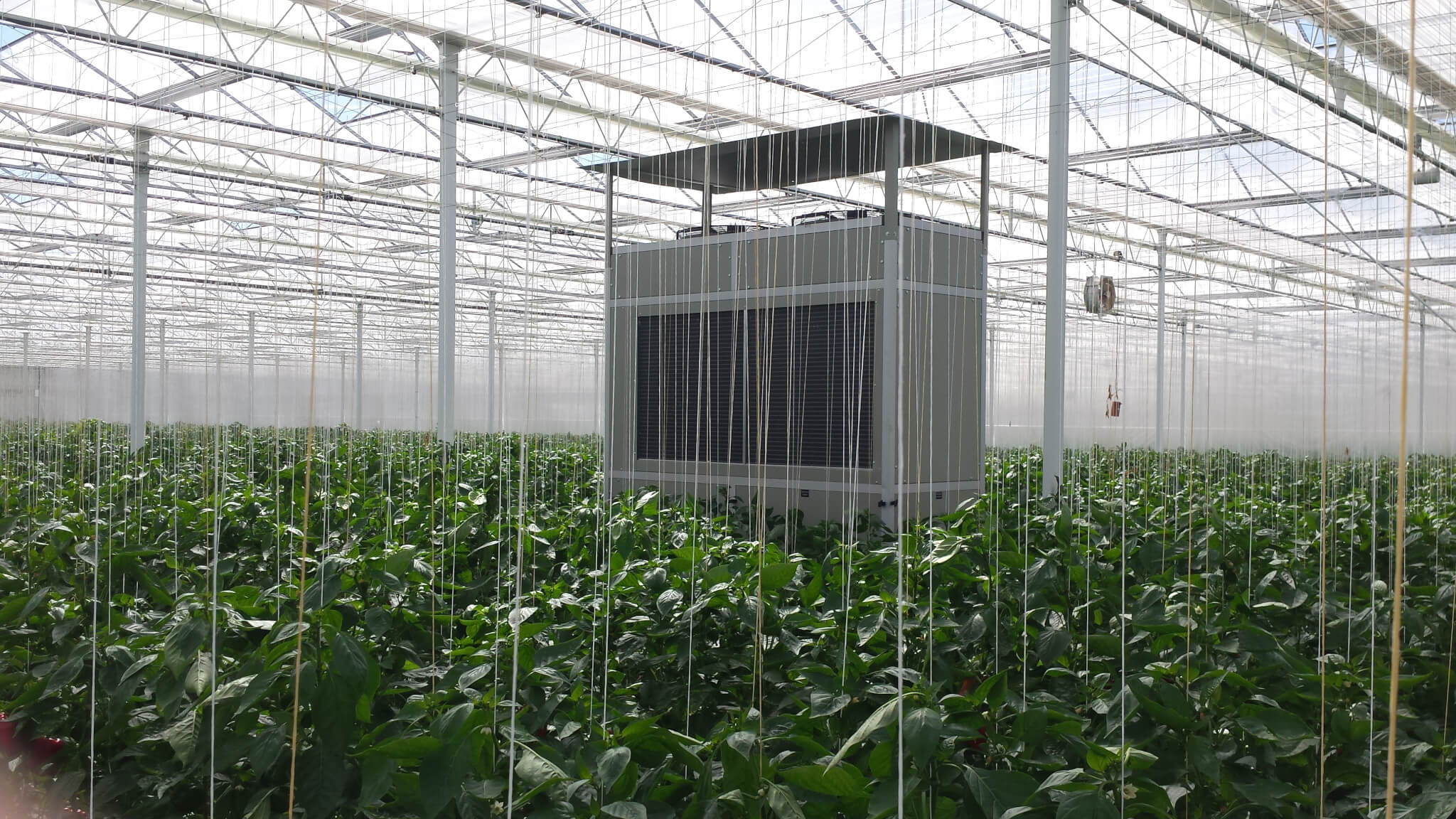
To get rid of moisture in a greenhouse, it is essential to understand the factors contributing to excessive humidity and apply various strategies to control it. Here are some effective methods and practices to reduce moisture levels in your greenhouse.
Understanding Humidity in a Greenhouse
Managing moisture begins with a clear understanding of how humidity works within the greenhouse environment. Humidity is the amount of water vapor present in the air, and it can have a significant impact on plant health. Too much moisture can lead to fungal diseases, mold growth, and poor plant development. Therefore, it is vital to monitor and understand the sources of humidity.
- Evaporation from Soil: Water from watering procedures evaporates and increases humidity.
- Plant Transpiration: Plants release moisture into the air as they transpire.
- External Weather Conditions: High humidity outside can affect the greenhouse environment.
Ventilation Systems
Proper ventilation plays a crucial role in reducing humidity levels inside a greenhouse. By improving airflow, you can help regulate temperature and moisture content, making it a vital step in humidity control.
- Naturally Ventilated: Utilize windows, doors, and roof vents to allow fresh air to circulate.
- Mechanical Ventilation: Install fans to enhance air exchange rates, especially in larger greenhouses.
- Automated Systems: Consider using programmable ventilation systems that open and close based on humidity levels.
Humidity Sensors and Monitoring
Investing in humidity sensors is an effective way to keep track of moisture levels in your greenhouse. Monitoring provides real-time data that can help you make informed decisions regarding your humidity control strategies.
- Real-time Data: Sensors allow you to check humidity levels without having to guess.
- Alerts: Some systems can send alerts when humidity thresholds are exceeded, prompting immediate action.
- Historical Data: Monitoring trends over time can help you understand and predict humidity issues.
Water Management Practices
Effective water management is crucial to controlling moisture levels. The key is to balance the needs of the plants while minimizing excess moisture that contributes to high humidity.
- Watering Schedule: Create a watering schedule that avoids over-watering plants.
- Drip Irrigation: Use drip irrigation systems instead of overhead watering to minimize evaporation.
- Mulching: Apply organic mulch to the soil surface to reduce evaporation and keep the soil moist longer.
Dehumidifiers and Absorbents
If humidity levels remain excessively high, it may be necessary to use dehumidifiers or moisture-absorbing materials to help control the environment within the greenhouse.
- Dehumidifiers: These devices can remove excess moisture from the air effectively.
- Silica Gel: Place silica gel packets throughout the greenhouse to absorb moisture.
- Activated Charcoal: This can also serve to absorb moisture and improve air quality.
Questions from Our Readers
Do greenhouses grow mold?
Yes, greenhouses can grow mold if the conditions are right. The high humidity and warmth often found in greenhouses create an ideal environment for mold spores to thrive, especially if there is insufficient air circulation or excess moisture.
What causes mold growth in greenhouses?
Mold growth in greenhouses is typically caused by a combination of high humidity, poor ventilation, and overwatering plants. These factors can create a conducive environment for mold spores to settle, germinate, and proliferate on surfaces and plants.
How can I prevent mold in my greenhouse?
To prevent mold in your greenhouse, it is crucial to maintain proper ventilation, control humidity levels, and avoid overwatering plants. Regularly checking for damp conditions and ensuring adequate air flow can significantly reduce the risk of mold growth.
Is mold harmful to plants in a greenhouse?
Yes, mold can be harmful to plants in a greenhouse. It can lead to plant diseases, hinder growth, and reduce overall plant health. In severe cases, mold may even kill affected plants if not addressed promptly.
See also:

If you want to read more articles like Do Greenhouses Grow Mold? Understanding Causes and Prevention Methods, we recommend you check out our Garden category.
Leave a Reply
Related Articles