What Do You Call a Person Who Is Good at Gardening? Discover the Perfect Term Today!
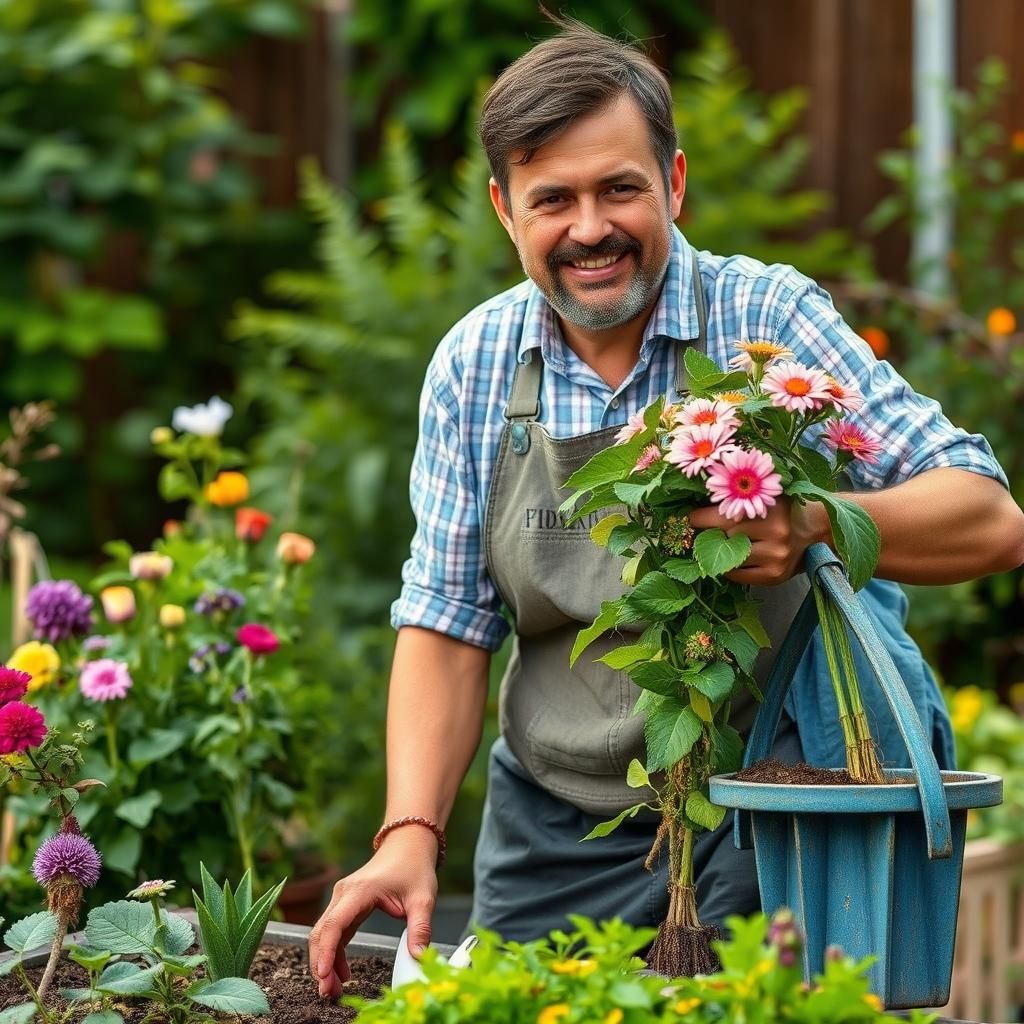
Gardening is an art that requires patience, knowledge, and a deep appreciation for nature. But what do you call someone who excels in this green-fingered craft? The right term can capture the essence of their skills and passion. In this article, we will explore various words and phrases used to describe individuals adept at gardening, delving into the qualities that make them stand out. Whether it’s a hobbyist nurturing their backyard or a professional cultivating vast landscapes, understanding the terminology can enhance our appreciation for these talented individuals. Join us as we find the perfect term for a skilled gardener!
What Is the Term for Someone Skilled in Gardening?
In English, a person who is good at gardening is typically referred to as a gardener. This term encompasses individuals who possess knowledge, skills, and a passion for cultivating plants, flowers, and vegetables. Gardeners can range from hobbyists who tend to their home gardens to professional landscapers who design and maintain larger green spaces. Their expertise often involves understanding soil composition, climate conditions, and the specific needs of various plant species, all of which contribute to the successful growth and maintenance of gardens.
Types of Gardeners
There are various types of gardeners, each specializing in different areas of gardening. For instance, some may focus on ornamental gardening, cultivating beautiful flowers and landscape designs, while others may be vegetable gardeners who primarily grow food for personal consumption. Additionally, there are horticulturists and landscape designers who apply scientific knowledge and artistic flair to create stunning public gardens and parks.
Skills Required for Gardening
Successful gardening requires a mix of practical skills and knowledge. Key skills include understanding plant biology, managing pests, and mastering landscape design techniques. Gardeners must also be adept at handling tools and equipment necessary for planting, trimming, and maintaining gardens. Furthermore, knowledge of different soil types and their nutrient contents is critical for ensuring plants thrive.
Benefits of Being a Gardener
Being a gardener is associated with numerous benefits, both physical and mental. Gardening is known to promote physical activity and can improve cardiovascular health and strength. Mentally, gardening serves as a stress-reliever, providing a creative outlet and the satisfaction of nurturing living things. The act of cultivating plants can also foster a connection to nature, enhancing overall well-being.
Popular Gardening Techniques
Various gardening techniques can be employed, depending on the gardener's goals and the plants being cultivated. Techniques such as companion planting, raised bed gardening, and organic gardening are popular among many gardeners. Additionally, methods like hydroponics and aquaponics have gained traction due to their efficient use of space and water, allowing for the growth of plants without soil.
Resources for Aspiring Gardeners
Aspiring gardeners can find a wealth of resources to enhance their skills and knowledge. Community gardening groups, local botanical gardens, and online forums serve as valuable platforms for information exchange and support. Gardening books and educational websites also provide insight into plant care, pest management, and design ideas. Many gardening centers offer workshops and courses that can help new gardeners learn essential techniques.
| Type of Gardener | Description |
|---|---|
| Vegetable Gardener | Focuses on cultivating plants for food. |
| Ornamental Gardener | Specializes in flowers and landscape aesthetics. |
| Horticulturist | Expert in plant biology and growth techniques. |
| Landscape Designer | Creates artfully designed garden spaces. |
What do you call someone who is good at gardening?

A person who is good at gardening is commonly referred to as a gardener. This term encapsulates anyone who engages in the cultivation of plants, flowers, and vegetables, whether as a hobby or professionally. Gardeners possess skills and knowledge in various areas such as plant care, landscaping, and soil management, allowing them to enhance the beauty and productivity of various types of gardens.
Types of Gardeners
Gardeners can be categorized into different types based on their specific interests and expertise. Each type may focus on particular aspects of gardening, catering to a unique set of needs and preferences:
- Residential Gardeners: These individuals often cultivate gardens in their own homes, working on landscaping and maintaining plants for personal enjoyment.
- Landscape Gardeners: Professionals who specialize in designing and installing outdoor spaces, ensuring they are aesthetically pleasing and functional.
- Vegetable Gardeners: Enthusiasts focused on growing edible crops, often emphasizing organic practices and sustainable gardening methods.
- Floral Designers: Gardeners who focus primarily on cultivating flowers, often working in floristry or for decorative purposes.
- Community Gardeners: Individuals who participate in communal gardening efforts, often collaborating in shared plots to produce food or beautify local areas.
Skills of a Gardener
A proficient gardener possesses a variety of essential skills that enable them to nurture plants effectively and troubleshoot common gardening challenges:
- Plant Knowledge: Understanding different plant species, their needs, and growth habits is crucial for successful gardening.
- Soil Management: Knowing how to enrich and maintain soil quality helps ensure plants receive the nutrients they need to thrive.
- Pest Control: Implementing strategies to protect plants from pests and diseases is a vital skill for any gardener.
- Design Skills: Aesthetic design principles are important for creating visually appealing gardens and landscapes.
- Patience and Observation: Gardeners must be patient and observant, as many plants take time to grow and may require adjustments along the way.
Benefits of Gardening
Gardening offers numerous benefits, not only for the gardener but also for the environment and community:
- Physical Health: Engaging in gardening can be a form of exercise, improving physical fitness and strength.
- Mental Health: Gardening has been shown to reduce stress and promote mental well-being through connection with nature.
- Environmental Impact: Gardeners can contribute to biodiversity and support local ecosystems by planting native species and creating habitats.
- Food Security: Growing one’s own food can lead to a more sustainable lifestyle and increased food independence.
- Community Engagement: Gardening can foster community bonds, particularly in shared gardens or neighborhood projects.
Gardening Techniques
Different techniques can enhance gardening success and cater to varying interests and environmental conditions:
See also:
- Permaculture: A holistic approach that designs agricultural ecosystems intended to be sustainable and self-sufficient.
- Raised Bed Gardening: Utilizing elevated garden beds to improve soil drainage and accessibility for cultivating plants.
- Hydroponics: Growing plants in nutrient-rich water solutions, often used for space-saving and efficient gardening.
- Companion Planting: Strategically pairing plants that benefit each other to improve growth and deter pests.
- Organic Gardening: Focusing on natural methods and avoiding synthetic fertilizers and pesticides for a more eco-friendly approach.
Getting Started with Gardening
For those interested in becoming gardeners, there are several steps to consider when starting this rewarding hobby:
- Research and Planning: Learning about different plant varieties and climate conditions is essential before starting a garden.
- Choosing the Right Location: Selecting an appropriate spot with adequate sunlight, soil quality, and space is vital for a successful garden.
- Gathering Tools: Investing in basic gardening tools like shovels, trowels, and pruning shears will facilitate the gardening process.
- Starting Small: Beginners are often advised to start with a small garden or a few plants to build confidence and experience.
- Joining Gardening Communities: Connecting with other gardeners can provide valuable support, tips, and inspiration as well as opportunities for knowledge exchange.
What's it called when you're good at gardening?
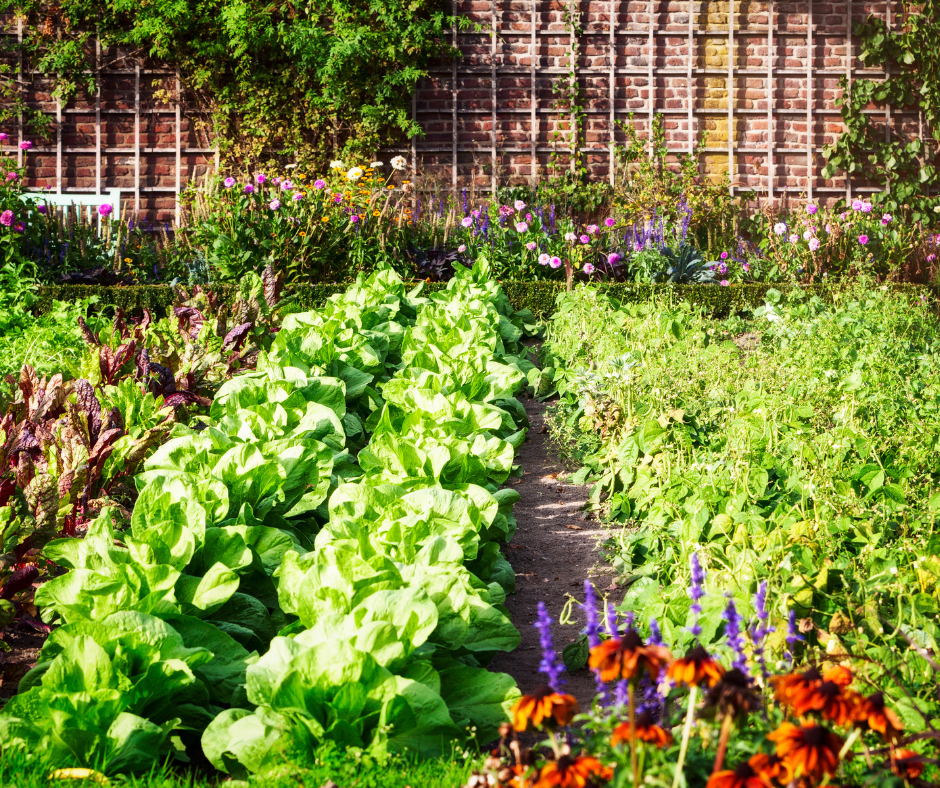
When someone is good at gardening, they are often described as having a green thumb. This term refers to a natural ability to cultivate plants and make them thrive. It's commonly believed that people with a green thumb have a special affinity for nature and possess an innate understanding of plant care, which enables them to effectively nurture various types of flora.
What Does Having a Green Thumb Mean?
Having a green thumb means that an individual has exceptional skills in gardening and plant care. These individuals can grow healthy plants, flowers, and vegetables with seemingly little effort. This term is believed to have originated from the early 20th century, where the color green symbolized growth and flourishing life.
- Natural talent in taking care of plants.
- Ability to identify the needs of different species.
- Skill in creating optimal growing conditions.
Common Traits of Individuals with a Green Thumb
Individuals who are considered to have a green thumb often share several common traits that contribute to their gardening success. These traits include patience, observation skills, and a genuine love for nature. They tend to enjoy spending time outdoors and find joy in watching their plants grow.
- Patience to witness the growth process.
- Strong observation skills for plant health.
- Passion for botany and horticulture.
Tips for Developing a Green Thumb
Even if someone does not naturally possess a green thumb, there are several techniques that can help develop gardening skills. Practicing regularly and gaining knowledge about different plant species can significantly enhance one’s ability to garden effectively.
- Start with easy-to-grow plants.
- Learn about soil and its importance.
- Experiment with different gardening techniques.
Benefits of Having a Green Thumb
There are numerous benefits associated with having a green thumb. Individuals who excel at gardening often experience stress relief, increased physical activity, and even access to fresh produce. Gardening can also foster creativity and a sense of accomplishment.
- Reduces stress and promotes mental well-being.
- Encourages physical exercise.
- Provides fresh fruits and vegetables.
Future of Gardening and the Green Thumb Concept
As gardening continues to evolve, the concept of having a green thumb is likely to expand beyond traditional practices. With advancements in technology, such as hydroponics and vertical gardening, more people may find ways to tap into their gardening potential, regardless of their location or available space.
- Incorporation of smart gardening technology.
- Increased interest in sustainability.
- Growth of urban gardening initiatives.
What is a good gardener called?

A good gardener is often referred to as a horticulturist. This term encompasses professionals and enthusiasts who possess a deep understanding of plant cultivation, garden design, and the principles of plant care. Horticulturists focus not only on the aesthetic aspect of gardening but also on the science that supports healthy plant growth. They may work in a variety of environments, including residential gardens, commercial landscapes, botanical gardens, and research institutions.
Understanding the Role of a Horticulturist
A horticulturist's role is multifaceted and involves several key responsibilities. They apply knowledge of plant biology, soil science, and climate to create and maintain thriving gardens.
- Plant Selection: Choosing the right plants based on climate, soil type, and the intended design.
- Soil Management: Analyzing and improving soil conditions to ensure the best growth for plants.
- Pest and Disease Control: Identifying and managing plant diseases and pests through sustainable practices.
Education and Skills Required
To become a proficient horticulturist, individuals typically need a combination of education and experience. While formal education can provide a solid foundation, practical experience is equally crucial.
- Formal Education: Many horticulturists hold degrees in horticulture, botany, or related fields.
- Hands-On Experience: Working in gardens or greenhouses allows practical application of knowledge.
- Continuous Learning: Staying updated with the latest gardening techniques and sustainable practices.
Types of Gardening Specializations
Horticulture encompasses various specializations that cater to different aspects of plant care and garden design. Each specialization requires unique skills and knowledge.
See also:
- Landscape Design: Focuses on the visual and functional layout of outdoor spaces.
- Floriculture: The cultivation of flowering and ornamental plants for gardens and landscaping.
- Vegetable Gardening: Involves growing edible plants, focusing on techniques for maximum yield.
Benefits of Working with a Good Gardener
Hiring a skilled gardener or horticulturist can offer numerous benefits, enhancing both the beauty and health of a garden.
- Healthier Plants: Expert care leads to robust and thriving plants.
- Time Savings: A knowledgeable gardener can manage gardens efficiently, allowing homeowners to enjoy their outdoor spaces.
- Aesthetically Pleasing Designs: A professional touch can transform a garden into an attractive sanctuary.
Common Tools Used by Horticulturists
A good gardener utilizes a variety of tools to effectively maintain and promote plant growth. Each tool serves a specific purpose in the gardening process.
- Pruning Shears: Essential for trimming and shaping plants to encourage healthy growth.
- Garden Forks: Useful for aerating soil and mixing in compost.
- Watering Can or Hose: Crucial for proper irrigation to keep plants hydrated.
What is a gardening person called?
A gardening person is commonly referred to as a gardener. This term encompasses anyone who engages in the practice of growing and cultivating plants, which can range from flowers and vegetables to shrubs and trees. Gardeners can be hobbyists, professionals, or a mix of both, and their expertise may vary significantly depending on their level of experience and the types of gardening they pursue.
Roles and Responsibilities of a Gardener
A gardener's responsibilities can vary considerably based on their specific roles. Here are some typical duties that may be part of a gardener's routine:
- Planting: Selecting the right plants for the appropriate environment and season.
- Maintenance: Regularly checking on plants, watering, weeding, and pruning as necessary.
- Pest Control: Identifying and managing pests and diseases that could harm plants.
Types of Gardeners
Gardening is a broad field with various specializations. Here are a few types of gardeners one might encounter:
- Amateur Gardener: Typically enjoys gardening as a hobby and may focus on ornamental plants.
- Professional Gardener: Works in landscaping or horticulture and may have formal training or education.
- Organic Gardener: Grows plants without synthetic fertilizers or pesticides, emphasizing natural methods.
Gardening Techniques
There are numerous techniques utilized by gardeners to enhance plant growth and garden aesthetics. Some popular methods include:
- Companion Planting: Placing different plants together to improve plant health and deter pests.
- Raised Bed Gardening: Growing plants in elevated beds to improve drainage and soil quality.
- Hydroponics: Cultivating plants in nutrient-rich water instead of soil, often used for growing vegetables indoors.
Benefits of Gardening
Engaging in gardening has a multitude of positive effects, including:
- Physical Health: Gardening is a physical activity that can improve strength and cardiovascular health.
- Mental Well-being: Spending time in nature and gardening can reduce stress and enhance mood.
- Environmental Impact: Gardening can promote biodiversity and contribute to a healthier ecosystem.
Tools of the Trade
Gardening requires various tools to effectively manage and maintain a garden. Some essential tools include:
- Shovels: Used for digging and moving soil.
- Pruners: Essential for trimming and shaping plants.
- Watering Can: Helps in delivering water directly to plants in a controlled manner.
Questions from Our Readers
What is the term used for a person skilled in gardening?
A person who is good at gardening is often referred to as a gardener. This term encompasses anyone who engages in cultivating plants, flowers, and vegetables, applying their knowledge and skills to nurture and maintain a garden.
Are there different types of gardeners?
Yes, there are various types of gardeners, including hobbyists, professional landscapers, and horticulturists. Each type specializes in different aspects of gardening, from casual home gardening to commercial landscaping and even research in plant cultivation.
What skills does a good gardener possess?
A good gardener typically possesses skills such as planning, planting, pruning, and pest management. They also have a strong understanding of soil types, plant care, and seasonal changes, which helps them ensure healthy growth and maximize yield in their gardens.
How can someone become a better gardener?


If you want to read more articles like What Do You Call a Person Who Is Good at Gardening? Discover the Perfect Term Today!, we recommend you check out our Garden category.
Leave a Reply
Related Articles