How Much Do Landscape Gardeners Make? A Comprehensive Guide to Salaries and Earnings

Landscape gardening is a flourishing field, blending artistry with horticultural expertise. As demand for beautifully designed outdoor spaces continues to rise, many people are curious about the financial rewards associated with this profession. In this comprehensive guide, we will explore the various factors influencing the salaries of landscape gardeners, including experience, location, and specialization. By delving into industry standards and potential earnings, we aim to provide a clearer picture of what one can expect when pursuing a career in landscape gardening. Whether you're considering this path or simply interested in the field, understanding earnings is crucial for making informed decisions.
How Much Do Landscape Gardeners Make?
The salary of landscape gardeners can vary significantly based on factors such as location, experience, and the complexity of the projects they undertake. On average, landscape gardeners in the United States can earn between $30,000 and $60,000 annually, with entry-level positions tending to pay at the lower end of the spectrum. More experienced gardeners or those who own their businesses may see incomes exceeding $70,000. Geographic demand also plays a crucial role; for instance, urban areas with high housing density often require more landscaping services, which can drive salaries higher. Additionally, seasonal factors can affect income, particularly in regions with distinct climatic conditions.
Average Salary Range
The average salary range for landscape gardeners can differ markedly around the globe. In the United States, the Bureau of Labor Statistics reports that the median pay hovers around $40,000 per year. In contrast, landscape gardeners in regions with a higher cost of living, like California or New York, may earn above the national average, while those in rural areas may receive lower compensation.
Factors Influencing Earnings
Various factors can influence the earnings of landscape gardeners. Experience is critical, as those with more years in the industry generally command higher wages. Additionally, the type of clientele they serve—commercial vs. residential—can lead to discrepancies in pay. Specializations, such as organic gardening or water management, can also allow gardeners to charge more for their expertise, enhancing their overall income.
Geographical Variations
Geographical location plays a significant role in the salaries of landscape gardeners. For instance, urban centers usually require more landscaping services due to the high density of real estate, which often translates to higher wages. Areas with a robust real estate market, like Miami or Seattle, typically offer more opportunities and better pay. Conversely, rural areas may present fewer job opportunities and lower average wages.
Job Outlook and Opportunities
The job outlook for landscape gardeners remains positive, with a projected growth rate of 11% from 2020 to 2030 according to industry reports. As more homeowners and businesses focus on creating appealing outdoor environments, the demand for skilled gardeners continues to rise. This trend provides an excellent opportunity for new entrants in the field to find work and potentially earn competitive salaries over time.
Additional Income Streams
Landscape gardeners can explore additional income streams to boost their earnings. This can include services such as garden maintenance, pesticide application, or even landscape design. Some gardeners also offer consultations or workshops, educating clients on sustainable practices and garden care techniques. By diversifying their skill set, landscape gardeners can create new revenue opportunities while enhancing their marketability.
| Location | Average Salary |
|---|---|
| United States | $40,000 |
| California | $50,000 |
| New York | $55,000 |
| Texas | $35,000 |
| Florida | $45,000 |
What is the highest paying job in landscaping?

The highest paying job in landscaping is typically that of a landscape architect. Landscape architects are responsible for designing outdoor spaces, which can include parks, gardens, residential areas, and commercial properties. They work with clients to create functional, aesthetically pleasing designs while adhering to zoning laws and environmental regulations. The complexity of their projects and their level of education contribute to their earning potential, often exceeding six figures annually.
Educational Requirements
To become a landscape architect, individuals usually need a Bachelor's degree in landscape architecture or a related field. Many positions also require licensure which involves passing a series of exams. The educational path typically includes:
- Completion of a bachelor’s degree in landscape architecture.
- Internship experience under a licensed landscape architect.
- Passing the Landscape Architect Registration Examination (LARE).
Job Responsibilities
The responsibilities of a landscape architect are diverse and can vary based on the project or client needs. Key tasks include:
- Conducting site assessments and analyzing environmental conditions.
- Creating detailed designs and plans that incorporate aesthetics and functionality.
- Collaborating with other professionals, such as architects, civil engineers, and urban planners.
Salary Expectations
The salary for landscape architects can vary greatly depending on factors such as location, experience, and the type of employer. However, the median annual wage for landscape architects is typically around $70,000, with experienced professionals earning significantly more. Specific salary ranges include:
- Entry-level positions: $45,000 to $60,000.
- Mid-career positions: $70,000 to $90,000.
- Senior positions: $100,000 and above.
Industry Opportunities
Landscape architects can find opportunities in various sectors, including:
See also:
- Public sector (government agencies that manage parks and public spaces).
- Private firms specializing in landscape design and architecture.
- Consulting for environmental organizations or real estate developers.
Future Prospects
The demand for landscape architects is expected to grow as urban areas expand and the need for sustainable design increases. Future trends include an emphasis on:
- Sustainable landscaping practices that promote biodiversity and conservation.
- Incorporation of technology, such as GIS (Geographic Information Systems) for planning and design.
- Designing for climate resilience and adapting to environmental changes.
What do most gardeners charge per hour?

The hourly rates charged by most gardeners can vary significantly based on several factors. On average, gardeners typically charge between $25 and $75 per hour. This price range often depends on geographical location, the gardener's experience and expertise, and the specific type of gardening services being provided. In metropolitan areas, rates tend to be higher due to increased cost of living and demand for gardening services.
Factors Affecting Gardener Rates
The rates that gardeners charge can be influenced by various factors, including:
- Location: Urban areas generally see higher rates due to demand and living costs.
- Experience: Experienced gardeners with advanced skills command higher fees.
- Services Offered: Specialty services, such as landscape design or organic gardening, may cost more.
Types of Gardening Services
Gardeners offer a range of services, which can also affect their hourly rates:
- Routine Maintenance: Basic lawn care, weeding, and pruning are typically at the lower end of the rate spectrum.
- Design and Installation: Creating new gardens or hardscapes often incurs higher charges.
- Specialized Services: Services like pest management or soil testing can attract premium rates.
Regional Variations
Gardening rates can vary widely across different regions. For example:
- Coastal areas: Often have higher pricing due to demand for landscaping and outdoor aesthetics.
- Rural areas: May see lower rates as the cost of living is typically reduced.
- Competition: High competition in some regions can drive prices down.
Seasonal Considerations
The time of year can influence gardening rates as well:
- Peak Season: Spring and summer are high-demand times, leading to higher rates.
- Off-Season: Fall and winter may see reduced rates to attract more clients.
- Holiday Services: Special requests during holidays can incur additional fees.
Estimating Costs for Gardening Projects
When hiring a gardener, it's important to gather estimates. Consider:
- Get Multiple Quotes: Contact several gardeners to compare rates and services.
- Discuss Your Needs: Be clear about the specific services you require to get accurate pricing.
- Assess Overall Value: Consider the gardener's reputation and reviews alongside the cost.
How much do landscapers make in Las Vegas?

In Las Vegas, the earnings for landscapers can vary significantly based on several factors including experience, skill level, and the specific type of landscaping work performed. As of the most recent data, landscapers in Las Vegas typically earn between $30,000 and $50,000 per year. However, experienced landscapers or those who operate their own businesses might earn significantly more, reaching up to $70,000 or more annually.
Factors Influencing Landscaper Salaries
The salary of landscapers in Las Vegas can be influenced by various factors, which can include the following:
- Experience Level: More experienced landscapers tend to command higher salaries.
- Type of Work: Specialized tasks, such as hardscaping or irrigation installations, often pay more than general landscaping.
- Geographic Area: Different areas of Las Vegas may have varying wage standards based on demand.
Types of Landscaping Roles
Landscapers can occupy a range of different roles which can affect their income. Common types include:
- Landscape Maintenance Workers: Responsible for routine care, their earnings are generally on the lower end.
- Landscape Designers: Professionals who design outdoor spaces can earn significantly more due to their skills and expertise.
- Landscape Managers: Overseeing teams and projects, managers often receive higher salaries due to their responsibilities.
Employment Opportunities in Las Vegas
Las Vegas hosts a variety of landscaping companies and opportunities. The employment landscape includes:
See also:
- Private Companies: Many landscapers work for private landscaping firms that service homes and businesses.
- Government Positions: There are opportunities in municipal landscaping, which can offer stable pay and benefits.
- Self-Employment: Many experienced landscapers opt to start their own businesses, potentially increasing their income.
Job Market Trends
The job market for landscapers in Las Vegas shows trends that can influence salaries:
- Growing Demand: The demand for landscaping services is increasing, particularly in residential sectors.
- Seasonal Variations: Earnings can fluctuate with the seasons, with potential for overtime during peak months.
- Economic Factors: The overall economy affects consumer spending on landscaping, impacting wages.
Salary Comparisons in the Region
Comparing landscaper salaries in Las Vegas with nearby regions can provide insight:
- Similar Cities: Salaries in nearby areas, like Henderson or North Las Vegas, are often comparable.
- Nationwide Compared: Landscaping salaries in Las Vegas may be lower than national averages in certain metropolitan areas.
- Cost of Living Considerations: The cost of living in Las Vegas is relatively moderate, which affects salary expectations.
How much should a landscaper make a week?
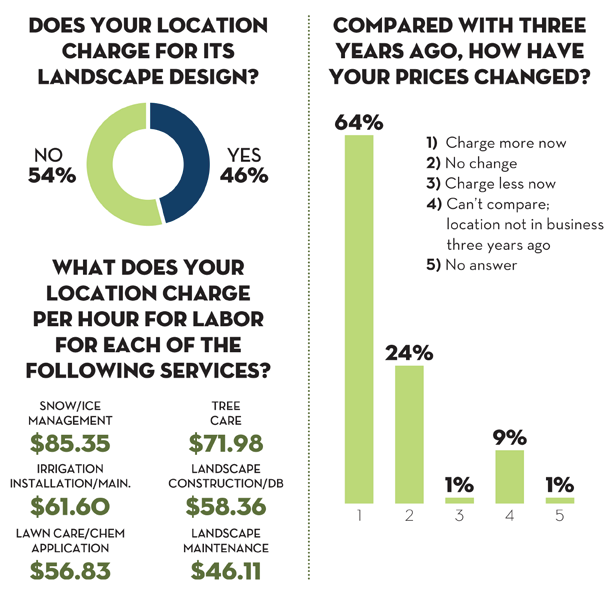
The weekly earnings of a landscaper can vary widely based on several factors, including location, experience, type of employment, and the scale of the projects they handle. On average, landscapers can earn between $600 to $1,200 per week, which translates to an hourly rate of approximately $15 to $30. However, more specialized landscapers or those running successful landscaping businesses can earn significantly more.
Factors Affecting Landscaper Income
Several factors influence how much a landscaper can earn weekly. Understanding these factors can provide insight into potential earnings:
- Location: Wages can differ dramatically based on geographical areas. Urban areas typically offer higher pay due to the cost of living.
- Experience: Entry-level landscapers may start at the lower end of the pay scale, while those with extensive experience and specialization can earn much more.
- Services Offered: Landscapers who provide a range of services, including lawn care, hardscaping, and landscape design, may command higher fees.
- Type of Employment: Self-employed landscapers have the potential to earn more but face variability in income based on project availability.
- Seasonality: Landscaping work is often seasonal; those in warmer climates may have year-round work, while others may experience fluctuations in weekly income.
Entry-Level vs. Experienced Landscapers
The salary of a landscaper can significantly differ between entry-level and experienced practitioners. Newcomers to the industry may expect lower earnings, while seasoned professionals enjoy higher salaries due to their skills and knowledge.
- Entry-Level Salary: Typically ranges from $15 to $20 per hour, resulting in weekly earnings around $600 to $800.
- Mid-Level Salary: Landscapers with several years of experience may earn between $20 and $25 per hour, leading to weekly earnings of $800 to $1,000.
- Experienced Salary: Highly skilled landscapers or those in managerial roles can earn upwards of $25 to $30 per hour, totaling weekly earnings of $1,000 or more.
Benefits of Being Self-Employed
Many landscapers choose to be self-employed, which can yield higher weekly earnings. However, it also comes with its own challenges and rewards.
- Income Potential: Self-employed landscapers can set their rates, allowing for potentially higher earnings if they establish a successful business.
- Flexibility: Being self-employed provides greater flexibility in scheduling and the types of projects one can take on.
- Variety of Work: Landscapers can diversify their offerings, including maintenance, design, and installation, which can attract a wider client base and increase income.
Specialization and Niche Markets
Landscapers who specialize in certain areas can enhance their income potential by catering to specific client needs or market demands.
- Hardscaping: This specialized field, which includes installing patios, paths, and walls, tends to offer higher hourly rates.
- Landscape Design: Landscapers with design expertise can charge higher fees for consultation and planning services.
- Organic Landscaping: As sustainability becomes more popular, landscapers who offer eco-friendly solutions can attract a niche clientele willing to pay premium prices.
Average Salary Comparisons
Understanding average salaries in comparison to other related professions can provide context for a landscaper’s weekly earnings.
- Landscaping vs. General Labor: Landscapers often earn more than general laborers, who might earn around $15 per hour.
- Comparison to Construction Workers: Construction workers may earn similar or slightly higher wages depending on the project and skill level required.
- Agricultural Workers: Often earn less compared to landscapers, who provide specialized services and expertise.
Questions from Our Readers
How much do landscape gardeners make on average?
Landscape gardeners in the United States typically earn an average annual salary ranging from $30,000 to $50,000, depending on factors such as experience, location, and the complexity of the projects they undertake.
Do landscape gardeners' salaries vary by location?
Yes, the salaries of landscape gardeners can vary significantly based on geographical location. For instance, areas with a higher cost of living or where demand for landscaping services is greater tend to offer higher wages.
What experience affects a landscape gardener's earnings?
Experience plays a crucial role in determining a landscape gardener's income. Those with more years in the field or specialized skills, such as design or irrigation, often command higher salaries than entry-level workers.
Are there additional income opportunities for landscape gardeners?
Yes, landscape gardeners can increase their earnings through additional services such as garden design, maintaining commercial properties, or specializing in landscape installations, which can lead to higher profit margins.
See also:

If you want to read more articles like How Much Do Landscape Gardeners Make? A Comprehensive Guide to Salaries and Earnings, we recommend you check out our Garden category.
Leave a Reply
Related Articles