Discover What is the Hardest Veg to Grow? Expert Tips and Tricks
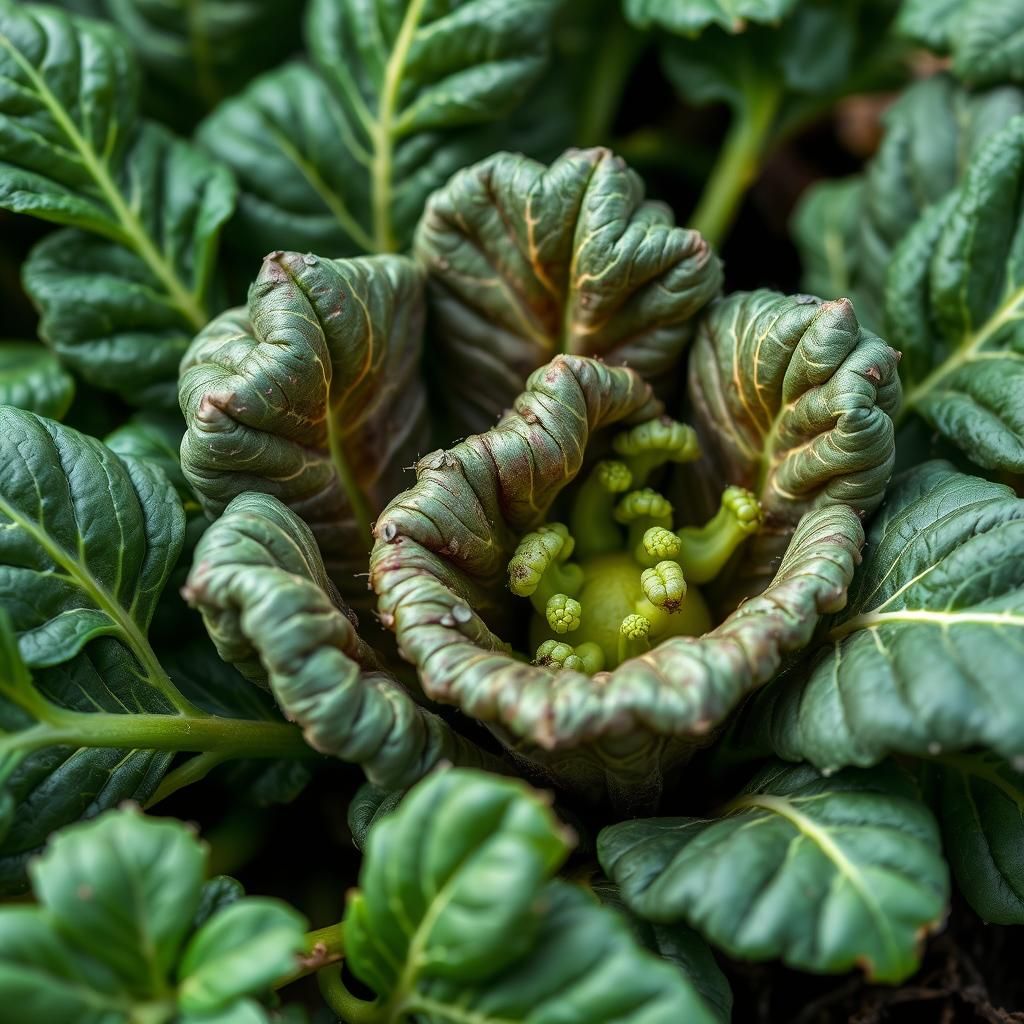
Growing vegetables can be a rewarding yet challenging endeavor, especially when it comes to identifying which varieties are the hardest to cultivate. With various factors like climate, soil quality, and pest management at play, some vegetables require more expertise and care than others. In this article, we will explore the hardest vegetables to grow, providing you with expert tips and tricks to enhance your gardening skills. Whether you're a novice gardener looking for a challenge or a seasoned green thumb aiming to expand your repertoire, this guide will equip you with the knowledge needed to tackle even the most stubborn veggies.
What is the Hardest Vegetable to Grow?
Growing vegetables can be a rewarding experience, but some varieties prove to be more challenging than others. One of the hardest vegetables to grow is the artichoke. This perennial plant requires a specific climate, typically thriving in warmer regions, and demands well-drained soil with plenty of organic matter. Artichokes are sensitive to frost and need a good amount of sunlight to produce the edible buds. Successful cultivation often necessitates patience, as they can take up to two years to reach full production, and they are also prone to pests and diseases, further complicating their growth for novice gardeners.
Climate Requirements
The climate plays a crucial role in the growth of challenging vegetables like the artichoke. This vegetable thrives in Mediterranean climates, where there are warm, dry summers and mild winters. Areas that experience heavy frost can hinder their growth, making it essential for gardeners to have a suitable climate or create an environment that mimics these conditions. Proper temperature management is vital for ensuring successful yields.
Soil Conditions
The soil quality directly impacts the success of growing artichokes. They prefer well-drained, fertile soil rich in organic matter. It's important to conduct a soil test to check for adequate pH levels and nutrients. Regular amendments with compost or well-rotted manure can improve soil structure and fertility. Poor soil conditions can lead to stunted growth and fewer yields.
Pest Management
Pest control is another significant factor in the difficulty of growing artichokes. These plants are susceptible to a variety of pests, including aphids, snails, and slugs, which can damage the foliage and ultimately reduce crop yield. Implementing preventive measures, such as companion planting or using organic pest control methods, is essential for maintaining a healthy crop and ensuring sustainability.
Watering Needs
Watering is a critical aspect of caring for artichokes. They require consistent moisture, particularly when the plants are young, to establish a robust root system. However, overwatering can lead to root rot, which can devastate the plant. Gardeners need to find a balance, ensuring the soil remains moist but not soggy, and ideally, drip irrigation is recommended for maintaining optimal moisture levels without waterlogging.
Harvesting Challenges
Harvesting artichokes can also present its own set of challenges. Vegetables need to be collected at the right stage of maturity for the best flavor and texture. Generally, the buds should be harvested when they are still closed and before they start to bloom. Timing the harvest correctly can be complex, as the plants may produce multiple buds simultaneously, requiring frequent monitoring to prevent waste.
| Vegetable | Difficulty Level | Key Requirements |
|---|---|---|
| Artichoke | High | Warm climate, well-drained soil, pest control |
| Celery | Medium | Consistent moisture, nutrient-rich soil |
| Asparagus | Medium | Well-drained soil, long-term commitment |
| Brussels Sprouts | Medium | Cool temperatures, adequate sunlight |
| Cauliflower | High | Cool weather, consistent watering |
What is the most difficult vegetable to grow?
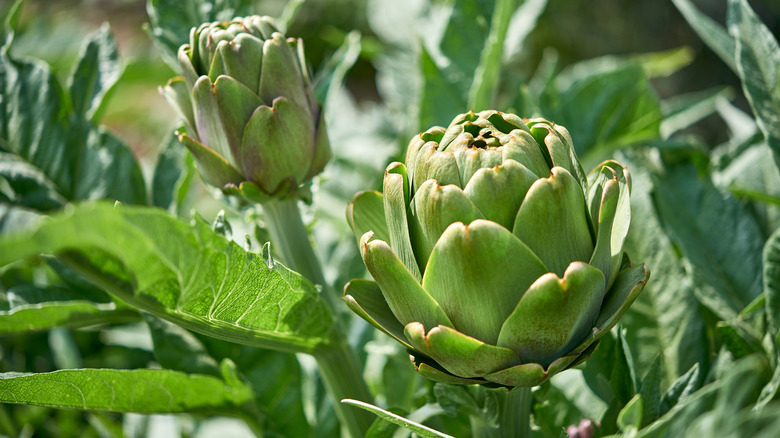
The most difficult vegetable to grow is widely considered to be artichokes. These plants require a specific combination of climate, soil conditions, and care that can pose challenges for even experienced gardeners. Artichokes thrive in mild climates, where the temperature does not drop below freezing. They require well-drained, fertile soil to support their growth and produce their large edible buds. In addition, artichokes are perennials, meaning that they can take a few growing seasons to establish themselves fully, necessitating patience from the gardener.
Climate Requirements
Growing artichokes successfully requires a temperate climate with relatively mild winters and cool, moist summers. These plants thrive best in temperatures ranging from 50 to 75 degrees Fahrenheit. If the temperature goes too low during the winter months, the plants can die back, making it difficult for them to produce a good yield in the subsequent growing season.
- Warm, dry summers help promote bud development.
- Freezing temperatures can severely damage the plants.
- In areas with high humidity, the risk of disease increases.
Soil Conditions
Artichokes require rich, loamy soil that is well-draining to prevent water accumulation that can lead to root rot. Soil pH should ideally be between 6.0 and 7.0, slightly acidic to neutral for optimal growth. Amending the soil with compost or well-rotted manure can enhance its nutrient content and improve drainage.
- Soil should be prepared with organic matter to boost fertility.
- Regular soil testing can help maintain optimal pH levels.
- Good drainage is crucial to prevent root issues.
Pest and Disease Management
Artichokes are susceptible to several pests and diseases, including aphids, slugs, and fungal infections. Keeping the plants healthy through proper care is essential, as weak plants are more likely to become infested. Implementing an integrated pest management approach can help minimize these threats.
- Regular monitoring for pests allows for early intervention.
- Encouraging beneficial insects can help control pest populations.
- Practicing crop rotation reduces the likelihood of disease buildup.
Watering Needs
Consistent watering is crucial for artichokes, particularly during dry spells. However, the plants do not tolerate sitting in water, making it essential to strike a balance. Deep watering encourages strong root development while preventing the topsoil from drying out completely.
See also:
- Watering should be adjusted based on rainfall and temperature.
- Mulching can help retain soil moisture.
- Drip irrigation is recommended to deliver consistent moisture.
Harvesting Challenges
Harvesting artichokes at the right time is critical for flavor and quality. If the buds are left too long, they will bloom into flowers, making them inedible. Knowing when the buds are the right size and tender enough to pick can be tricky, adding another layer of difficulty for growers.
- Buds should be harvested while still tight and before opening.
- Timing varies based on the variety and growing conditions.
- Experience is often needed to determine the perfect moment to harvest.
Which is the most difficult plant to grow?

The most difficult plant to grow is often considered to be the Rafflesia arnoldii, commonly known as the corpse flower. Native to the rainforests of Sumatra and Borneo, this plant is notorious for its challenges in growth and maintenance due to its unique biology and specific environmental requirements. The corpse flower is particularly difficult because it relies on a host vine for nutrients and can take several years to bloom, only to do so for a few days at a time, producing a strong odor that resembles rotting flesh. Here are detailed insights regarding the challenges associated with growing difficult plants like the corpse flower.
Why is Rafflesia arnoldii Considered Difficult?
The Rafflesia arnoldii is extremely challenging to cultivate because it has a highly specialized growth cycle that is dependent on specific conditions. The plant does not have leaves, stems, or roots like traditional plants, making it reliant on its host vine for sustenance. Its lifecycle includes a lengthy phase of dormancy, often lasting several years, which complicates cultivation efforts.
- Dependency on Host Plant: The corpse flower requires the Tetrastigma vine for nutrients, making it hard to maintain in isolation.
- Long Dormancy Period: Growth can take years, and collectors may lose patience before seeing any results.
- Specific Environmental Needs: The plant thrives in very humid conditions typical of tropical rainforests.
Environmental Requirements for Cultivation
For those who attempt to cultivate the corpse flower, understanding its specific environmental needs is crucial. It thrives in high-humidity, low-light environments, typical of its native rainforest habitat. Replicating these conditions outside of its natural habitat is nearly impossible for most gardeners.
- Humidity Level: Maintaining humidity levels above 90% is essential.
- Temperature: The ideal temperature range is between 20-30°C (68-86°F).
- Soil Type: The soil must be rich, well-draining, and somewhat acidic.
Challenges of Propagation
Propagating the corpse flower is incredibly challenging due to its complex reproductive system. The flowers are pollinated by specific insects that are rarely found outside their native environment, making artificial pollination initiatives difficult to implement.
- Limited Pollinator Availability: The flowers rely on specific carrion beetles for pollination.
- Fragile Flowers: The flowers only bloom for a few days, requiring precise timing for successful propagation.
- Seed Viability: The seeds are rarely viable, making reproduction a gamble.
Investment of Time and Resources
Growing difficult plants like the Rafflesia arnoldii requires not only expertise but also significant time and financial resources. Many enthusiasts find themselves invested in a project that can take years without guarantee of fruition.
- Long-Term Commitment: Patience is key, as initial growth stages can last several years.
- Financial Considerations: Special equipment and environmental controls may be necessary for success.
- Ongoing Maintenance: Regular monitoring and adjustments to conditions are required.
Alternative Difficult Plants to Consider
While the Rafflesia arnoldii tops the list, there are other plants known for their cultivation challenges. These plants share traits of requiring specific conditions or significant time investments.
- Franklinia alatamaha: This plant is extinct in the wild and grows poorly in gardens due to its unique requirements.
- Cycads: Known for their slow growth and specific light and water needs.
- Blue Vanda Orchids: These orchids require precise humidity and temperature to bloom effectively.
Is a fruit or vegetable?
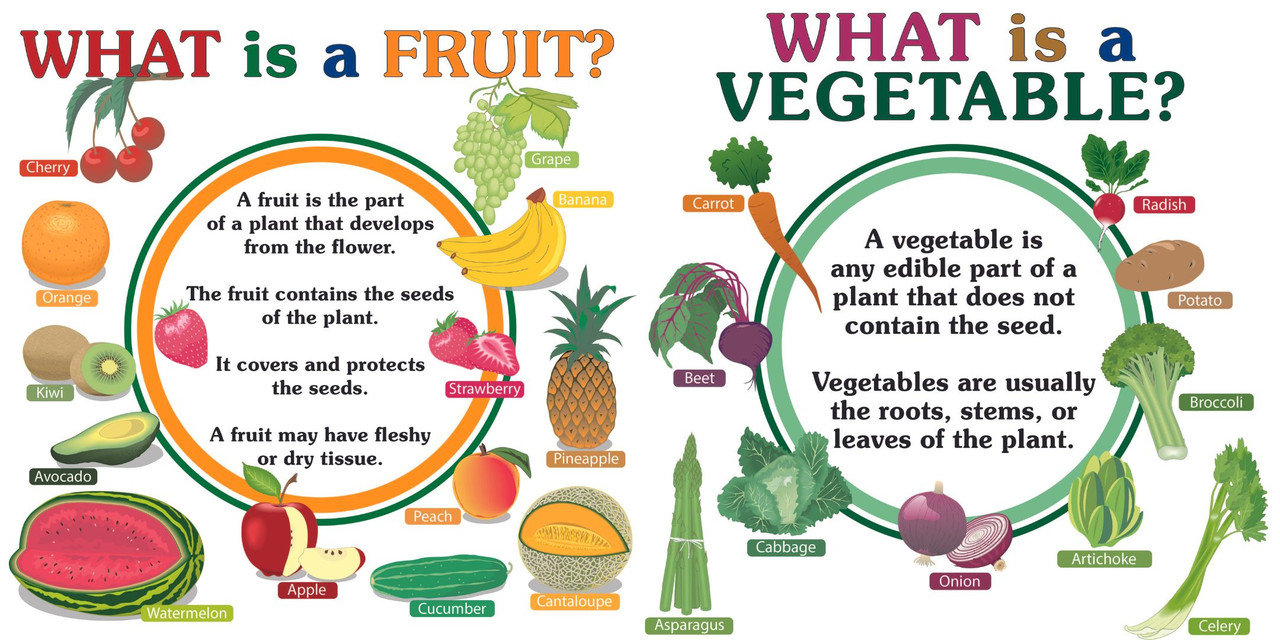
The eggplant, commonly known as , is a fruit. Botanically speaking, fruits develop from the ovary of a flower and contain seeds; therefore, eggplants fit this definition. They belong to the nightshade family, which also includes tomatoes and potatoes. The misconception that eggplants are vegetables arises from their culinary uses, where they are often prepared in savory dishes alongside other vegetables.
Botanical Classification of Eggplants
In botanical terms, eggplants are classified as fruits because they develop from the flowering part of the plant. Here are some facts regarding their classification:
- Ovary Development: The part of the plant that becomes the eggplant is the ovary of the flower.
- Seed Content: Eggplants contain seeds, which are characteristic of fruits.
- Family Relation: They belong to the Solanaceae family, which primarily consists of fruit-bearing plants.
Culinary Use of Eggplants
Despite being a fruit, eggplants are typically categorized as vegetables in culinary contexts. This is due to their flavor profile and the way they are used in dishes. Consider the following points:
- Savory Dishes: Eggplants are commonly found in savory recipes like ratatouille and moussaka.
- Texture and Flavor: Their robust texture and unique flavor make them suitable for main dishes and sides.
- Cultural Preference: In many cultures, they are treated as vegetables because they are rarely eaten raw.
Nutritional Benefits of Eggplants
Eggplants are rich in various nutrients and offer several health benefits, which is another reason they are popular in dishes. The key benefits include:
See also:
- Low in Calories: Eggplants are low in calories, making them a great option for weight management.
- High in Fiber: They contain dietary fiber that aids in digestion and promotes gut health.
- Rich in Antioxidants: Eggplants have antioxidants such as nasunin that help protect cells from damage.
Growing and Harvesting Eggplants
The cultivation of eggplants requires specific conditions and care to yield a good harvest. Important aspects include:
- Climate Requirements: They thrive in warm climates and need ample sunlight for optimal growth.
- Soil Conditions: Eggplants prefer well-drained soil rich in organic matter.
- Harvest Timing: They should be harvested when they are glossy and firm, typically when they reach a certain size.
Varieties of Eggplants
There are numerous varieties of eggplants, each with distinct characteristics suited to different recipes and preferences. Some notable varieties are:
- Italian Eggplant: A classic variety that is bulbous and deep purple, perfect for baking.
- Japanese Eggplant: This variety is long, slender, and has a slightly sweeter flavor.
- White Eggplant: These have a milder taste and are often used for ornamental purposes as well.
What is the world's hardest vegetable?
The world's hardest vegetable is often considered to be the celeriac, also known as celery root. This vegetable belongs to the same family as celery and has a dense, knobby exterior that can be quite challenging to cut and prepare. Its tough outer layer protects a firm interior that is highly nutritious and versatile for culinary uses.
Celeriac's hardness is attributed to its dense texture, which enables it to withstand harsh growing conditions. When harvesting, this vegetable requires strong tools and some effort, making it stand out among other vegetables.
Culinary Uses of Celeriac
Celeriac offers a unique flavor profile that can enhance various dishes. It is often used in soups, stews, and salads. Its crunchy texture can be a delightful addition to raw dishes, providing both flavor and nutritional value.
- Soups: Celeriac can be roasted or boiled and blended into creamy soups.
- Salads: Shaved or grated raw celeriac adds crunch to salads.
- Purees: Boiled and mashed celeriac is a great alternative to traditional mashed potatoes.
Nutritional Benefits
Celeriac is packed with high-quality nutrients, making it an excellent choice for a healthy diet. It is low in calories but rich in vitamins, minerals, and fiber.
- Vitamin K: Important for bone health and blood function.
- Potassium: Helps regulate blood pressure and fluid balance.
- Fiber: Aids in digestion and promotes a healthy gut.
Growing Conditions
To cultivate celeriac successfully, it requires specific growing conditions that contribute to its toughness. It thrives in cooler temperatures and needs ample moisture throughout its growing season.
- Soil: Grows best in nutrient-rich, loamy soil.
- Sunlight: Prefers partial shade to full sun.
- Watering: Consistent moisture is essential for optimal growth.
Comparing Hardness with Other Vegetables
In terms of hardness, celeriac surpasses many other vegetables like potatoes and carrots. Its tough exterior and firm texture make it distinct.
- Celeriac: Dense and knobby, requires effort to prepare.
- Beets: Can be hard but typically easier to cut than celeriac.
- Carrots: Firm, but not as dense as celeriac.
Preparation Techniques
Due to its hardness, celeriac requires specific preparation techniques to make it palatable. Proper handling can unlock its flavor and texture.
- Peeling: Use a sharp knife to remove the tough outer skin.
- Cooking: Roasting or boiling can soften it for various dishes.
- Shredding: Grating or shredding raw celeriac makes it more versatile.
Questions from Our Readers
What is the hardest vegetable to grow?
The hardest vegetable to grow is often considered to be celery. This is due to its long growing season and the specific conditions it requires, including consistent moisture and a cool climate. Celery is also prone to pests and diseases, making it a challenging crop for many gardeners.
Why is it difficult to grow celery?
Celery is difficult to grow because it requires a lot of attention and care. It needs very moist soil and can suffer from issues like bolt and pest infestations if not managed properly. Additionally, the growing period is lengthy, often taking up to 4 months from seed to harvest.
Are there any vegetables that are easier to grow for beginners?
Yes, many beginners find vegetables like radishes and lettuce much easier to grow. These vegetables have a shorter growing season, are less susceptible to pests, and require fewer specific conditions, making them ideal for those just starting in gardening.
See also:
What conditions do challenging vegetables require?
Challenging vegetables typically require specific soil conditions, like proper pH levels, sufficient nutrients, and consistent moisture. They often thrive in controlled environments, such as greenhouses, where temperature and humidity can be regulated to ensure optimal growth.

If you want to read more articles like Discover What is the Hardest Veg to Grow? Expert Tips and Tricks, we recommend you check out our Garden category.
Leave a Reply
Related Articles