Ultimate Guide: How to Heat a Greenhouse in Winter for Free in Canada?
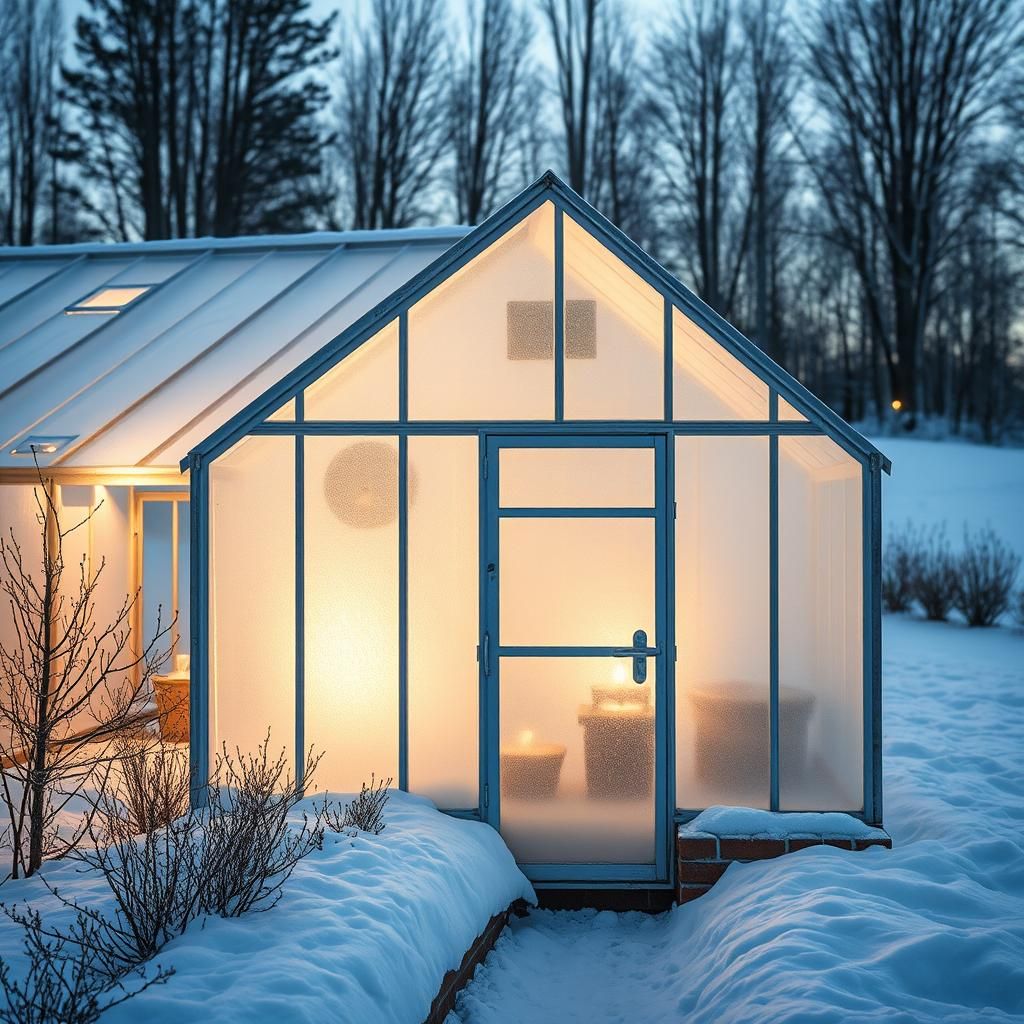
As winter envelops Canada in a chilly embrace, maintaining a warm environment for your greenhouse can become a daunting challenge. However, achieving a temperature balance without incurring high heating costs is entirely possible. This ultimate guide explores innovative and practical strategies to heat your greenhouse during the cold months, all while minimizing expenses. From harnessing solar energy to utilizing thermal mass and incorporating smart design features, you'll discover methods that not only help protect your plants but also align with sustainable practices. Join us as we uncover effective techniques to keep your greenhouse thriving through the harshest winters, all for free.
Free Heating Solutions for Winter Greenhouses in Canada
To effectively heat a greenhouse during the winter months in Canada without incurring costs, utilizing natural resources and effective insulation methods is essential. One of the most effective techniques is to maximize sunlight exposure by ensuring the greenhouse is positioned to capture sunlight during the day. Incorporating thermal mass materials such as water barrels or bricks can store warmth from the sun, releasing it slowly during the night. Additionally, utilizing row covers, bubble wrap insulation, or even old windows can significantly reduce heat loss. This method keeps the internal temperature from dropping drastically, thereby allowing plants to thrive without the need for commercial heating systems.
Maximizing Sunlight Exposure
Positioning your greenhouse to face south can capture the maximum amount of sunlight during the day. Choosing a location away from tall trees or buildings will enhance this effect and ensure that your plants receive the necessary light and heat to flourish during the cold months. Additionally, keeping the interior free of obstructions, such as tall plants or equipment, can help in better light penetration.
Using Thermal Mass for Heat Retention
Incorporating thermal mass within your greenhouse can significantly enhance heat retention. Materials like water, stones, or bricks absorb heat from the sun during the day and slowly release it during colder nights. This can create a more stable environment, reducing dramatic temperature fluctuations that can harm plants. Filling containers with water and placing them strategically throughout the greenhouse is an excellent way to utilize this method.
Insulating Your Greenhouse
Proper insulation is crucial for reducing heat loss in a winter greenhouse. Use materials like bubble wrap, old windows, or even plastic sheets to cover the external surfaces of the greenhouse. These materials create an air pocket that acts as an insulator, preventing cold air from entering while maintaining the warmth generated from the sun. Additionally, covering the ground with mulch or straw can help retain heat from the soil.
See also:
Utilizing Natural Ventilation
Natural ventilation can help maintain optimal temperature levels within the greenhouse. By strategically opening vents during the warmer parts of the day, excess heat can escape, preventing overheating when the sun shines. Conversely, closing the vents at night retains heat. Using adjustable vents allows for better control of airflow and temperature regulation as outdoor conditions fluctuate.
Planting to Generate Heat
Certain plant species can help generate additional warmth within your greenhouse. Composting materials or using plants that produce heat during their growth processes can provide small amounts of additional warmth. As organic matter breaks down, it generates heat, aiding in maintaining a warmer environment. Additionally, companion planting can help in maximizing space and efficiency within the greenhouse.
| Method | Description |
|---|---|
| Maximizing Sunlight | Position greenhouse to capture sunlight. |
| Thermal Mass | Use materials that store and release heat. |
| Insulation | Use materials to reduce heat loss. |
| Natural Ventilation | Regulate temperature by opening and closing vents. |
| Planting for Heat | Grow heat-generating plants and compost. |
Natural Heating Methods for Greenhouses in Canada
In Canada, where the winters can be quite harsh, utilizing natural heating methods for greenhouses is essential for maintaining a productive growing environment without incurring high costs. One of the most effective techniques involves maximizing solar gain by using materials that absorb and retain heat during the day, like thermal mass materials such as water barrels or stone. Ensuring your greenhouse is strategically located to capture the most sunlight, along with utilizing insulated designs and proper ventilation, can significantly reduce the need for artificial heating. Additionally, incorporating companion planting can harness plant relationships that help maintain warmth and humidity levels, thus enhancing overall plant health.
Utilizing Thermal Mass for Heat Retention
Incorporating thermal mass into your greenhouse can significantly improve its temperature regulation during cold winter months. Materials such as water, concrete, or stone can store heat accumulated during sunny days and release it slowly during the night, preventing drastic temperature drops. To optimize this method, place water barrels or containers filled with water around your greenhouse, and consider painting them dark colors to enhance heat absorption. This strategy not only helps in maintaining warmth but also reduces the reliance on additional heating sources.
Solar Greenhouse Design for Energy Efficiency
Designing your greenhouse to maximize solar exposure is crucial for effective heat management in winter. Optimal orientation is typically south-facing, as it captures the most sunlight throughout the day. Additionally, utilizing high-efficiency glazing materials can enhance thermal performance by minimizing heat loss during the night. Structures with sloped roofs allow snow to slide off, further enhancing sunlight penetration. Including overhangs can also protect plants from excessive sunlight during the summer months while allowing winter rays to enter.
See also:
Insulation Techniques for Greenhouses
Proper insulation is vital for keeping your greenhouse warm during the winter. Using insulating materials such as bubble wrap, double-walled panels, or thermal curtains can significantly reduce heat loss. These materials create air pockets that trap heat, improving overall efficiency. Covering the greenhouse at night with insulation will ensure minimal temperature fluctuations, protecting your plants from the extreme cold. Regular maintenance is also essential to ensure that the insulation materials remain effective, keeping the structure as airtight as possible.
The Role of Companion Planting
Companion planting can be an effective strategy to maintain warmth and humidity levels in your greenhouse during winter. Specific plant pairings can create a microclimate, benefiting each other through shade, moisture retention, and minimized pest pressures, which can contribute to a healthier overall environment. For example, placing hearty crops like kale alongside warmth-loving plants such as peppers can help regulate temperatures and foster growth. This symbiotic relationship allows for better heat conservation and more efficient use of resources.
DIY Heat Sources for Greenhouses
Creating your own heat sources can be a cost-effective way to warm your greenhouse without relying on commercial systems. Options include setting up compost bins that generate heat as organic materials break down or using solar heaters constructed from simple materials. Black barrels filled with water and exposed to sunlight act as passive heaters while using discarded bottles or containers to create mini greenhouses can be effective for individual plants. These DIY solutions can work in tandem to maintain a stable temperature within the greenhouse during the cold winter months.
Questions from Our Readers
What are some effective ways to heat a greenhouse in winter for free?
To heat a greenhouse in winter for free, consider using passive solar heating techniques, such as installing thermal mass materials like water barrels or stones that absorb heat during the day and release it at night. Additionally, utilizing insulation with materials like bubble wrap or row covers can help retain heat.
How can natural sunlight be maximized for winter heating?
Maximizing natural sunlight involves strategically positioning your greenhouse to capture the most sunlight possible. Make sure to use transparent materials for your roof and walls and keep the glass clean to ensure that sunlight can enter freely, thus helping to maintain a warmer temperature inside.
See also:
Is composting a good method to provide heat in a greenhouse?
Yes, composting can be an excellent method to generate heat in your greenhouse. As organic materials decompose, they release heat, which can help maintain a suitable temperature for your plants, especially when placed in close proximity to your plants or within a designated compost pile inside the greenhouse.
Can the use of windbreaks help in heating a greenhouse?
Absolutely, installing windbreaks around your greenhouse can help reduce drafts and prevent cold winds from lowering the inside temperature. By blocking the wind, these barriers enhance the effectiveness of any passive heating methods you implement, ultimately resulting in a warmer environment for your plants.

If you want to read more articles like Ultimate Guide: How to Heat a Greenhouse in Winter for Free in Canada?, we recommend you check out our Garden category.
Leave a Reply
Related Articles