Understanding the Impact: Why are Greenhouses Bad for the Environment?

The growing popularity of greenhouses has led to significant advancements in agricultural productivity, yet their environmental implications often go overlooked. While these structures are designed to enhance plant growth by providing controlled conditions, they also contribute to a range of ecological concerns. From energy consumption and carbon emissions to potential water usage issues and habitat disruption, the impact of greenhouses extends beyond mere agricultural benefits. This article aims to delve into the multifaceted ways in which greenhouses can negatively affect the environment, encouraging a deeper understanding of sustainable practices and the need for alternative solutions in modern farming.
Why Are Greenhouses Bad for the Environment?
The construction and operation of greenhouses can have detrimental effects on the environment due to factors such as high energy consumption, land use, and the emission of greenhouse gases. While they are designed to create a controlled environment for crops, the reliance on artificial heating, cooling, and lighting can lead to a significant increase in fossil fuel usage. Additionally, the materials used in greenhouse construction, often made from plastic, contribute to pollution and waste management issues. Furthermore, the industrial agricultural practices promoted by greenhouse farming can result in soil degradation, loss of biodiversity, and increased chemical runoff, which negatively impacts surrounding ecosystems.
High Energy Consumption in Greenhouses
Greenhouses often require extensive energy for heating, cooling, and maintaining optimal growing conditions. This high energy demand is typically met through fossil fuels, leading to a substantial carbon footprint. The reliance on non-renewable energy sources not only contributes to climate change but also results in increased operational costs for farmers, ultimately impacting food prices.
Land Use and Habitat Destruction
The expansion of greenhouse farming can lead to the conversion of natural habitats into agricultural lands, causing habitat destruction and fragmentation. This conversion can threaten local species and reduce biodiversity, as it removes wildlife and their natural environments for the sake of crop production. Such practices disrupt ecosystem balance and may lead to long-term ecological consequences.
Plastic Pollution from Greenhouses
Many greenhouses are constructed from plastic materials, which pose a significant environmental challenge. The production, utilization, and disposal of plastic can lead to pollution in local environments. When plastic films used for covering greenhouses are discarded improperly, they contribute to landfill issues and can leak harmful chemicals into the soil and waterways. Moreover, plastic waste can harm wildlife that inadvertently ingests or gets entangled in it.
Soil Degradation and Chemical Runoff
Intensive agricultural practices in greenhouses often rely heavily on chemical fertilizers and pesticides. The overuse of these substances can degrade soil health, reduce fertility, and disrupt beneficial microbial ecosystems. Additionally, when it rains, runoff from these greenhouses can carry chemicals into nearby water bodies, leading to eutrophication and contaminating drinking water sources.
Contribution to Climate Change
While greenhouses are designed to reduce the impact of weather on crop production, their operations can actually contribute to climate change. The greenhouse effect is exacerbated by the gases emitted during energy production and agricultural practices. Consequently, while these structures aim to provide food security, their negative contributions to greenhouse gas emissions indicate a need for more sustainable practices and alternative farming methods.
| Issue | Description |
|---|---|
| Energy Consumption | High energy needs lead to increased carbon footprint. |
| Land Use | Natural habitats converted to agricultural land can cause biodiversity loss. |
| Plastic Pollution | Plastic materials can contribute to landfill issues and chemical leakage. |
| Soil Degradation | Chemical use leads to reduced soil health and fertility. |
| Climate Change | Operation contributes to greenhouse gas emissions. |
What are the negative effects of greenhouses?
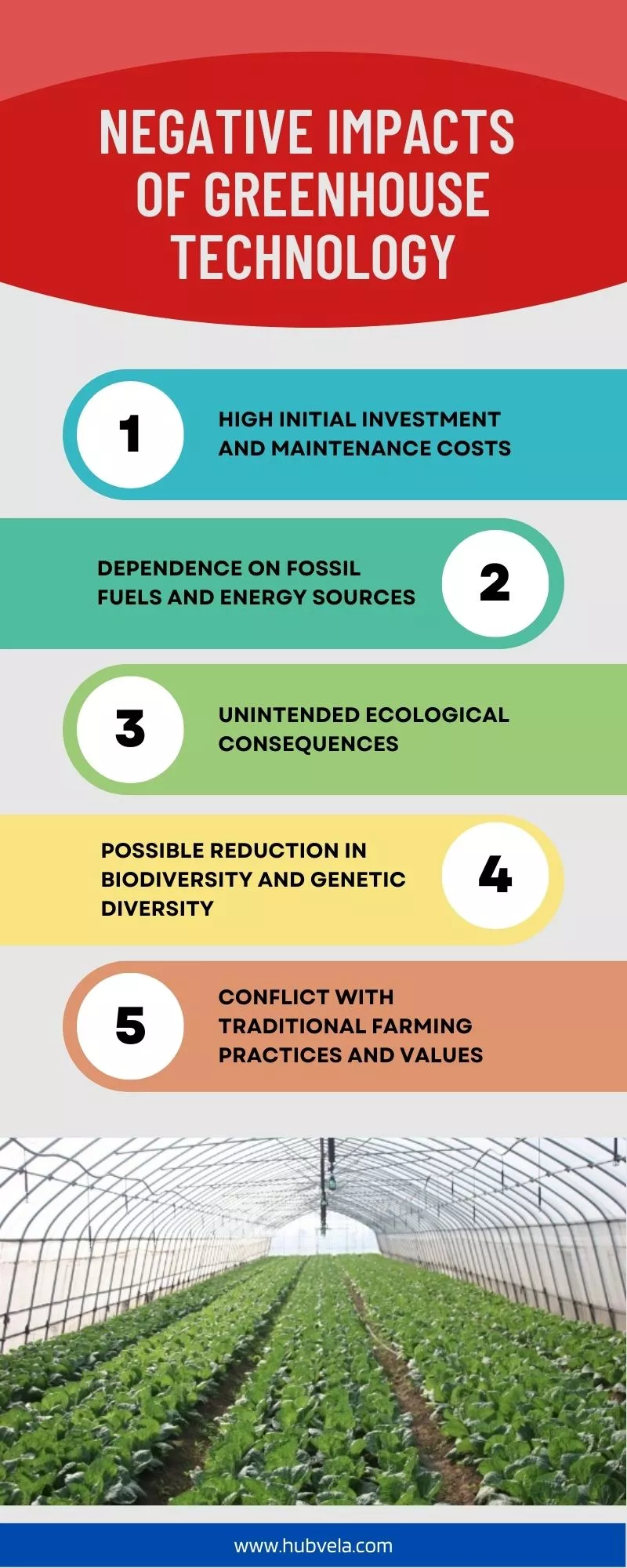
The use of greenhouses offers various benefits for agriculture, but it also presents several negative effects which can impact the environment, health, and the economy. Here are some of the notable negative effects of greenhouses:
Environmental Impact
The construction and maintenance of greenhouses can lead to significant environmental issues. Some of the adverse effects include:
- Land Use Change: Building greenhouses often requires clearing land, which can disrupt local ecosystems and lead to habitat loss.
- Water Consumption: Intensive greenhouse farming raises concerns about increased water usage, which can deplete local water sources and affect surrounding agriculture.
- Pollution: The use of synthetic fertilizers and pesticides in greenhouses can result in chemical runoff that contaminates soil and water bodies.
Energy Consumption
Greenhouses often require a significant amount of energy for heating, cooling, and lighting. This dependency can have various negative ramifications:
- Fossil Fuel Dependency: Many greenhouses rely on fossil fuels for energy, contributing to greenhouse gas emissions and climate change.
- High Energy Costs: The energy requirements mean higher operational costs, which can be unsustainable in the long run.
- Resource Depletion: Increased demand for energy can strain local energy resources, affecting availability for other uses.
Health Risks
The practices associated with greenhouse farming can pose health risks for workers and local communities:
- Pesticide Exposure: The frequent use of chemicals in greenhouses can expose workers to harmful substances, leading to health complications.
- Respiratory Issues: Poor ventilation and the accumulation of mold and other allergens in greenhouses can cause respiratory problems for those working inside.
- Food Safety: Improper use of chemicals can result in pesticide residues on produce, presenting health risks to consumers.
Economic Concerns
While greenhouses can increase productivity, they can also introduce several economic challenges:
- High Initial Investment: The cost of building and maintaining greenhouse structures can be prohibitive for small farmers.
- Market Competition: Industrial greenhouse operations may drive smaller farms out of business due to their ability to produce at lower costs.
- Dependence on Technology: Reliance on advanced technologies and equipment can lead to high operational risks if systems fail or require expensive repairs.
Waste Generation
The operation of greenhouses can result in significant waste generation, impacting the environment:
See also:
- Plastic Waste: Many greenhouses use plastic coverings and containers, which contribute to long-term environmental pollution when not disposed of properly.
- Organic Waste: The production of plants leads to organic waste, which must be managed properly to avoid contributing to landfill issues.
- Chemical Waste: Improper disposal of chemical containers and residual pesticides can lead to soil and water contamination.
How do greenhouses affect our environment?
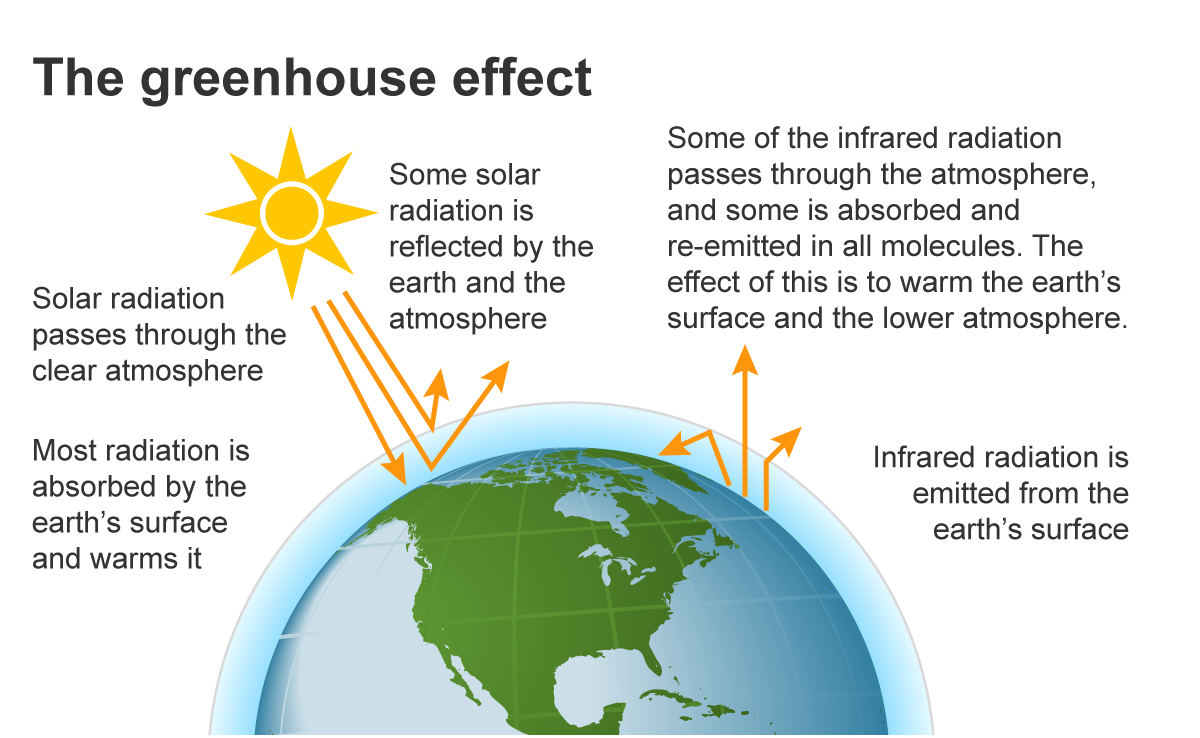
Greenhouses play a significant role in affecting our environment in various ways. They are structures designed to optimize the growth of plants through controlled climate conditions. While they provide benefits in agriculture, they also have broader environmental implications.
1. Greenhouse Gas Emission
Greenhouses contribute to the greenhouse effect, which refers to the process where certain gases trap heat in Earth's atmosphere. This effect is vital for maintaining temperatures conducive to life but is significantly altered by human activity.
- Carbon Dioxide (CO2): Increased as a result of fossil fuel combustion and deforestation.
- Methane (CH4): Emitted from agricultural practices, including livestock and rice cultivation.
- Nitrous Oxide (N2O): Released from fertilizers and certain agricultural practices.
2. Biodiversity Conservation
Greenhouses provide an opportunity for cultivating diverse plant species in controlled environments, aiding biodiversity. This is particularly important as it helps preserve genetic variation and supports ecosystems.
- Species Preservation: Specific plants at risk in the wild can be grown in greenhouses.
- Cross-Pollination: Managed settings can encourage the transfer of genetic material between species.
- Invasive Species Management: Controlled conditions can be used to study and mitigate invasive plant species.
3. Water Conservation
Greenhouses often employ efficient irrigation systems that significantly reduce water usage compared to traditional farming. This conservation of water resources is crucial in areas facing water scarcity.
- Drip Irrigation: Delivers water directly to the plant roots, minimizing waste.
- Water Recycling: Some greenhouses recycle water through various systems, reducing overall consumption.
- Humidity Control: By retaining moisture in the air, greenhouses decrease evaporation rates.
4. Energy Consumption
The operation of greenhouses can lead to increased energy consumption due to the need for heating, cooling, and lighting. The sources of energy can impact the environment positively or negatively.
- Renewable Energy Use: Solar panels can be integrated to reduce fossil fuel dependence.
- Insulation Techniques: Improved materials can minimize heating and cooling energy needs.
- Geothermal Heating: Some greenhouses utilize the Earth's internal heat for energy efficiency.
5. Soil Health Impact
Greenhouses can influence soil health positively or negatively, depending on practices employed within them. Understanding these impacts is essential for sustainable agriculture.
- Reduced Soil Erosion: Controlled environments prevent the erosion typical in open-field farming.
- Soil Depletion Risks: Over-reliance on soil for growing can lead to nutrient depletion.
- Organic Practices: Many greenhouses incorporate organic methodologies, enhancing soil quality over time.
What are 5 disadvantages of the greenhouse effect?
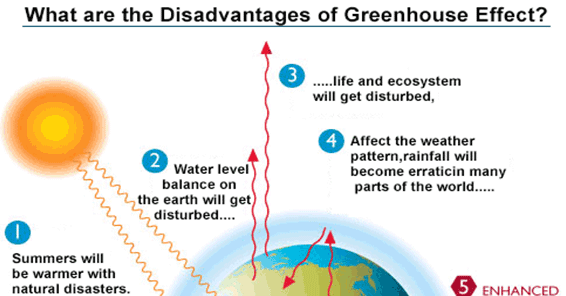
The greenhouse effect, while a natural process, has significant disadvantages that can severely impact the environment and human health. Here are five notable disadvantages of the greenhouse effect:
1. Climate Change
The greenhouse effect contributes to global warming, leading to drastic changes in climate patterns. As temperatures rise, the effects can include:
- Increased frequency of extreme weather events, such as hurricanes, floods, and droughts.
- Changes in precipitation patterns, affecting water supply and agricultural productivity.
- Destruction of ecosystems that struggle to adapt to rapidly changing climates.
2. Sea Level Rise
The rising temperatures caused by the greenhouse effect lead to the melting of polar ice caps and glaciers, contributing to rising sea levels. This phenomenon poses severe risks such as:
- Flooding of coastal areas, displacing communities and existing infrastructure.
- Increased salinity of freshwater sources, affecting agriculture and drinking water supplies.
- Loss of habitat for species that inhabit coastal regions, leading to biodiversity loss.
3. Ocean Acidification
See also:
Increased levels of carbon dioxide (CO2) from the greenhouse effect are absorbed by oceans, resulting in ocean acidification. This process has alarming impacts including:
- Damaging coral reefs, which are vital for marine biodiversity and coastal protection.
- Disrupting marine food chains, affecting fisheries and the livelihoods of communities dependent on fishing.
- Altering species composition, as some marine organisms struggle to survive in more acidic conditions.
4. Health Risks
The consequences of the greenhouse effect extend to public health, with various risks associated with climate change. These risks can include:
- Increased incidence of heat-related illnesses, such as heat exhaustion and heat strokes.
- Emergence of vector-borne diseases, including malaria and dengue fever, as warmer climates allow vectors like mosquitoes to thrive.
- Worsening air quality, which can increase respiratory problems and cardiovascular diseases.
5. Food Security Threats
The impact of the greenhouse effect on agriculture poses significant risks to food security worldwide. The disadvantages associated are:
- Decreased crop yields in regions that become too dry or too wet for farming, drastically affecting food supply.
- Increased pest and disease outbreaks that jeopardize food production and farmers’ livelihoods.
- Rising food prices due to scarcity, making it difficult for vulnerable populations to access nutritious food.
What is the problem with greenhouses?

The problems with greenhouses are multifaceted and can affect their efficacy, productivity, and sustainability. Below are various issues commonly associated with greenhouse operations.
Environmental Impact
Greenhouses can have a substantial environmental impact that may counteract their benefits. Some of the key concerns include:
- Energy consumption: Greenhouses often require significant energy for heating and cooling, contributing to greenhouse gas emissions.
- Water usage: They may utilize large quantities of water, leading to depletion of local water sources, especially in arid regions.
- Waste generation: The materials used for greenhouse construction and production processes may lead to substantial waste if not properly managed.
Pest and Disease Management
Managing pests and diseases in greenhouses can be challenging. The enclosed environment can create ideal conditions for certain pests and diseases, which may lead to:
- Resistance development: Continuous use of pesticides can lead to resistant strains of pests, making management more difficult.
- Rapid spread: If a disease is introduced, it can spread quickly due to the closed nature of the greenhouse.
- Increased costs: Managing these issues can increase operational costs, affecting profitability.
High Initial Investment
Starting a greenhouse operation often requires a high initial investment, which can deter potential growers. Key components of this financial burden include:
- Construction costs: Building a greenhouse involves significant expenses for materials, design, and labor.
- Equipment investment: Essential systems such as heating, cooling, and irrigation require additional funding.
- Operational costs: Ongoing costs, including utilities and maintenance, can further strain budgets.
Climate Control Challenges
Despite being designed to control environmental conditions, greenhouses can face significant climate control challenges. Issues that arise include:
- Temperature fluctuations: Maintaining optimal temperatures can be difficult, particularly during extreme weather conditions.
- Humidity levels: High humidity can lead to mold and mildew, while too low humidity can stress plants.
- Energy efficiency: Many greenhouses struggle with energy inefficiency, leading to increased operational costs.
Sustainability Concerns
The sustainability of greenhouse operations is often questioned due to various factors. Some major concerns include:
- Resource depletion: Unsustainable water usage and energy consumption risk depleting essential resources.
- Soil health: Continuous use of soil without proper management can lead to depletion of nutrients and overall soil quality.
- Dependence on synthetic inputs: Excessive reliance on fertilizers and pesticides can have long-term negative impacts on the environment.
Questions from Our Readers
Why do greenhouses contribute to climate change?
Greenhouses can contribute to climate change because they trap heat from the sun, which can lead to higher global temperatures. This warming effect can accelerate the rate of climate change by enhancing the greenhouse gas effect, resulting in more extreme weather patterns and disruptions to natural ecosystems.
What are the impacts of greenhouse gas emissions?
The emissions from greenhouses, particularly from the fuel used for heating and powering them, can release significant amounts of carbon dioxide and other greenhouse gases. These emissions contribute to air pollution, which not only affects the climate but also poses health risks to humans and wildlife.
See also:
How do greenhouses affect local environments?
Greenhouses can alter local environments by consuming resources such as water and land, which can strain local ecosystems. The extensive use of chemicals and pesticides in some greenhouses may lead to soil degradation and water contamination, harming native flora and fauna.
While greenhouses can optimize food production, their overall sustainability is often questioned due to energy consumption and resource use. Without implementing sustainable practices, such as renewable energy sources and eco-friendly materials, greenhouses may not be a viable solution for sustainable agriculture in the long run.

If you want to read more articles like Understanding the Impact: Why are Greenhouses Bad for the Environment?, we recommend you check out our Garden category.
Leave a Reply
Related Articles