Can You Use a Greenhouse as a Summer House? Exploring Innovative Spaces for Relaxation

As the warm embrace of summer approaches, many are seeking unique ways to enhance their outdoor living spaces. One innovative option that has gained popularity is transforming a greenhouse into a summer house. This concept merges the benefits of a traditional greenhouse—natural light and a connection to nature—with the comforts of a cozy retreat. In this article, we will explore the versatility of greenhouses, discussing how they can be reimagined as inviting spaces for relaxation, entertainment, and creativity. From design ideas to practical considerations, discover how a greenhouse can become your perfect summer getaway.
Can You Use a Greenhouse as a Summer House?
Yes, you can use a greenhouse as a summer house, provided that certain modifications are made to ensure comfort and functionality. Typically designed for plant growth, greenhouses are built with ample natural light and ventilation, which can be advantageous for a summer retreat. To convert a greenhouse into a livable space, consider adding insulation, appropriate furnishings, and climate control systems such as fans or heaters. With the right enhancements, a greenhouse can serve as a unique escape, allowing you to connect with nature while enjoying the comforts of a home.
Benefits of Using a Greenhouse as a Summer House
Utilizing a greenhouse as a summer house comes with several benefits. Firstly, it provides an abundant amount of natural light, which can significantly enhance your mood during the day. Additionally, the glass structure allows for a unique view of the surrounding environment, creating a serene atmosphere. A greenhouse can also serve as an eco-friendly option, utilizing materials like recycled glass and sustainable practices to maintain the space. Finally, if you are an enthusiast of gardening, it can easily double as a space for nurturing your plants.
Necessary Modifications for Comfort
To transform a greenhouse into a usable summer house, some necessary modifications should be considered. Insulating the walls and ceiling will help keep the temperature comfortable during warm days. Additionally, installing screened windows can allow for ventilation while keeping insects out. It may be beneficial to add shading options such as curtains or awnings to control the amount of sunlight entering the space. Consider also the flooring—adding comfortable flooring materials can enhance the overall aesthetic and comfort of the summer house.
Design Ideas for Your Greenhouse Summer House
When designing your greenhouse summer house, creativity can play a significant role. Opt for a minimalist design that emphasizes natural materials to maintain the organic feel of the greenhouse. Incorporate comfortable seating areas with cushions and tables made from wood or other sustainable resources. Consider adding hanging plants or vertical gardens to enhance the greenery inside, creating a cozy environment. Utilizing soft lighting, such as string lights or lanterns, can also add warmth to the space during evening hours.
Potential Challenges to Consider
While there are many advantages to using a greenhouse as a summer house, certain challenges may arise. One major concern is temperature regulation; without proper insulation, the space can become very hot during the day. Additionally, keeping the area pest-free can be challenging, depending on the plants housed within. Maintenance is also a factor—regular cleaning of glass surfaces is necessary to maintain a pleasant environment. Lastly, zoning regulations should be checked, as some areas may have restrictions on using greenhouses as living spaces.
Cost Considerations for Conversion
Converting a greenhouse into a summer house involves various costs that need to be taken into account. The initial investment for the greenhouse itself can vary widely depending on its size and materials used. Additional expenses can arise from necessary modifications such as insulation, furnishings, and electricity for climate control systems. It's crucial to create a budget that includes maintenance costs and any potential upgrades for comfort and aesthetics. In the long run, a well-converted greenhouse can provide substantial value as a unique living space.
| Modification Type | Purpose | Estimated Cost |
|---|---|---|
| Insulation | Maintain comfortable temperature | $500 - $1,500 |
| Furnishings | Create a cozy living environment | $300 - $1,000 |
| Climate Control System | Temperature regulation | $200 - $800 |
| Lighting | Enhance ambiance | $100 - $600 |
| Pest Control | Maintain a comfortable living space | $50 - $300 |
Can greenhouses be used in summer?
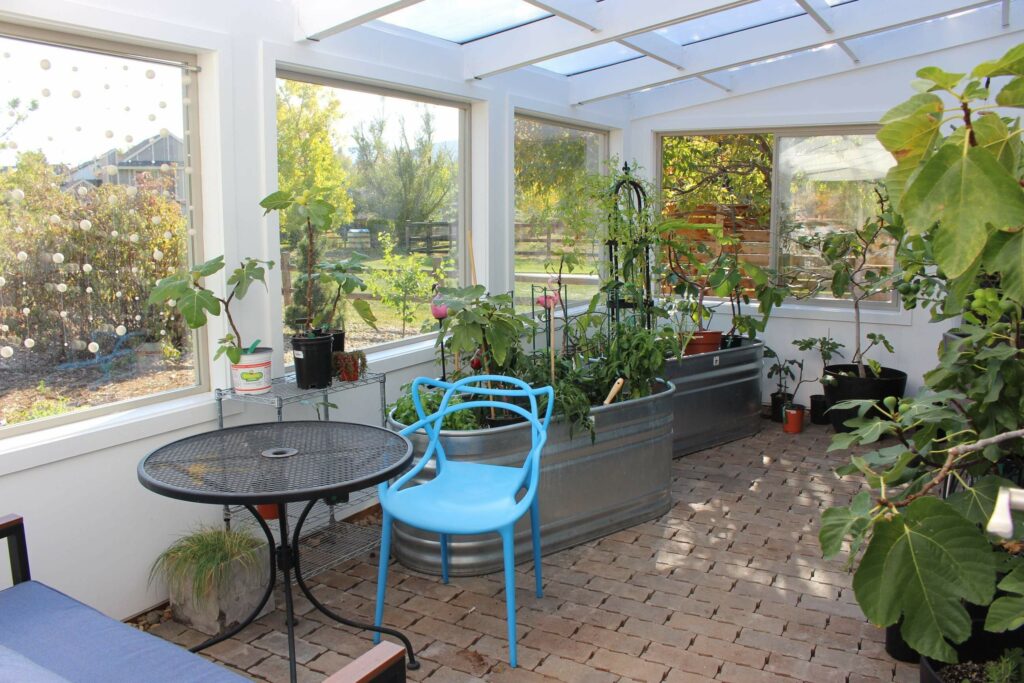
Greenhouses can indeed be used during summer, but their efficiency and effectiveness depend on various factors, including design, ventilation, and plant choices. The primary purpose of a greenhouse is to create a controlled environment that protects plants from adverse weather conditions and pests. In summer, however, the internal temperature of a greenhouse can rise significantly, which can lead to heat stress for the plants if not properly managed.
To effectively utilize a greenhouse in summer, it is essential to implement strategies that promote adequate cooling and ventilation. This may involve installing shading systems, using evaporative cooling methods, and ensuring proper air circulation to maintain a suitable environment for plant growth.
Understanding Greenhouse Temperature Control
Controlling the temperature inside a greenhouse during summer is crucial for the health of plants. High temperatures can inhibit growth and lead to wilting or even death. Here are some methods to manage temperature effectively:
See also:
- Ventilation: Use roof vents and side vents to allow hot air to escape.
- Shading: Employ shade cloths or grow lights to reduce direct sunlight exposure.
- Fans: Utilize oscillating fans to encourage air circulation and distribute temperature evenly.
Choosing the Right Plants for Summer Growth
Not all plants thrive in high temperatures, and selecting the right varieties is essential for summer greenhouse gardening. Some plants prefer warmer conditions and can benefit from greenhouse environments:
- Heat-Tolerant Vegetables: Consider plants like tomatoes, peppers, and cucumbers that flourish in warm conditions.
- Herbs: Varieties such as basil and oregano can thrive and enhance a summer garden.
- Flowers: Many summer-blooming flowers, like zinnias and sunflowers, are great options.
The Role of Humidity Management
Summer can also bring about increased humidity levels within a greenhouse, which can promote the growth of mold and other diseases. Managing humidity is vital:
- Dehumidifiers: Installing dehumidifiers can help remove excess moisture from the air.
- Watering Techniques: Watering early in the morning can reduce humidity levels later in the day.
- Airflow: Ensuring proper air circulation can help manage humidity levels effectively.
Implementing Energy-Saving Techniques
Using a greenhouse in summer can lead to increased energy costs, especially when cooling systems are employed. Implementing energy-saving strategies can help:
- Insulation: Insulate the structure to keep the internal temperature more stable.
- Solar Screens: Use solar screens to minimize heat absorption while allowing light penetration.
- Automated Systems: Invest in automated cooling and shading systems for enhanced efficiency.
Seasonal Maintenance Procedures
Regular maintenance is essential for keeping the greenhouse functioning optimally during the summer months. Here are some tasks to consider:
- Cleansing: Clean the greenhouse structure to allow maximum light penetration and reduce disease risk.
- Inspecting: Check for any structural damages or wear in vents and shading systems.
- Monitoring: Keep track of temperature and humidity levels daily to ensure plants have the best conditions.
Will a greenhouse stay warm during winter?
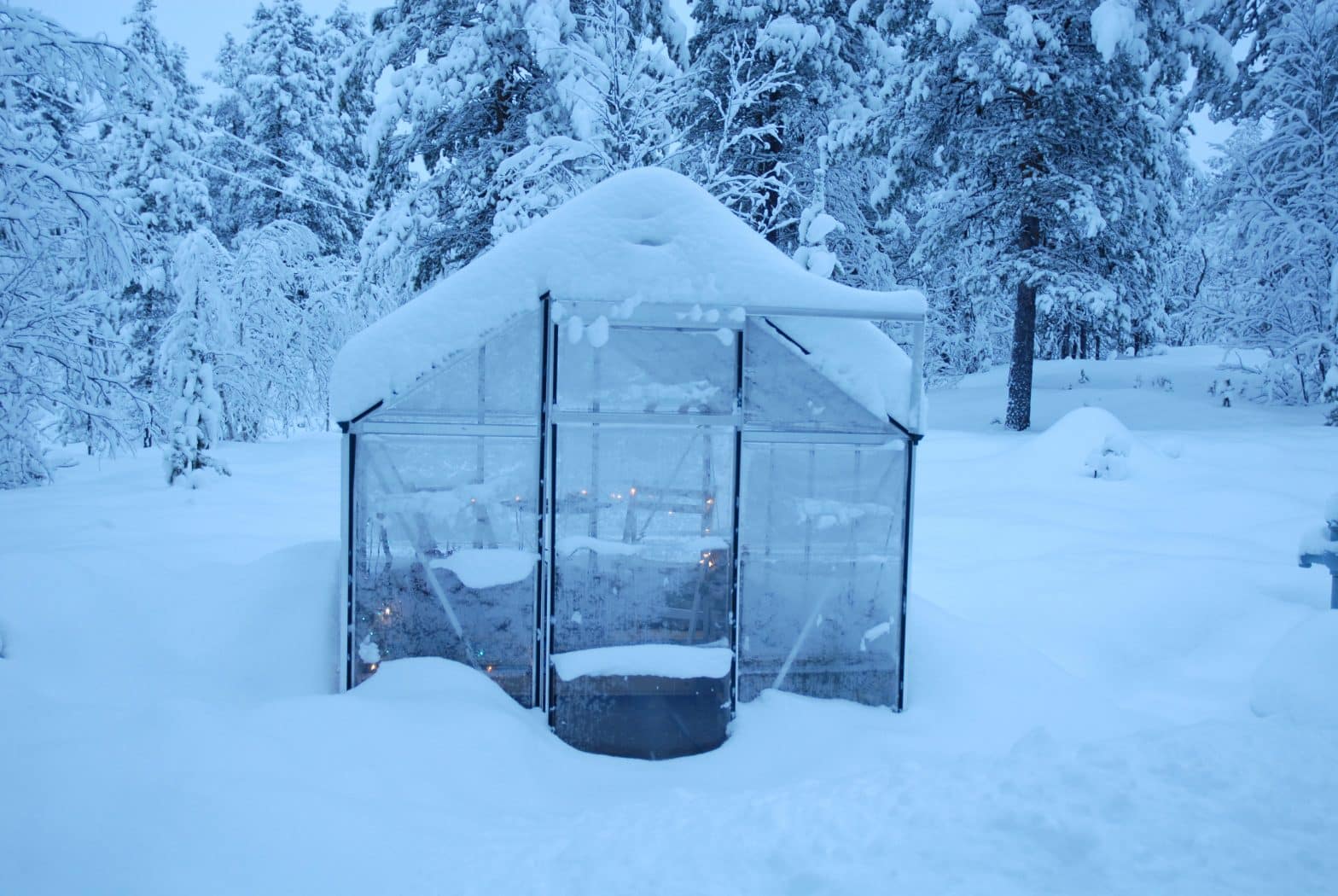
Yes, a greenhouse can indeed stay warm during the winter months, primarily due to its design and the materials used in its construction. A greenhouse functions by trapping the sun's heat, which helps to maintain a warmer environment than the outside air. The effectiveness of a greenhouse in maintaining warmth depends on several factors, including the type of materials used, the location of the greenhouse, and additional heating methods employed.
How Does a Greenhouse Retain Heat?
A greenhouse retains heat through several mechanisms. When sunlight enters the greenhouse, it warms the surfaces inside. This heat is then trapped as it cannot easily escape through the transparent materials. Key processes include:
- Glass or Polycarbonate Materials: High-quality transparent materials allow sunlight to penetrate while minimizing heat loss.
- Insulation: Proper insulation helps to reduce heat loss during colder nights.
- Thermal Mass: Incorporating materials that retain heat, such as water barrels or stone, can help maintain a stable temperature.
Factors Affecting Heat Retention
Several factors influence how well a greenhouse can retain heat during winter:
- Location: Greenhouses placed in sheltered locations or areas with ample sunlight will retain heat better than those in shaded or windy areas.
- Orientation: A greenhouse oriented towards the sun (typically south-facing in the Northern Hemisphere) will absorb more sunlight.
- Size and Shape: Larger greenhouses may lose heat more quickly, while smaller, well-shaped ones can maintain warmth more effectively.
Using Supplemental Heating
In colder climates, relying solely on the sun’s warmth may not be sufficient. Supplemental heating can enhance a greenhouse's winter performance:
- Heaters: Electric, gas, or propane heaters provide additional warmth when needed.
- Heat Mats: These can warm the soil and help maintain a suitable temperature for plants.
- Solar Heaters: Utilizing solar panels to generate heat can be an effective and eco-friendly option.
The Role of Humidity
Maintaining humidity levels is crucial for heat retention. The moisture in the air can trap heat and prevent temperature fluctuations:
- Transpiration: Plants release moisture, which can help keep temperatures stable inside the greenhouse.
- Water Features: Adding water elements can increase humidity, thereby enhancing heat retention.
- Regular Monitoring: Keeping an eye on humidity levels ensures a balanced environment for plants.
Benefits of Winter Greenhouse Gardening
Gardening during winter in a greenhouse offers unique advantages:
See also:
- Extended Growing Season: A greenhouse allows for year-round cultivation, enabling gardeners to grow crops off-season.
- Protection from Elements: Plants are shielded from harsh winter temperatures, frost, and snow.
- Control Over Environment: Gardeners can manipulate temperature, humidity, and light levels to suit various plants.
Can you use a greenhouse to heat a house?
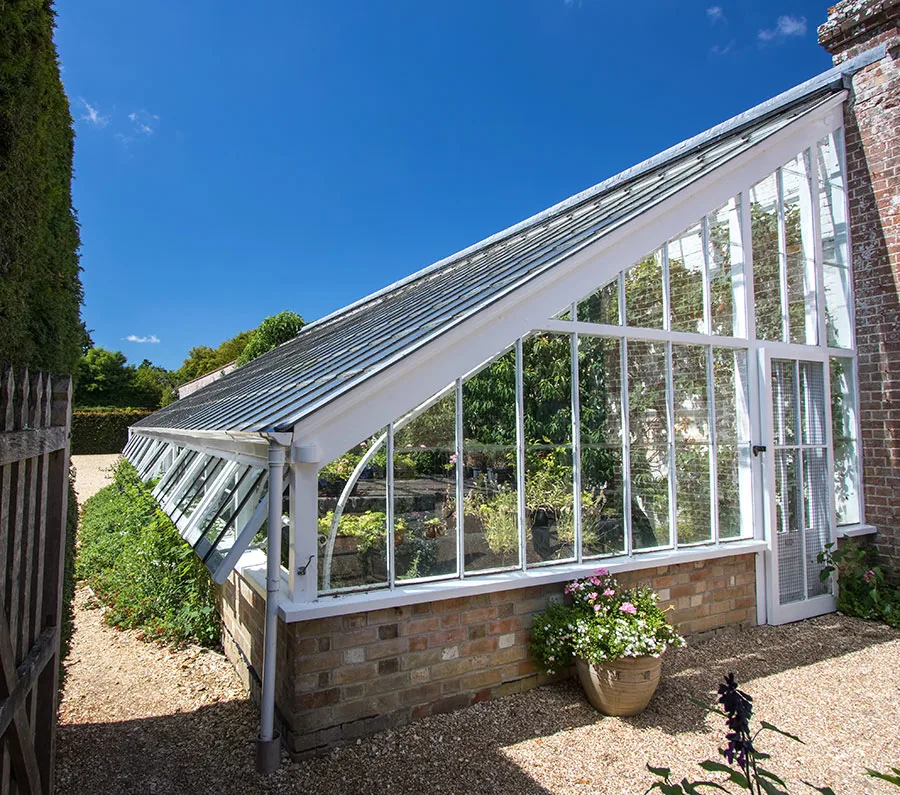
Yes, you can use a greenhouse to heat a house, leveraging the principles of passive solar heating. By strategically positioning a greenhouse adjacent to your home, you can create an environment where sunlight is harnessed and converted into heat, which then transfers into your living space. Here are some key considerations and methods for using a greenhouse to heat a house.
Principles of Passive Solar Heating
The concept of passive solar heating is based on the ability to capture sunlight and convert it into heat energy without mechanical systems. A greenhouse elevates temperatures through several principles:
- Solar Gain: A greenhouse uses transparent materials to allow sunlight in, which warms the air and surfaces inside.
- Thermal Mass: Materials like concrete, stone, or water containers can store heat during the day and release it at night.
- Insulation: Proper insulation in the greenhouse minimizes heat loss during colder periods, maximizing the retention of warmth.
Designing an Effective Greenhouse
To effectively heat your house, the greenhouse design is crucial. Consider the following when planning:
- Orientation: Position the greenhouse to face south (in the Northern Hemisphere) to maximize sunlight exposure.
- Size: The size should be proportional to the area it will heat; a larger greenhouse collects more solar energy.
- Materials: Use double-glazed glass or polycarbonate panels to improve insulation while allowing light penetration.
Heat Transfer Methods
Once the greenhouse collects heat, it must be transferred to the house. Here are effective methods to achieve this:
- Ventilation: Install ducts or fans that allow warm air from the greenhouse to flow into the house.
- Heat Exchangers: Use a heat exchanger system to transfer heat from greenhouse air to the household air without mixing them.
- Radiant Floors: Circulate heated water through pipes embedded in floors to distribute heat evenly throughout your home.
Challenges and Considerations
While utilizing a greenhouse for heating has advantages, there are challenges to be aware of:
- Temperature Regulation: Overheating during sunny days can become issues if not managed properly through shading or ventilation.
- Seasonal Variability: Efficiency may decline during winter months when sunlight is limited and angles decrease.
- Cost: Initial investment in construction and materials may be high; however, savings can occur through reduced heating bills.
Integration with Home Heating Systems
An integrated approach can enhance the effectiveness of a greenhouse in heating a home:
- Hybrid Systems: Combine greenhouse heating with existing heating systems like furnaces or heat pumps for additional comfort.
- Thermal Storage: Design a thermal storage system that collects excess heat during peak sunlight hours for use during nighttime.
- Smart Technology: Utilize smart thermostats to manage and control heating efficiently based on real-time conditions.
Questions from Our Readers
Can a greenhouse be converted into a summer house?
Yes, a greenhouse can be converted into a summer house by adding insulation and proper ventilation. This allows you to create a comfortable space for relaxation during the warmer months. Additionally, implementing decorative elements can enhance its aesthetic appeal.
What are the benefits of using a greenhouse as a summer house?
Using a greenhouse as a summer house offers benefits such as natural light, which creates a bright and inviting atmosphere. Furthermore, it allows for a connection to nature, making it an ideal place for enjoying the outdoors while being protected from harsh weather conditions.
Should a greenhouse be modified for winter use as a summer house?
If you plan to use your greenhouse as a summer house during winter, some modifications may be needed. You might consider adding heating options and ensuring proper insulation to keep the space warm and comfortable during colder months while still enjoying its summer charm.
Are there any downsides to using a greenhouse as a summer house?
While using a greenhouse as a summer house can be beneficial, there are potential downsides to consider. These include temperature control issues, as greenhouses typically maintain warmer temperatures, which may lead to discomfort if not managed properly. Additionally, privacy may be a concern if the structure is located in a highly visible area.
See also:

If you want to read more articles like Can You Use a Greenhouse as a Summer House? Exploring Innovative Spaces for Relaxation, we recommend you check out our Garden category.
Leave a Reply
Related Articles