How to Get Rid of Mold on Soil in a Greenhouse? Effective Tips and Tricks

Mold can be a persistent problem in greenhouses, thriving in the warm and humid conditions that plants often need to grow. This unwanted fungus not only affects the appearance of your soil but can also harm your plants by competing for nutrients and harboring diseases. To ensure a healthy growing environment, it’s essential to tackle mold promptly and effectively. In this article, we will explore practical tips and tricks to help you get rid of mold on soil in your greenhouse. Whether you’re a novice gardener or a seasoned expert, these strategies will promote a healthier ecosystem for your plants.
How to Effectively Eliminate Mold on Soil in a Greenhouse
To effectively eliminate mold on soil in a greenhouse, start by identifying the underlying cause, which is often excess moisture and poor air circulation. Begin by removing any infected plant material and ensuring that the greenhouse has adequate ventilation. Watering should be adjusted to allow the soil surface to dry out between sessions, and applying a fungicide specifically designed for soil can kill mold spores. Additionally, incorporating organic materials like compost can introduce beneficial microorganisms that compete with mold and promote healthy soil ecology. Regular monitoring and cleaning of the greenhouse environment will further prevent future outbreaks.
Identify the Causes of Mold Growth
Identifying the causes of mold growth is crucial for implementing effective solutions. Typically, mold thrives in environments with high humidity, poor drainage, and inadequate light. In a greenhouse, factors such as overwatering, dense plant spacing, and lack of airflow can significantly contribute to mold's development. By tracking environmental conditions and plant care routines, you can pinpoint the contributing factors and adjust your practices accordingly.
Adjust Watering Practices
Adjusting your watering practices is essential for preventing mold growth in the soil. Instead of frequent shallow watering, switch to less frequent but deeper watering sessions that allow the soil to dry out between applications. This change helps to maintain adequate moisture levels while reducing humidity, which is crucial for mold spores. Always check the soil moisture level using your finger or a moisture meter before watering to ensure you are not over-saturating the soil.
Improve Air Circulation
Improving air circulation inside the greenhouse can greatly reduce the likelihood of mold growth. Ensure that the greenhouse has sufficient ventilation by opening windows or using fans to promote airflow. Additionally, space plants sufficiently apart to allow air to circulate freely around them. This practice not only helps to reduce humidity but also promotes an overall healthier environment for your plants.
See also:
Use Fungicides Appropriately
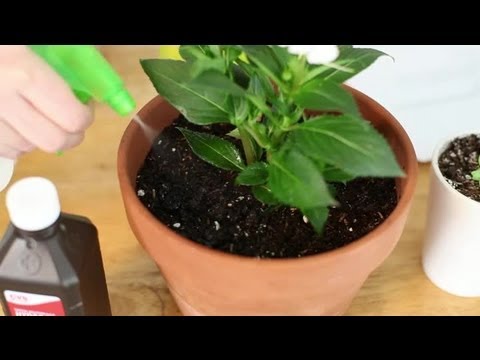
Using fungicides can be an effective method for treating mold in the soil. It is important to select a fungicide that is specifically formulated for soil use and to follow the manufacturer's instructions carefully. Apply the fungicide evenly across the affected areas to ensure that it reaches all mold spores. Repeated applications might be necessary, especially after heavy rains or high humidity levels, to ensure the mold doesn't return.
Incorporate Organic Materials
Incorporating organic materials such as compost or well-rotted manure can enhance soil health and suppress mold growth. These materials introduce beneficial microorganisms that compete with mold for nutrients and help to improve soil structure, promoting better drainage and moisture retention. Additionally, organic materials can gradually release essential nutrients, providing a more balanced environment conducive to plant health while discouraging mold proliferation.
| Strategy | Description |
|---|---|
| Identify Causes | Assess environmental factors contributing to mold. |
| Watering Practices | Switch to deeper, less frequent watering. |
| Air Circulation | Enhance ventilation and spacing between plants. |
| Fungicides | Apply appropriate fungicides as per instructions. |
| Organic Materials | Incorporate compost to promote soil health. |
Understanding the Causes of Mold Growth in Greenhouse Soil
Mold growth in greenhouse soil can often be attributed to excess moisture, poor air circulation, and the presence of organic matter that provides a breeding ground for fungal spores. Recognizing factors such as overwatering, inadequate drainage, and high humidity levels is crucial in addressing mold issues. By maintaining a balance of moisture and ensuring proper ventilation, greenhouse owners can create an environment less conducive to mold development, enhancing the overall health of their plants.
Identifying Mold Types and Their Impact
There are several types of mold that can thrive in greenhouse soil, including Fusarium, Rhizoctonia, and Botrytis. Each of these molds can significantly impact plant health, leading to stunted growth, root rot, and other diseases. Identifying the specific type of mold present is essential for determining the most effective management strategies, as some molds require targeted treatments while others might be addressed with general practices.
Implementing Proper Watering Techniques
To combat mold in greenhouse soil, implementing proper watering techniques is vital. Overwatering is one of the primary causes of mold growth, so it’s important to monitor soil moisture levels and only water when necessary. Employing methods such as drip irrigation or using moisture meters can help ensure that plants receive the right amount of water without saturating the soil, thereby minimizing mold risks.
See also:
Enhancing Air Circulation
Good air circulation is essential for preventing mold growth in greenhouses. Stagnant air can trap humidity and create a suitable environment for mold to flourish. Utilizing fans, ventilation systems, and strategically placing plants to allow for airflow can significantly reduce humidity levels. Ensuring that the greenhouse is well-ventilated, especially during humid periods, is key to maintaining a mold-free environment.
Using Natural Fungicides
Natural fungicides offer a safe alternative to chemical treatments for managing mold in greenhouse soil. Ingredients such as cinnamon, baking soda, and neem oil have antifungal properties that can suppress mold growth effectively. Applying these natural substances not only helps in combating existing mold but can also act as a preventive measure, protecting the plants without risking exposure to harsh chemicals.
Regularly Inspecting Plant Health
Regular inspections of plant health can help identify early signs of mold and take necessary action before it becomes a larger issue. Observing your plants for signs of discoloration, wilting, or any unusual growth patterns can lead to quicker interventions. Additionally, inspecting soil conditions and ensuring that there are no excess organic materials can greatly reduce the chances of mold proliferation in the greenhouse.
Questions from Our Readers
How can I prevent mold from growing on soil in my greenhouse?
To prevent mold from growing on soil in your greenhouse, ensure proper ventilation and avoid overwatering your plants. It's crucial to maintain a balanced humidity level and use well-draining soil. Additionally, implementing crop rotation and removing any plant debris can significantly reduce mold risk.
What natural remedies can I use to eliminate mold from soil?
Natural remedies for eliminating mold from soil include using cinnamon or baking soda as both substances possess antifungal properties. Mix these ingredients into the soil to help hinder mold growth. Moreover, consider applying a vinegar solution or introducing beneficial microorganisms to promote a healthier soil environment.
See also:
Is it safe to use chemical fungicides on soil in my greenhouse?
While chemical fungicides can be effective against mold, they may pose risks to beneficial microorganisms in the soil and the surrounding plants. If you choose to use these products, select ones labeled as safe for greenhouse use and follow the application instructions carefully to minimize potential harm.
How often should I check for mold on the soil in my greenhouse?
It's advisable to check for mold on the soil in your greenhouse at least once a week, especially during warmer and more humid months. Regular inspections allow you to catch any mold growth early and take necessary action, preventing it from spreading and affecting your plants.
If you want to read more articles like How to Get Rid of Mold on Soil in a Greenhouse? Effective Tips and Tricks, we recommend you check out our Soil category.
Leave a Reply
Related Articles