What to Add to Soil When Planting Carrots? Essential Tips for a Bountiful Harvest
Growing carrots can be a rewarding experience, especially when you achieve a bountiful harvest. However, the secret to producing sweet, crunchy carrots lies in the preparation of the soil. Understanding the necessary amendments and nutrients can make all the difference in your garden's success. In this article, we will explore what to add to your soil when planting carrots, including essential tips and techniques to enhance soil quality. From organic matter to essential minerals, these guidelines will help you create the ideal environment for your carrot seeds to thrive, ensuring a robust and flavorful crop.
What to Add to Soil When Planting Carrots
When planting carrots, it is essential to enhance the soil's fertility and structure for optimal growth. The addition of organic matter is crucial; materials like compost, well-rotted manure, and peat moss improve soil aeration and drainage, crucial for the development of strong, healthy carrot roots. Additionally, incorporating fertilizers that are rich in phosphorus and potassium, such as bone meal or rock phosphate, supports root growth and enhances the sweetness of the carrots. It's also beneficial to ensure a balanced pH level, ideally between 6.0 and 6.8, which can be tested with a soil kit. Finally, an appropriate layer of mulch can help retain moisture and suppress weeds, creating a more favorable environment for carrot cultivation.
Organic Matter
Adding organic matter such as compost or aged manure significantly improves soil structure, promoting better water retention and drainage. Organic matter enriches the soil with nutrients, which are critical for the healthy growth of carrot plants. It also fosters microbial activity, enhancing the overall soil ecosystem while breaking down to release vital minerals over time.
Fertilizers
Incorporating suitable fertilizers is essential for providing the necessary nutrients carrots need during their growth cycle. Fertilizers high in phosphorus and potassium, such as bone meal or kelp meal, help develop robust roots and improve the overall quality of the carrots. Applying these fertilizers before planting ensures essential nutrients are readily available when the carrots begin to grow.
Soil pH
The pH level of the soil affects nutrient availability; thus, achieving a balanced pH between 6.0 and 6.8 is vital for healthy carrot production. Conducting a soil test can help determine the current pH and if adjustments are needed. If the soil is too acidic, adding lime can help raise the pH, while sulfur can lower it if the soil is too alkaline.
Mulching
Applying a layer of mulch around the carrot plants can help in retaining soil moisture, regulating temperature, and suppressing weeds. Using organic mulches, such as straw or grass clippings, can also slowly decompose and contribute additional nutrients to the soil. This practice creates a more stable and favorable environment for carrot roots to thrive.
Soil Drainage
Maintaining good drainage is crucial for carrot cultivation, as waterlogged soil can lead to root rot and other diseases. To improve drainage, consider adding sand or perlite to the soil mix. Proper soil drainage allows excess water to escape while retaining enough moisture for healthy carrot growth, leading to better yield quality.
| Soil Component | Benefit |
|---|---|
| Organic Matter | Improves soil structure and nutrient content |
| Fertilizers | Provides essential nutrients for growth |
| Soil pH | Affects nutrient availability |
| Mulching | Retains moisture and suppresses weeds |
| Drainage | Prevents root rot and promotes healthy growth |
How to improve soil for carrots?
To improve soil for carrots, several key practices can be employed to ensure optimal growth. Carrots thrive in well-drained, loose, and nutrient-rich soil. Here’s a detailed explanation of how to prepare and enhance the soil specifically for growing carrots.
Understanding Soil Texture
The texture of the soil plays a crucial role in carrot cultivation. Carrots require loose soil to grow properly without obstruction.
- Loamy soil: Ideal for carrots, loamy soil balances sand, silt, and clay, providing excellent drainage and nutrient retention.
- Sandy soil: While it drains well, it may not hold nutrients as effectively. Enhance with organic matter.
- Rocky or heavy clay soils: These obstruct carrot growth. Amend them by incorporating compost or sand to improve texture.
Soil pH Adjustment
The pH level of the soil significantly impacts nutrient availability for carrots. Carrots prefer a soil pH between 6.0 and 7.0.
- Testing soil pH: Use a soil testing kit to determine the current pH level of your garden soil.
- Adding lime: If your soil is too acidic (below 6.0), add lime to raise the pH.
- Using sulfur or organic matter: To lower the pH if necessary, incorporating sulfur or organic materials can help achieve the desired acidity.
Incorporating Organic Matter
Adding organic matter is essential for enhancing soil fertility and structure.
- Compost: Well-decomposed compost improves nutrient content and helps retain moisture.
- Well-rotted manure: This not only adds nutrients but also enhances soil texture and microbial activity.
- Cover crops: Planting cover crops, such as clover or vetch, prior to carrots helps add organic matter and fix nitrogen in the soil.
Improving Soil Drainage
Proper drainage is essential for growing healthy carrots as they can rot in overly wet conditions.
See also:
- Raised beds: Creating raised garden beds enhances drainage and allows for better soil aeration.
- Sand or perlite: Mixing in sand or perlite can facilitate drainage in heavy soils.
- Avoid compacting soil: Minimize walking on soil beds; use paths to prevent compaction that can hinder water drainage.
Fertilization Practices
Implementing appropriate fertilization practices is vital for providing the necessary nutrients for carrot growth.
- Balanced fertilizers: Use a balanced fertilizer with nitrogen, phosphorus, and potassium for overall growth.
- Avoid over-fertilization: Too much nitrogen can cause excessive leaf growth at the expense of root development.
- Granular slow-release fertilizers: These can be mixed into the soil before planting to provide a steady supply of nutrients.
What fertilizer to use when planting carrots?

When planting carrots, selecting the right fertilizer is crucial for ensuring strong growth and a good harvest. Carrots thrive in soil that is rich in nutrients, but they can be sensitive to high levels of nitrogen. Therefore, it is essential to choose fertilizers that cater specifically to their needs.
Understanding Soil Nutrients
The optimal growth of carrots relies heavily on the right balance of nutrients in the soil. Basic soil amendments should include:
- Phosphorus: Essential for root development.
- Potassium: Helps in stress resistance and disease prevention.
- Calcium: Prevents issues like root splitting and helps improve soil structure.
Choosing the Right Fertilizer Type
For carrots, a balanced fertilizer with a low nitrogen content is recommended. Look for options like:
- Bone Meal: Great source of phosphorus.
- Rock Phosphate: Slowly releases phosphorus over time.
- Compost: Provides balanced nutrients and improves soil fertility.
Organic Fertilizers for Carrots
Using organic fertilizers can be beneficial for carrot cultivation. They improve soil health and provide nutrients sustainably. Options include:
- Composted Manure: Rich in nutrients and improves soil structure.
- Fish Emulsion: A balanced organic option that promotes growth.
- Bone Meal: An organic source of phosphorus.
Applying Fertilizer Before Planting
It's important to apply the chosen fertilizer before planting to ensure it is well integrated into the soil. Recommended steps:
- Test Soil: Determine nutrient levels to tailor your fertilizer choice.
- Till the Soil: Mix the fertilizer thoroughly into the soil.
- Water the Area: Moisture helps activate the nutrients.
Monitoring Plant Growth and Adjusting Fertilizer
After planting, it's vital to monitor the growth of your carrot plants. Adjustments may be necessary based on visible symptoms:
- Yellowing Leaves: May indicate a nitrogen deficiency.
- Stunted Growth: Could suggest a lack of phosphorus or potassium.
- Healthy Growth: Indicates a well-balanced nutrient supply.
Do coffee grounds help carrots grow?
Coffee grounds can be beneficial for growing carrots, as they provide essential nutrients and can enhance soil structure. However, it's important to use them correctly to maximize their benefits for carrot growth. Here’s a detailed exploration of how coffee grounds can help carrots grow, along with related subtopics.
Benefits of Coffee Grounds for Soil
Coffee grounds add important nutrients to the soil, enriching it for carrot plants. The main benefits include:
- Nitrogen: Coffee grounds are approximately 2% nitrogen, which is essential for plant growth, promoting lush foliage.
- Organic Matter: They improve soil structure by increasing its ability to retain moisture and nutrients, which is crucial for root crops like carrots.
- pH Level Adjustment: Depending on the source, coffee grounds can slightly lower soil pH, making it more acidic, which may benefit certain plants.
Improving Soil Aeration
Incorporating coffee grounds into the soil can improve aeration, which is vital for root development in carrots. The benefits of better soil aeration include:
- Root Development: Carrots need space to grow, and aeration helps roots expand easily.
- Water Drainage: Well-aerated soil drains better, reducing the risk of waterlogging and root rot.
- Microbial Activity: Enhanced aeration promotes beneficial microbial activity, which breaks down organic matter and aids plant health.
How to Use Coffee Grounds in the Garden
Using coffee grounds effectively in the garden involves several steps to ensure you provide the best environment for carrots:
See also:
- Mix into Soil: Blend coffee grounds into the top few inches of garden soil before planting.
- Compost Addition: Adding coffee grounds to your compost pile can enrich the compost, which can then be used to fertilize plants.
- Top Dressing: After carrot seedlings emerge, lightly sprinkle coffee grounds on top of the soil to enhance surface nutrient availability.
Potential Drawbacks of Coffee Grounds
While coffee grounds offer numerous benefits, they also come with potential drawbacks that gardeners should be aware of:
- Excessive Use: Too many coffee grounds can lead to nutrient imbalances or may attract unwanted pests.
- Soil Acidity: Over time, excessive use can significantly alter soil pH, which may affect carrot growth adversely.
- Mold Growth: If used in overly wet conditions, coffee grounds can develop mold, which can be detrimental to seedlings.
Alternative Uses for Coffee Grounds in Gardening
Besides carrots, coffee grounds can be utilized in various ways within the garden, such as:
- Fertilizer for Other Plants: They can support other plants that thrive in slightly acidic conditions, like azaleas or blueberries.
- Pest Repellent: Coffee grounds can deter pests like slugs and snails, making them a natural repellent.
- Seedling Starter: They can be part of potting mixes for starting seeds, providing a gentle nutrient source.
What is the trick to planting carrots?
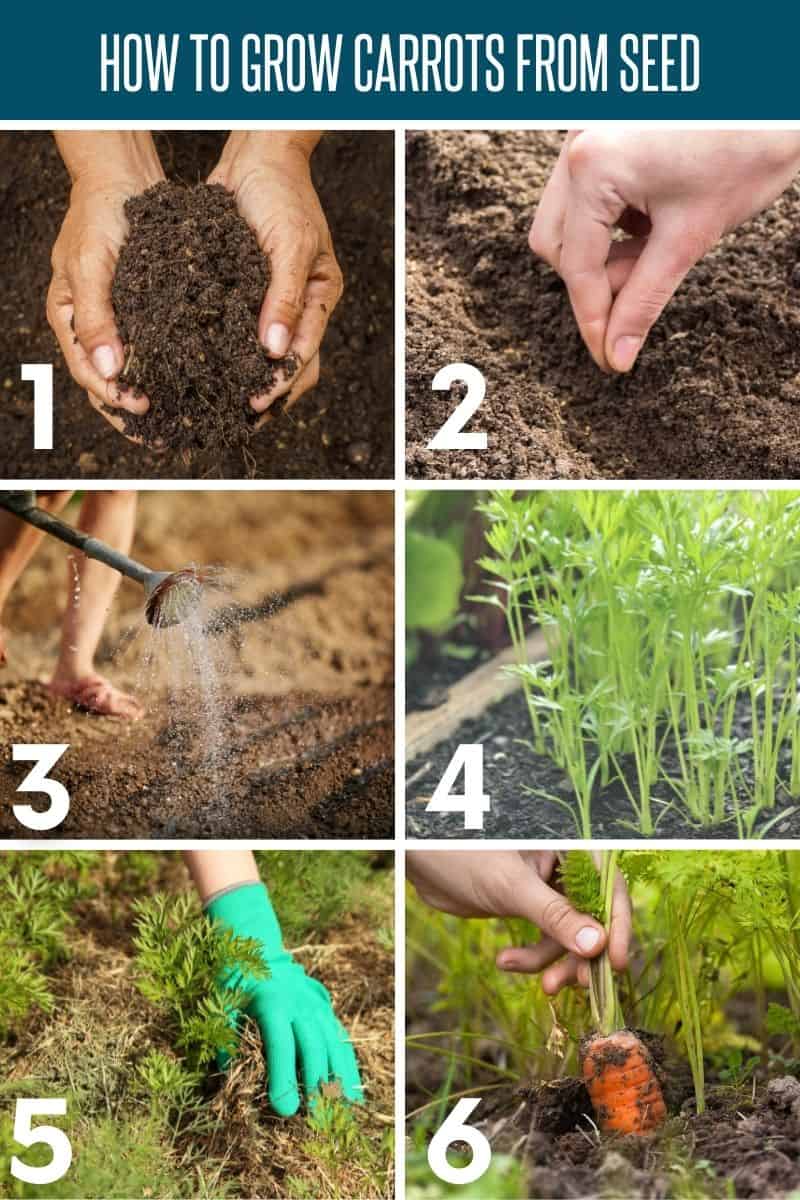
The trick to planting carrots lies in understanding their light, soil, and moisture needs, as well as proper planting techniques. Carrots thrive in well-drained, loose soil that allows their roots to grow straight and long. Additionally, carrots prefer full sun exposure and consistent moisture levels for optimal growth. Here are some essential tips and techniques.
Soil Preparation
To achieve the best growth for carrots, proper soil preparation is key. The soil must be loose, fertile, and free from clumps and stones.
- Loosen the soil to a depth of at least 12 inches to prevent root deformation.
- Add compost or well-rotted manure to enrich the soil with nutrients.
- Ensure the pH level is between 6.0 and 7.0 for optimal nutrient absorption.
Choosing the Right Variety
Not all carrot varieties are the same; choosing the right one for your climate and soil conditions can make a significant difference.
- Shorter varieties, like ‘Thumbelina’, are ideal for shallow soils.
- Longer varieties, such as ‘Danvers’, require deeper soil.
- Consider regional adaptability to ensure successful growth in your area.
Seed Sowing Techniques
Understanding when and how to sow carrot seeds ensures better germination and growth.
- Sow seeds directly into the garden bed at a depth of about 1/4 to 1/2 inch.
- Maintain a spacing of about 2-4 inches between seeds to reduce competition.
- Consider using seed tapes for evenly spaced planting.
Watering and Moisture Control
Effective watering practices are crucial for carrot germination and development.
- Keep the soil consistently moist but not waterlogged.
- Use a soaker hose or drip irrigation to deliver moisture directly to the roots.
- Avoid overhead watering to prevent fungal diseases and ensure effective moisture retention.
Pest and Weed Management
Managing pests and weeds is important for the health of carrot plants.
- Implement mulching to suppress weeds and retain soil moisture.
- Monitor for common pests, such as carrot flies, and use row covers if necessary.
- Practice crop rotation to prevent soil-borne diseases and pest buildup.
Questions from Our Readers
What types of nutrients should be added to the soil for carrots?
To ensure healthy carrot growth, you should add nitrogen, phosphorus, and potassium to the soil. These nutrients help in root development and overall plant health. Additionally, incorporating organic matter like well-rotted compost can improve soil texture and fertility.
Should I use fertilizer when planting carrots?
Yes, using a balanced fertilizer can be beneficial when planting carrots. A fertilizer with a ratio like 5-10-10 is recommended as it provides higher phosphorus and potassium levels, which are crucial for root development and storage root formation.
Is it important to have well-draining soil for carrots?
Absolutely, well-draining soil is vital for growing carrots. Compact or heavy soil can lead to misshapen roots and hinder growth. Adding sand or perlite can enhance drainage and provide the loose texture that carrots prefer to develop their taproots properly.
Can I add lime to the soil before planting carrots?
Adding lime can be beneficial if your soil is too acidic, as carrots prefer a pH level of about 6.0 to 6.8. However, it's important to test your soil first; adding lime may not be necessary if the pH is already appropriate.
See also:

If you want to read more articles like What to Add to Soil When Planting Carrots? Essential Tips for a Bountiful Harvest, we recommend you check out our Soil category.
Leave a Reply
Related Articles