How Do You Get Rid of Fungus in Soil Without Killing Plants? Effective Methods and Tips
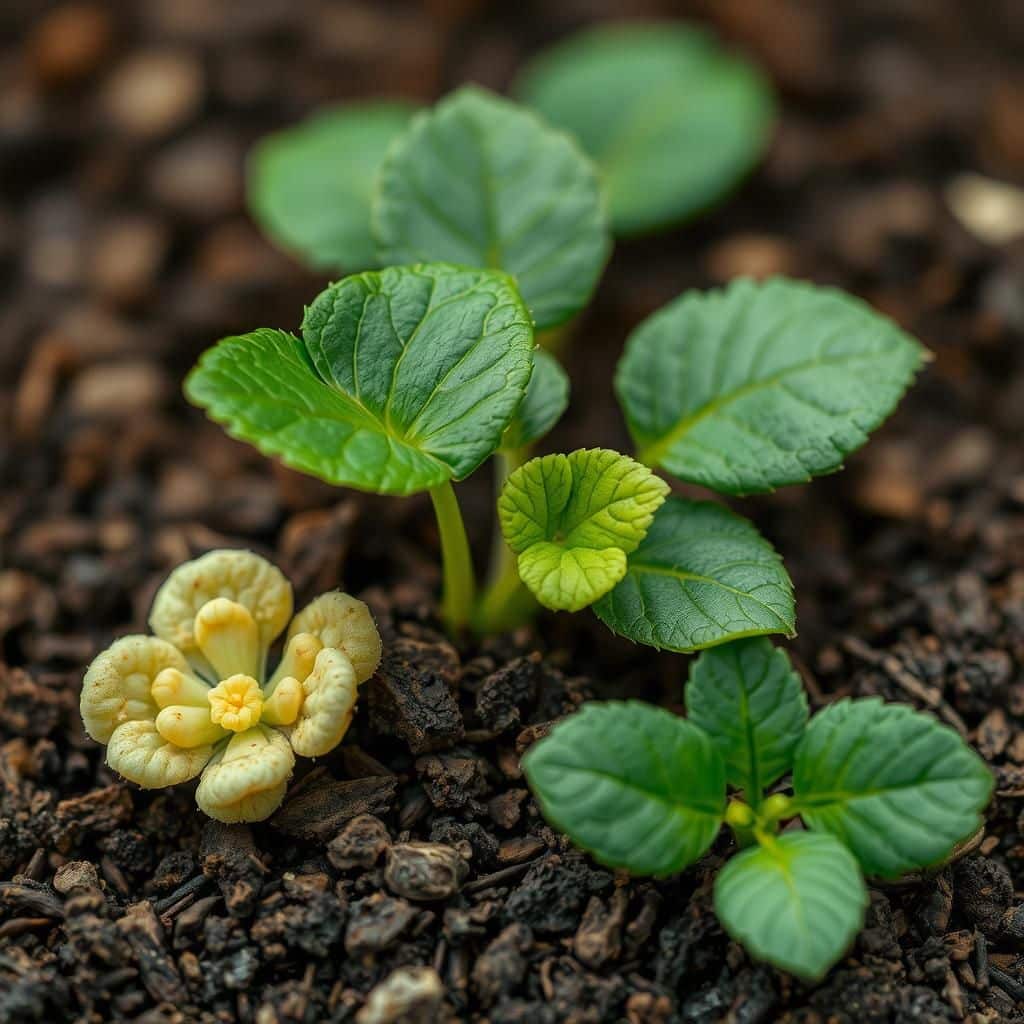
Fungal infections in soil can pose a significant threat to plant health, causing diseases that hinder growth and compromise vitality. However, managing these unwanted organisms doesn't have to result in the demise of your cherished plants. Understanding effective methods to combat soil fungus while preserving plant life is essential for any gardener or horticulturist. This article will explore various techniques and tips that enable you to tackle fungal issues effectively, ensuring that your garden flourishes without resorting to harmful chemicals. From natural remedies to preventative measures, discover how to create a healthy balance in your soil management approach.
How to Eliminate Fungus in Soil Without Harming Plants
To effectively get rid of fungus in soil without harming your plants, it's essential to employ a variety of techniques that promote a healthy growing environment. Start by improving drainage to prevent excess moisture, which fosters fungal growth. You can also incorporate natural fungicides such as neem oil or baking soda mixed with water, which are less likely to harm your plants while effectively targeting fungal spores. Additionally, increasing air circulation and employing crop rotation will disrupt the life cycle of the fungus. Regularly removing any debris or infected plant matter will also help keep your soil healthy and reduce the chance of fungal infestations.
Understanding Fungal Growth in Soil
Fungi are a natural part of soil ecosystems but can become problematic when their populations exceed healthy limits. Factors such as overwatering, compacted soil, and poor ventilation can lead to an increase in fungal growth. By understanding how and why fungi proliferate, gardeners can take preventive measures to maintain a healthy balance in their soil, ensuring their plants flourish without being hindered by pathogens.
Natural Remedies for Controlling Soil Fungus
Natural remedies can be effective in controlling soil fungus without harming your plants. Options such as applying cinnamon, which has antifungal properties, or using a solution of diluted hydrogen peroxide can help eliminate fungal spores. It's important to apply these remedies sparingly and observe plant responses closely, ensuring that any product used is safe for the specific plants in question.
Improving Soil Drainage
Proper soil drainage is crucial in preventing fungal issues. Implementing practices such as amending the soil with organic matter, like compost, can improve drainage and provide essential nutrients for your plants. Additionally, using raised beds or ensuring that your pots have adequate drainage holes can keep the soil from becoming waterlogged, thus minimizing the risk of fungal growth.
See also:
Maintaining Air Circulation
Good air circulation plays a vital role in preventing fungus in plant environments. Ensuring that plants are spaced correctly and avoiding excessive foliage can improve airflow, which reduces humidity levels around the plants. This is especially important in greenhouse setups or indoor gardening, where stagnant air can quickly lead to fungal infections.
Regular Maintenance and Plant Health Monitoring
Routine maintenance is necessary for keeping soil and plants healthy. Regularly checking for signs of fungal growth, such as unusual spots on leaves or wilting plants, allows for timely intervention. Additionally, removing fallen leaves and debris from the soil surface not only minimizes potential fungal spores but also promotes overall plant health by reducing the competition for resources.
| Technique | Description |
|---|---|
| Improving Drainage | Amend the soil with organic matter and ensure proper pot drainage to prevent waterlogging. |
| Using Natural Remedies | Apply substances like cinnamon or diluted hydrogen peroxide to combat fungal spores naturally. |
| Enhancing Airflow | Space plants adequately to allow for air circulation, reducing humidity and fungal growth potential. |
| Regular Maintenance | Conduct routine checks for fungal signs and promptly remove any infected debris or foliage. |
Understanding the Causes of Soil Fungal Infections
Fungal infections in soil can arise from various factors such as excessive moisture, poor drainage, and the presence of organic matter that fosters fungal growth. Addressing these underlying issues is crucial before applying any treatment. Monitoring the environmental conditions like humidity levels and ensuring that your plants receive the proper care can prevent the occurrence of fungal outbreaks. Using a well-draining soil mix and rotating your plants can also significantly reduce the likelihood of soil-borne fungal diseases without harming your plants.
Natural Remedies for Fungal Control
One effective method to control fungus in soil is to apply natural remedies such as cinnamon or baking soda. These substances possess antifungal properties that can inhibit the growth of fungi without negatively impacting your plants. Mixing a solution of baking soda with water (1 tablespoon per gallon) and applying it to the soil can help combat fungal issues. Similarly, dusting cinnamon on the soil surface can act as a natural deterrent due to its antimicrobial properties.
Soil Amendments to Combat Fungal Growth
Incorporating soil amendments like compost, perlite, or vermiculite can enhance soil aeration and drainage, making it less conducive for fungi to thrive. These amendments not only improve the soil structure but also provide essential nutrients that support the healthy growth of your plants. Using well-composted organic matter can promote a balanced ecosystem in the soil, thereby reducing the likelihood of pathogenic fungal infections.
See also:
Beneficial Microorganisms for Soil Health
Introducing beneficial microorganisms into your soil can create a healthy balance that suppresses harmful fungi. Products containing beneficial bacteria and fungi, such as mycorrhizal fungi or Trichoderma species, can outcompete pathogenic fungi for resources. By promoting a biodiversity in the soil, you’re likely to enhance not only plant health but also the overall soil ecosystem, which naturally helps control unwanted fungal growth.
Proper Watering Techniques
Implementing appropriate watering techniques is crucial in managing soil fungal infections. Overwatering is one of the main contributors to fungal growth, so it's important to water your plants effectively without creating overly humid conditions. Using a drip irrigation system can deliver moisture directly to the plant roots while keeping the upper soil drier. Ensuring adequate drainage and allowing the top layer of soil to dry out between watering sessions can significantly reduce the chance of fungal development.
Plant Selection and Rotation Strategies
Choosing the right plants and employing crop rotation strategies can also play a vital role in minimizing fungal issues in the soil. Selecting disease-resistant plant varieties can help you prevent the introduction and spread of soil-borne fungi. Additionally, practicing crop rotation, where different plant families are planted in a specific area in successive seasons, helps disrupt the life cycle of fungi and reduces their population in the soil over time. This proactive approach ensures a healthier growing environment for your plants while minimizing fungal risks.
Questions from Our Readers
What natural methods can I use to eliminate fungus in soil without harming my plants?
To eliminate fungus naturally, you can use methods such as applying strong mixtures of water and baking soda or cinnamon, which act as natural fungicides. Additionally, ensuring proper drainage and increasing air circulation can help discourage fungal growth without harming your plants.
Is it safe to use vinegar to treat fungus in the soil?
Yes, diluted vinegar can be used to treat fungus, as its acidity helps to kill the fungal spores. However, be cautious with the concentration; using a weak solution is essential to avoid damaging your plants in the process.
See also:
How can I improve soil health to prevent fungus from returning?
Improving soil health is pivotal in preventing fungus; you can do this by adding organic matter like compost, which encourages beneficial microorganisms, while also practicing crop rotation to disrupt fungal life cycles and promote a healthier environment for your plants.
Are there specific plants that can help suppress soil fungus?
Yes, certain companion plants such as marigolds and garlic can help suppress soil fungus due to their natural antifungal properties, creating an environment that is less conducive to fungal growth while still supporting your garden's overall health.

If you want to read more articles like How Do You Get Rid of Fungus in Soil Without Killing Plants? Effective Methods and Tips, we recommend you check out our Soil category.
Leave a Reply
Related Articles