Ultimate Guide: How to Get Rid of Fungus on Plant Soil?

Fungal growth in plant soil can be a frustrating issue for gardeners and plant enthusiasts alike. While some fungi are beneficial, others can harm your plants by interfering with their growth, leading to root rot and other diseases. This ultimate guide will walk you through effective strategies to identify, prevent, and eliminate unwanted fungus in your potting mix and garden beds. From natural remedies to chemical treatments, we'll explore various methods to keep your plants healthy and thriving. Whether you're a beginner or an experienced gardener, this guide will provide you with the knowledge you need to combat fungal problems successfully.
How to Effectively Remove Fungus from Plant Soil
To effectively remove fungus from plant soil, it is crucial to first identify the type and extent of the fungal issue present. Begin by removing the top layer of infected soil, as this is where the majority of fungal growth often resides. Next, treat the plant and soil with a fungicide specifically designed for the type of fungus noted or use more natural remedies, such as a mixture of water and baking soda, which can be helpful in controlling the spread. Ensuring proper drainage is key, as excess moisture fosters fungal growth. Always follow with preventive measures such as rotating plants and using clean containers to minimize the chance of re-infection.
Understanding Fungal Growth in Soil
Fungal growth in soil is primarily driven by excess moisture, poor air circulation, and organic matter. Understanding the conditions that foster such growth can help you take preventive actions. Fungi thrive in damp environments, particularly when there is a lack of evaporation or wet conditions persist for extended periods. Recognizing these signs early can enable you to intervene before the problem becomes severe, thus safeguarding your plants.
Signs of Fungal Infection in Plant Soil
Identifying the signs of fungal infection quickly is crucial for effective management. Common indicators include a visible white, fuzzy growth on the soil surface, discoloration of the soil, or an unpleasant odor. In some cases, you might also notice that your plants are exhibiting poor growth, wilting, or yellowing leaves. Regularly inspecting your plants and their soil will help catch these symptoms early and allow for timely action.
Natural Remedies for Fungus Control
Natural remedies for controlling fungus in plant soil can be effective and less harmful to the environment. One popular method involves using a solution of vinegar and water, which can help to eliminate fungal spores. Alternatively, a mixture of baking soda and water can create an inhospitable environment for fungi. Additionally, introducing beneficial organisms such as mycorrhizal fungi can help combat harmful fungi by outcompeting them for resources.
Using Chemical Fungicides Safely
When opting for chemical fungicides, it’s essential to use them correctly to ensure safety for both the plants and humans. Always follow the manufacturer’s instructions regarding application rates and frequency. Applying fungicides too frequently or in excessive amounts could lead to toxicity in the soil or plant. Moreover, it’s advisable to wear gloves and a mask while handling these chemicals to minimize any risk to yourself.
Preventive Measures to Avoid Future Fungal Problems
Preventing fungal problems before they start is key to maintaining healthy plants. Ensure that your plants are not overcrowded, as good air circulation reduces the chances of fungal growth. Also, adopt proper watering practices by allowing the soil to dry between waterings, avoiding excessive moisture. Additionally, regularly changing the soil and using high-quality, sterile potting mix can significantly reduce the risk of fungal infestations.
| Preventive Measure | Description |
|---|---|
| Good Air Circulation | Reduces humidity levels around plants, preventing fungal growth. |
| Proper Watering | Ensures soil dries adequately between waterings, deterring excess moisture. |
| Regular Soil Replacement | Fresh soil is less likely to harbor fungal spores. |
| Use of Sterile Potting Mix | Reduces infection risks as it is free from pathogens. |
| Spacing Plants | Allows air to circulate freely around plants, minimizing fungal growth. |
How to treat fungus on top of soil?


To treat fungus on top of the soil, it’s crucial to first identify the type of fungus and the underlying conditions that promote its growth. Fungal growth on soil surfaces typically indicates high moisture levels, poor drainage, or accumulated organic matter. Here are some effective methods to manage and eliminate fungus on soil.
Identify the Fungal Type
Identifying the type of fungus is the first step in treatment. Different fungi can have unique characteristics and require specific treatments. Observing the color, texture, and growth pattern can provide clues.
- Mildew: Usually appears as a white or gray powdery substance.
- Green mold: Often indicates excessive moisture and may have a greenish hue.
- Black fungus: Typically appears in humid conditions and can be harmful to plants.
Reduce Soil Moisture
Excessive moisture is a primary contributor to fungal growth. Adjusting the watering schedule and ensuring proper drainage can significantly impact fungus reduction.
- Check drainage: Ensure pots have holes for excess water to escape.
- Watering technique: Water plants at their base rather than from above to prevent excess moisture on the soil surface.
- Improve air circulation: Arrange plants to allow for adequate airflow to promote drying.
Remove Affected Soil
If fungal growth is considerable, physically removing the affected soil can help eliminate the spores before they spread. This step is essential for controlling the situation.
- Scrape off the top layer: Use a sterile tool to carefully remove the moldy layer of soil.
- Dispose properly: Throw away affected soil in a sealed bag to prevent spores from spreading.
- Replace with fresh soil: Add clean, sterile soil to the pot to replenish nutrients.
Apply Anti-Fungal Treatments
Using natural or chemical anti-fungal treatments can help eliminate persistent fungi. These products can effectively kill spores and prevent future growth.
- Cinnamon: A natural fungicide that can be sprinkled on affected areas.
- Baking soda solution: Mix one tablespoon with water and spray onto the infected soil.
- Commercial fungicides: Apply according to instructions for a more aggressive approach.
Practice Good Cultural Care
Implementing good cultural practices will help create an environment less conducive to fungal growth. This includes proper plant care and sanitation measures.
- Regularly clean pots: Remove any old plant material to reduce organic debris that can harbor fungi.
- Rotate plants: Change plant locations periodically to avoid persistent fungal issues.
- Monitor humidity levels: Use a hygrometer to keep track of moisture levels in the environment.
How to disinfect soil from fungus in potting soil?
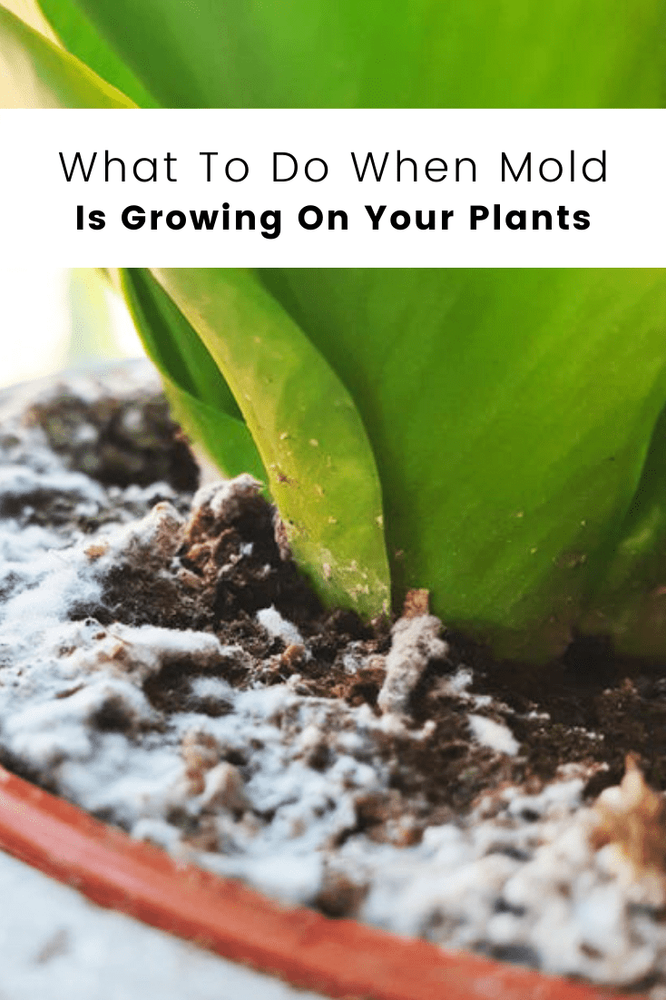
To disinfect soil from fungus in potting soil, it's essential to follow a systematic approach. Fungi can negatively impact plant health, so addressing this issue can save your plants and improve soil quality. Here are some effective methods to consider:
See also:
Understanding the Need for Disinfection
Disinfecting potting soil is crucial for maintaining healthy plants. Fungus can lead to diseases such as root rot and other detrimental conditions. Here are a few reasons to prioritize soil disinfection:
- Prevent Plant Diseases: Fungal infections can spread and damage your plants.
- Promote Healthy Growth: Clean soil supports better root development and nutrient uptake.
- Sustain Soil Quality: Disinfection helps maintain the overall health of the potting soil.
Using Heat Treatment
Heat treatment is one of the most effective methods to disinfect potting soil. This technique can kill fungal spores and pathogens present in the soil:
- Oven Method: Preheat your oven to 180-200°F (82-93°C), spread the soil in a baking tray, and heat for about 30 minutes.
- Steam Method: Boil water, then pour the steam over the soil in a container, ensuring it’s moist but not saturated.
- Microwave Option: Moisten the soil, place it in a microwave-safe container, and microwave for about 2 minutes to kill pathogens.
Chemical Disinfectants
Chemical disinfectants can also effectively eliminate fungus from potting soil. However, it’s essential to use them carefully:
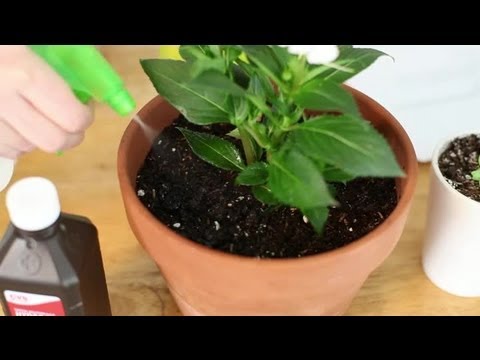
- Hydrogen Peroxide: Mix one part 3% hydrogen peroxide with ten parts water and soak the soil.
- Fungicides: Commercial fungicides can be applied according to manufacturer instructions, which can treat specific fungal issues.
- Alcohol Solution: A 70% isopropyl alcohol solution can be sprayed onto the soil to disinfect effectively.
Biological Control Methods
Biological control methods involve using beneficial organisms to suppress fungal growth. This approach is eco-friendly and sustainable:
- Introduction of Mycorrhizae: Adding mycorrhizal fungi can compete with harmful fungi and promote plant health.
- Beneficial Bacteria: Introducing bacteria such as Bacillus may help reduce fungal populations naturally.
- Neem Oil: Spraying soil with diluted neem oil can control various fungal infections due to its antifungal properties.
Preventive Measures
Preventing fungal growth in potting soil is as important as treating existing problems. Implement these practices to minimize future issues:
- Ensure Proper Drainage: Use pots with drainage holes to prevent excessive moisture that promotes fungi.
- Avoid Overwatering: Overwatering can create a damp environment that encourages fungal growth; water only when necessary.
- Rotate Soil Usage: Avoid reusing the same soil for multiple plantings without disinfection to limit pathogen buildup.
Questions from Our Readers
What are the common signs of fungus in plant soil?
Fungus in plant soil can be identified by several common signs, such as white or gray mold, a foul odor, and the presence of mushrooms or spores on the surface. Additionally, you may notice stunted growth or yellowing leaves in your plants, which can indicate underlying fungal issues in the soil.
How can I prevent fungus from growing in plant soil?
To prevent fungus from growing in plant soil, it's essential to maintain proper watering practices to avoid over-saturation. Ensure that your pots have good drainage, use sterilized soil, and keep the environment well-ventilated. Additionally, consider adding fungicides or natural antimicrobials, like cinnamon or apple cider vinegar, to your soil.
What natural remedies can help eliminate fungus in plant soil?
Natural remedies such as cinnamon powder can be sprinkled on the soil to help combat fungus due to its antifungal properties. Another effective option is to use a mixture of water and baking soda or apple cider vinegar, which can be sprayed directly onto the affected soil to inhibit fungal growth.
See also:
When should I consider using chemical fungicides for plant soil?
You should consider using chemical fungicides when natural remedies fail to control the fungal issue and it starts affecting the health of your plants significantly. It's important to follow the instructions carefully and apply the fungicide as directed, while also ensuring the safety of your other plants and the surrounding environment.
If you want to read more articles like Ultimate Guide: How to Get Rid of Fungus on Plant Soil?, we recommend you check out our Soil category.
Leave a Reply
Related Articles