Do Eggshells Make Soil Acidic? Exploring the Effect on Soil pH and Gardening Benefits
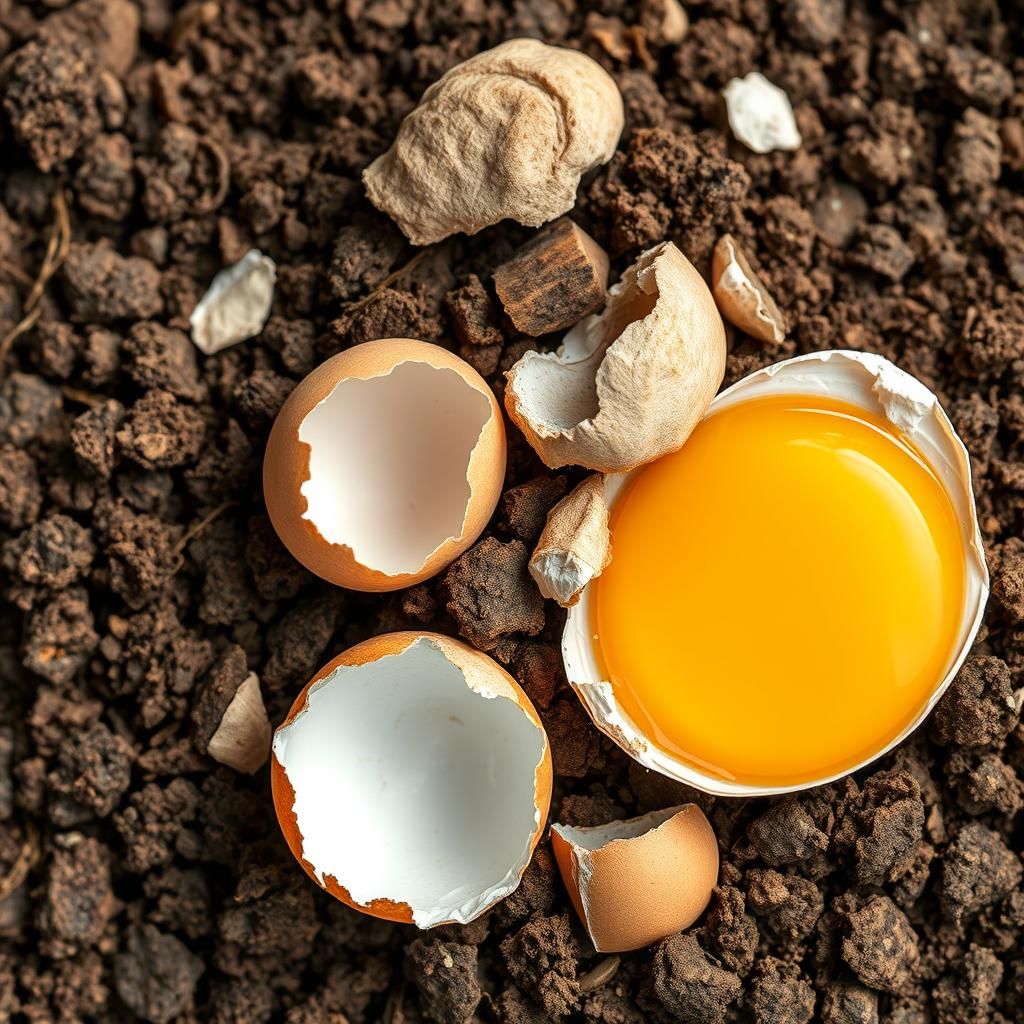
Eggshells are often overlooked as mere kitchen waste, but they possess intriguing properties that may benefit gardeners. A common question arises: do eggshells make soil acidic? This article delves into the effects of crushed eggshells on soil pH levels and explores their overall impact on gardening. By examining the calcium carbonate content and how it interacts with soil components, we aim to clarify the relationship between eggshells and soil acidity. Additionally, we will discuss the advantages of incorporating this natural material into your gardening routine, highlighting its potential contributions to healthier plants and improved soil fertility.
Do Eggshells Make Soil Acidic?
Eggshells do not make soil acidic; instead, they can help neutralize acidity due to their high calcium carbonate content. When crushed and incorporated into the soil, eggshells release calcium ions that can raise the soil's pH level, making it more alkaline. This is particularly beneficial for plants that thrive in less acidic environments. Consequently, rather than contributing to acidity, eggshells serve as a natural amendment that can promote a balanced soil environment conducive to healthy plant growth.
The Composition of Eggshells
Eggshells are primarily composed of calcium carbonate, which makes up about 95% of their structure. This compound is responsible for providing the alkaline properties that help regulate soil acidity. The remaining 5% includes proteins, magnesium, and other trace minerals, which can also benefit soil health by enhancing nutrient availability for plants when the eggshells decompose.
The Impact of Soil pH on Plants
Soil pH is a crucial factor in determining nutrient availability for plants. Most plants prefer a soil pH range of 6.0 to 7.5, which is slightly acidic to neutral. If the soil becomes too acidic, it can hinder the absorption of essential nutrients such as phosphorus, iron, and manganese. Adding eggshells can help adjust and maintain an optimal pH level, ensuring plants receive the nutrients they need for healthy growth.
How to Use Eggshells in Gardening
To use eggshells effectively in your garden, it is best to rinse and crush them to increase their surface area for quicker decomposition. Sprinkle the crushed eggshells around the base of plants or mix them into the soil before planting. This not only helps to neutralize the pH levels but also provides a slow-release source of calcium, which is vital for preventing issues like blossom end rot in crops like tomatoes.
See also:
Alternatives to Eggshells for Soil Amendment
While eggshells are a beneficial addition to garden soil, other sources of calcium and pH adjustment can include lime, crushed oyster shells, or agricultural gypsum. These alternatives can also effectively raise soil pH and provide calcium to plants. Each option has its unique characteristics and benefits, so gardeners may choose based on personal preference, availability, or specific soil needs.
Research on Eggshells and Soil Health
Various studies have explored the effects of eggshells on soil health, demonstrating their role in improving soil structure and increasing microbial activity. Research indicates that the addition of eggshells to soil can enhance its nutrient content and water retention capabilities. This makes it a valuable amendment for both home gardens and agricultural practices, supporting overall soil health and promoting sustainable gardening.
| Aspect | Eggshells | Other Amendments |
|---|---|---|
| Composition | Calcium carbonate | Lime, gypsum, or oyster shell |
| pH Effect | Neutralizes acidity | Raises pH levels |
| Nutrient Release | Slow-release calcium | Varies by type |
| Application Method | Crushed and mixed into soil | Spread or mixed into soil |
| Environmental Impact | Recycles kitchen waste | Depends on sourcing |
The Role of Eggshells in Soil pH and Plant Health
Eggshells, primarily composed of calcium carbonate, can influence soil pH levels when added to garden soil. While they are often thought to make soil more alkaline, their actual effect on acidity is often minimal and varies depending on the soil composition and other organic matter present. When crushed and added to the soil, they release nutrients over time, which can support plant growth and provide beneficial calcium. However, the extent to which they affect soil acidity is generally considered to be limited, making them more beneficial for their role in nutrient supplementation rather than directly altering pH.
Understanding Soil pH
Soil pH is a crucial factor in gardening as it affects the availability of nutrients to plants. A lower pH indicates acidic soil, while a higher pH indicates alkaline soil. Most garden plants thrive in a pH range of 6.0 to 7.0, which is slightly acidic to neutral. When gardeners assess their soil's pH, it helps them determine which amendments might be necessary to optimize conditions for plant growth. Understanding soil pH is essential for ensuring that plants can absorb the necessary macronutrients and micronutrients.
How Eggshells Affect Nutrient Availability
Eggshells decompose slowly in the soil, gradually releasing calcium and other trace elements. This slow release makes them an excellent organic amendment for enhancing nutrient availability over time. The presence of calcium can improve root development, increase plant resilience, and assist with overall plant health. Additionally, as eggshells break down, they help create a healthier soil structure, which can further benefit microbial activity and enhance the soil ecosystem.
See also:
Best Practices for Using Eggshells in the Garden
To effectively use eggshells in the garden, it is recommended to rinse them thoroughly to remove any residual egg and then dry and crush them into a fine powder. This increases the surface area for microbial action and speeds up the decomposition process. Additionally, they can be mixed directly into the top layer of soil or compost to ensure that they distribute evenly and contribute to overall soil health. Combining eggshells with other organic materials enhances their effects and provides a balanced nutrient profile.
Comparing Eggshells to Other Soil Amendments
While eggshells provide calcium, they should not be solely relied upon for soil amendment, especially if there are specific deficiencies. For example, lime is often used to raise soil pH, and it works more quickly than eggshells. Similarly, other organic amendments like compost, manure, or green manures can deliver a broader array of nutrients. Gardeners should consider the specific needs of their plants and soil conditions when selecting the best amendments for improved soil quality and plant performance.
Potential Drawbacks of Using Eggshells
Although eggshells have various benefits, there are some potential drawbacks to consider. The impact of eggshells on soil pH is minimal, which means they should not be seen as a solution for correcting heavily acidic soils. Additionally, if not processed properly, there is a chance that eggshells could harbor pathogens or attract pests. It is essential to ensure that they are clean, dry, and crushed to mitigate these risks. Furthermore, while they provide calcium, they may not address other nutrient imbalances that could exist, requiring a more comprehensive approach to soil health.
Questions from Our Readers
Do eggshells make soil acidic?
The addition of eggshells to soil does not typically make it acidic. In fact, eggshells are primarily composed of calcium carbonate, which can help to neutralize acid in the soil rather than increasing its acidity.
How do eggshells affect soil pH?
When crushed and added to the soil, eggshells can help to raise the pH level, making the soil more alkaline. This can be particularly beneficial for plants that prefer neutral to alkaline conditions, as it counteracts excess acidity.
See also:
Do eggshells add nutrients to the soil?
Yes, eggshells are a great source of calcium, which is an essential nutrient for plants. The calcium can improve cell wall structure and overall plant health, making eggshells a valuable addition to garden soil.
How should eggshells be prepared for use in soil?
To use eggshells in soil, they should be thoroughly cleaned and crushed into small pieces or a fine powder. This preparation helps them to decompose more quickly and release their nutrients into the soil effectively.

If you want to read more articles like Do Eggshells Make Soil Acidic? Exploring the Effect on Soil pH and Gardening Benefits, we recommend you check out our Soil category.
Leave a Reply
Related Articles