What is the cheapest way to acidify soil? Top Tips and Techniques for an Affordable Solution
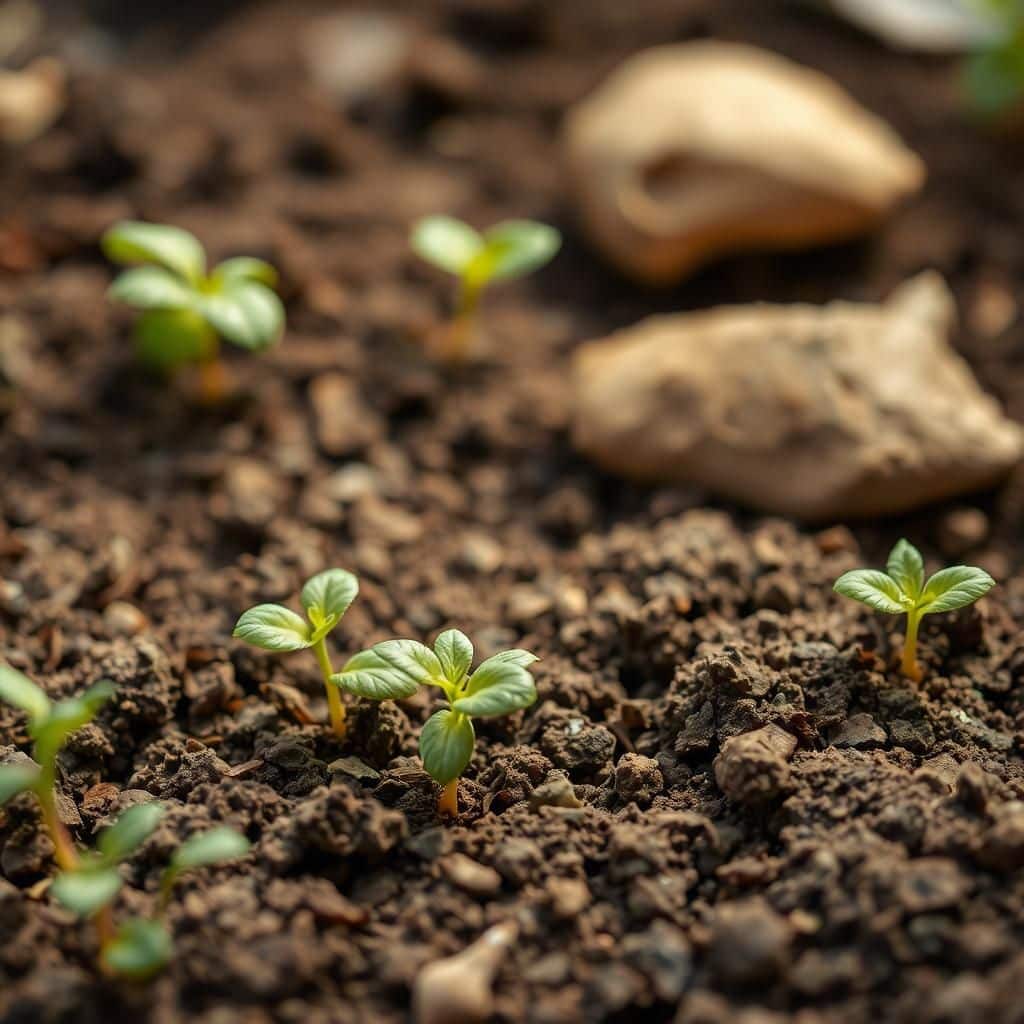
Acidifying soil can be essential for gardeners looking to create optimal conditions for acid-loving plants. However, many worry about the costs associated with this process. Fortunately, there are budget-friendly methods to effectively lower soil pH without breaking the bank. This article explores the cheapest ways to acidify soil, highlighting top tips and techniques that are accessible to everyone. From utilizing common household ingredients to strategically incorporating organic materials, this guide will help you achieve the desired acidity in your garden soil affordably, ensuring your plants thrive in their ideal environment. Transform your garden economically and effortlessly with these practical solutions.
What is the Cheapest Way to Acidify Soil?
Acidifying soil can be essential for growing certain plants that thrive in more acidic conditions, such as blueberries and azaleas. The cheapest way to accomplish this is by using elemental sulfur, which lowers the soil pH as it oxidizes. This method is cost-effective and readily available at garden centers. Alternatively, using coffee grounds, pine needles, or other organic materials can also help acidify the soil over time. These methods not only enhance soil acidity but also improve soil structure and organic content, making them sustainable choices for gardeners on a budget.
Understanding Soil pH
Soil pH is a measure of the acidity or alkalinity of the soil, ranging from 0 to 14. A pH of 7 is considered neutral, while values below 7 indicate acidic soils and those above indicate alkaline soils. Acidic soils are often preferred for specific plants and can be improved by adding materials that lower the pH, ensuring that plants can absorb nutrients effectively.
Using Elemental Sulfur
Elemental sulfur is a widely recommended option for acidifying soil. When applied, soil microbes convert it into sulfuric acid, which effectively lowers the pH. The application rate can vary based on current soil pH levels; typically, about 1 to 2 pounds per 100 square feet is sufficient for gradual acidification. It's important to mix it well into the soil for optimal results.
Organic Options for Soil Acidification
For those preferring organic methods, adding coffee grounds, pine needles, or sphagnum moss can be effective. These organic materials not only help create a more acidic environment but also contribute to improving the overall soil structure and nutrient levels. Though these options may take longer to show results, they are excellent for maintaining long-term soil health.
Timing and Application Techniques
The timing of application can significantly affect the success of acidifying soil. The best seasons for applying sulfur or organic matter are fall or spring, as these allow for several months of microbial activity to gradually lower the pH. Proper incorporation into the soil, ideally to a depth of 6 to 8 inches, ensures that the sulfur or organic materials are actively working to create a more acidic environment.
Cost-Effectiveness of Acidifying Soil
The cost of acidifying soil varies based on the method chosen. Elemental sulfur is usually available for around $0.50 to $1.00 per pound, making it an economical choice for many gardeners. Organic options like coffee grounds can often be sourced for free from local coffee shops, further reducing costs. Choosing the right method depends on the specific needs of the garden and the budget available for soil amendments.
| Method | Cost (Per Pound) | Time to Effect |
|---|---|---|
| Elemental Sulfur | $0.50 - $1.00 | Weeks to Months |
| Coffee Grounds | Free | Months |
| Pine Needles | Free | Months |
| Sphagnum Moss | $1.00 - $2.00 | Months |
What is the cheapest way to make soil acidic?
:max_bytes(150000):strip_icc()/Methods-for-Increasing-Soil-Acidity-11d2b05df5b6403fa2e983ec61faf672.png)
To make soil acidic in the most economical way, you can use several affordable materials and methods that effectively lower the pH levels of the soil. One of the cheapest methods is to incorporate sulfur or elemental sulfur into the soil, as it reacts with soil microbes to produce sulfuric acid, thereby reducing the pH. Other common materials include coffee grounds, pine needles, and certain types of organic mulch.
Here’s a detailed look at various methods to achieve this:
Use of Elemental Sulfur
Incorporating elemental sulfur is one of the most effective ways to acidify soil. When added to the soil, it undergoes a microbiological process that produces sulfuric acid, which lowers the soil's pH.
- Purchase elemental sulfur from gardening centers.
- Apply it according to the recommended rates—typically 1 to 2 pounds per 100 square feet.
- Mix it well into the top 6-12 inches of soil for optimum effectiveness.
Using Organic Matter
Adding certain types of organic matter, such as coffee grounds, can naturally acidify the soil. These materials not only provide nutrients but also help in pH reduction.
See also:
- Collect used coffee grounds from cafes or make your own at home.
- Spread them over the soil or mix them in; they can improve both soil structure and acidity.
- Repeat the application regularly to maintain acidity levels.
Pine Needles as Mulch
Using pine needles as mulch is another cost-effective way to acidify the soil. As they decompose, they lower the soil's pH, creating a more acidic environment.
- Collect pine needles from local sources or buy them cheaply.
- Apply a layer of pine needles about 2-3 inches thick around plants.
- Replenish it annually to maintain the acidity effect.
Vinegar Solution
For a quicker but temporary effect, a vinegar solution can also be used to acidify soil. Vinegar is acetic acid, so applying it directly can lower pH levels.
- Dilute 1 cup of white vinegar in 1 gallon of water.
- Water the soil with this solution where you want to increase acidity.
- Monitor soil pH regularly, as this method may need frequent reapplication.
Utilizing Composted Materials
Using composted materials can also contribute to soil acidity, especially if the compost is made from acidic organic materials.
- Create compost using items like fruit scraps, leaves, and grass clippings.
- Ensure a good balance in the composting process to retain acidity.
- Apply the compost to the soil to enrich it while helping to lower pH levels.
What do you put in your soil to make it more acidic?
To make soil more acidic, you can use a variety of materials and practices. Here are some common methods:
1. Elemental Sulfur: When applied to the soil, elemental sulfur is oxidized by certain soil bacteria, converting it into sulfuric acid, which lowers the pH levels. It’s effective but may take several months to see results.
2. Organic Matter: Incorporating organic matter such as compost made from pine needles, oak leaves, and other acidic materials can naturally lower soil pH over time.
3. Acidic Fertilizers: Using fertilizers that release acidic compounds, such as those containing ammonium sulfate or urea, can help reduce the soil's pH level.
4. Iron Sulfate and Aluminum Sulfate: These compounds can quickly lower the soil pH, making them good choices for immediate effects, particularly in ornamental gardens.
5. Pine Bark Mulch: Applying a layer of pine bark or pine needles not only acts as mulch but also gradually increases soil acidity as they decompose.
Elemental Sulfur
Applying elemental sulfur is one of the most effective methods to acidify soil. This compound requires a conversion process by soil bacteria to become effective.
- Apply sulfur based on the soil's current pH level and desired pH.
- Mix the sulfur into the top layer of soil for better interaction.
- Monitor soil pH levels periodically to see the effect of sulfur.
Organic Matter Incorporation
Adding organic matter such as compost from specific sources can help in gradually lowering soil pH. Organic matter not only improves soil structure but also enhances microbial activity that contributes to acidity.
See also:
- Choose organic materials high in acidity, like pine needles and oak leaves.
- Mix organic matter into the soil during the growing season for best results.
- Consider using it as a top dressing and letting it break down naturally.
Using Acidic Fertilizers
Fertilizers containing acidic components can be useful for quickly adjusting soil pH. Such fertilizers work by releasing their nutrients in forms that contribute to acidity.
- Opt for fertilizers that specifically list ammonium sulfate or similar compounds.
- Apply according to the manufacturer’s instructions for optimal results.
- Test soil pH after application to monitor effectiveness.
Iron and Aluminum Sulfate
Both iron sulfate and aluminum sulfate work to lower soil pH effectively. These compounds provide immediate results compared to organic methods.
- Apply based on soil testing to avoid over-acidification.
- Ensure proper incorporation into the soil for even distribution.
- Regularly check the soil pH subsequent to application to gauge progress.
Pine Bark Mulch
Using pine bark mulch provides a double benefit of protecting the soil and gradually increasing acidity as it decomposes. This method is particularly popular in garden beds.
- Spread a layer of pine bark or needles around plants to promote acidity.
- Monitor the thickness of the mulch layer for consistent coverage.
- Replenish as necessary to maintain effectiveness and benefits.
Can I use vinegar to acidify soil?

Using vinegar to acidify soil is a common practice among gardeners looking to lower pH levels in their soil for specific plants, particularly those that thrive in acidic conditions. Vinegar, which contains acetic acid, can indeed decrease soil pH temporarily. However, there are several factors to consider before using it as a soil amendment.
Effectiveness of Vinegar in Soil Acidification
Vinegar can be effective in acidifying soil due to its high concentration of acetic acid. The acid can lower the pH of the soil quickly, which can benefit certain plants. However, the effect is temporary, and overapplication may lead to plant stress or damage. Here are the key points to consider:
- Vinegar's effect on soil acidity is short-term.
- High concentrations can cause harm to sensitive plants.
- Repeated applications may be necessary to maintain the desired pH level.
Best Types of Vinegar for Soil Use
Not all types of vinegar are created equal, and some may be better suited for gardening purposes than others. The most commonly used vinegar for soil acidification is white vinegar, which has a higher acetic acid content compared to other types. Consider the following types:
- White Vinegar: Contains about 5-7% acetic acid, making it the most effective choice.
- Apple Cider Vinegar: Slightly less acidic, but may be used for its nutritional benefits.
- Balsamic Vinegar: Not recommended for soil, as it contains sugars and flavorings that can be harmful.
Potential Risks of Vinegar Use
While vinegar can lower soil pH, there are potential risks involved in its application. Overusing vinegar can lead to negative effects on soil health and plant growth. Consider these risks:
- Excessive acidity may harm beneficial soil microorganisms.
- It can lead to nutrient deficiencies in plants if soil pH drops too low.
- Inconsistent results can occur due to variations in soil type and moisture content.
Alternative Methods for Acidifying Soil
If the use of vinegar seems too risky or temporary, there are alternative methods available to achieve a more stable acidification of soil. Some options include:
- Sulfur: Adding elemental sulfur is a long-term solution for lowering soil pH.
- Composted Pine Needles: They can naturally acidify the surrounding soil as they break down.
- Organic Mulches: Using organic materials like wood chips or leaves helps maintain a balanced pH.
Application Methods for Vinegar
If you decide to proceed with using vinegar to acidify your soil, proper application techniques are essential. To maximize its effectiveness while minimizing risks, follow these guidelines:
- Dilute vinegar with water (1 part vinegar to 3-4 parts water) to reduce acidity.
- Apply to soil at a depth where roots are located, avoiding direct contact with plant foliage.
- Monitor soil pH regularly after application to prevent over-acidification.
Questions from Our Readers
What are the most affordable substances to acidify soil?
To acidify soil on a budget, you can use sulfur, aluminum sulfate, or ferrous sulfate. These materials are often less expensive and can effectively lower the pH of your soil over time. Make sure to follow the application guidelines to achieve the best results without risking plant health.
How often should I apply acidifying agents to my soil?
The frequency of application depends on the initial pH of your soil and the desired pH level. Typically, it is recommended to check your soil's pH at least once a year and apply acidifying agents as needed. Gradual adjustments through repeated applications are often more effective and safer for your plants.
See also:
Can organic materials help in acidifying my soil?
Yes, organic materials such as pine needles, oak leaves, and compost can naturally help to lower soil pH over time. These materials not only acidify the soil but also improve its structure and nutrient content, making them an excellent choice for sustainable gardening.
Is it possible to acidify soil using household items?
Absolutely, common household items like vinegar or lemon juice can serve as temporary solutions for acidifying soil. However, these should be used cautiously since they can alter the pH quickly and might not provide a long-lasting effect compared to traditional soil amendments.

If you want to read more articles like What is the cheapest way to acidify soil? Top Tips and Techniques for an Affordable Solution, we recommend you check out our Soil category.
Leave a Reply
Related Articles